لا تقلق، اتصل بمديرك فوراً
لا تتعجل في إغلاقها الآن، من فضلك تحدث إلى مديرنا مباشرةً. عادةً ما يتم الرد خلال ساعة واحدة.
أغشية الدفيئة والشبكات الزراعية
شريكك العالمي في حلول الزراعة في البيوت الزجاجية.
نستخدم بروتوكول SSL/3.0 لتشفير خصوصيتك

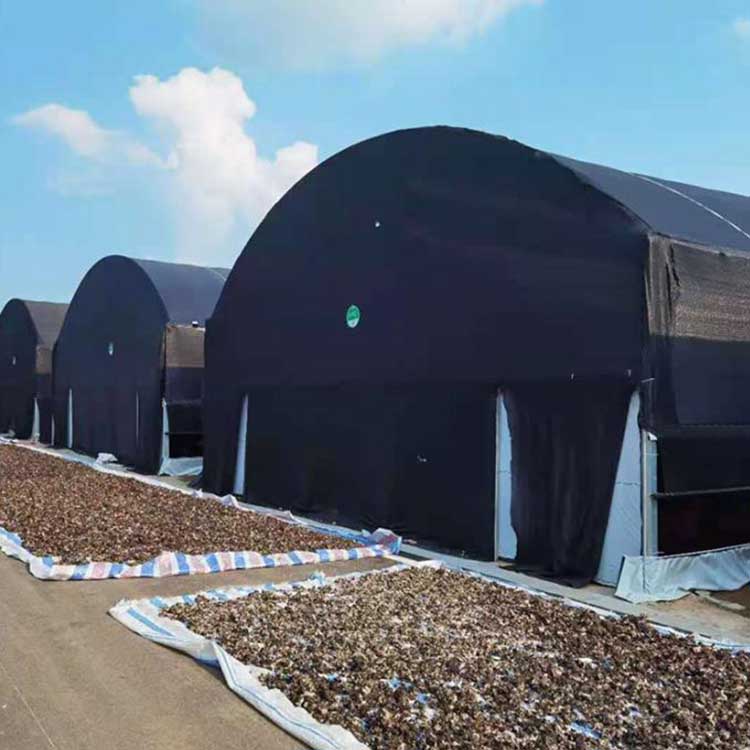
The brilliant white side provides up to 90% diffuse light reflectivity, significantly boosting your Photosynthetically Active Radiation (PAR) levels deep within the plant canopy. Simultaneously, the 100% opaque black side ensures total light deprivation—which is mandatory for preventing algae growth in hydroponic reservoirs and controlling strict photoperiods in flowering rooms.
If you are running a commercial indoor grow room or a high-tech hydroponic facility, you already know your biggest monthly overhead: the electricity bill. You spend thousands of dollars powering high-intensity LED or HPS grow lights to push your crop’s yield to the limit. But let’s be brutally honest—if those expensive photons miss the plant canopy and hit dark walls, bare drywall, or unreflective floors, that electricity is completely wasted.
Here is the direct answer and the ultimate solution for your indoor farm:
To maximize your light efficiency and protect your hydroponic systems without buying a single extra light fixture, you need to line your facility with high-quality Panda Film.
As an experienced manufacturer and dedicated panda film supplier, we at هونريل للزراعة always advise our commercial clients to prioritize their room’s reflective infrastructure. By installing this specialized black and white poly film, you capture wasted light and redirect it. The brilliant white side provides up to 90% diffuse light reflectivity, significantly boosting your Photosynthetically Active Radiation (PAR) levels deep within the plant canopy. Simultaneously, the 100% opaque black side ensures total light deprivation—which is mandatory for preventing algae growth in hydroponic reservoirs and controlling strict photoperiods in flowering rooms.
In this comprehensive guide, we are going to break down the actual physics of diffuse reflection, compare materials using verifiable academic data, and share our expert best practices for setting up your facility for maximum yield.
In hydroponic agriculture, light is the fuel for your yield engine. However, light operates on the inverse-square law—the further the light travels from the bulb, the exponentially weaker it gets. If your room is not highly reflective, you are losing massive amounts of growth potential.
When growers think of “reflectivity,” they often think of mirrors. But mirrors are actually terrible for plants because they create specular reflection (focused beams of light) which cause localized “hot spots” that burn leaves.
The white surface of our panda film is engineered to create diffuse reflection.
While the white side is out there feeding your plants, the black side is doing the dirty work to protect the whole setup.
If you’re running hydroponics, you know the drill: light hits your nutrient water or NFT channels, and boom—you’ve got an algae bloom in days. That green sludge isn’t just gross; it’s a thief. It steals nutrients and sucks the oxygen right out of the water, basically suffocating your roots. Since our film has a thick black core, it’s 100% light-proof. Stick the black side over your reservoirs and you’re literally starving the algae of light, keeping your root zone sterile and healthy.
For anyone growing photoperiod crops—like cannabis or specific flowers—light leaks are the enemy. Even a tiny bit of light from a streetlamp or the room next door during the dark cycle can stress your plants out so much they turn hermaphrodite or just stop flowering entirely. This film acts like a brick wall against light. Once it’s up, it’s total blackout—no leaks, no stress, just results.
When consulting with our B2B clients, we frequently get asked: “Why shouldn’t I just use cheap aluminum mylar or paint the walls white?”
Let’s look at the real-world operational data.
| ميزة | Aluminum Mylar | Flat White Paint | HONREL Panda Film |
| Reflectivity | 97% (Creates Hot Spots) | 80-85% | 90% (Highly Diffuse) |
| متانة | Very Fragile (Tears easily) | Chips and peels in humidity | Extreme (Tear resistant) |
| Moisture Resistance | Degrades quickly if wet | Promotes drywall mold | 100% Waterproof |
| Cleaning & Maintenance | Impossible (Wiping scratches it) | Hard to sanitize | Highly Washable |
| Light Blocking | Poor (Pinholes leak light) | None | 100% Blackout |
Mylar is technically 97% reflective, but in a real-world commercial environment, it fails miserably. According to veteran indoor growers, Mylar degrades with every single water spot. If you use foliar nutrient sprays or run high humidity, Mylar quickly oxidizes, becomes brittle, and loses its reflective capabilities. You cannot wash it because wiping Mylar scratches the surface.
In contrast, our polyethylene-based film is rugged. It is thick enough to stop tears, 100% waterproof, and you can scrub it down with bleach or hydrogen peroxide between crop cycles to maintain a perfectly sterile, hospital-grade environment.
(Source: Data and operational observations regarding Mylar degradation vs. Panda Film durability confirmed by hydroponic industry experts at Simply Hydroponics)
Don’t just take our word for it—leading agricultural universities utilize black and white poly film in their controlled environment studies to maximize light efficiency.
In a study published by MDPI regarding the vertical hydroponic production of the common ice plant, researchers needed to maximize the Daily Light Integral (DLI).
Researchers at Purdue University conducted an extensive study on hydroponic basil growth. To ensure precision, they had to eliminate light pollution between different test shelves while maximizing the Photosynthetic Photon Flux Density (PPFD) hitting the plants.
Even the highest quality plastic will fail if you install it poorly. Here are the top three best practices our HONREL engineering team recommends for commercial hydroponic setups:
When attaching the film to your drywall or timber frames, you must pull it extremely tight. If the film is loose, it creates wrinkles and valleys.
If you leave wrinkles in the film, light just bounces everywhere except where you want it. It totally kills the reflection. Even worse, if the plastic is loose, you’re basically trapping humid air behind it. That’s a fast track to getting toxic black mold rotting out your drywall. Pull it tight, staple it down solid, and make sure it’s dead flat.
If you’re lining your walls, keep the white side facing the plants to bounce that light back. The black side stays against the wall to keep things pitch black. Pro tip: If you’re using it on a greenhouse floor to kill weeds, flip it—black side down against the dirt to choke out the weeds, white side up to throw some light back into the lower canopy.
If you’re setting up a blackout room for flowering, light leaks are the enemy. When you’re joining two sheets together, overlap them by at least 6 inches. And for the love of god, don’t use duct tape or masking tape—the humidity will eat the glue and it’ll peel off in a week. Get the heavy-duty waterproof poly tape made for this stuff to seal those seams tight.
As a B2B distributor or a large-scale commercial cultivator, buying retail rolls of plastic from a middleman destroys your profit margins. You need a dedicated factory partner.
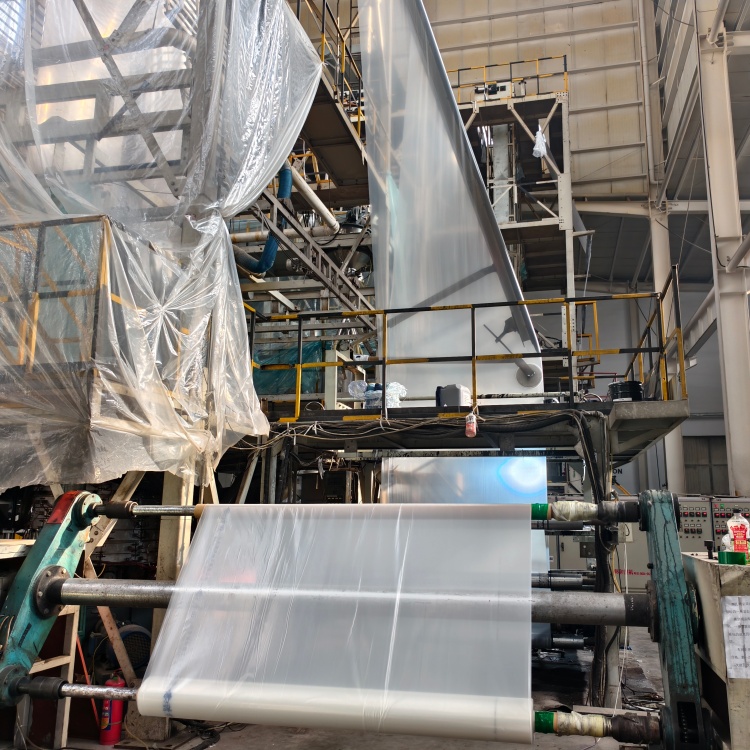
في هونريل للزراعة, we manufacture our black and white panda film using advanced 3-layer and 5-layer co-extrusion technology. This means the black opaque core and the brilliant white exterior layers are melted together at the molecular level—they will never peel apart, delaminate, or flake, even under the intense heat of HID lighting.
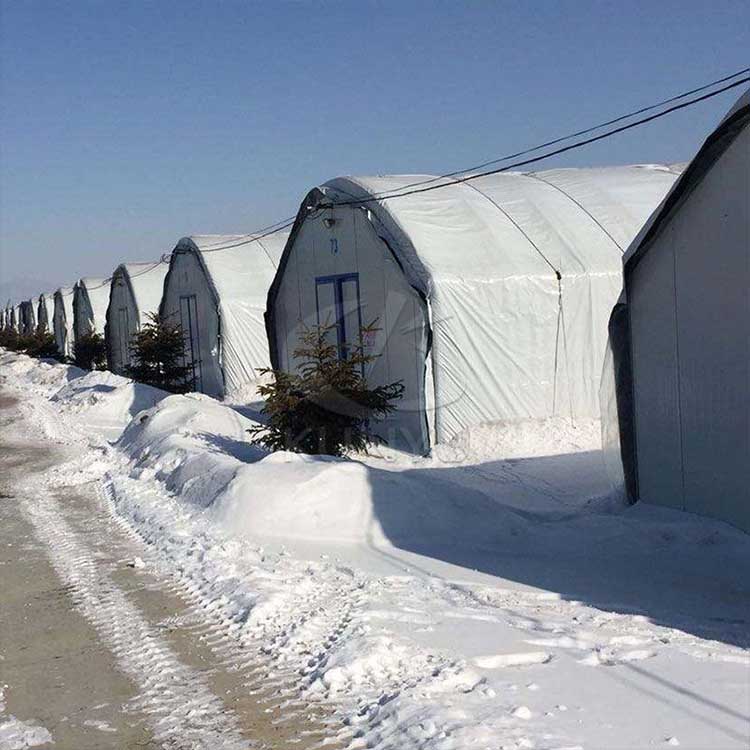
Because we are the direct factory, we don’t force you into a “one-size-fits-all” product. We customize the film to your exact project demands:
Our expertise doesn’t stop at indoor grow rooms. We support all sectors of modern farming. If you are cultivating outdoors and need to manage soil temperature and weed control, we manufacture premium mulch film for row crops. If you are upgrading a massive multi-span outdoor facility and need ultimate UV protection, we highly recommend our advanced PO film or our heavy-duty PE film. Whatever your structural covering needs, we have the precise polymer chemistry to match it. Furthermore, if you just need a standard clear cover, our غشاء الدفيئة is trusted by commercial growers worldwide.
We speak with hydroponic facility managers every day. Here are the five most common questions we get regarding our high-reflectivity films.
A: No, it actually helps regulate temperature much better than alternatives. While the black side absorbs heat, the bright white side facing your lamps reflects thermal heat away. This cooling effect is significantly better than using mylar, which frequently traps heat and creates localized hot spots that burn plant foliage.
أ: Short answer—yes. This isn’t that recycled junk that leaches chemicals into your water. It’s pure virgin poly. It won’t budge your pH or mess with your EC levels at all. You can line an aquaponics bed or cover a DWC setup and just forget about it. It’s totally inert, so your roots stay clean and your fish stay alive.
أ: You’ll get a solid 4 or 5 years out of it, easy. Most of the cheap film you see out there starts flaking and cracking after a year or two because the sun just kills it. We built this stuff to take a beating. It stays flexible, handles the heat, and won’t turn into a brittle mess when you’re scrubbing it down between runs. It’s made for the long haul.
أ: You bet. This stuff is built tough and isn’t porous at all, so you can just give it a quick spray and wipe-down between harvests. Use some diluted bleach, peroxide, or alcohol—whatever you prefer. It’s the best way to keep your grow room “hospital-clean” and make sure no pests or nasty spores carry over to mess with your next run.
أ: Since we’re the actual factory and not just a middleman, our MOQs usually go by raw tonnage or container volume. We keep it this way so the numbers actually work in your favor—it’s how we’re able to lock in those bottom-dollar wholesale prices for you.
In commercial hydroponics, efficiency dictates profitability. Why pay thousands of dollars for electricity only to let your valuable light absorb into dark walls or unreflective floors? By upgrading your facility with HONREL’s high-performance film, you instantly increase your light reflectivity by 90%, eradicate reservoir algae, and gain absolute control over your critical photoperiods.
Ready to maximize your yields and lower your overhead costs?
Partner with هونريل للزراعة today. As your dedicated panda film supplier, we guarantee factory-direct pricing, custom OEM sizing, and the heavy-duty quality your commercial farm demands.
اختيار الخيار الصحيح فيلم غرينهاوس أو شبكة التظليل أمر بالغ الأهمية لنجاح المحاصيل. بصفتي متخصصًا مصنع الشباك والأغشية الزراعيةيساعدك خبراؤنا في تخصيص الحماية من الأشعة فوق البنفسجية ونفاذية الضوء بما يتناسب مع مناخ منطقتك. شاركنا تفاصيل مشروعك للحصول على حل مصمم خصيصًا لك.