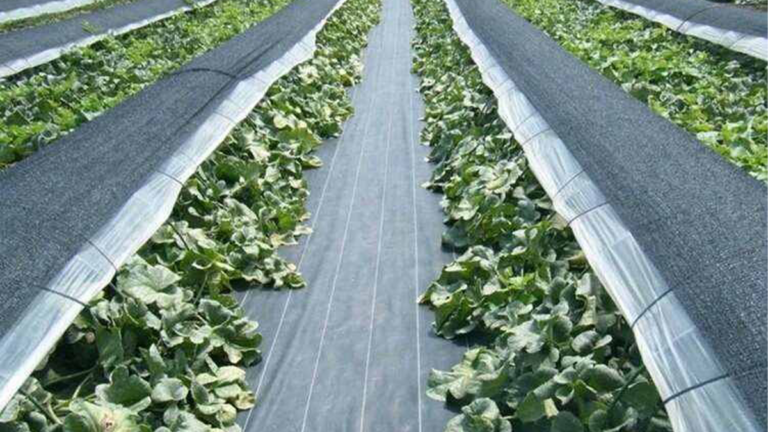
Panda Film for Poultry Housing | 100% Light Control
Raising profitable broilers or high-producing layers isn't just about feed and water; it is heavily dependent on manipulating biorhythms. If your poultry house leaks natural sunlight, you are leaving your flock's metabolism up to chance.
Here at HONRELAG AGRICULTURE, we spend our days analyzing agricultural polymers and speaking directly with commercial farm integrators, agronomists, and B2B supply distributors all over the world. While many people associate black and white panda film strictly with greenhouse horticulture or mushroom cultivation, some of our largest manufacturing runs go directly into the poultry industry.
Raising profitable broilers or high-producing layers isn’t just about feed and water; it is heavily dependent on manipulating biorhythms. If your poultry house leaks natural sunlight, you are leaving your flock’s metabolism up to chance. Based on our factory-floor extrusion expertise and veterinary field data, we are going to break down exactly why you need 100% blackout Panda Film, the science of poultry lighting, and the expert best practices for installing it.
Tabla de contenido
The Science of Poultry Photoperiods & Ascites
To understand why heavy-duty blackout plastics are absolutely essential, we must look at the biology of modern commercial chickens. Poultry are highly photoreceptive animals. Their brains respond directly to light intensity and duration (the photoperiod), which completely dictates their resting cycles, hormonal production, and feeding behaviors.
The Danger of Uncontrolled Light and Rapid Growth
In traditional, open-sided, or poorly sealed poultry houses, birds are subjected to the natural rise and fall of the sun. In the summer, this means excessively long light hours.
When exposed to continuous light, modern broilers will eat continuously. While fast weight gain sounds good in theory, this rapid growth rate heavily strains the bird’s cardiovascular system. The birds require massive amounts of oxygen to support this metabolic overdrive. When their oxygen demand exceeds what their heart and lungs can supply, fluid leaks from the liver into the abdominal cavity—a fatal condition known as Ascites (water belly).
Poultry experts say you should give birds one or two hours of darkness every day. You should start this after the first week. This slows down how fast the birds grow. It makes them eat less and use less oxygen. This is a simple way to keep your birds healthy and stop heart problems. Furthermore, agricultural extension research confirms that using controlled lighting programs to restrict early growth significantly improves flock livability while decreasing both ascites and severe leg problems.
Why Panda Film is the Ultimate Housing Upgrade
If you need a blackout environment, why use specialized Panda Film instead of standard black tarps or cheap construction plastics? The answer lies in advanced multi-layer co-extrusion technology.
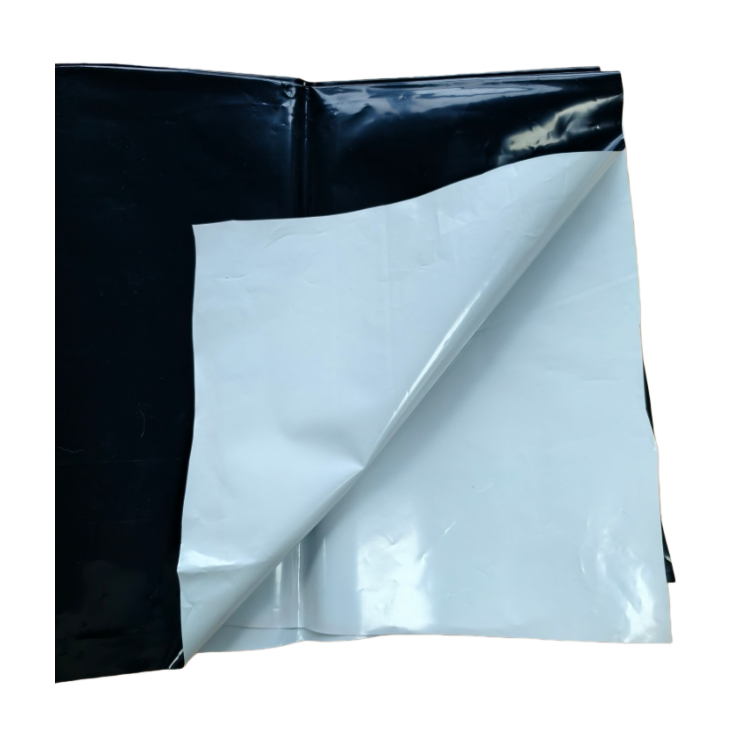
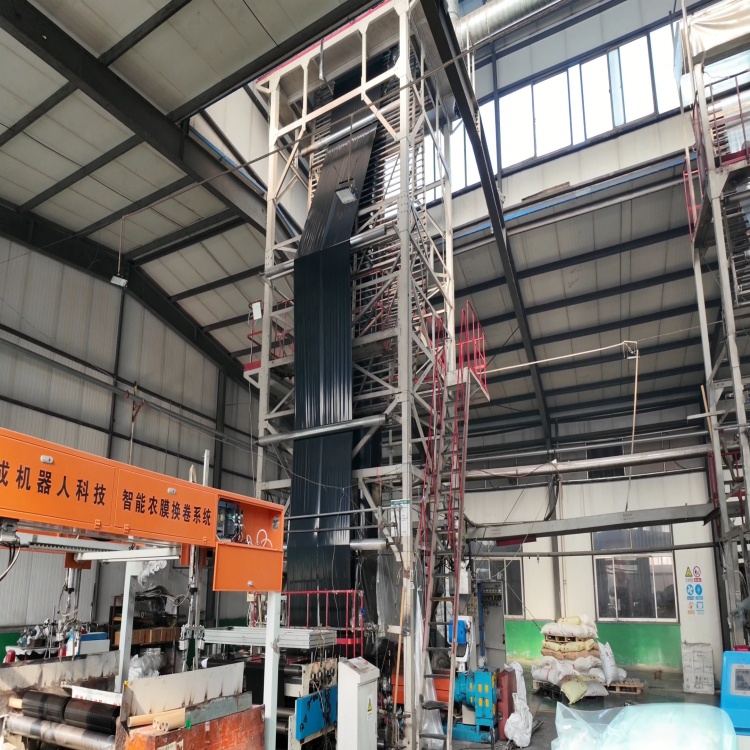
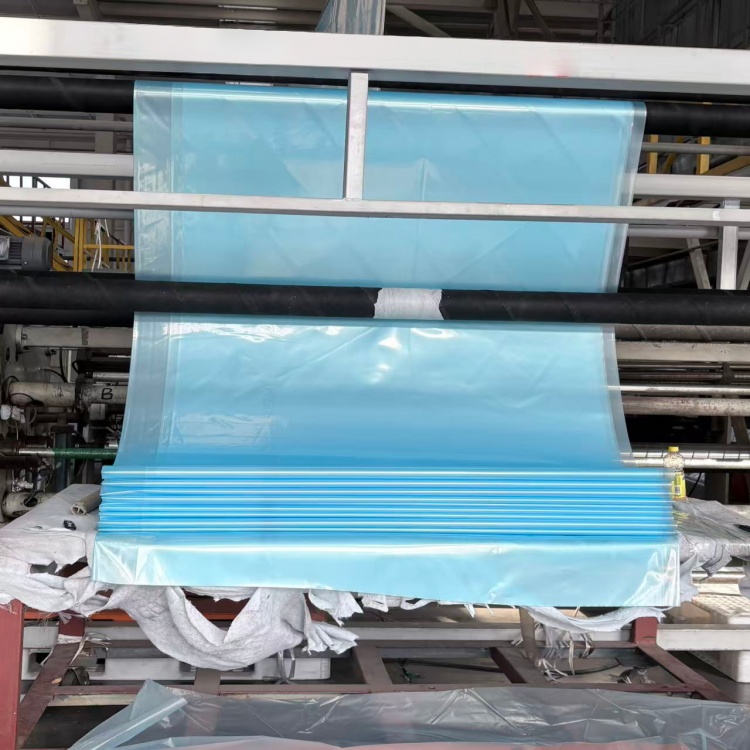
At HONREL AGRICULTURE, our Panda Films are manufactured using 3-layer or 5-layer blown film technology, blending metallocene LLDPE resins to create a product that serves dual, opposite functions simultaneously:
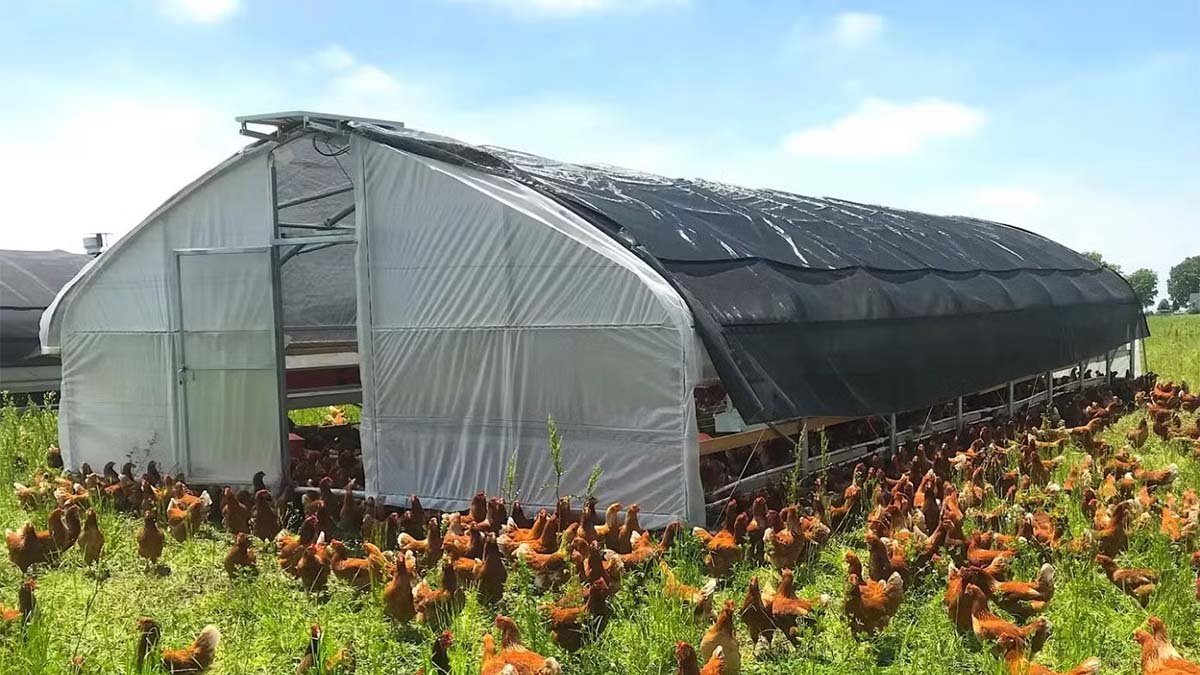
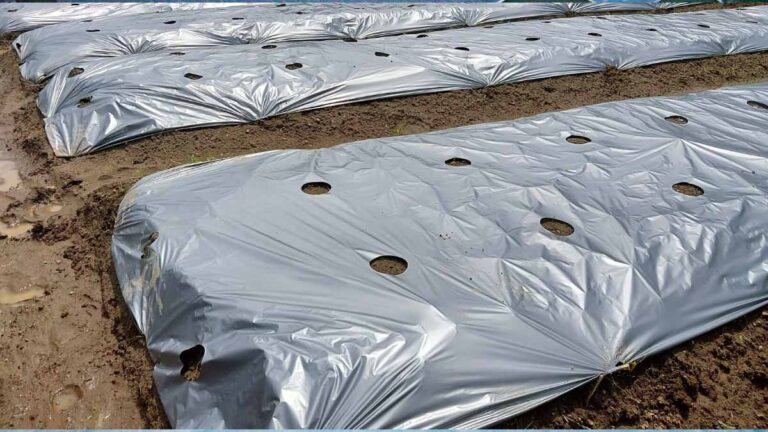
1. The Brilliant White Side (Cooling): If you wrap a poultry house in standard black plastic, the interior will absorb the sun’s energy, turning the building into an oven and killing the birds via heat stroke. The brilliant white layer of our Panda Film is engineered to reflect over 90% of incoming solar radiation. Field applications and our factory specifications show this high reflectivity can reduce the surface and interior temperature by a massive 5°C to 10°C during peak summer months.
2. The Opaque Black Side (Light Blocking): The black inner layer acts as a total light barrier, achieving 100% light deprivation. This gives you the power to plunge the house into pitch blackness at 2:00 PM to enforce mandatory resting periods, synthesizing melatonin and calming the flock.
3. Biosecurity & Easy Cleaning: Poultry houses are dusty and full of corrosive ammonia. Our PE film has a highly smooth, waterproof surface that easily withstands high-pressure washing and harsh chemical disinfectants between flocks, preventing the deadly carryover of pathogens like Salmonella.
Real-World ROI for Commercial Poultry Farmers
Let’s look at the financial impact. Why are commercial integrators and B2B distributors upgrading their supply chains to include heavy-duty (6 mil to 9 mil) Panda Film?
Performance Metric
Standard Open/Tarpaulin Housing
HONREL Black & White Panda Film
The Real-World Farm Impact
Light Blockage
50% – 80% (Shadowy/Dim)
100% (Total Blackout)
Allows precise photoperiod scheduling to drastically reduce ascites and mortality.
Summer Temperature
Dangerously High
Reduced by 5°C – 10°C
Massively lowers electrical costs for exhaust fans and evaporative cooling pads.
Feed Conversion (FCR)
Poor (Birds pace and fight)
Highly Optimized
Birds rest properly, converting expensive feed into breast meat, not nervous energy.
Puncture Resistance
Low (Tears easily in wind)
High Tensile Strength
Withstands extreme weather and mechanical cleaning equipment without ripping.
How to Install and Manage Panda Film
Having the best plastic from a reliable Agricultural PE film manufacturer won’t matter if it is installed incorrectly on the farm. Here are the expert best practices we recommend to our global distributors and farm contractors.
💡 Best Practice 1: Put the White Side Out
You must put the white side facing the sun. The black side faces the birds inside. The white side reflects heat away from the building. This keeps the house cool. If you put the black side out, the plastic gets very hot. Some farmers only flip the film in very cold winters. This helps the house stay warm and saves on fuel.
💡 Best Practice 2: Seal the Edges Tight
The film will not block all the light if the edges are loose. You should overlap the sheets by 12 to 18 inches. Use strong farm tape or metal wire to seal the seams. Even a tiny hole of light is bad. It makes the birds crowd together or peck at the bright spots. This film is easy to use to keep the house dark.
💡 Best Practice 3: Clean the Film Safely
You need to clean the house between flocks. Do not use hard brushes on the film. This can hurt the plastic. You should use foam cleaners and a power washer. Keep the water spray a few feet away. The surface of our film is very smooth. Dirt and waste wash off fast. This makes the plastic long-lasting
Integrating Agricultural Films for Total Farm Efficiency
Many commercial poultry operations also manage mixed agricultural systems.
These farms often combine:
poultry production
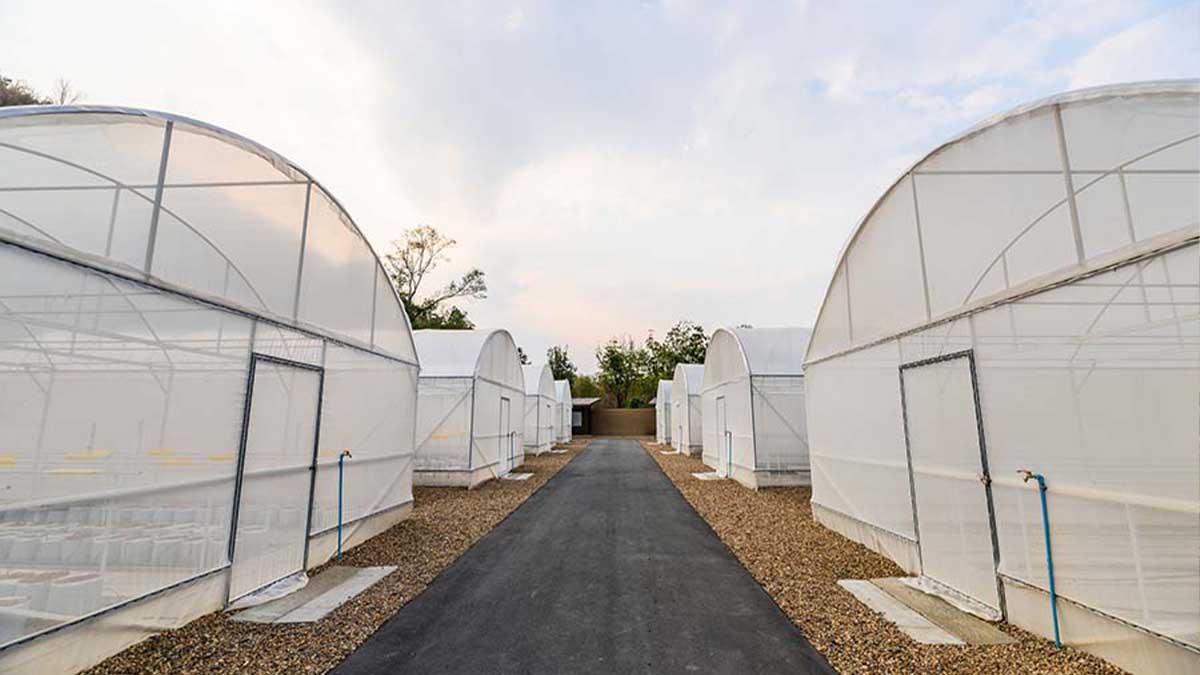
greenhouse vegetable cultivation
livestock feed production
The same multi-layer extrusion technology used in Panda Film is also applied across our full agricultural film range.
These solutions allow farmers to control microclimates across multiple operations.
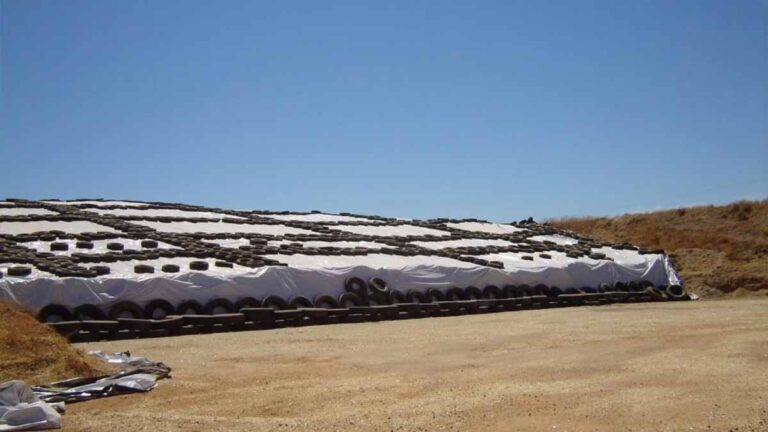
Nuestro multi-layer silage films create airtight anaerobic environments that preserve forage quality and prevent mold growth.
If you understand the immense value of controlling the microclimate inside a poultry house, you understand the value of controlling it over your cash crops or livestock feed.
By partnering with a single, factory-direct OEM manufacturer like HONRELAG, you guarantee polymer compatibility across your entire farming enterprise, secure bulk wholesale pricing, and achieve massive savings on combined ocean freight.
Preguntas frecuentes (FAQ)
Q1: How thick should Panda Film be for a commercial poultry house?
A: For temporary indoor partition walls or brooding drop-curtains, a 5 mil or 6 mil thickness is generally sufficient. However, if the film is exposed to outdoor elements (wind, hail) or serves as the primary blackout curtain on the outer sidewalls, we highly recommend upgrading to a 7 mil to 9 mil (180 to 220 micron) thickness. This provides the extreme tear resistance needed for long-term farm use.
Q2: How long will the PE film last before it breaks down from sun exposure?
A: Unlike cheap construction plastics that disintegrate and flake apart in 6 months, our premium Panda Films are heavily treated with advanced UV stabilizers. Depending on the thickness you choose and your specific geographical UV index, HONREL films are engineered to last 3 to 5 years in continuous, harsh outdoor exposure.
Q3: Is the plastic safe for the birds? Will it smell or leak chemicals when it gets hot?
A: Yes, it is safe. We make our films using only new resins. We do not use old waste plastic or heavy metals. The plastic does not let out bad smells or chemicals. It is safe for houses with birds, pigs, or cows.
Q4: Can I use Panda Film to make smaller sections in a big bird house?
A: Yes. Panda Film is very easy to move. It makes a great curtain for young birds. You can staple it to wood or hang it from wires. it stops drafts. This keeps the warm air near the baby chicks. It also stops them from wandering into cold parts of the house.
Q5: What is the smallest order for special sizes?
A: We sell direct from our factory. we do big orders for shops and large farms. We can make the width from 4 meters up to 20 meters. We cut the length to fit your building. This helps you save money and have less waste. Please tell us your sizes for a fast price.
Obtenga información directa de fábrica y consejos de cultivo
Seleccionar lo correcto Película de efecto invernadero o malla de sombra es fundamental para el éxito del cultivo. Como empresa dedicada Fabricante de redes y películas agrícolasNuestros expertos le ayudan a personalizar la protección UV y la transmisión de luz según su clima local. Comparta los detalles de su proyecto para una solución a medida.
AGRICULTURA HONREL Ingenieros de películas, redes y tuberías de goteo adaptados a su cultivo, clima y estructura: especificaciones, colores, etiquetado y embalaje, respaldados por dibujos y hojas de especificaciones.
Respuesta rápida y revisión rápida
Cotización rápida, revisión de especificaciones y muestras, y soporte práctico de ingeniería. Adaptamos las especificaciones y la documentación rápidamente para que su proyecto se ajuste a los plazos previstos.
Calidad y trazabilidad constantes
Formulaciones estabilizadas a la luz UV, control de calidad del proceso y comprobaciones de laboratorio para componentes ópticos y mecánicos, además de seguimiento a nivel de lote. Se ofrecen informes de COA y pruebas; el embalaje y el etiquetado para exportación están estandarizados.