Durable PE(Polyethylene) Greenhouse Film for Arid Regions
Standard plastic will not work in the desert. You need a film with five layers made for hot places. This film has special parts to block heat and keep dust off.
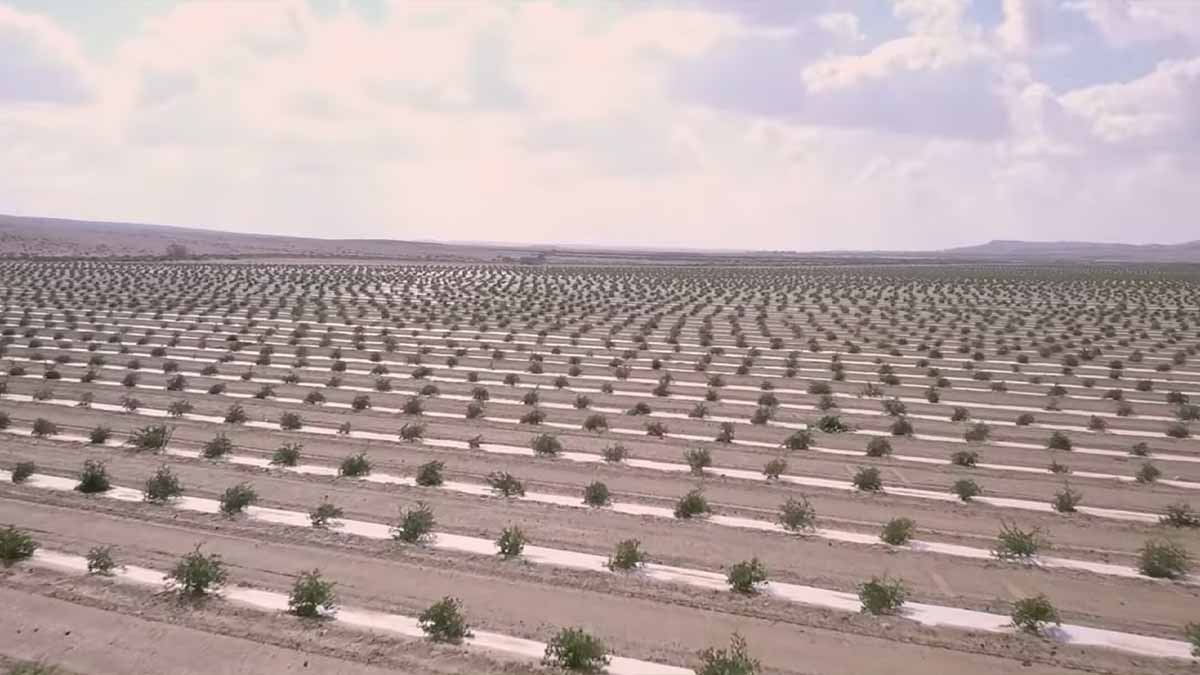
If you are farming in an arid region—whether it’s the scorching heat of the Middle East, the dry plains of Australia, or the deserts of North America—you know the pain of “plastic failure.” A grower installs a generic “UV resistant” film, and within 8 months, it yellows, cracks, and shatters in a dust storm.
Standard plastic will not work in the desert. You need a film with five layers made for hot places. This film has special parts to block heat and keep dust off
It keeps the inside of your greenhouse cool during the day. It also stops the film from getting dirty in the wind. It is easy to use and helps your plants stay healthy in the sun.This combination reflects heat to lower internal temperatures, prevents dust accumulation (which kills photosynthesis), and withstands high UV radiation (140-160 Kly/year).
In this guide, we will share our experience on why films fail in the desert and how to choose the right specs to protect your crop.
Índice
The Silent Killers of Greenhouse Film in Deserts
In arid regions, the environment attacks your greenhouse cover in three specific ways.
1. The Thermal Shock (IR Radiation)
In the desert, the sun is brutal during the day, but temperatures drop rapidly at night.
High IR radiation enters the greenhouse, cooking the plants and stressing roots. At night, that heat escapes instantly through standard PE, potentially freezing the crop.
Solution: We use IR Blocking additives. These block near-infrared heat from entering during the day (cooling effect) and trap long-wave infrared heat at night (thermal effect). This creates a stable microclimate, reducing the load on your cooling systems.
2. The Dust Factor
Dust is the enemy of yield. In dry regions, static electricity on plastic attracts dust like a magnet.
A dusty roof can reduce light transmission by 30-40%. Your plants starve for light, and yield drops significantly.
Solution: Nosso agricultural pe film manufacturer process involves a specialized outer layer with Anti-Dust technology. It creates a smooth, non-sticky surface that minimizes static charge, allowing wind or light rain to easily wash the dust away.
3. The Sulfur Trap (Pesticide Resistance)
To fight pests like mites and thrips in hot climates, growers often use sulfur burners or chemical sprays.
Sulfur deactivates standard UV stabilizers (HALS). This causes the plastic to turn acidic and degrade rapidly—often in under a year.
Solution: You must specify “Sulfur Resistant” film. We use Nickel-based quenchers or advanced stabilizers that are immune to chemical attacks, ensuring the film lasts its full warranty period.
Technical Specs You Need for Arid Zones
When ordering wholesale, vague terms like “strong” or “durable” won’t protect your investment. You need to speak the language of engineering.
Recommended Specifications for Desert Greenhouses
Recurso
Filme PE padrão
HONREL Arid-Spec PE
Benefits
Espessura
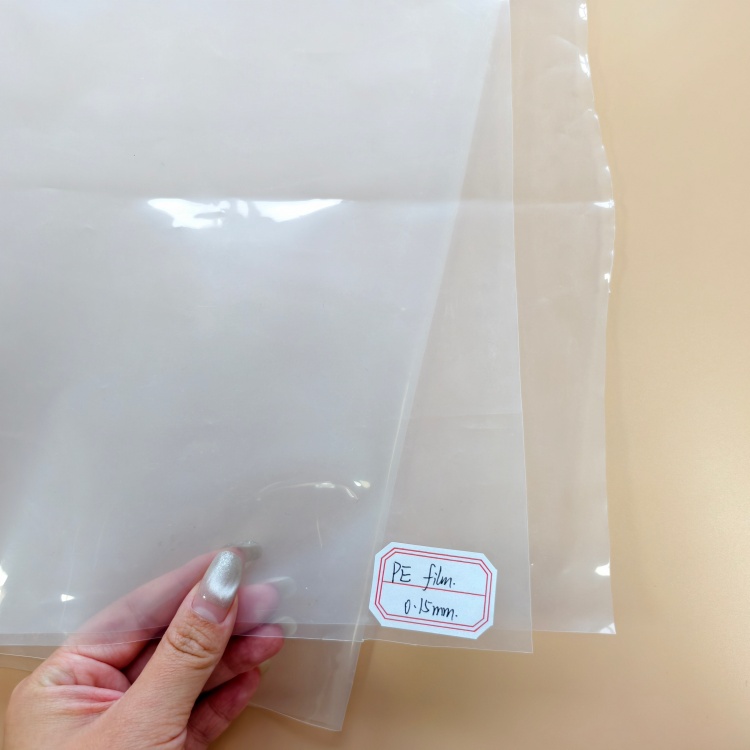
150 micron (6 mil)
200 micron (8 mil)
Higher resistance to sand abrasion and wind.
Light Diffusion
Low (<20%)
High (>50%)
Scatters light to prevent leaf scorching.
IR Blocking
None
Yes (Cooling Effect)
Lowers internal temp by 3-5°C.
Anti-Dust
No
Yes (Multi-layer)
Maintains high PAR (Photosynthetically Active Radiation).
UV Life
1-2 anos
3-5 Years (150 Kly)
Better long-term ROI.
Pro Tip: If you are growing high-value crops like tomatoes or peppers and need superior anti-drip properties, consider upgrading to our greenhouse po film. Polyolefin (PO) is stronger and holds anti-fog additives longer than PE, which is crucial if you have high humidity swings inside the greenhouse.
Case Study: Cooling a Pepper Farm in High Heat
Challenge: A client in a semi-arid region was struggling with “Blossom End Rot” in bell peppers. The extreme heat was causing rapid evaporation, and their clear film was letting in too much direct radiation.
HONRELAG Solution: We advised replacing the cover with HONRELAG 200-micron Diffused PE Film with IR Blocking.
The Results:
Temperature: Mid-day internal temperature dropped by 4°C compared to the outside ambient temperature.
Light: The high diffusion rate (60%) eliminated harsh shadows. Light reached the lower leaves, boosting photosynthesis.
Yield: Marketable yield increased by 15% in the first season because the plants were less stressed.
For maximum heat control, this client also installed our shade net (aluminet screens) internally to reflect even more heat during the peak of summer.
Installation: Don’t Ruin It on Day One
Installing film in a hot climate requires specific timing and care. A mistake here can reduce the lifespan of even the best film by half.
1. The “Warm Install” Rule
Polyethylene expands in heat. If you install it in the cool early morning and pull it tight, it will expand and sag when the noon sun hits (leading to wind flapping). Best Practice: Install during the warmer part of the day. Pull it taut. As it cools at night, it will tighten like a drum skin, preventing wind damage.
2. Protect the Contact Points
Steel frames in the desert get hot enough to fry an egg—and melt plastic. Best Practice: Paint the top of your arches white or use felt tape.
3. Ground Protection
Don’t let the film drag on the ground where sharp rocks or hot sand can damage it during installation. Best Practice: We recommend laying down woven ground cover around the perimeter. This keeps the film clean and safe, and later serves as effective weed control around the greenhouse.
Beyond the Film: A Complete System
The film is the roof, but the arid climate demands a full system approach for crop protection.
Ventilation: You need to keep bugs out while letting air in. Use high-mesh insect netting manufacturer grade screens on your side walls. It prevents thrips and whiteflies (common vectors in dry areas) from entering without blocking airflow.
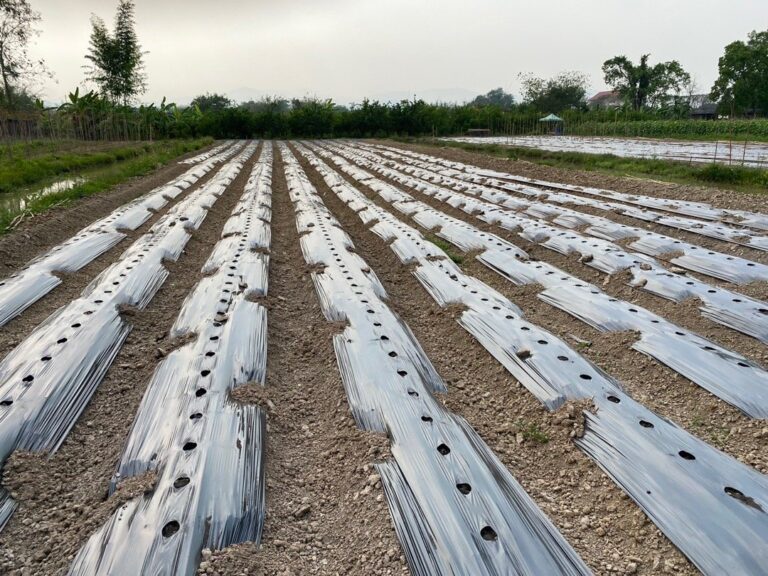
Soil Management: To keep soil moisture from evaporating in the heat, use filme de cobertura morta on your beds. This saves water and reduces the humidity load inside the greenhouse.
FAQ: Questions from Arid Region Growers
Q: Does diffused film mean less light for my plants?
A: No. This film scatters the light, but it still lets plenty of light through. Most of the light still reaches your crops. This makes the light work better because it hits the middle and the bottom of the plant. It does not just hit the top. This film is easy to use and long-lasting. It is perfect for shops and large farms.
Q: How often should I wash the film in a dusty area?
A: In dusty regions, we recommend washing the roof every month with plain water. Do not use detergents that can strip the anti-dust coating. Because our film has a specialized smooth surface, a simple water spray is usually enough to restore transmission.
Q: Can I use this film for hydroponics?
A: Absolutely. In fact, hydroponic systems are sensitive to water temperature. Using our IR-blocking film helps keep your nutrient solution reservoirs cooler, preventing root rot (Pythium).
Q: What if I need total darkness for light deprivation?
A: For light dep or mushroom farming, you should use our black and white panda film. It provides 100% opacity and the white side reflects heat to keep the structure cool.
Q: Is the 3-year warranty still good if it is very sunny?
A: This is a very important question for desert farms. A normal 3-year warranty is for places like Europe. In the desert, the sun is much stronger. The same film might break in 18 months in the Middle East or Arizona.
At HONRELAG, we look at how much sun hits your specific farm. We add more sun protection to the plastic. This makes sure the film lasts as long as we say it will. This film is long-lasting and perfect for shops.
Conclusion: Invest in Resilience
In the desert, nature is unforgiving. Buying cheap plastic is the most expensive thing you can do because you will have to buy it twice and pay for labor twice.
No HONRELAG AGRICULTURE, we understand the science of solar radiation and polymer degradation. Whether you need a container of high-tech PO film or standard high-durability PE, we have the formula that survives the sun.
Obtenha informações diretamente da fábrica e dicas de cultivo.
Selecionar o certo Filme de estufa ou tela de sombreamento é fundamental para o sucesso da colheita. Como um dedicado Fabricante de redes e filmes agrícolasNossos especialistas ajudam você a personalizar a proteção UV e a transmissão de luz de acordo com o clima da sua região. Compartilhe os detalhes do seu projeto para obter uma solução sob medida.
AGRICULTURA HONREL Engenheiros desenvolvem filmes, telas e tubos de gotejamento adequados à sua cultura, clima e estrutura — especificações, cores, rotulagem e embalagem — com base em desenhos e fichas técnicas.
Resposta rápida e revisão imediata
Orçamentos rápidos, aprovação de especificações/amostras e suporte técnico prático. Alinhamos especificações e documentação rapidamente para manter o cronograma do seu projeto em dia.
Qualidade consistente e rastreabilidade
Formulações estabilizadas contra raios UV, controle de qualidade do processo e verificações laboratoriais de óptica/mecânica, além de rastreamento em nível de lote. Certificados de análise/relatórios de teste disponíveis; embalagem e rotulagem para exportação padronizadas.