5-Layer Co-Extrusion Film | Wholesale Performance for Agriculture
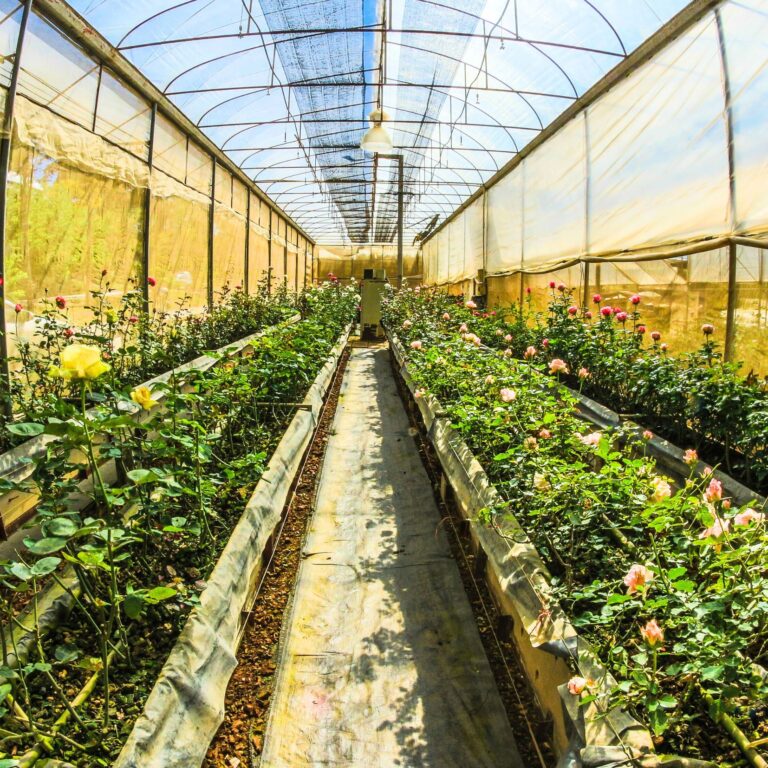
5-layer co-extrusion technology is separate conflicting chemical additives into independent layers, resulting in 30% to 50% higher mechanical strength, permanent anti-drip performance, and light transmission up to 95%.
5-layer co-extrusion technology is the only way to separate conflicting chemical additives into independent layers, resulting in 30% to 50% higher mechanical strength, permanent anti-drip performance, and light transmission up to 95%.
By moving away from monolayer or 3-layer films, At HONREL AGRICULTURE, we’ve seen growers switch to 5-layer Greenhouse Film and cut their labor costs in half because the film lasts 5 to 7 years instead of two. In this guide, we will break down the technical ROI, the science of the “sandwich” structure, and why this is the only logical choice for distributors and commercial farms in 2026.
Table of Contents
1. Why 5-Layer Technology is the “Super Armor” of Modern Farming
Let’s be honest: in a 3-layer film, you are forcing UV stabilizers, anti-drip surfactants, and thermal IR-blockers to live in the same space. These chemicals often “fight” each other. This is known in the industry as additive interference. When they fight, they “bloom” (create a white powdery residue) or leach out too fast, meaning your anti-drip fails in six months.
With our 5-layer co-extrusion process, we isolate these additives. We put the “anti-dust” properties on the outside, the “strength” in the core, and the “anti-drip” on the inside. This ensures that every layer does exactly what it was engineered to do for the entire life of the film.
According to research from the International Society for Horticultural Science (ISHS), multi-layer films that optimize spectral transmission can boost vegetable yields by as much as 20% compared to standard PE films.
The Metallocene Factor
In a 5-layer stack, we can use 100% pure Metallocene LLDPE in the core layers. This resin acts as the “skeleton” of the film. It provides incredible dart impact resistance and tensile strength. For a wholesaler, this means fewer complaints about tearing during high-wind events or mechanical installation.
2. What’s Inside a 5-Layer Greenhouse Film
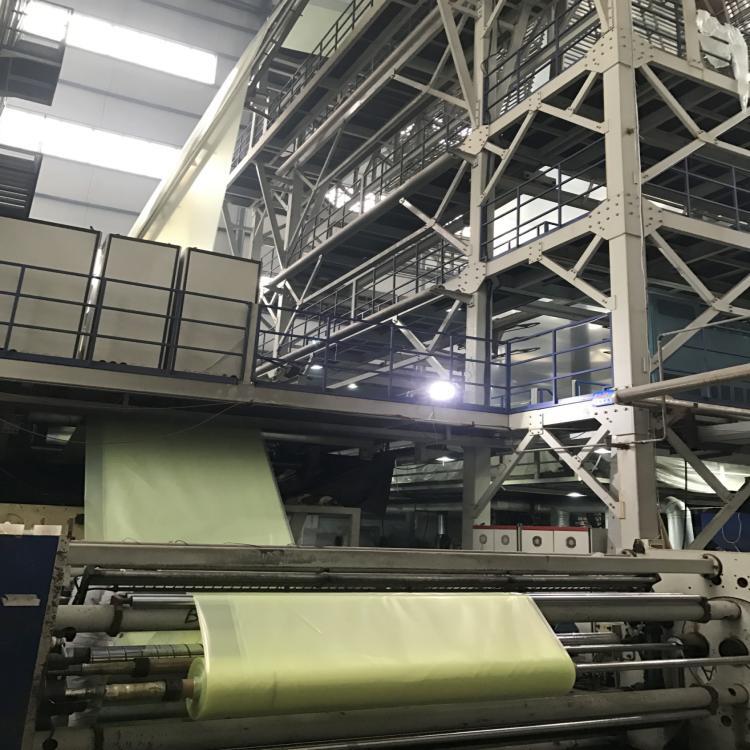
As a leading Agricultural PE Film Manufacturer, we don’t just blow plastic; we engineer it. Here is how a typical 5-layer performance film is structured:
Layer 1 (Outer – The Shield): High-density resins with anti-static additives. This ensures dust and sand wash away with rain, keeping your light transmission high.
Layer 2 (UV Filter): A concentrated UV-absorber layer that protects the inner structural layers from the sun’s degradation.
Layer 3 (Core – The Skeleton): Metallocene-rich resins for extreme tear and puncture resistance. This is where the 50% strength boost comes from.
Layer 4 (Thermic): EVA or IR-blocking minerals that trap long-wave radiation (heat) inside at night.
Layer 5 (Inner – The Microclimate): Our permanent nano-coating for anti-drip and anti-mist. This turns droplets into a thin sheet of water.
The KLY (Kilolangley) RatingNever buy a “standard” film for a global market. A film designed for 100 KLY (like Northern Europe) will disintegrate in 18 months in a 180 KLY zone like Arizona or Spain. We always recommend that distributors specify the destination region so we can tune the UV stabilizers in Layer 2 to match the local solar radiation levels.
3. Comparison Table: 3-Layer vs. 5-Layer Performance
If you are presenting a quote to a commercial farm, you need to show the data. Here is the technical reality:
Technical Feature
Traditional 3-Layer Film
Advanced 5-Layer Film
Impact on Your Yield
Tensile Strength
18 – 22 MPa
25 – 35+ MPa
Survives high winds/snow
Light Transmission
88% – 90%
92% – 95%
Faster photosynthesis
Anti-Drip Lifespan
6 – 12 Months
3 – 5+ Years
Drastically lower rot/mold
Gauge Uniformity
+/- 10%
+/- 3%
No “thin spots” that tear
Service Life
2 – 3 Years
5 – 7 Years
50% lower labor cost
Data synthesized from HONREL Internal Labs and Infunplastic 2026 Technical Datasheets.
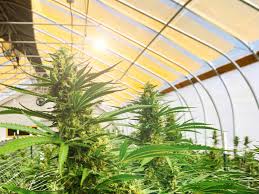
For growers who require peak precision, we suggest moving toward PO Greenhouse Film. The 5-layer PO structure is specifically designed for high-value crops like berries and medicinal cannabis where light quality is non-negotiable.
4. Why the Higher Price Makes Sense
We often talk to B2B buyers who are worried about the initial CAPEX. But let’s look at the “Total Cost of Ownership.”
Replacing a greenhouse cover is a labor-intensive nightmare. If you buy a cheap film that fails in two years, you have to pay a crew to re-skin the entire range. If you buy a 5-layer film that lasts six years, you have saved two entire cycles of labor and downtime.
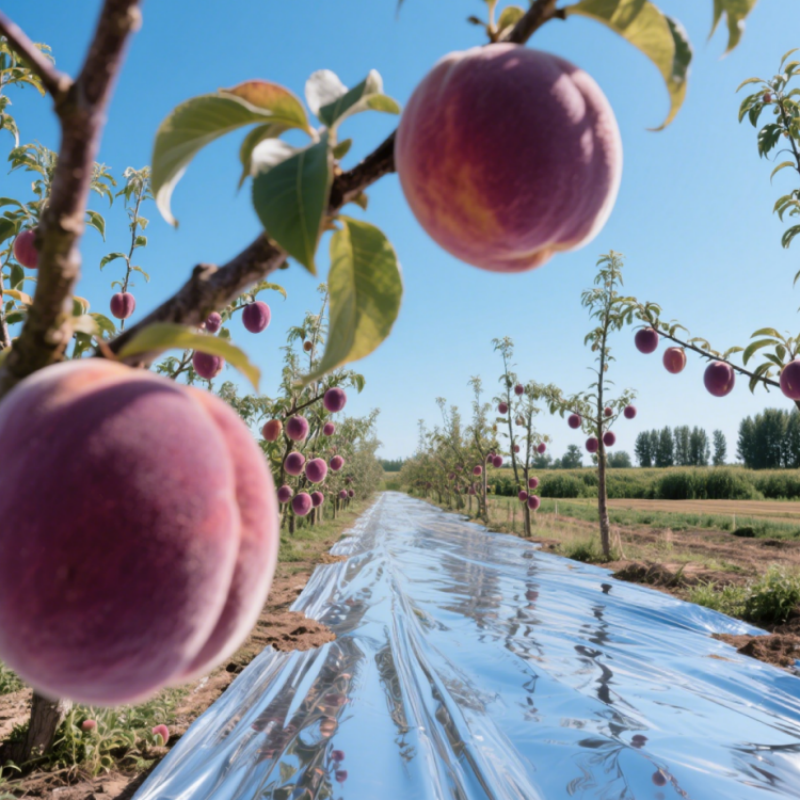
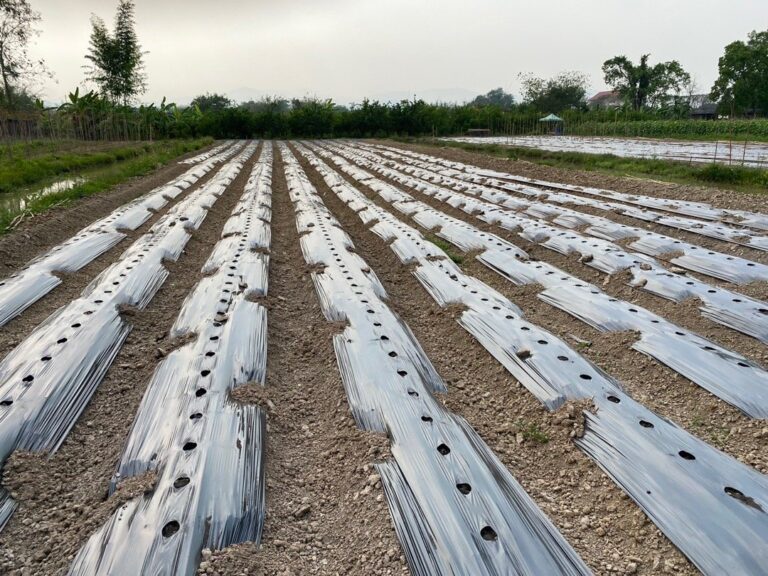
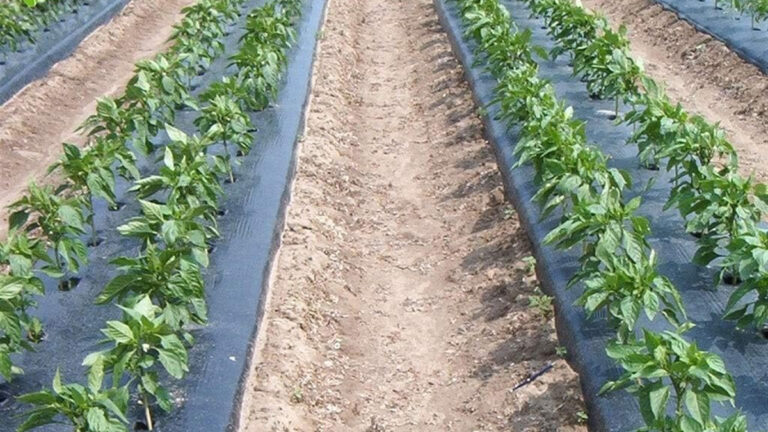
Furthermore, 5-layer films are not just for roofs. We apply the same technology to our Mulch Film production. By using multi-layer co-extrusion in mulch, we can create a film that is thinner (saving you money on weight) but stronger (so it doesn’t tear when the tractor lays it). If you are looking for a Wholesale Mulch Film Manufacturer, always ask about their layer count.
Best Practice: The Tensioning SecretWhen installing 5-layer film, tension it on a calm morning between 15°C and 25°C. Because these films contain Metallocene, they have a “memory.” If you overstretch them in the heat, they won’t contract properly when it cools down. this prevents “fluttering,” which is the cause of mechanical wear against the frame.
5. Beyond the Greenhouse: Silage and Fodder Protection
The performance of 5-layer technology isn’t limited to light transmission. For our dairy and livestock clients, we utilize this same machinery to produce Silage Film.
In silage, the goal is an oxygen-free environment. A 5-layer co-extrusion silage wrap provides a superior oxygen barrier compared to 3-layer versions. This ensures that the fermentation process is perfect, preventing spoilage and keeping the nutritional value of the fodder at its peak.
Research from Penn State Extension shows that high-quality oxygen-barrier films can reduce dry matter loss by up to 5%, which translates to thousands of dollars in saved feed for large herds.
6. Wholesale & OEM: Customizing for Your Market
At HONREL AGRICULTURE, we understand that a distributor in Australia has different needs than one in Canada. This is where our OEM capability shines.
Custom Light Diffusion: We can adjust the “haze” from 20% to 80%. This is vital for “tall” crops like tomatoes where you need light to penetrate deep into the canopy without scorching the top leaves.
Anti-Sulfur Resistance: If your clients use sulfur burners for pest control, standard plastic will turn brittle in months. We can add specific “Anti-Sulfur” layers to our 5-layer stack to protect the UV stabilizers from chemical attack.
Bulk Logistics: For our Agricultural Netting and film orders, we optimize container loading to ensure your wholesale margins remain high.
FAQ: What Our Wholesale Partners Ask Us
Q1: Is 5-layer film harder to install because it’s “stiff”?
A: Actually, it’s the opposite. Because we use Metallocene, the film is more flexible and “elastic.” It’s much easier to pull over a large structure without it snapping or creaking.
Q2: Why is my anti-drip film still dripping?
A: There are two common reasons. First, check your roof slope; it needs to be at least 15–20 degrees. Second, check if you installed it upside down! The nano-coating is only on the inner layer (Layer 5). We mark the “inside” of every roll clearly.
Q3: Can I use 5-layer film for a seasonal low tunnel?
A: You can, but it might be overkill. For seasonal low tunnels, a high-quality Mulch Film or a standard PE film is usually enough. 5-layer technology is best utilized for permanent structures where longevity is the goal.
Q4: Does the film interfere with bumblebees?
A: Only if it’s a UV-block film. If you use bees for pollination, we can manufacture a “UV-Open” 5-layer film that allows the specific spectrum bees need for navigation, while still protecting the plastic from aging.
Q5: What is the typical lead time for a wholesale container?
A: We typically run a 3–4 week production cycle for custom OEM orders. For standard 150-200 micron films, we often have stock ready for immediate shipment.
Summary: The HONREL 5-Layer Advantage
The agricultural world is moving faster than ever. To remain competitive as a distributor or a commercial farmer, you need materials that work as hard as you do.
By choosing HONREL AGRICULTURE‘s 5-layer co-extrusion products, you are getting:
Strength that survives the storm.
Clarity that feeds the plant.
Longevity that saves your labor budget.
Whether you are looking for the best PO Greenhouse Film for a new cannabis project or a massive bulk supply of Silage Film for a dairy cooperative, our 5-layer technology is the answer.
Get Factory-Direct Insights & Growing Tips
Selecting the right Greenhouse Film or shade mesh is critical for crop success. As a dedicated Agricultural Netting and Film Manufacturer, our experts help you customize UV protection and light transmission based on your local climate. Share your project details for a tailored solution.
HONREL AGRICULTURE engineers films, netting, and drip pipe to your crop, climate, and structure—specs, colors, labeling, and packaging—backed by drawings and spec sheets.
Fast Response & Quick Proofing
Rapid quoting, spec-sheet/sample proofing, and practical engineering support. We align specifications and documentation quickly to keep your project timeline on track.
Consistent Quality & Traceability
UV-stabilized formulations, process QC, and lab checks for optics/mechanics—plus lot-level tracking. COA/test reports available; export packing and labeling are standardized.