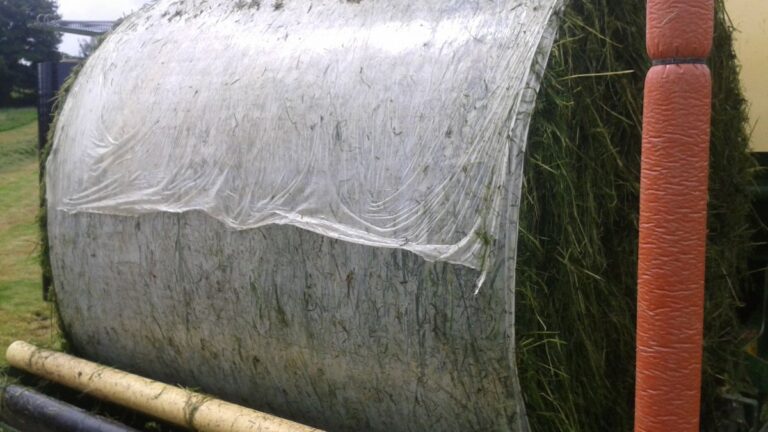


Silage is essentially "pickled" forage. When you wrap a bale, your primary goal is to seal out 100% of the oxygen. When oxygen is eliminated, naturally occurring lactic acid bacteria thrive. They consume the plant sugars, convert them into lactic acid, and drop the pH of the bale to a stable level, preserving the feed indefinitely.

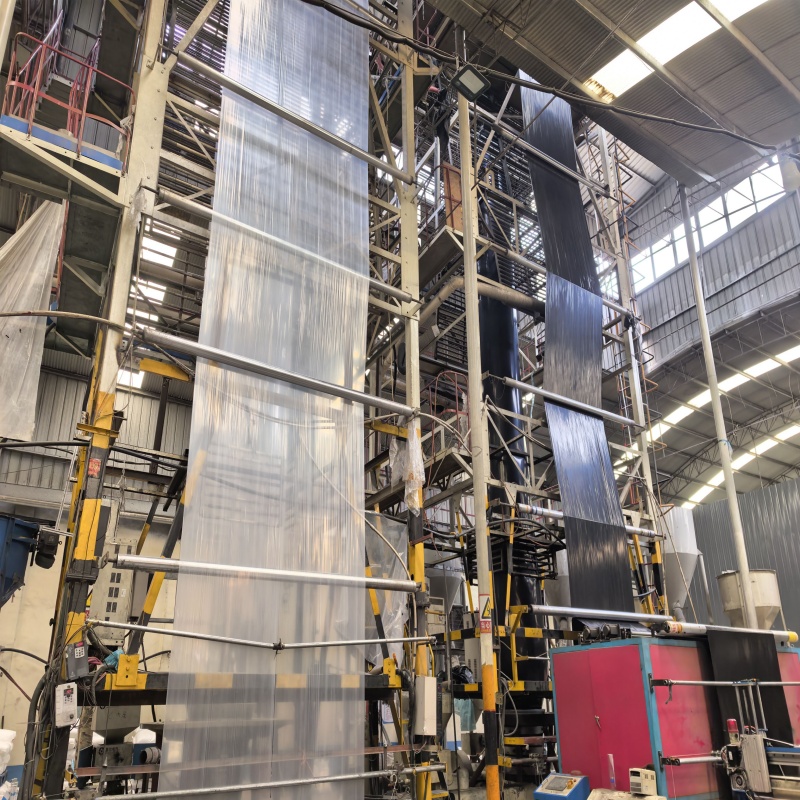
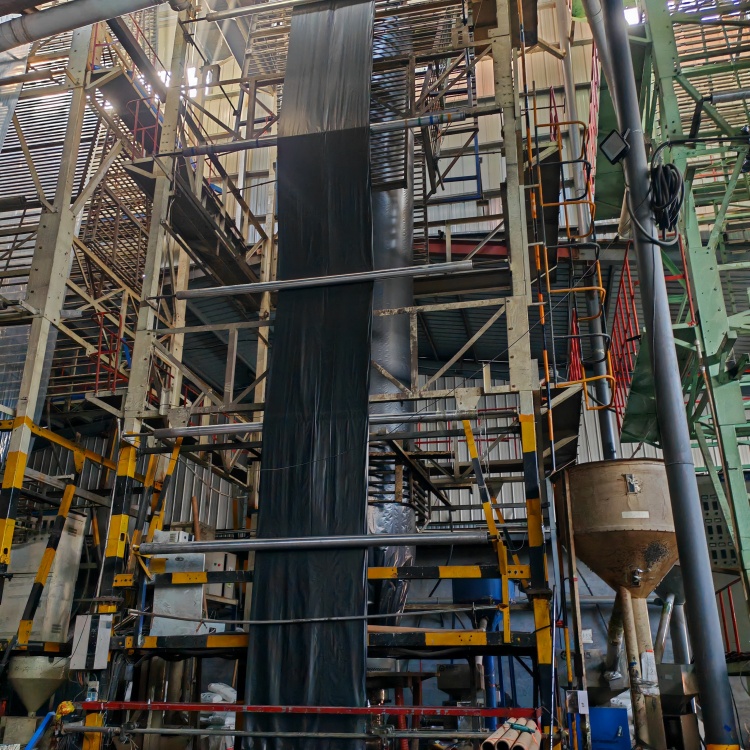
We make this film with five to seven layers of special plastic. This film stays soft and keeps the air out even at -20°C. It stops your bales from freezing or rotting. This means you lose much less food. Your cows and sheep get high-protein feed all winter. This film is long-lasting and perfect for shops. It is easy to use and keeps the feed fresh.

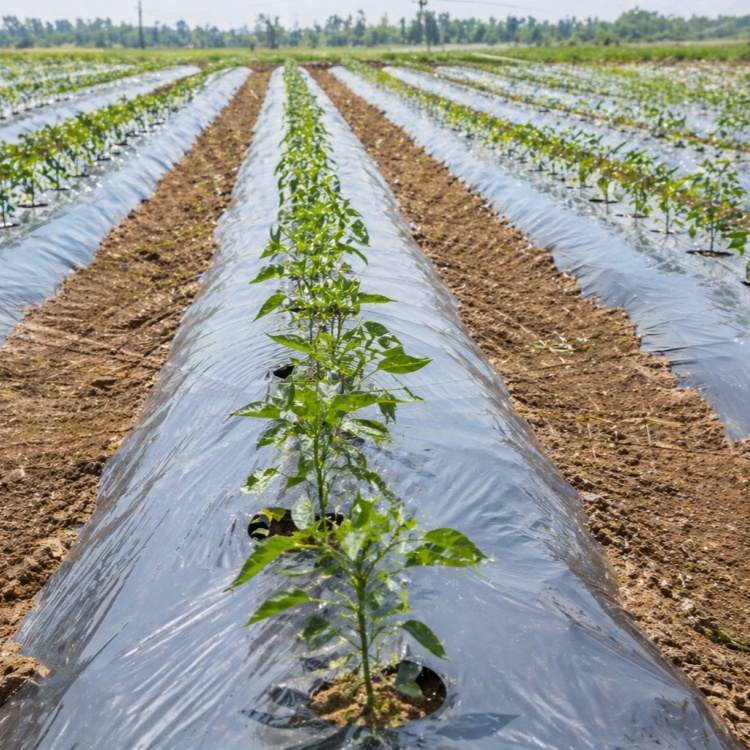
We don't just sell plastic rolls; we engineer the polymer formulas that solve actual field bottlenecks. In this comprehensive guide, we are going to look at the verified agronomic data behind root zone cooling, explain why standard plastics destroy summer crops, and show you exactly how to maximize your farm's ROI.

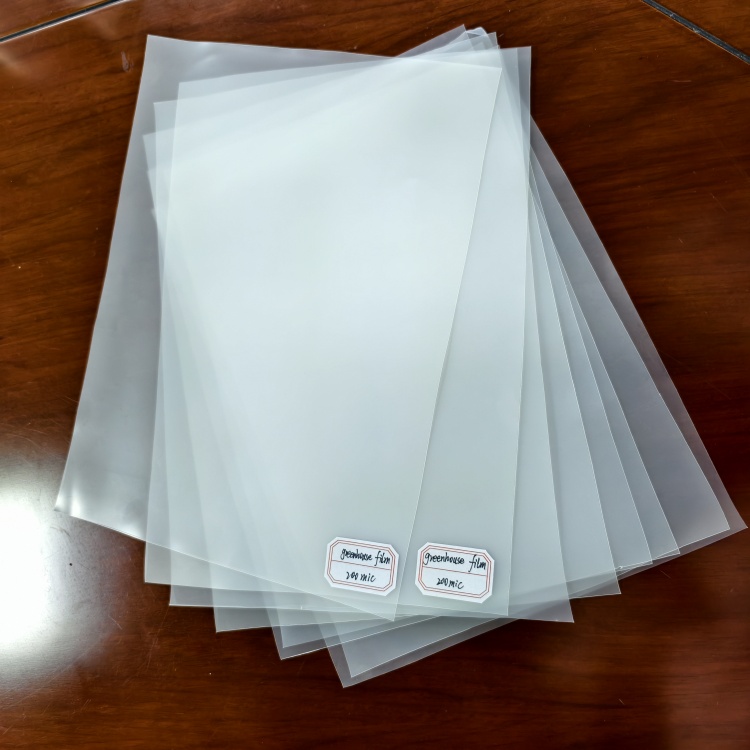
PE greenhouse film for commercial nurseries and seedling production. Select film by crop cycle, light conditions, greenhouse structure and installation needs.

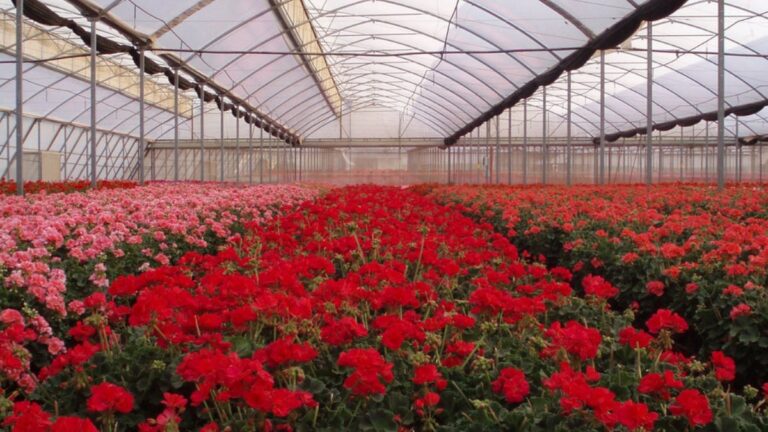
Large cut-flower buyers need consistent stem quality and predictable harvest timing, so the film cannot be selected only by thickness or price. The specification must match crop value, greenhouse structure, climate exposure, and replacement schedule.

It is better control of condensation, light distribution, film aging, and replacement risk across export production blocks. For large exporters, film specification should be linked to export-grade quality targets, rejection causes, and shipment schedules.

A cold region may require better condensation control and thermal retention. The correct film is the one that fits the growing environment and the project’s service-life target, not the one with the longest feature list.