لا تقلق، اتصل بمديرك فوراً
لا تتعجل في إغلاقها الآن، من فضلك تحدث إلى مديرنا مباشرةً. عادةً ما يتم الرد خلال ساعة واحدة.
أغشية الدفيئة والشبكات الزراعية
شريكك العالمي في حلول الزراعة في البيوت الزجاجية.
نستخدم بروتوكول SSL/3.0 لتشفير خصوصيتك

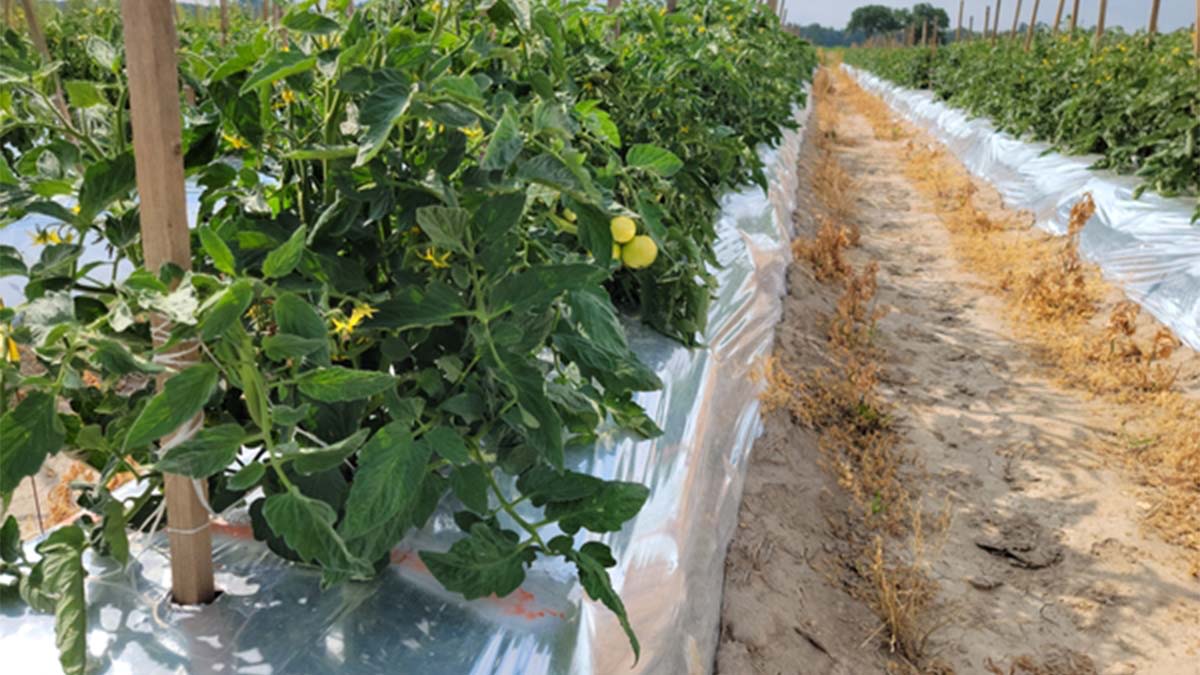
المفتاح للنجاح الزراعي هو مطابقة لون الفيلم، والعرض، وقوة الشد، وفترة بقاء الحقل مع خطة المحاصيل الخاصة بك.
إذا كنت تدير مزرعة فلفل حلو تجارية، فأنت تعلم بالفعل أن المن والتربس ليست مجرد آفات مزعجة—إنها في الأساس إبر طائرة قذرة تنشر أمراضًا مدمرة مثل فيروس موزاييك الخيار (CMV) وفيروس بقعة الطماطم عبر حقل مزرعتك بالكامل في غضون أيام قليلة. يختار زراع الفلفل الحلو باستمرار فيلم النشارة الانعكاسية الفضية والسوداء عندما يحتاجون إلى تقليل الأعشاب بشكل صارم، والحفاظ على نظافة صفوف الثمار، والدفاع الثقافي القوي ضد الضغط المبكر للآفات.
المفتاح لنجاح الزراعة هو توافق لون الفيلم، وعرضه، وقوته الشد، ومدة بقاءه في الحقل مع خطة المحاصيل الخاصة بك. في شركة HONREL AGRICULTURE، نحن لا ندفع فقط البلاستيك العام. نحن ننظر إلى دورة المحاصيل الخاصة بك، والمناخ، وطريقة التركيب، وتكاليف الاستبدال قبل أن نوصي بفيلم. يمكن أن يصبح لفة البلاستيك الرخيصة بسرعة أكبر خطأ مكلف إذا تمزق مبكرًا، أو حجب الضوء الخاطئ، أو لم تتناسب مع معدات الأرض الخاصة بك.
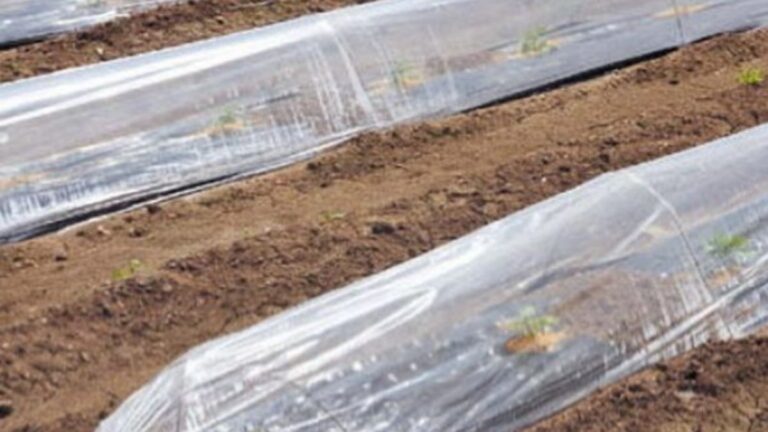
استخدام غطاء أرضي عالي الأداء هو الخيار الصحيح عندما تحتاج إلى حل زراعي عملي يعالج مشكلة حقل واضحة وقابلة للقياس. بالنسبة لهذا الموضوع المحدد، التحدي الرئيسي هو العثور على مورد موثوق لفيلم نشارة الفلفل الحلو. مورد فيلم النشارة الذي يفهم الزراعة وراء البلاستيك. نحن عادة ما نبدأ بتحليل جدول المحاصيل، وأنماط الطقس المحلية، وما إذا كانت مجموعة المزرعة الخاصة بك تستخدم التركيب اليدوي، أو الآلات التي تجرها الجرارات، أو مشابك البيوت الزجاجية، أو الإطارات الثابتة.
معظم المشترين الذين يبحثون عن غشاء التغطية الفضي الأسود مورد لا يبحثون عن محاضرة كيمياء معقدة حول روابط البوليمر. إنهم يريدون أن يعرفوا ما إذا كان الفيلم سيقلل فعليًا من المشكلات في الحقل، وكم من الأشهر سيدوم تحت الشمس القاسية، وما هي المواصفات الدقيقة التي يجب كتابتها في الفاتورة الأولية. من خلال تجربتنا الواسعة، فإن أقوى نية شراء تأتي عادة من:
أفضل خطوة أولى لأي مشتر هي تحديد المشكلة في الحقل بجملة واحدة. على سبيل المثال: هل تحتاج إلى تقليل فقد الحرارة ليلاً، أو التحكم في الأعشاب الضارة، أو تحسين مقاومة التمزق، أو عكس ضغط الآفات.. بمجرد تعريف المشكلة بوضوح، يصبح بناء مواصفات الفيلم أسهل بكثير.
لماذا لا تستخدم مجرد البلاستيك الأسود القياسي؟ وفقًا للدراسات الميدانية وبيانات الإرشاد الزراعي، تستخدم الحشرات مثل المنّ، والثربس، وذباب البيض الفضي الضوء فوق البنفسجي المستقطب من السماء للتنقل والتوجيه. عندما تطبق سطحًا يعكس الفضة، يرتد الضوء فوق البنفسجي من الأرض. هذا يعقد تمامًا أنظمة تنقل الحشرات، مما يمنعها من الهبوط على الشتلات الخاصة بك ونقل الفيروسات.
علاوة على ذلك، يوفر المهاد الفضي تأثير تبريد أساسي. لأن الطبقة العليا تعكس الحرارة الحرارية بعيدًا عن الأرض، فإن درجات حرارة التربة تحت المهاد الفضي العاكس بشدة تكون عادةً أقل بمعدل 5°F إلى 8°F مقارنةً بالبلاستيك الأسود القياسي. نظرًا لأن محاصيل الفلفل تنخفض بشكل ملحوظ عندما تتجاوز درجات حرارة منطقة الجذر 81.5°F (27.5°C)، فإن هذا التأثير التبريدي يمنع إجهاد الحرارة وسقوط الأزهار الذي يعاني منه حصاد الصيف.
قبل أن تقوم بعمل طلب كبير أو توقيع عقد، تحتاج إلى تأمين المواصفات الفيزيائية. إليك ما نتcheck مع كل عميل:
| المواصفات | لماذا يهم لمزرعتك |
| جودة السطح الفضي | تؤثر على معدلات انعكاس الأشعة فوق البنفسجية، وفعالية إرباك الآفات، والأداء العام في الحقل. |
| عتامة الأسود | يضمن حجب 100٪ من الضوء لوقف إنبات الأعشاب الضارة العنيدة تحت الفيلم. |
| مطابقة عرض السرير | يجب أن تناسب بشكل مثالي أسرتك المرتفعة وتغطية الكتفين لتجنب تمزق المادة المهملة. |
| سمك الفيلم | تحدد مقاومة الثقب أثناء وضع الآلات الزراعية ومرور العمال في الحقل. |
| حزمة استقرار الأشعة فوق البنفسجية | تحدد عدد الأشهر التي سيستمر فيها الفيلم قبل أن يتعرض للتفكك والتجزئة تحت أشعة الشمس. |
| توافق شريط التنقيط | يضمن أن الفيلم يستقر بشكل مستوي، ويحافظ على التوتر، ولا يتداخل مع الري تحت السطح. |
بالنسبة للطلبات الكبيرة، يجب علينا أيضًا تأكيد وزن الأسطوانة، وحجم اللب الداخلي، وحدود تحميل البضائع، ولغة الملصقات، وما إذا كان المشتري يحتاج إلى تعبئة محايدة أو علامة تجارية خاصة مخصصة.
أفضل ممارسة 1: مطابقة وظيفة الفيلم مع مشكلة المحصوللا تختار الفيلم بناءً على اللون أو السعر وحده. غالبًا ما يتم اختيار المالت الأسود فقط لحجب الأعشاب الدالة على التربة في الربيع. يعتبر الفيل الأسود-الفضي خيارك الأمثل عندما يكون الانعكاس وضغط الآفات مهمين. إذا كنت تغطي سقف هيكل، فإن film يتم اختياره لتغطيه اقتصادية، بينما يتم اختيار film عندما تكون جودة الأداء البصري الممتاز، ومقاومة التجمع الدائمة، وجودة الغطاء لعدة سنوات هي الأولوية.
عندما يرسل لنا المشتري طلبًا لمورّد فيلم من المالت الفلفل، لا نبدأ بدفع أغلى فيلم وأكثر سمكًا نصنعه. بدلاً من ذلك، نسأل عن نوع المحصول، تاريخ الزراعة، تاريخ الحصاد، المناخ الإقليمي، نوع الدفيئة أو حجم السرير، وطريقة التركيب. تخبرنا هذه التفاصيل ما إذا كان المشتري يحتاج إلى مقاومة ثقوب أقوى، أو تحكم بصري أفضل، أو عمر UV أطول، أو سهولة في التركيب الآلي، أو عبوات أكثر ملاءمة للبيع بالتجزئة.
يتضمن ملف المشروع البسيط عادةً صورًا للحقل أو الدفيئة، عرض اللفة المستهدف، طول اللفة المستهدف، كمية الطلب المتوقعة، وأي مرجع للتغليف. إذا كان المشتري يستبدل فيلمًا حاليًا، نسأل عن السمك، وزن اللفة، وما الذي فشل أولاً. أحيانًا كان الفيلم القديم ذو مقاومة UV ضعيفة وانكسر في منتصف الموسم. أحيانًا تمزق عند الحافة لأن الفيلم كان رقيقًا جدًا لجهد آلة التركيب. أحيانًا كان اللون صحيحًا، لكن الشفافية السوداء كانت ضعيفة جدًا لمنع الأعشاب.
نوصي بشدة باختبار عينة من اللفة للتمدد تحت التوتر، ومقاومة الثقب، وإغلاق التربة، وجودة اللف، وطريقة التنظيف قبل الالتزام بطلب حاوية شحن كاملة.
بالنسبة للمزارع التجارية، فإن التكلفة الأولية للفيلم هي فقط جزء واحد من المعادلة الكلية. العمل، ووقت الآلة، وتأخير المحصول، وإعادة تغطية الأسرّة الممزقة، والتخلص في نهاية الموسم كل ذلك مهم. الفيلم الذي يوفر لك بعض السنتات عند الشراء يمكن أن يخلق بسهولة آلاف الدولارات في تكاليف العمل الإضافية إذا انكسر باستمرار أثناء التركيب. ولهذا السبب بالذات نفضل مناقشة المواصفات قبل اقتباس الحاويات.
مثال على سير عمل المشروع:
| عنصر QC | ما الذي نتحقق منه | لماذا يهتم المشترون |
| السُمك | متوسط تقييم الميكرون والتحمل عبر اللفافة | يحدد القوة المادية، والسعر، ومدة الحقل. النقاط الرفيعة تسبب تمزقات في الحقل. |
| العرض | العرض الفعلي القابل للاستخدام | يجب أن تتطابق مع الأسرة المرتفعة، هياكل البيوت الزجاجية، أو المطالبات التجارية. |
| السطح البصري | انعكاس فضي موحد وعتامة كاملة. | يؤثر على ردع الآفات، قدرات التعتيم، أو بيئة المحصول. |
| التدوير | شدة اللفة ونظافة الحواف | يقلل من التمزق أثناء التركيب ويمنع الضرر أثناء النقل. |
| التعبئة | قوة الكرتونة، سلامة المنصة، الملصق، وعلامة الشحن. | يحمي المنتج من الرطوبة ويدعم توزيع المخازن السلس. |
نجعل من المعتاد الاحتفاظ بعينات من كل دفعة إنتاج. إذا أبلغ المشتري لاحقًا عن مشكلة في الحقل، فإن العينات المحتفظ بها تجعل من السهل للغاية مقارنة المنتج الذي تم شحنه بالمواصفة المعتمدة. وهذا أمر بالغ الأهمية خاصة للطلبات الجملة المتكررة، لأن الطلبات الثانية والثالثة يجب أن تؤدي تمامًا مثل الدفعة المعتمدة الأولى.
1. الشراء فقط بناءً على السماكة:
السماكة مهمة، لكنها لا تشرح كل شيء. يمكن أن يؤدي فيلم مصوغ جيدًا بمزيج الراتينج الصحيح، والجودة العالية من مواد الألوان، وحزمة UV من الدرجة الممتازة، والسيطرة الصارمة على اللف إلى أداء أفضل بكثير من فيلم أكثر سماكة مصنوع من راتينجات معاد تدويرها رخيصة ورقابة عملية ضعيفة.
2. نسخ مزرعة أخرى بلا تفكير:
يمكن أن تفشل المواصفات التي تعمل بشكل مثالي في منطقة باردة وغائمة تمامًا في منطقة صحراوية حارة وعالية الإشعاع. يجب عليك ضبط حزمة UV ولون الفيلم ليتناسب مع المناخ الدقيق الخاص بك.
3. تجاهل الإزالة والتعامل بعد الموسم:
إذا كان الفيلم الذي تشتريه ضعيفًا جدًا، فستصبح عملية الإزالة بعد الحصاد كابوسًا بطيئًا وفوضويًا حيث تتفتت البلاستيك إلى التربة. إذا كانت اللفة ثقيلة جدًا، قد يواجه العمال في المخازن والحقول صعوبة في التعامل معها، مما يبطئ الزراعة.
يعمل الطلب بالجملة بشكل أفضل عندما يقدم المشتري مواصفات المنتج ومواصفات الأعمال. تخبر مواصفات المنتج مصنعنا بكيفية صنع الفيلم. تخبر مواصفات الأعمال مصنعنا كيف يجب أن يصل، وكيف يجب تخزينه، وبيعه، واستخدامه. على سبيل المثال، قد ترغب مزرعة فلفل كبيرة في الحصول على لفات ضخمة وثقيلة للإنتاج المستمر باستخدام الآلات، بينما قد يرغب موزع التجزئة الزراعي في الحصول على لفات أصغر وأخف مع ملصقات مخصصة وصناديق عرض.
بالنسبة لطلبات الحاويات، يجب على المشترين تأكيد قطر اللفة، وقوة اللب (لضمان عدم سحقها تحت الوزن)، وارتفاع البالتات، وحجم الكرتون، وطريقة التحميل. تؤثر هذه التفاصيل بشكل كبير على تكلفة الشحن وفعالية التعامل مع المخزن.
تعتبر فترة الانتظار أيضًا مهمة جدًا. الفيلم الزراعي موسمي بشكل كبير. من يطلب في وقت متأخر قد يستلم الفيلم بعد إغلاق نافذة الزراعة. نوصي بشدة بالتخطيط للطلبات بالجملة قبل بداية الموسم، وخاصة للألوان والعرض والسماكة والتعبئة الخاصة. يمنحنا التخطيط المبكر الوقت الكافي لأخذ العينات، وتأكيد الملصقات، والإنتاج، وتحميل الحاويات، والتخليص الجمركي، والتسليم الداخلي.
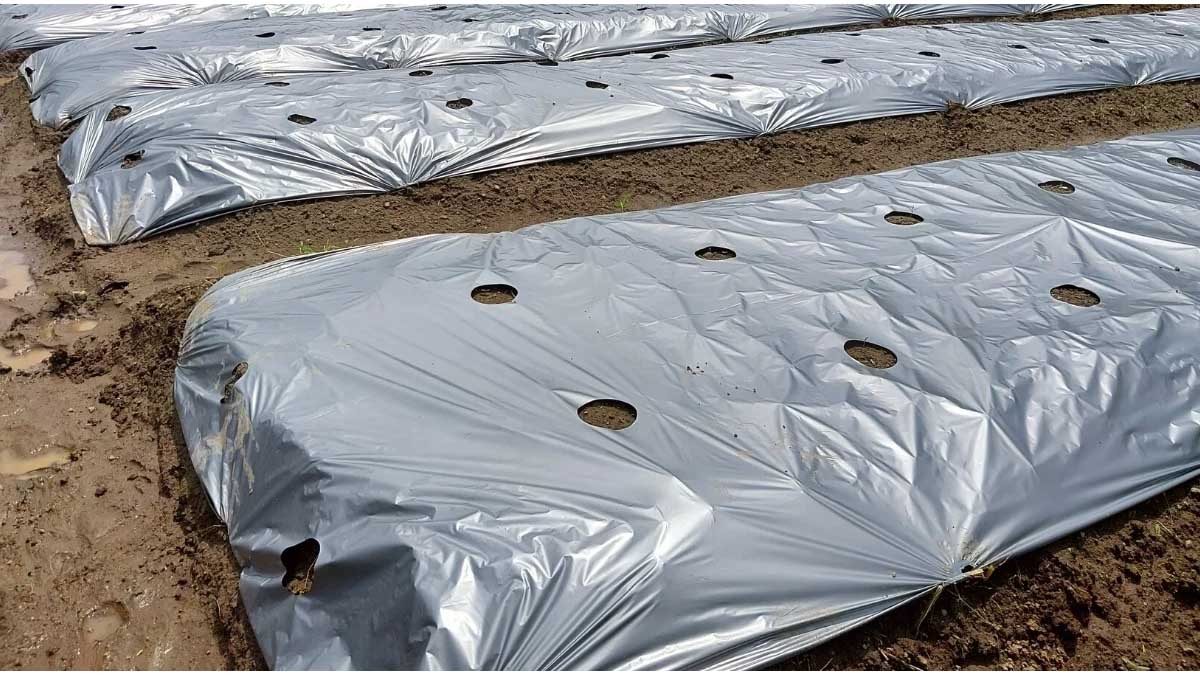
إذا كنت لا تزال تقوم برسم خريطة لجرد البلاستيك الزراعي الخاص بك، فإليك دليل سريع حول كيفية توافق الأفلام المختلفة مع عملياتك:
يمكن لشركة HONREL AGRICULTURE دعم مشاريع الأفلام بالجملة والمخصصة على مستوى العالم، لكن أفضل النتائج تأتي عندما يشارك المشتري استخداماته المستهدفة الواضحة وبيئة السوق المتوقعة معنا منذ اليوم الأول.
ج: يجمع بين طبقة علوية عاكسة لدعم ضغط الآفات مع طبقة سفلية سوداء لوقف الأعشاب.
أ: ليس كذلك. يمكنك استخدامها في البيوت الزجاجية بسهولة مثل استخدامها في الحقول المفتوحة. طالما أن الفيلم يناسب أشكال الأسرة وإعداد الري الخاص بك، فكل شيء سيكون على ما يرام.
ج: يعتمد العرض على عرض الأسرة، وتغطية الكتفين، وتباعد الصفوف، ومعدات التمديد.
أ: إنها تساعد بالتأكيد من خلال الحفاظ على الصفوف نظيفة ومنع الطين من الرش على المحاصيل عند هطول الأمطار. ومع ذلك، ليست حلًا سحريًا—ستعتمد جودة الثمار النهائية على الري، والتغذية، والتحكم العام في الآفات.
ج: نعم. يمكننا دعم العرض، السماكة، طول اللفة، وتعبئة تحت علامة خاصة مخصصة.
الفيلم المناسب هو الذي يحل مشكلة المشتري الحقلية بمواصفات يمكن إنتاجها بشكل متكرر. لموردي فيلم تغطية فلفل البيل، يمكن أن تساعد HONREL AGRICULTURE في مقارنة المواد، والسماكة، واللون، وحزمة الأشعة فوق البنفسجية، وحجم الرول، والتعبئة، وخطة الإمداد بالجملة قبل الإنتاج.
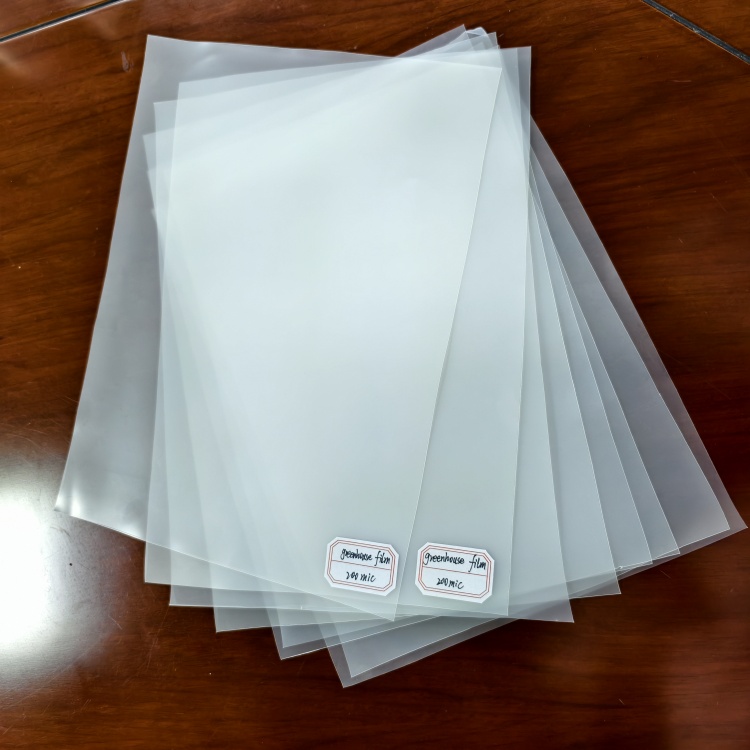
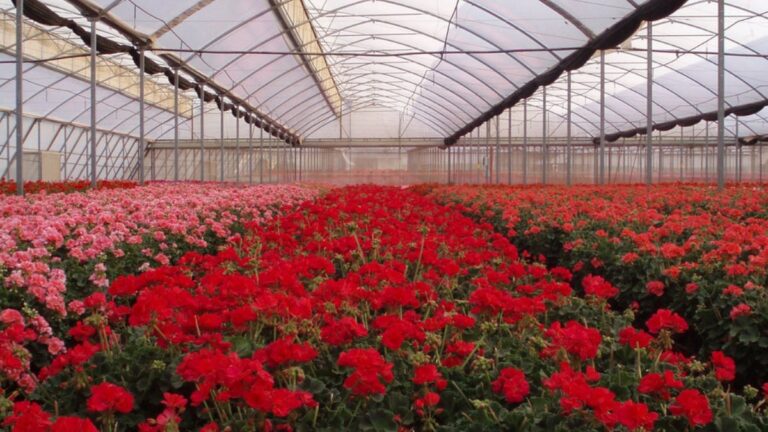
اختيار الخيار الصحيح فيلم غرينهاوس أو شبكة التظليل أمر بالغ الأهمية لنجاح المحاصيل. بصفتي متخصصًا مصنع الشباك والأغشية الزراعيةيساعدك خبراؤنا في تخصيص الحماية من الأشعة فوق البنفسجية ونفاذية الضوء بما يتناسب مع مناخ منطقتك. شاركنا تفاصيل مشروعك للحصول على حل مصمم خصيصًا لك.