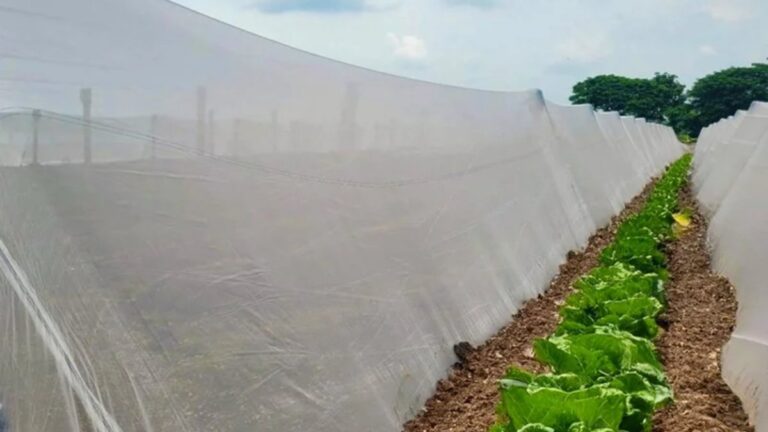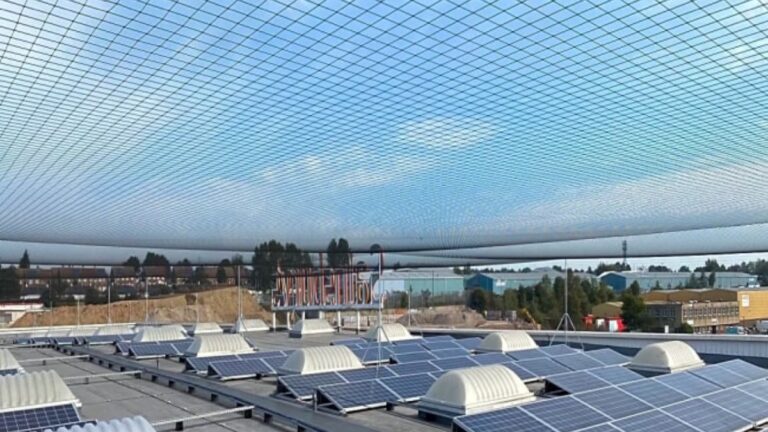
걱정하지 마세요, 바로 사장님께 연락하세요.
서둘러 닫지 마시고, 저희 사장님과 직접 통화해 주세요. 보통 1시간 이내에 답변드립니다.
온실용 필름 및 농업용 네트
온실 농업 솔루션 분야의 글로벌 파트너.
저희는 SSL/3.0을 사용하여 고객님의 개인정보를 암호화합니다.

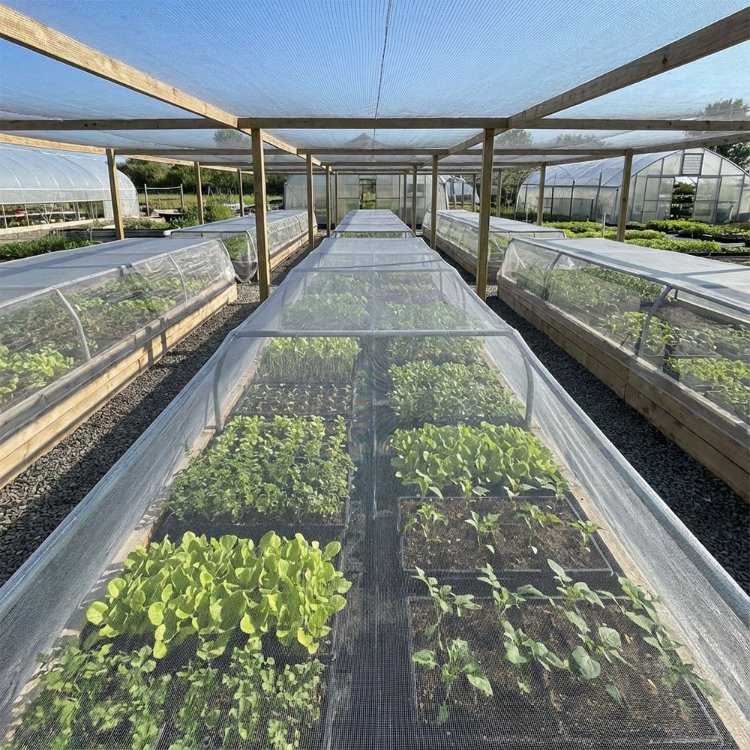
It's which pest you actually need to stop, and how much screen area your vents and fans need so the house doesn't overheat once the screen is on. Pick the mesh for the smallest pest that matters, then size the screened area to match.
To keep thrips out of a seedling house, you need a much finer screen than for whiteflies, and that finer screen blocks a lot more air. So the real decision isn’t only which mesh to buy. It’s which pest you actually need to stop, and how much screen area your vents and fans need so the house doesn’t overheat once the screen is on. Pick the mesh for the smallest pest that matters, then size the screened area to match. Getting this right matters more than the price per square meter of the 방충망 itself.
Both are small, breed fast and turn up in large numbers, and both are hard to control with sprays alone. In seedling production there’s very little tolerance: a small number of insects on transplants can mean damaged plants, rejected orders, or virus problems passed on to the customer.
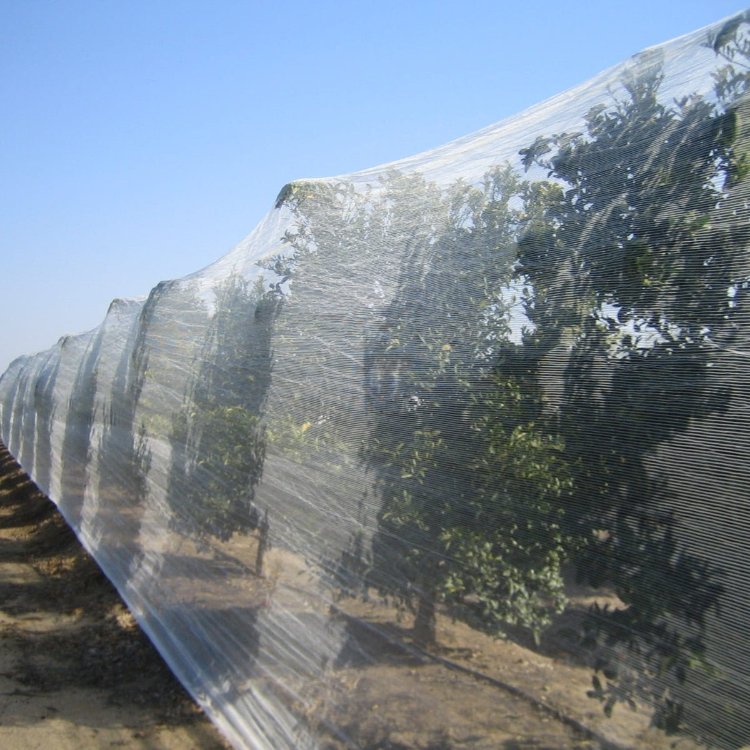
Screening the vents and openings won’t make a house pest-free, but it cuts down how many insects come in from outside. Fewer come in, fewer need spraying, and biological control has an easier job.
Insect nets are often sold by mesh count, such as 40 mesh or 50 mesh. That’s the number of threads per inch. It doesn’t tell you the size of the holes, because that also depends on how thick the threads are. Two nets with the same mesh count can have different hole sizes.
What actually matters is the opening size. Researchers at UC Riverside found that a screen is likely to exclude a pest when its holes are smaller than the width of the insect’s thorax, as summarized in this University of Florida article. When comparing nets, ask for the hole size in microns or millimeters, not just the mesh count. Whichever supplier you buy anti-insect net from, ask for both the mesh count and the actual hole size, and compare nets on hole size.
The hole size you need depends on the pest. John Bartok of UConn Extension lists these maximum openings, with the estimated reduction in airflow for screens that fine:
| Pest | Approximate maximum hole size | Estimated airflow reduction |
|---|---|---|
| Western flower thrips | About 150 × 150 microns | About 45% |
| Silverleaf whitefly | About 270 × 770 microns | About 32% |
| Greenhouse whitefly | About 400 × 450 microns | About 25% |
| Melon aphid | About 400 × 450 microns | About 25% |
Bartok gives these figures in inches. The micron figures here are converted from them.
Thrips are the hardest to exclude because they’re so narrow. A screen fine enough for thrips will also stop whiteflies and aphids, but it costs you much more airflow. If thrips aren’t your main problem, a whitefly-grade net may be the more practical choice.
Smaller holes mean more resistance to air. In the University of Florida tests, screens differed widely in how much they resisted airflow, and the article points out that high resistance doesn’t guarantee better exclusion. Some moderately resistant screens performed well against thrips.
The practical result: put a fine screen over a vent of the same size and less air gets through. Bartok estimates that thrips screening typically needs roughly three to four times the vent area to keep the same ventilation.
If shade or insect screening cuts down your airflow and you don’t change a thing, your greenhouse is gonna bake in the sun and turn into a swamp at night. For tender seedlings, that’s a fast track to heat stress, weak, leggy growth, and a whole lot of disease pressure from damp, stagnant foliage. Fans also have to work harder against the extra resistance.
That’s why screening and ventilation have to be planned together. The aim is to keep insects out without making the climate worse than the insects would have. If the screened house runs more humid at night, an anti-drip po 온실 필름 on the roof helps by letting condensation run off instead of dripping onto the seedlings.
Start with the pest:
If thrips and the viruses they carry are your biggest nightmare, you’re pretty much forced to use a thrips-grade screen—just keep in mind you’ll need extra vent space to make up for the lost airflow. But if you’re mainly fighting whiteflies or aphids, a coarser mesh lets a lot more air breathe through.
In hot climates, airflow is absolute king, so you really want to think twice before slapping the finest mesh over every single vent. A lot of smart growers use the tightest screen only where it counts, like in propagation zones, and go with a more open mesh everywhere else.
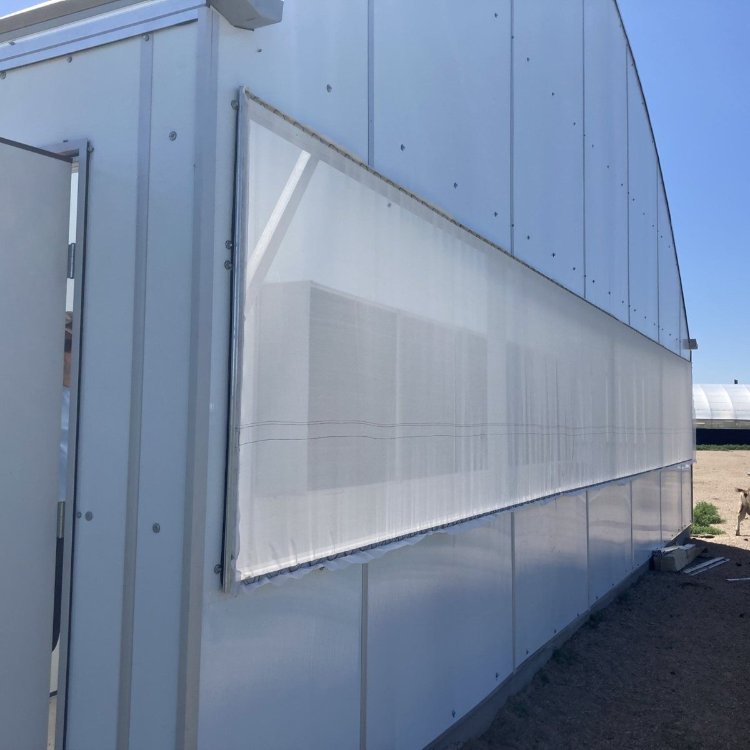
Bartok suggests several ways to add screen area without enlarging the greenhouse:
For fan-ventilated houses, measure the pressure drop before and after screening. Bartok recommends checking the existing system with a manometer and cleaning the screen when the pressure drop across it rises above 0.4 inches of water, because dust clogs the holes over time. In hot, sunny weather, an external 그늘 그물 over the roof can also take some of the heat load off a screened house, so the vents don’t have to do all the work.
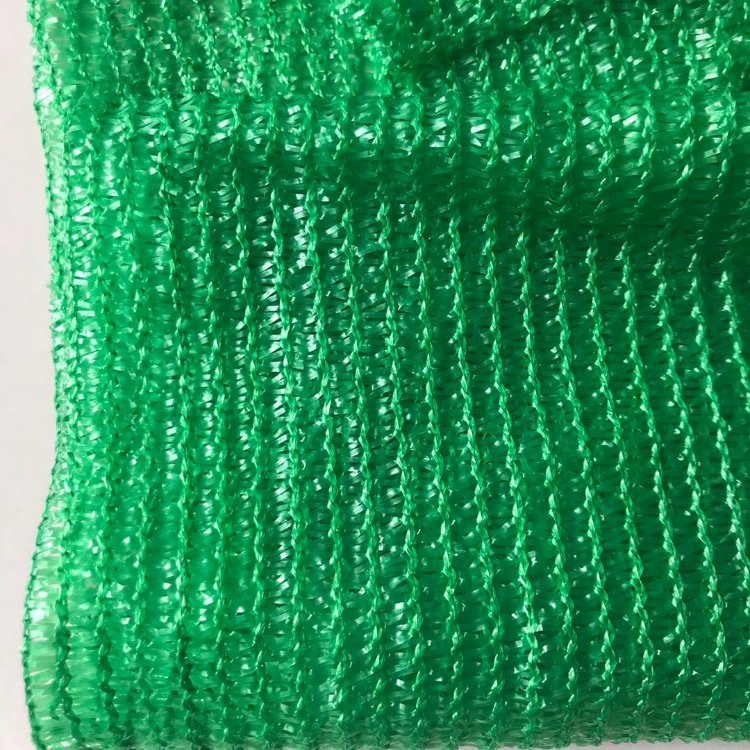
Most insect nets are woven from HDPE monofilament. Like most 농업용 그물망 used outdoors, it needs UV stabilization to last more than a season or two in the sun. Check:
Ask for a sample and look at it against the light. Uneven weaving leaves larger gaps that let insects through.
Order widths that fit your vents and sidewalls with as few joins as possible, because every join is a possible gap. Reinforced edges make the net easier to fix in channels or clips. Bartok notes the screen can shrink by about 1–2%, so allow for that when you install.
Sealing matters as much as the net. Close doors, gaps under baseboards and any openings around the screen, or insects will simply go around it.
Before screening a whole range:
A few weeks of data in your own houses tells you more than any spec sheet. If you’d like to run this kind of trial, we can send sample pieces in two or three grades. Just send us your vent sizes and target pests.
We make insect nets in several grades and roll widths for greenhouse vents, sidewalls and seedling areas. Tell us which pests you’re dealing with and how your houses are ventilated, and we’ll suggest a grade to trial.
A: Look at hole size rather than mesh count. UConn Extension lists about 150 × 150 microns as the maximum opening for western flower thrips.
A: Yes. A screen fine enough for thrips will also exclude whiteflies and aphids, but it restricts airflow much more than a whitefly-grade screen.
A: It depends on the screen. UConn estimates about 25% airflow reduction for whitefly and aphid screens and about 45% for thrips screens. Thrips screening typically needs three to four times the vent area.
A: No. Mesh count doesn’t tell you the hole size, and a finer screen than you need costs you airflow. Choose the screen for the smallest pest you actually need to stop.
올바른 것을 선택하세요 그린하우스 필름 또는 차광망은 작물 성공에 매우 중요합니다. 헌신적인 사람으로서 농업용 그물 및 필름 제조업체저희 전문가들이 고객님의 지역 기후에 맞춰 자외선 차단 및 광투과율을 맞춤 설정해 드립니다. 맞춤 솔루션을 위해 프로젝트 세부 정보를 알려주세요.