걱정하지 마세요, 바로 상사에게 연락하세요.
서둘러 닫지 마시고, 저희 사장님과 직접 통화해 주세요. 보통 1시간 이내에 답변드립니다.
온실용 필름 및 농업용 네트
온실 농업 솔루션 분야의 글로벌 파트너.
저희는 SSL/3.0을 사용하여 고객님의 개인정보를 암호화합니다.

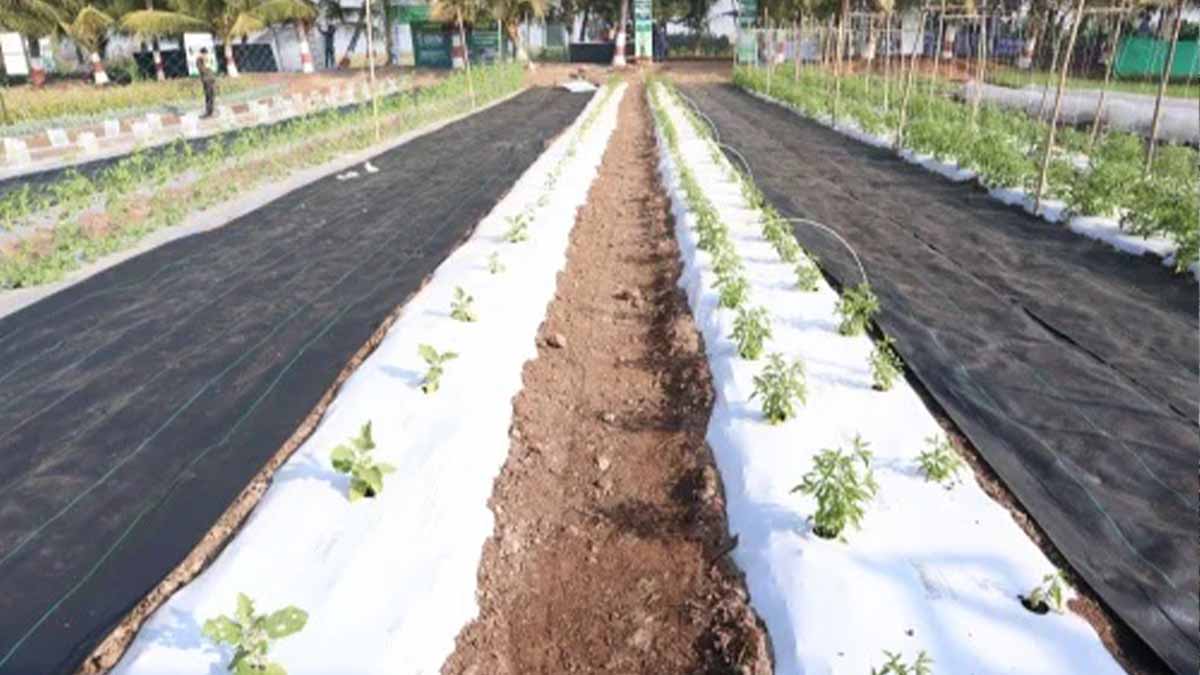
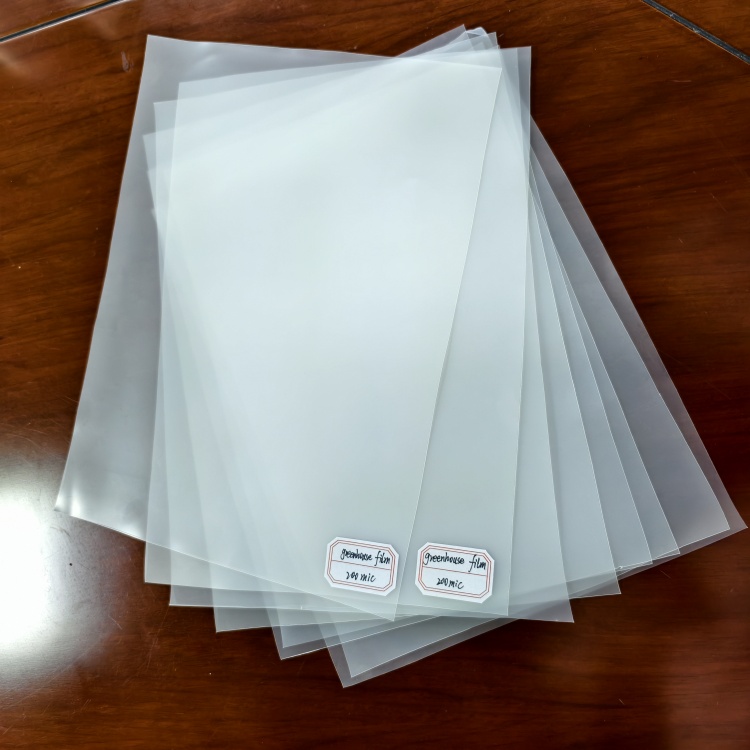
For commercial agricultural projects, you need high strength PE sheeting engineered with metallocene resins. Our special film is much stronger than regular plastic. It is very hard to poke holes in it. It does not tear easily even when it is thin.
A large-scale agricultural project—whether it is a 10-hectare greenhouse complex or a massive reservoir lining—you know that “standard” plastic does not cut it. We have seen it too many times: a grower buys generic construction plastic to save a few cents, only to have it shred during the first winter storm, destroying the crop underneath.
The solution is high-strength agricultural PE sheeting engineered with metallocene resins.
Unlike ordinary polyethylene films, advanced metallocene PE films provide significantly higher:
This allows the film to remain strong even at thinner gauges, making it easier to install while maintaining long-term structural integrity in harsh agricultural conditions.
In the past, if you wanted a stronger film, you just bought a thicker one. But in modern plastic extrusion, chemistry beats bulk.
Standard plastic uses Low-Density Polyethylene (LDPE). While cheap, its molecular structure is irregular. At HONREL, we utilize Metallocene Polyethylene (mPE) in our high-strength films.
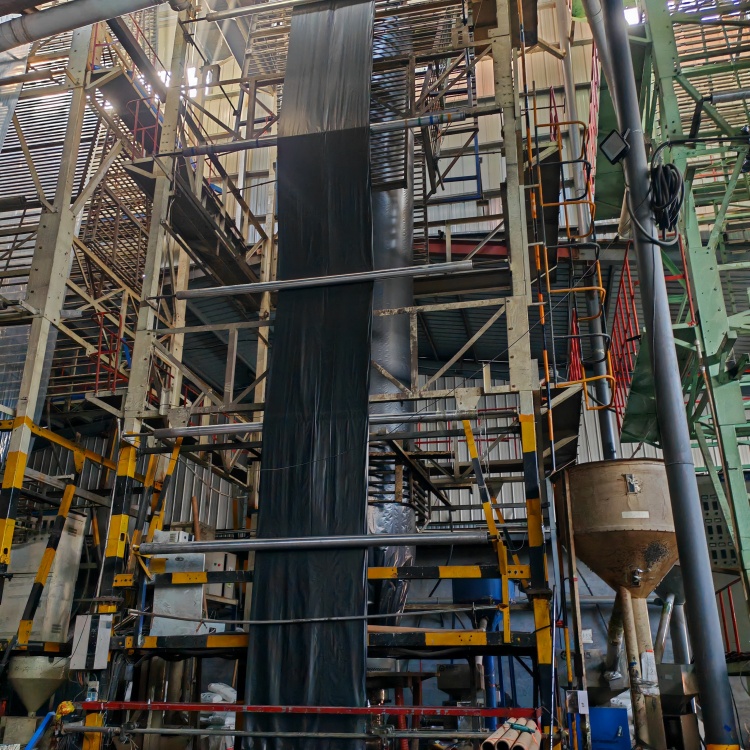
We don’t just extrude a single layer of plastic. We use 3-layer and 5-layer co-extrusion technology.
Industry Insight: When comparing specs, look for the Dart Impact Strength (ASTM D1709). This measures the energy required to puncture the film. A high-strength 150-micron film often outperforms a standard 200-micron film in this test.
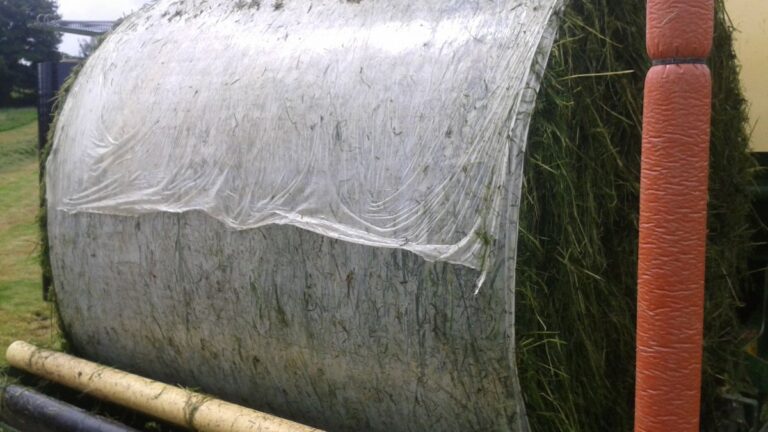
Different projects fight different enemies. A greenhouse cover fights wind; a pond liner fights water pressure; a silage cover fights punctures.
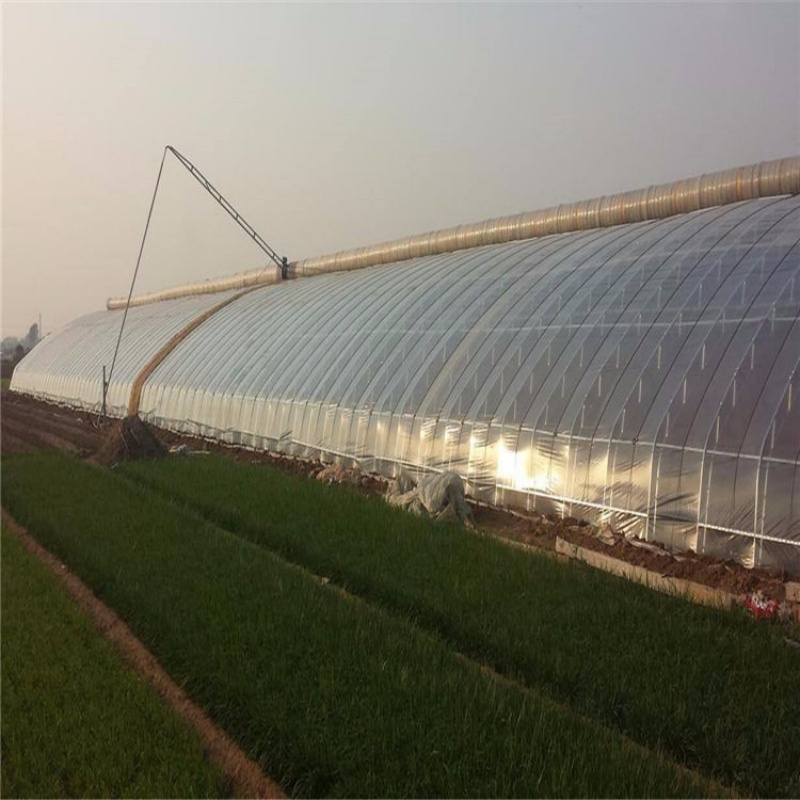
The Enemy: UV Radiation and Wind Load.
For permanent structures, simple PE isn’t enough. You need a film that maintains its elasticity (elongation) even after years of sun exposure. If the plastic becomes brittle, it snaps in the wind.
The Enemy: Punctures and Light Leaks.
When you are covering tons of silage or managing photoperiods for sensitive crops, a pinhole is a disaster. If a bird pecks the film or a worker drops a tool, you risk spoilage or light pollution.
The Enemy: Hydrostatic Pressure and Root Penetration.
You cannot use flexible greenhouse film to line a reservoir; the weight of the water will stretch it until it bursts.
To help you justify the investment to your procurement team, here is a breakdown of performance:
| 특징 | Standard Construction Film | HONREL High Strength PE |
| Material Base | Recycled or Low-Grade LDPE | Virgin Metallocene & LLDPE |
| 내천공성 | Low (Tears easily on sharp points) | High (Elongates around sharp points) |
| UV 수명 | 6-12개월 | 3-5 Years (climate dependent) |
| 광투과율 | Clouds/Yellows quickly | Remains High (90%+) for years |
| 최상의 용도 | Temporary dust sheets | Greenhouses, Silage, Reservoirs |
Even the strongest film will fail if installed incorrectly. We have seen excellent material ruined by bad installation habits.
Polyethylene expands when hot and shrinks when cold.
Before laying any film, inspect your frame or soil.
A: PE (Polyethylene) is the industry standard. PO (Polyolefin) is a premium upgrade. PO is stronger, holds anti-drip additives longer, and stays cleaner because it sheds dust better than PE.
A: Yes. While standard rolls come in 6m-12m widths, our factory capabilities allow us to weld rolls for wider applications, or slit them for narrow uses. Contact our team for specific OEM sizing.
A: No. We use a special plastic that is very strong. This lets us make the film thinner but still very tough. These thin films let in more light than old, thick plastic.
A: Yes. Our films are 100% plastic. You can recycle them when you are done. We like it when our partners clean and recycle the film. This keeps the land healthy. It is long-lasting and perfect for shops.
A: You must fix it fast. If the wind catches a hole, it can rip the whole sheet. Do not use regular duct tape. The glue on that tape will hurt the plastic in the sun. You should use our special repair tape instead. It is easy to use and stays on in the wind. We recommend keeping specialized repair tape in your inventory. As a 온실 부속품 provider, we advise cleaning the area with alcohol and applying the repair tape on both sides of the film (inside and outside) to create a permanent bond that maintains the high-strength integrity of the cover.
A: Yes, chemical interaction is the #1 cause of premature failure. Sulfur and chlorine can deactivate the UV stabilizers in the plastic, turning even the strongest greenhouse film brittle in months. When ordering, you must check the “Pesticide Resistance” rating (usually measured in ppm of Sulfur/Chlorine). If you plan to use heavy chemical fogging, let us know so we can supply a film with a special anti-acid stabilizer package.
올바른 것을 선택하세요 그린하우스 필름 또는 차광망은 작물 성공에 매우 중요합니다. 헌신적인 사람으로서 농업용 그물 및 필름 제조업체저희 전문가들이 고객님의 지역 기후에 맞춰 자외선 차단 및 광투과율을 맞춤 설정해 드립니다. 맞춤 솔루션을 위해 프로젝트 세부 정보를 알려주세요.