걱정하지 마세요, 바로 상사에게 연락하세요.
서둘러 닫지 마시고, 저희 사장님과 직접 통화해 주세요. 보통 1시간 이내에 답변드립니다.
온실용 필름 및 농업용 네트
온실 농업 솔루션 분야의 글로벌 파트너.
저희는 SSL/3.0을 사용하여 고객님의 개인정보를 암호화합니다.

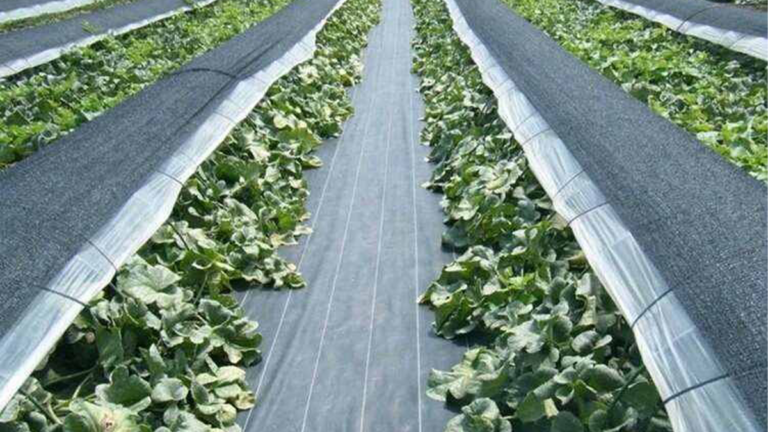
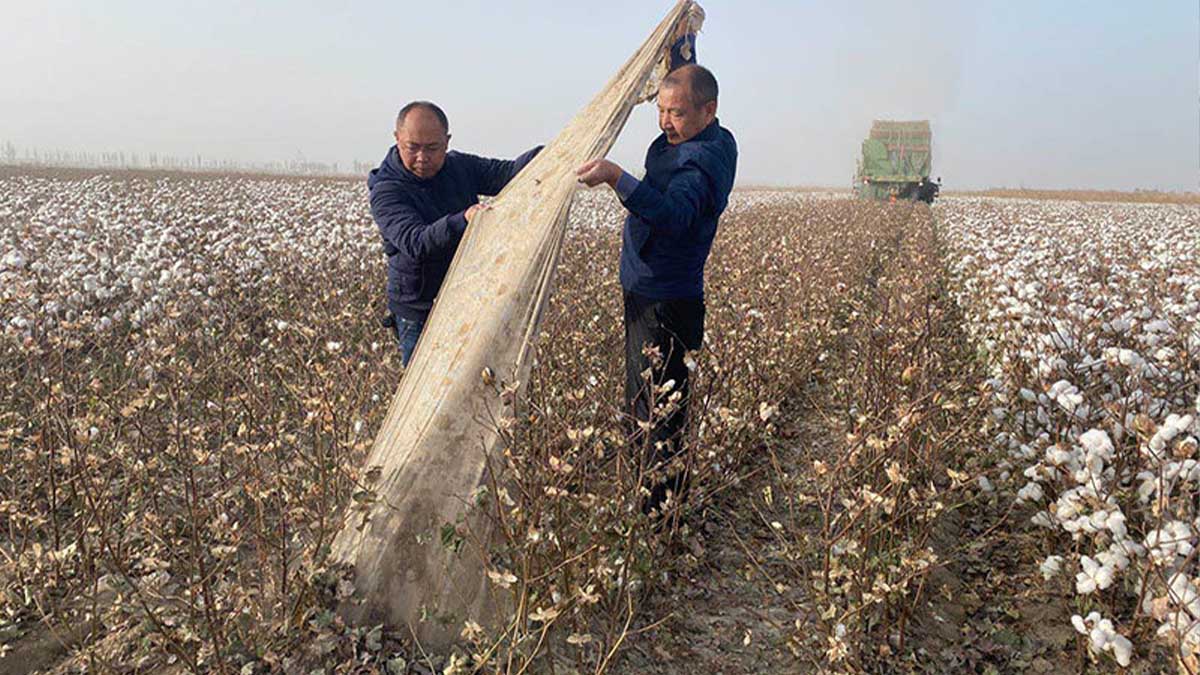
When you put down a strong plastic cover, you keep the water in the soil. It stops weeds and keeps the roots warm. Tests show this works well. For example, cotton grown with this film makes 28.93% more crop and needs much less water.
If you are managing a commeƒrcial cotton farm, your biggest operational hurdles are early-season soil temperatures, weed competition, and massive water evaporation. The ultimate, data-proven solution is upgrading your fields with High Toughness Plastic Mulch Film.
When you put down a strong plastic cover, you keep the water in the soil. It stops weeds and keeps the roots warm. Tests show this works well. For example, cotton grown with this film makes 28.93% more crop and needs much less water.
But you have to use a tough film. Cheap, thin plastic will tear during the year. This leaves bad waste in your dirt that hurts future crops. Using a strong film that does not tear makes it easy to pick up at the end of the season. This protects your money and keeps your land healthy. Suitable for purchase and long-term storage.
As a specialized manufacturer, we know the secret to profitable cotton farming isn’t just covering the soil—it is using the right engineered polymer. Let’s break down the hard data on why high-toughness mulch is mandatory, the science of cotton microclimates, and the best practices you need to implement this season.
In many major cotton belts, standard practice has historically involved using ultra-thin (4 to 8 micron) polyethylene films to save money upfront. While these thin films provide an initial thermal boost, they are a financial disaster long-term.
Because cheap films lack tensile strength, they shatter under the harsh summer sun and tear when the stiff cotton stalks grow. When harvest time comes, the film is too brittle to be removed by tractors. It breaks apart, leaving plastic fragments permanently tilled into your topsoil.
This is not an aesthetic issue; it is a severe financial loss. According to recent agricultural field studies, when residual plastic film accumulates in the soil over years of continuous mulching, it severely impacts the soil water-salt environment and stunts plant growth. Data shows that when residual plastic film reaches 260.77 kg per hectare (after roughly 12 years of mulching with cheap films), it significantly impedes cotton seedling growth. Plant height drops by 34.52%, and leaf area is reduced by 37.18% (Source: ResearchGate Study on Residual Plastic Film).
Plastic fragments block root penetration, disrupt water infiltration, and literally starve your plants of nutrients. If you use cheap plastic, you are actively paying to reduce your future yields.
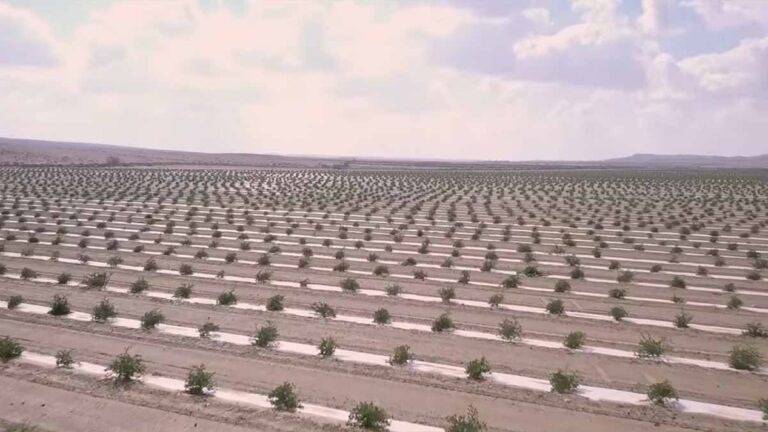
To get the yield-boosting benefits of mulching without the devastating residue, you must transition your operations to high-toughness 멀칭 필름.
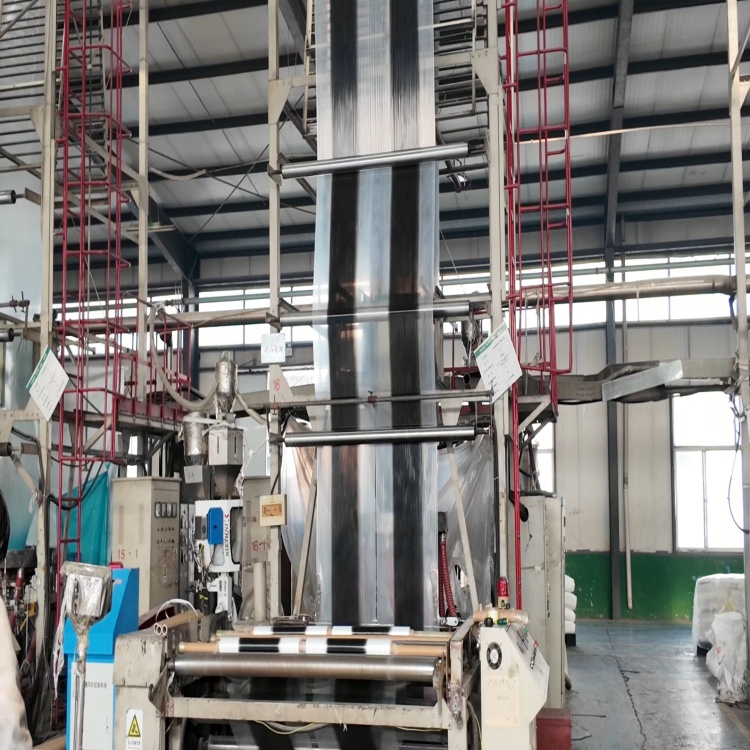
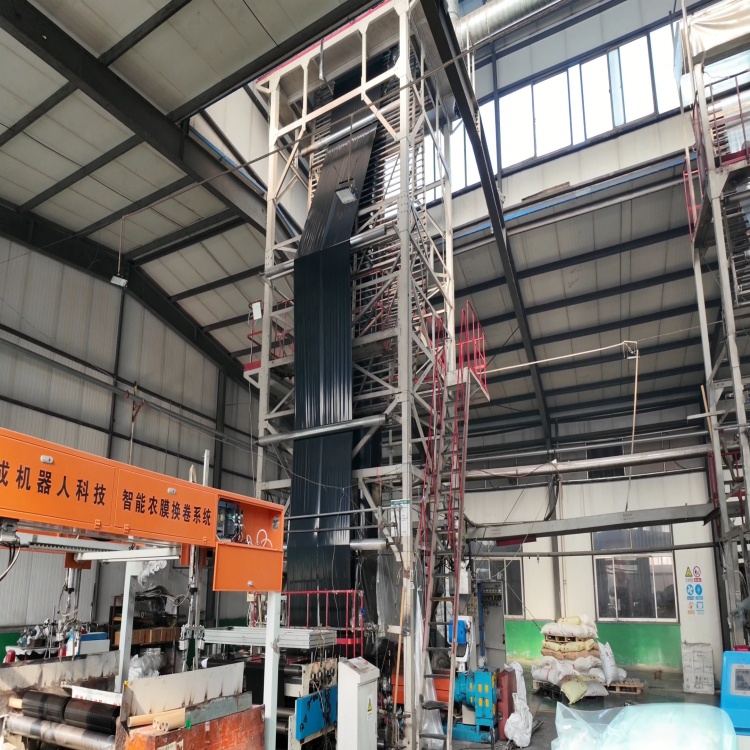
At our factory, we do the job right. We use great machines and mix pure LLDPE with special resins. This makes the film very strong. We usually make it 15 to 25 microns thick for cotton. This film is long-lasting and perfect for shops.
Why are global agricultural distributors and commercial farms sourcing heavy-duty mulch by the container load? Let’s look at the verified agronomic field data. We focus on two primary metrics: Yield increase and Water savings.
Cotton thrives when the root zone is kept warm during the early seedling stage. A comprehensive three-year agricultural field testing program evaluated the exact economic impact of plastic mulch on cotton.
Cotton requires a massive amount of water. In arid and semi-arid regions, evaporation steals your profits. By utilizing an impermeable high-toughness film, you block direct evaporation, forcing the moisture to stay trapped within the root zone.
Field trials evaluating polyethylene mulching in cotton systems revealed massive water efficiency gains. The water requirement for conventionally grown (bare soil) cotton was a massive 84.19 ha-cm. In stark contrast, the mulched cotton only required 58.63 ha-cm. Furthermore, the Water Use Efficiency (WUE) skyrocketed from 16.6 kg/ha-cm up to 43.2 kg/ha-cm under the mulch (Source: Polyethylene mulching for enhancing crop productivity and water use efficiency in cotton). You are literally growing nearly 30% more cotton while using significantly less water.
Having the best plastic from a reliable supplier won’t yield optimal results if it is specified or installed incorrectly. Based on our field experience, here are the expert best practices every commercial cotton farm manager must follow.
💡 Best Practice 1: Select the Correct Color FormulationNot all films are created equal. You must match the color to your specific climate and pest challenges.
- Black Plastic Mulch Film
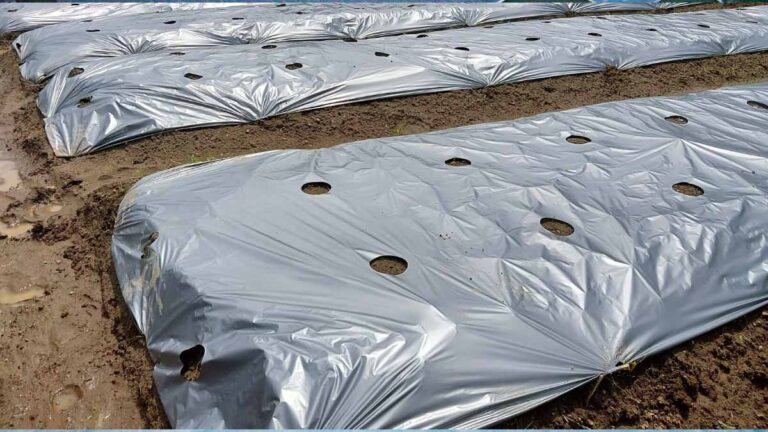
This is the standard choice for stopping weeds. The black film blocks all the light so weeds cannot grow. It alsoaks up the sun to warm the soil for early planting. This stops the need for pulling weeds by hand or using chemicals. It is easy to use and saves you money.- Silver/Black Mulch Film
This is the best choice if you have pests like aphids or whiteflies. It is also great if the summer heat is too hot for young plants. The black side faces down to kill weeds. The silver side faces up to reflect the sun. This keeps the plants a bit cooler in the summer. The bright silver side also confuses flying bugs so they do not land on your crops. This film is long-lasting and perfect for shops.
💡 Best Practice 2: Watch the Tension
You should be careful with the tractor machine. Do not stretch the plastic too much. If you pull it too tight, the film gets thin. This makes it break easier. You should bury the edges under 4 to 6 inches of dirt. This keeps the wind from blowing the cover away.
💡 Best Practice 3: Integrate Drip Irrigation
You should put drip tape under the film. This saves 30% more water. It sends water and food right to the roots. The mulch keeps the water from drying out. Nothing is wasted. This is easy to use and long-lasting.
If you are a B2B distributor or a large-scale agricultural cooperative, you understand the financial value of consolidating your supply chain. Partnering with a factory-direct OEM manufacturer allows you to guarantee polymer consistency across all your product lines, gain access to custom wholesale sizes, and save heavily on global ocean freight costs.
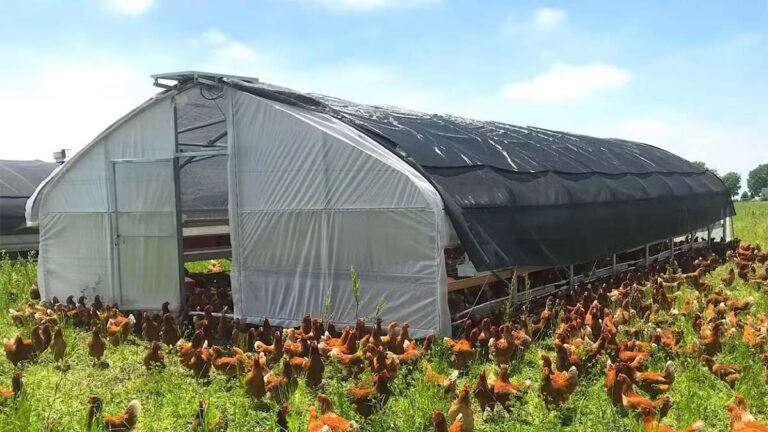
For instance, while our 멀칭 필름 handles your open-field row crops, we apply the exact same high-strength extrusion science to our broader product lines:

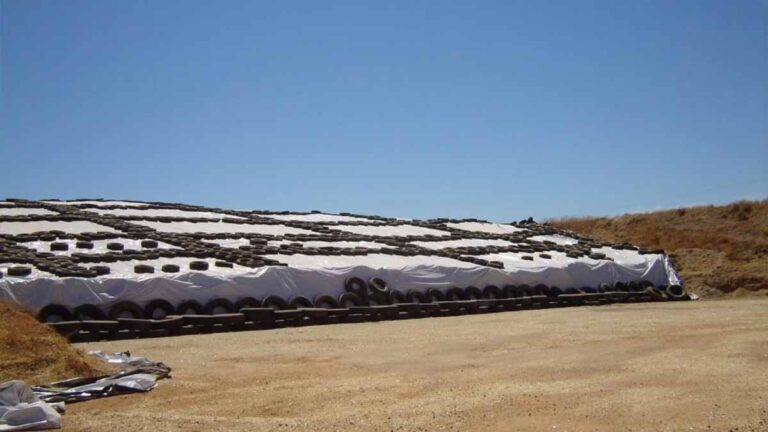
Working directly with an expert 농업용 PE 필름 제조업체 ensures your entire farm—from the cotton fields to the greenhouses and the feed bunkers—is protected by world-class, purpose-built materials.
에이: You should use a film that is 15 to 25 microns thick. We make this using a very tough plastic blend. This thickness stops the film from tearing into tiny pieces when you try to remove it.
Do not use very thin films under 10 microns. They break too fast in the sun. It is almost impossible to get them out of the field cleanly. Using a thicker film is better for your land.
올바른 것을 선택하세요 그린하우스 필름 또는 차광망은 작물 성공에 매우 중요합니다. 헌신적인 사람으로서 농업용 그물 및 필름 제조업체저희 전문가들이 고객님의 지역 기후에 맞춰 자외선 차단 및 광투과율을 맞춤 설정해 드립니다. 맞춤 솔루션을 위해 프로젝트 세부 정보를 알려주세요.