If you are operating a commercial vertical farming system, a large-scale indoor hydroponic facility, or a controlled environment agriculture (CEA) warehouse, your absolute highest operational expense is electricity.
With large-scale indoor farming, your most expensive utilities often come from LED grow lights, HVAC, and dehumidifiers. Black and White Panda Film is the perfect solution to maximize lighting efficiency, reduce energy consumption, and control your crops’ light cycles.
By lining your grow rooms, vertical racks, and walls with this high-quality, co-extruded Panda Film, you unlock three key benefits:
Light Efficiency Boost: The white side of the film reflects up to 90% of your LED light back into the canopy, increasing light distribution without needing to purchase more fixtures.
Total Light Deprivation: The black side ensures absolute darkness, crucial for crops needing strict light cycles. This helps regulate your crops’ biological clocks, increasing yield consistency.
Waterproof and Algae Prevention: The black side also acts as a complete barrier to light, preventing algae growth in hydroponic reservoirs, ensuring a clean and healthy environment for your crops.
For commercial growers, this translates to higher yields, fewer pests, better plant health, and reduced operational costs.
Table of Contents
The Science of Light Reflection and Algae Prevention
When growing indoors, light is your most precious resource. Grow lights can only emit a specific amount of Photosynthetically Active Radiation (PAR). Any lost light is a direct waste of both your capital investment and your potential yield.
Covering your facility walls in a highly reflective white surface can drastically increase your yield and your garden’s overall growth rate. Because white is the most reflective color on the spectrum, the light simply bounces off it. When photons travel past the plant canopy and reach the floor in a standard grow room, that light energy is usually a lost cause. However, if you have your entire floor and lower walls covered in Panda Film, the light will actively bounce off the floor and feed the lower branches of your plants, massively increasing the overall biomass of the harvest.
Lighting is only half of the work. You also have to keep your farm safe from germs and pests.
If you use water systems like NFT or Dutch buckets, you are always moving water. If your bright lights hit the water, green algae will grow very fast. Algae is bad for your plants. It steals the air and the food that your crops need. This makes your plants weak.
This is where the dual-sided nature of Panda Film becomes critical. The black underside layer completely stops light from reaching the soil or water beneath it. By covering your hydroponic reservoirs and the gaps between your channels with the black side facing up, you physically prevent both weed and algal growth. Furthermore, the film’s waterproofing properties prevent ground moisture and soil-borne diseases from rising from beneath, keeping the humidity in your growing area perfectly stable and controlled.
Why PE Panda Film Outperforms Paint and Mylar
If you need a reflective, blackout environment, why should you source wholesale Panda Film instead of just using flat white paint or metallic mylar? The answer lies in the highly engineered nature of our PE film.
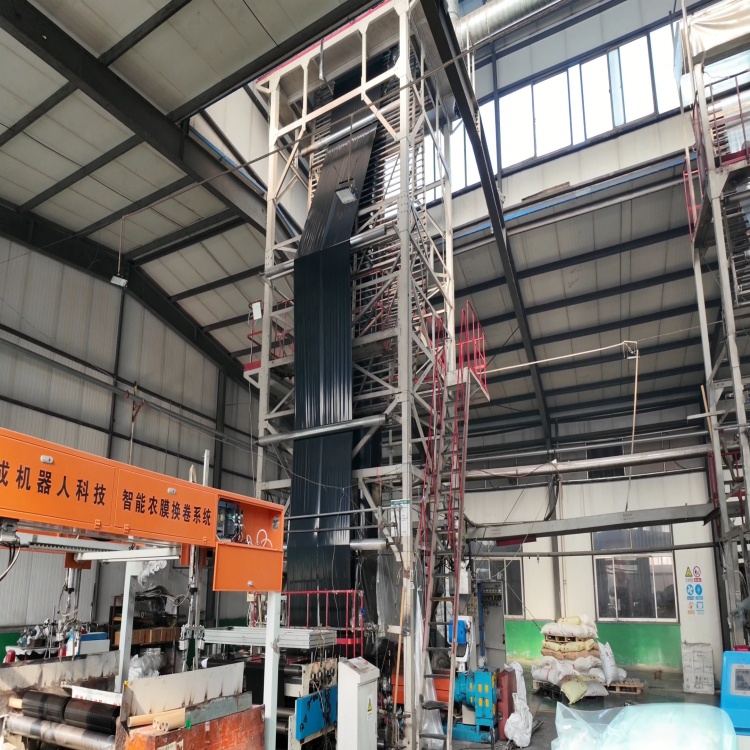
At HONREL, our Panda Films are manufactured using advanced multi-layer blown-film extrusion technology. We blend resilient polyethylene resins to create a membrane that delivers unmatched operational benefits:
Our Panda Film provides diffused reflectivity. It scatters 90% of the light evenly across the entire plant canopy, boosting overall light efficiency and promoting much faster, healthier, and uniform vegetative growth.
For photoperiod-sensitive crops, even a tiny pinhole of light during the dark cycle can trigger hermaphroditism or stall the flowering phase. Panda film guarantees absolute darkness.
Our heavy-duty Panda Film is about 5.5 to 6 mil thick. This makes it very hard to tear. It lasts a long time and stays strong.
Real-World ROI: The Financial Impact on Vertical Farms
Investing in high-quality Panda Film can drastically improve your vertical farming operations. Let’s break down the financial impact.
Performance Metric
Painted Walls / Cheap Plastics
HONREL Heavy-Duty Panda Film
The Bottom-Line Farm Impact
Light Reflectivity
60% – 70% (Absorbs lumens)
90% Diffused Reflection
Maximizes light intake; lowers electricity bills per gram of yield.
Light Deprivation
Moderate (Light bleeds through)
100% Total Blackout
Enforces strict dark cycles; eliminates crop stress and light leaks.
Keeps hydroponic water pristine; saves money on root-disease treatments.
The ROI for Panda Film is typically realized in the first harvest cycle due to reduced energy costs, minimized algae-related issues, and more efficient use of light.
Best Practices for Sourcing and Installation
Maximizing Panda Film’s benefits comes down to how it is sourced and installed. Here are expert tips to get the most out of your Panda Film:
1. Correct Orientation (White In, Black Out)
Best Practice: Install the film with the white side facing inward (towards your plants and LED lights) and the black side facing outward (towards walls or partitions). This ensures proper light reflection and prevents the black side from absorbing light, which can increase temperature and energy usage.
2. Ensure Tight Seals for Light Deprivation
Best Practice: Overlap Panda Film sheets by 6-12 inches at seams and tape them securely with light-blocking tape. This ensures no light leaks, which could disrupt your crops’ dark cycle.
3. Use the Right Thickness (5.5-6 Mil)
Best Practice: Opt for 5.5-6 mil thick Panda Film to ensure durability. This thickness prevents tears from machinery, workers, and general handling while providing a long-lasting waterproof barrier.
Consolidating Your Total Agricultural Supply Chain
Modern commercial agriculture—whether it takes place indoors under LEDs or outdoors under the sun—is a highly integrated ecosystem. At HONREL AGRICULTURE, we don’t just supply a single roll of Panda Film; we engineer complete, multi-layered polymer solutions for total farm optimization.
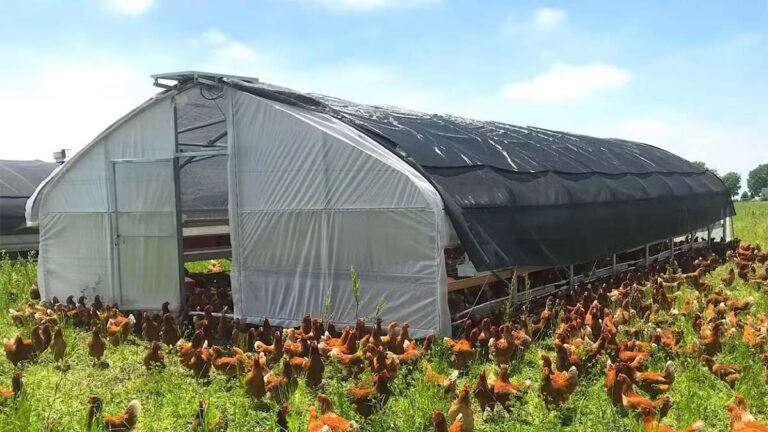
Greenhouse Film: Premium 5-layer PO film for enhanced light transmission and anti-drip properties.
Heavy-Duty Mulch Film: Ideal for outdoor crops, providing soil temperature control and weed suppression.
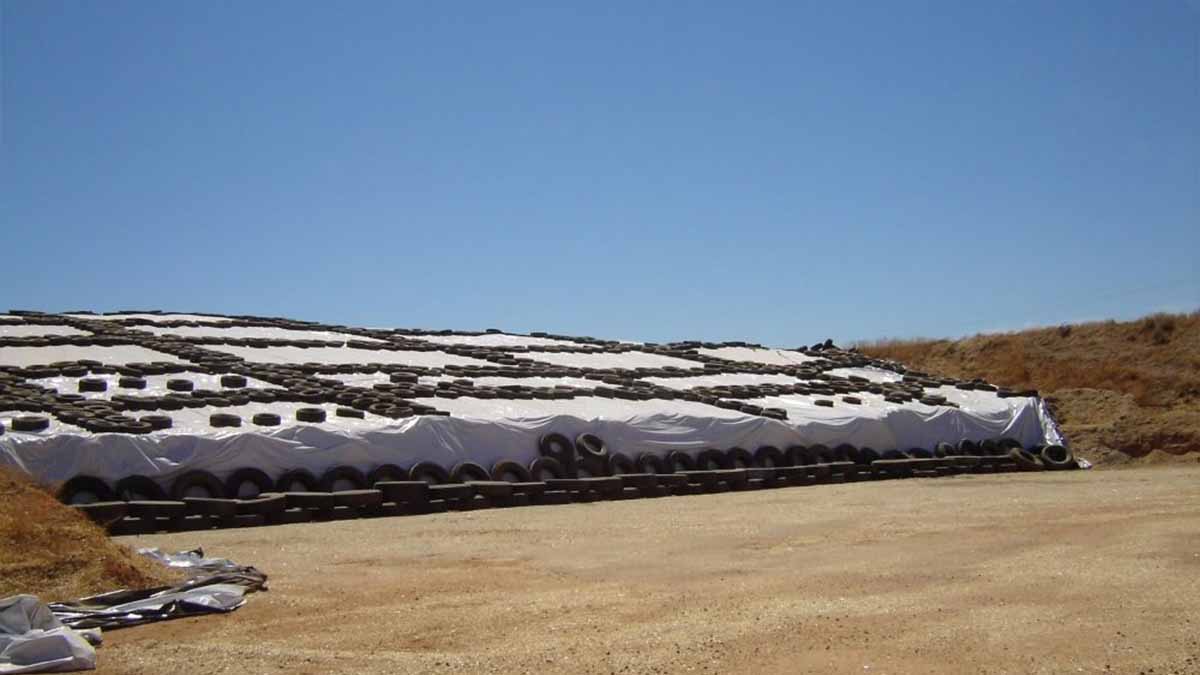
Silage Film: Protects forage investments with high-strength, puncture-resistant film that ensures optimal anaerobic conditions.
By consolidating your supply chain with a trusted manufacturer like HONREL, you ensure consistency in polymer quality, reduce logistics costs, and streamline your purchasing process.
Frequently Asked Questions (FAQ)
Q1: Will Panda Film create hot spots that burn my plants?
No. Unlike metallic mylar or aluminum foil, which reflect light directionally like a mirror and cause severe hot spots, the brilliant white layer of our Panda Film provides diffused reflectivity. It scatters 90% of the light evenly across the entire grow room. This improves light penetration deep into the lower plant canopy without causing any heat stress or leaf scorching.
Q2: How do I clean the film between crops?
This plastic is 100% waterproof. It works well with water and soap. After you harvest, you can spray the walls and floors with farm cleaners. Use a cloth or a light sprayer to wipe it down. Do not use stiff wire brushes. They can scratch the white side of the film.
Q3: Can I use Panda Film to cover my water tanks?
Yes. It is the best way to do it. Put the black side facing the light to cover your tanks or trays. This blocks all the light from the water. Without light, green algae cannot grow. This keeps your pipes clean and stops clogs. It also keeps more air in the water for your plants.
Q4: Is the plastic safe to use indoors? Will it smell under hot lights?
Yes, it is safe. We make our films using only new resins. We do not use old waste plastic or heavy metals. The plastic does not let out bad smells or chemicals, even under hot lights. It is safe for indoor farms and food crops.
Q5: How do I securely hang the heavy-duty Panda Film on my facility walls without it tearing at the staple points?
You screw the aluminum channel directly into your wall studs, lay the Panda Film over it, and snap the spring wire into the track. This securely holds the film tightly across its entire length with zero concentrated stress points. If you must use staples for a temporary room divider, always fold the top edge of the plastic over twice and apply a strip of reinforced agricultural tape before stapling through it to create a heavy-duty anchor point.
Get Factory-Direct Insights & Growing Tips
Selecting the right Greenhouse Film or shade mesh is critical for crop success. As a dedicated Agricultural Netting and Film Manufacturer, our experts help you customize UV protection and light transmission based on your local climate. Share your project details for a tailored solution.
HONREL AGRICULTURE engineers films, netting, and drip pipe to your crop, climate, and structure—specs, colors, labeling, and packaging—backed by drawings and spec sheets.
Fast Response & Quick Proofing
Rapid quoting, spec-sheet/sample proofing, and practical engineering support. We align specifications and documentation quickly to keep your project timeline on track.
Consistent Quality & Traceability
UV-stabilized formulations, process QC, and lab checks for optics/mechanics—plus lot-level tracking. COA/test reports available; export packing and labeling are standardized.