Rose Nursery Greenhouse Film OEM | Why You Need Yellow PO Film Supply
By upgrading to this specific OEM film, commercial growers drastically reduce their pesticide use, lower their cooling costs, and significantly increase the number of premium "A-grade" stems they harvest.
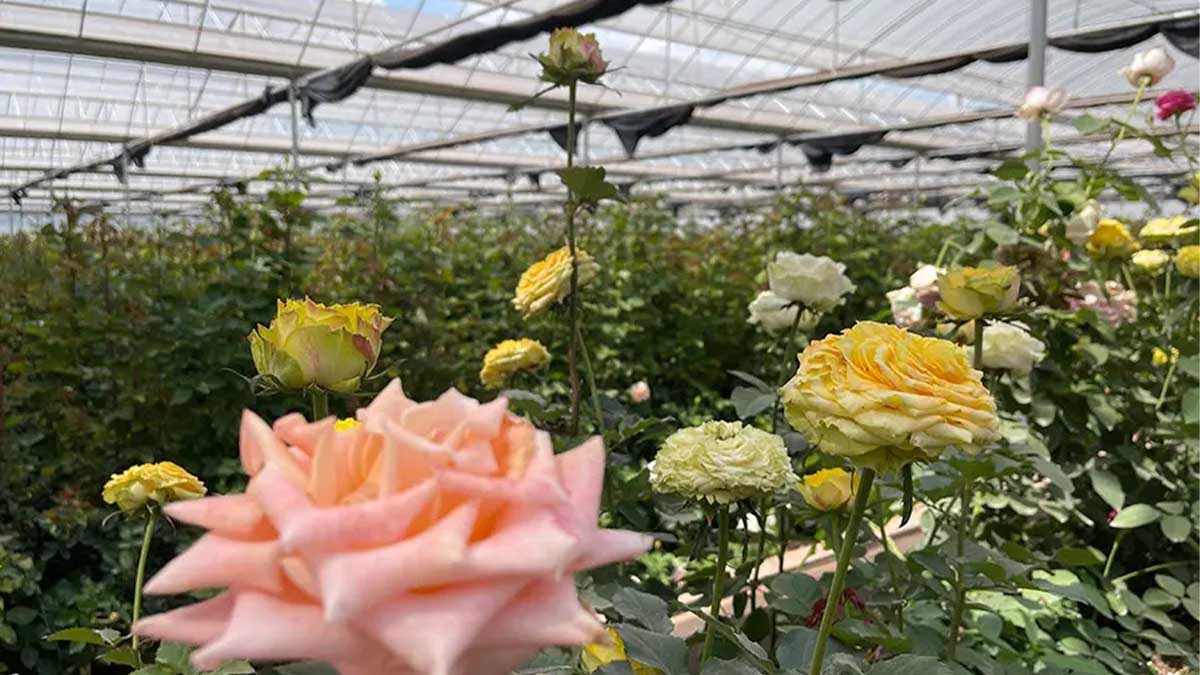
If you are managing a commercial rose nursery or a high-value floriculture operation, you already know how incredibly sensitive your crop is. A slight increase in direct, harsh sunlight can cause delicate petals to darken and burn. A minor drop in night temperature, or a few drips of condensation falling from the roof, can trigger a devastating Botrytis cinerea (gray mold) outbreak that wipes out your entire premium harvest. We speak with commercial flower growers every single day who are frustrated because standard clear plastic simply cannot protect their high-value crops.
Here is the direct answer to protecting your flowers and boosting your revenue: You need to upgrade your greenhouse cover to a photoselective yellow PO film.
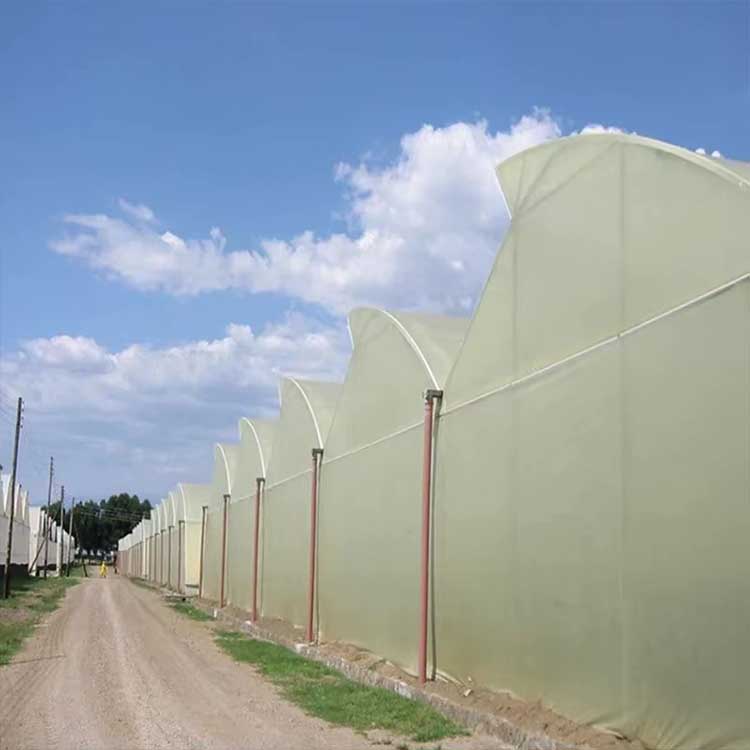
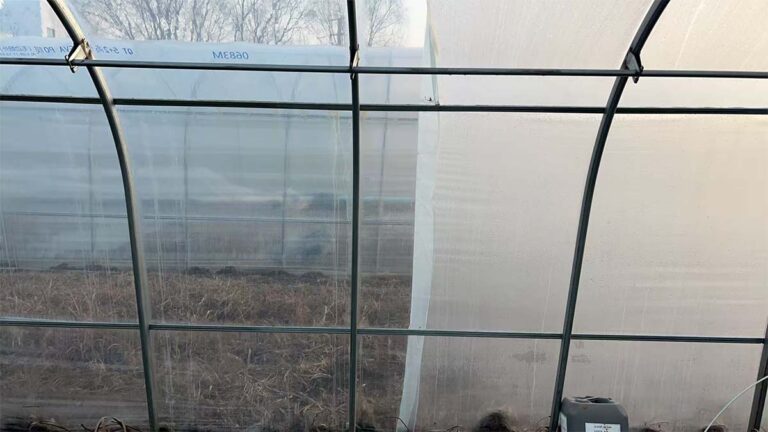
Why make this switch? Unlike standard clear polyethylene, a yellow-tinted Polyolefin (PO) film acts as an advanced optical filter. It diffuses light heavily to eliminate harsh sunspots (preventing petal blackening), blocks specific UV wavelengths that trigger fungal sporulation, and utilizes a permanent, chemically-bonded anti-drip coating to keep your canopy completely dry. By upgrading to this specific OEM film, commercial growers drastically reduce their pesticide use, lower their cooling costs, and significantly increase the number of premium “A-grade” stems they harvest.
As a Solution Specialist at HONREL AGRICULTURE, I spend my days engineering polymer formulas specifically for extreme-yield farming. In this guide, we are going to look at the exact physics of photoselective yellow films, analyze verified academic and agronomic data on rose yields, and show you why sourcing your OEM supply directly from our factory is the best financial decision you can make.
Table of Contents
The Science: Why Rose Nurseries Demand Yellow PO Film
Roses are not like tomatoes or cucumbers; the visual perfection of the flower is the only thing that dictates its market price. Standard clear plastics fail roses in three distinct ways: they allow direct light beams that burn petals, they trap humidity that forms cold drips, and they let in UV light that helps pests and pathogens thrive. Here is how our advanced PO technology solves this.
1. Anti-Petal Darkening (Light Diffusion)
Direct sunlight is the enemy of the red rose petal. When harsh, direct light hits a delicate petal, it causes localized heat stress and “petal blackening”—a physiological disorder that completely ruins the flower’s commercial value. The yellow tint and specific mineral additives in our PO film create high light diffusion. Instead of a direct beam, the light is scattered in infinite directions. This wraps the plant in a soft, even glow, bypassing the top canopy and reaching the lower leaves without burning the upper flowers. According to agricultural film experts, utilizing UV-blocking, diffused films directly results in a reduction of the “blackening” of red rose petals, thereby dramatically increasing their commercial market value.
2. Botrytis Eradication via Photoselective UV Blocking
Yellow film is not just for aesthetics; it is a powerful bio-control tool. The specialized yellow masterbatch filters out specific Ultraviolet (UV) light wavelengths (typically absorbing UV-radiation up to 380 nm). Why does this matter? Pathogenic fungi like Botrytis cinerea (gray mold) require specific UV triggers to release their spores. Blocking this light biologically suppresses the spread of the disease. A major study published in Acta Horticulturae evaluated commercial rose cultivation in Colombia. The trial proved that roses cultivated under photoselective, UV-absorbing plastic showed significantly lower Botrytis disease development compared to those grown under commercially used standard plastic.
Furthermore, many insects, like whiteflies, thrips, and aphids, need this exact UV light to navigate. When you block it, the greenhouse becomes “dark” to their compound eyes, causing a massive reduction in the pest population and the viruses they vector.
3. Lifelong Anti-Drip and Anti-Fog Coatings
Roses hate wet leaves. Standard PE films use “migratory” additives for anti-drip control, which means the soapy chemicals wash away in about 6 to 12 months. Once gone, condensation forms heavy droplets that fall directly onto your open blooms, breeding fungal diseases instantly. Our 5-layer co-extruded PO film utilizes a permanent nano-coating on the interior layer. The condensation sheets flat and runs down the side walls into your gutters. Your flowers stay 100% dry for the entire 3 to 5-year lifespan of the film.
💡 Best Practice: The “Warm Tension” Installation
Even the best photoselective film will fail if installed poorly. Polyolefin is incredibly strong, but like all plastics, it expands in the heat and shrinks in the cold.
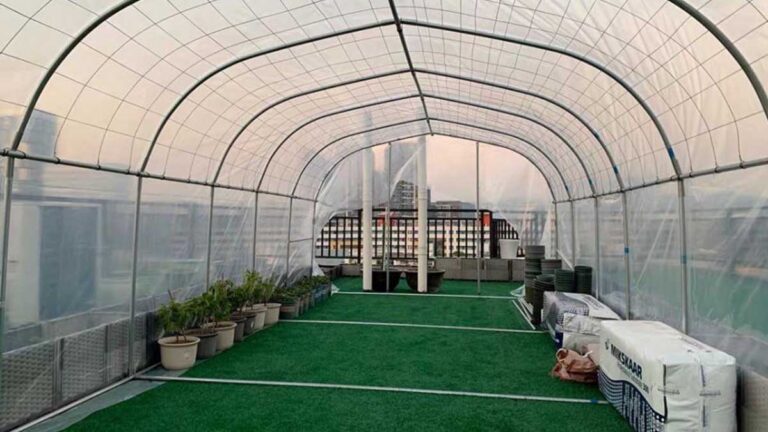
How to do it right: Never install your film early on a freezing morning. If you pull it tight when it is cold, it will expand and sag drastically when the noon sun hits it. Sagging creates valleys where water pools, blocking light and stretching the film. Always install your film on a mild, warm day and pull it taut. As the temperature drops at night, the film will shrink slightly, tensioning itself perfectly over your metal frame like a drum skin. A tight roof guarantees proper condensation runoff.
Evaluating the Data: Yield and Economic Returns
When our B2B wholesale clients ask about the Return on Investment (ROI) of upgrading to a premium photoselective film, we don’t guess—we look at the data.
Boosting Yields and Cutting Energy Costs
Diffused light doesn’t just protect petals; it fundamentally changes the growing environment. According to agricultural greenhouse tech data, utilizing diffused greenhouse film creates a more stable temperature and humidity environment. By reducing peak temperatures during the day and providing more uniform light, crops and flowers generally achieve a 5% to 10% yield increase. Furthermore, because the diffused film naturally cools the canopy, it reduces the need for heavy shading equipment, cutting overall energy consumption by up to 30%.
Material Comparison Table
To help you justify the upgrade to your procurement team, here is a breakdown of how the materials compare in a commercial setting:
Feature
Standard Clear PE Film
HONREL Yellow PO Film
Light Diffusion
Low (Creates harsh shadows)
High (Even canopy lighting)
Petal Protection
Poor (High risk of burning)
Excellent (Stops petal blackening)
Anti-Drip Lifespan
6 – 12 Months
3 to 5+ Years (Permanent coating)
Pest Suppression
None
High (Photoselective UV block)
Tensile Strength
Moderate
High (Metallocene/EVA Core)
💡 Best Practice: Controlling the Ground Climate
A high-tech roof is only half the battle. Roses require pristine, stable humidity control. If you have bare soil pathways inside your greenhouse, water evaporates continuously, driving up ambient humidity and forcing your ventilation fans to work overtime. High humidity is the leading cause of gray mold.
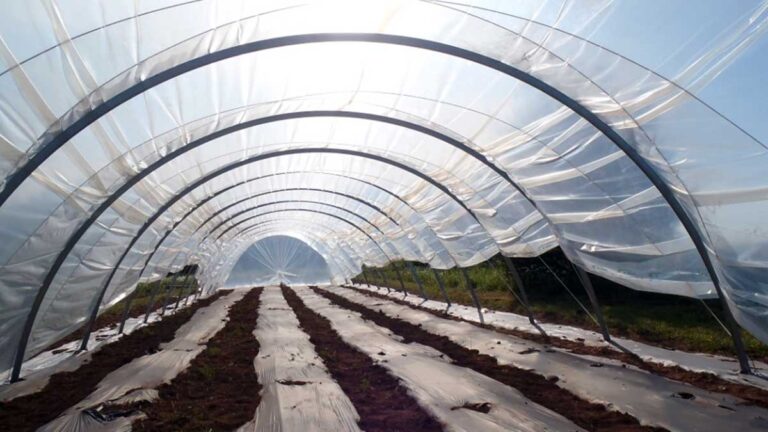
How to fix it: Always line your rose beds and walkways with specialized mulch film or heavy-duty woven ground covers. This simple operational step traps the moisture in the root zone where the plants actually need it, keeps the ambient air dry to prevent fungal spores, and stops weeds from competing with your premium flowers for nutrients.
Sourcing OEM Supply: Why Partner with HONREL?
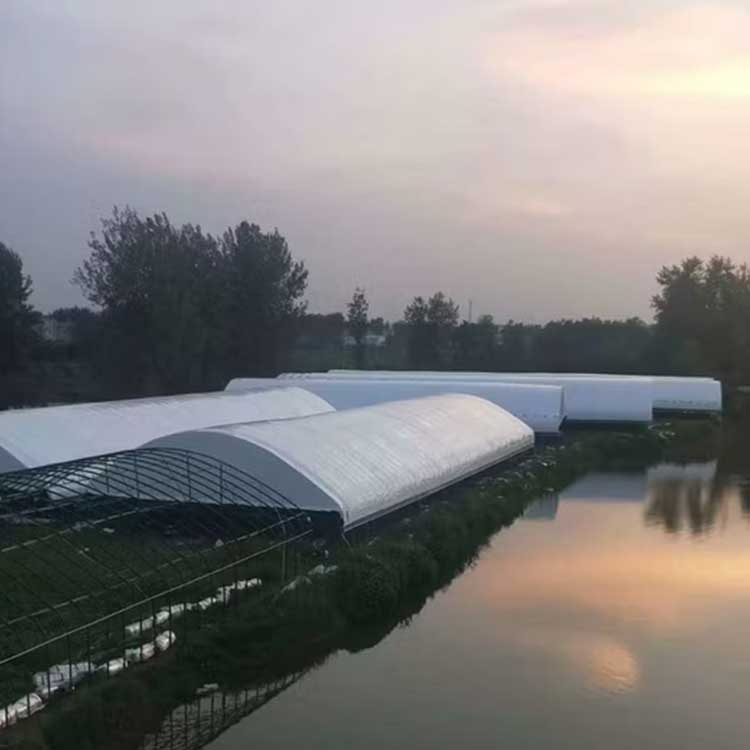
If you are an agricultural distributor or managing a multi-hectare floriculture project, buying retail plastic from a middleman destroys your profit margins. You need a dedicated factory partner who understands polymer chemistry and agricultural engineering.
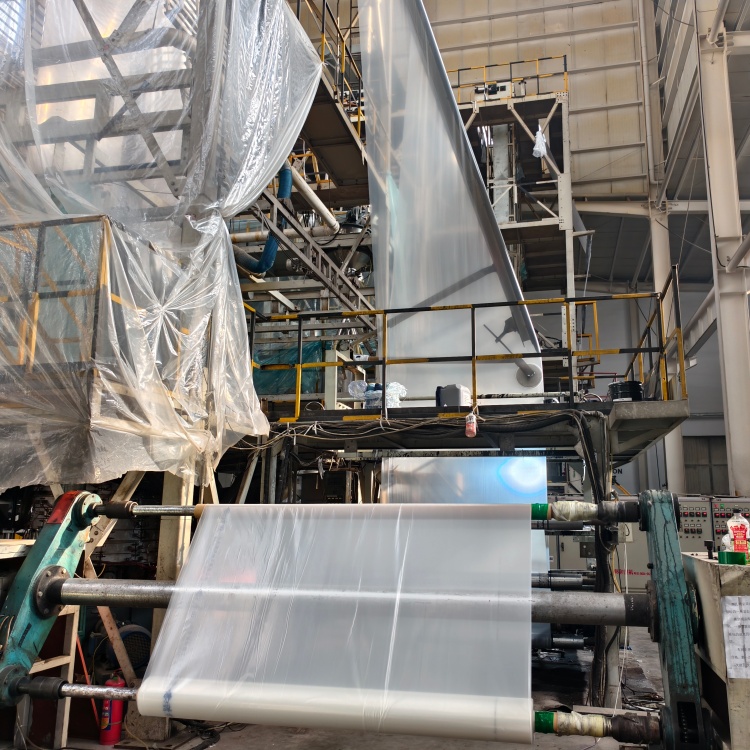
At HONREL AGRICULTURE, we don’t just sell off-the-shelf plastic. We manufacture our films using advanced 5-layer co-extrusion technology. We blend 100% virgin LDPE, LLDPE, and Metallocene with highly specific yellow masterbatches to achieve the exact light transmission and UV-blocking cutoff your roses need.
Custom OEM Capabilities
Because we are the direct factory, we customize the film to your exact commercial demands:
Custom Thickness: We can extrude films from a lightweight 60 microns (2.4 mil) up to a heavy-duty 200 microns (8 mil) for regions dealing with severe winds, sandstorms, and snow loads.
Massive Roll Widths: We manufacture custom widths from 4 meters up to 20 meters. This allows you to cover your multi-span greenhouses with zero seams, cutting your installation labor time in half and reducing the risk of wind tears.
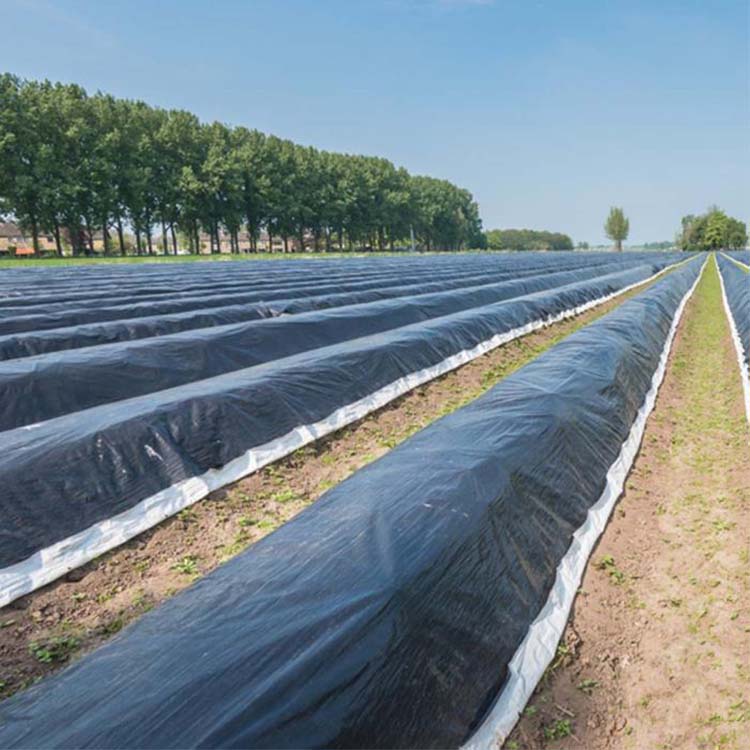
Holistic Agricultural Solutions: Need standard high-tensile PE film for a basic vegetable high-tunnel? Or perhaps you are running a strict light-deprivation setup to force blooming in other crops and need 100% opaque black and white panda film? We manufacture it all under one roof.
5 Frequently Asked Questions (FAQ) for Floriculture Buyers
We speak with B2B wholesale buyers and nursery managers every day. Here are the five most common questions we receive regarding our yellow photoselective films.
Q1: Will the yellow tint reduce the overall light my roses receive?
A: No, it alters the quality of the light, not the quantity. Our yellow PO film is engineered to maintain a massive 90%+ total Photosynthetically Active Radiation (PAR) transmission. It simply converts direct, harsh light into soft, diffused light, which actually increases the total photosynthetic activity across the entire plant.
Q2: How does the anti-drip coating on PO film differ from standard PE?
A: Standard PE uses “migratory” soapy additives mixed into the plastic. These wash away in about 6 to 12 months. On our PO film, the anti-drip is a specialized nano-coating that is permanently bonded to the interior layer during the high-heat extrusion process. It lasts for the entire 3 to 5-year lifespan of the film.
Q3: Does UV-blocking film affect bees if I use them for pollination?
A: Yes, it can. Bumblebees and other pollinators use UV light to navigate. If you rely heavily on bees inside your greenhouse, you must test the environment first, as a strict UV-blocking film (up to 380 nm) can disorient them. However, since most commercial cut-rose growers do not want their roses pollinated (as it ruins the commercial flower shape), this is usually a massive benefit, not a drawback.
Q4: Which side of the film should face the inside of the greenhouse?
A: PO film is strictly directional. The side with the permanent anti-drip nano-coating must face inward toward the crops. If installed upside down, the condensation will not sheet off, and the anti-drip function will fail. We clearly mark the “Inside/Outside” on all our OEM roll packaging to prevent installation errors.
Q5: What is the Minimum Order Quantity (MOQ) for factory-direct wholesale?
A: Because we run massive industrial 5-layer extrusion lines, our MOQ is generally based on raw tonnage (typically 1 to 2 Tons, depending on your custom width and thickness requirements). Buying in bulk direct from our factory guarantees you the absolute best commercial B2B pricing on the market.
Conclusion: Stop Burning Your Profits
In the highly competitive world of commercial floriculture, visual perfection dictates your profit. You cannot afford to have 15% of your roses downgraded to discount markets because of petal darkening, and you absolutely cannot risk a Botrytis outbreak because your cheap plastic roof is dripping cold condensation directly onto your blooms.
By upgrading your facility to HONREL’s photoselective yellow PO film, you take absolute control over your climate. You diffuse the light, eliminate the drips, suppress the pests, and guarantee a 3 to 5-year lifespan for your roof.
Ready to maximize your premium rose harvest and lower your overhead costs? Partner with HONREL AGRICULTURE today. As your dedicated OEM manufacturer, we guarantee factory-direct pricing, custom sizing, and the high-tech polymer quality your nursery demands.
Get Factory-Direct Insights & Growing Tips
Selecting the right Greenhouse Film or shade mesh is critical for crop success. As a dedicated Agricultural Netting and Film Manufacturer, our experts help you customize UV protection and light transmission based on your local climate. Share your project details for a tailored solution.
HONREL AGRICULTURE engineers films, netting, and drip pipe to your crop, climate, and structure—specs, colors, labeling, and packaging—backed by drawings and spec sheets.
Fast Response & Quick Proofing
Rapid quoting, spec-sheet/sample proofing, and practical engineering support. We align specifications and documentation quickly to keep your project timeline on track.
Consistent Quality & Traceability
UV-stabilized formulations, process QC, and lab checks for optics/mechanics—plus lot-level tracking. COA/test reports available; export packing and labeling are standardized.