Aquaculture ponds need anti-bird netting that blocks access to fish or shrimp while staying light enough for large spans. Mesh size, twine strength, UV stabilization, support cable layout, pond width, and service access determine practical performance.
Оглавление
Aquaculture Netting Must Cover Large Open Water Efficiently
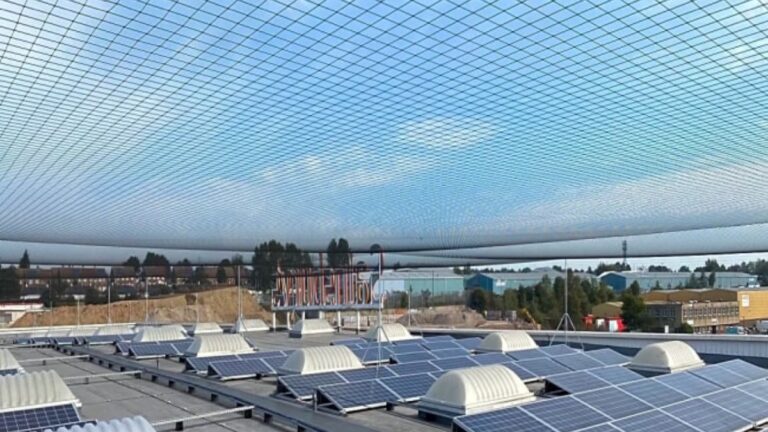
Fish and shrimp ponds attract birds because open water provides easy feeding access. anti-bird netting manufacturer products for aquaculture need a different mindset from orchard netting. Pond spans are large, humidity is high, and service access must remain possible for feeding, aeration, and harvest.
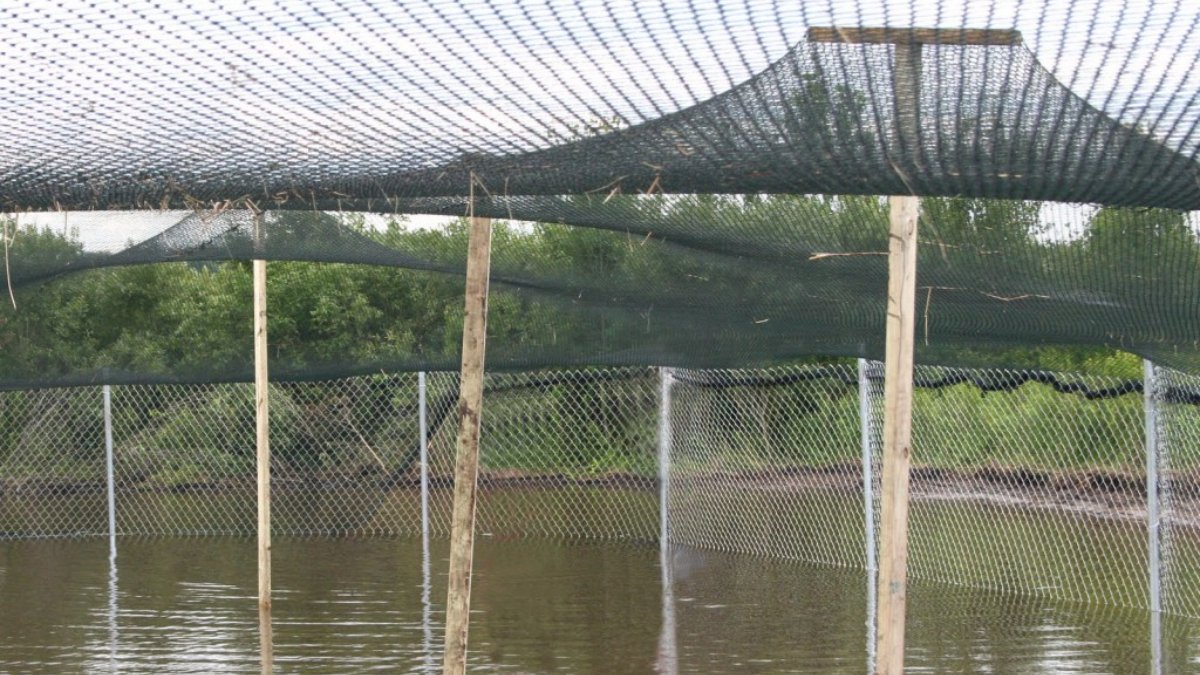
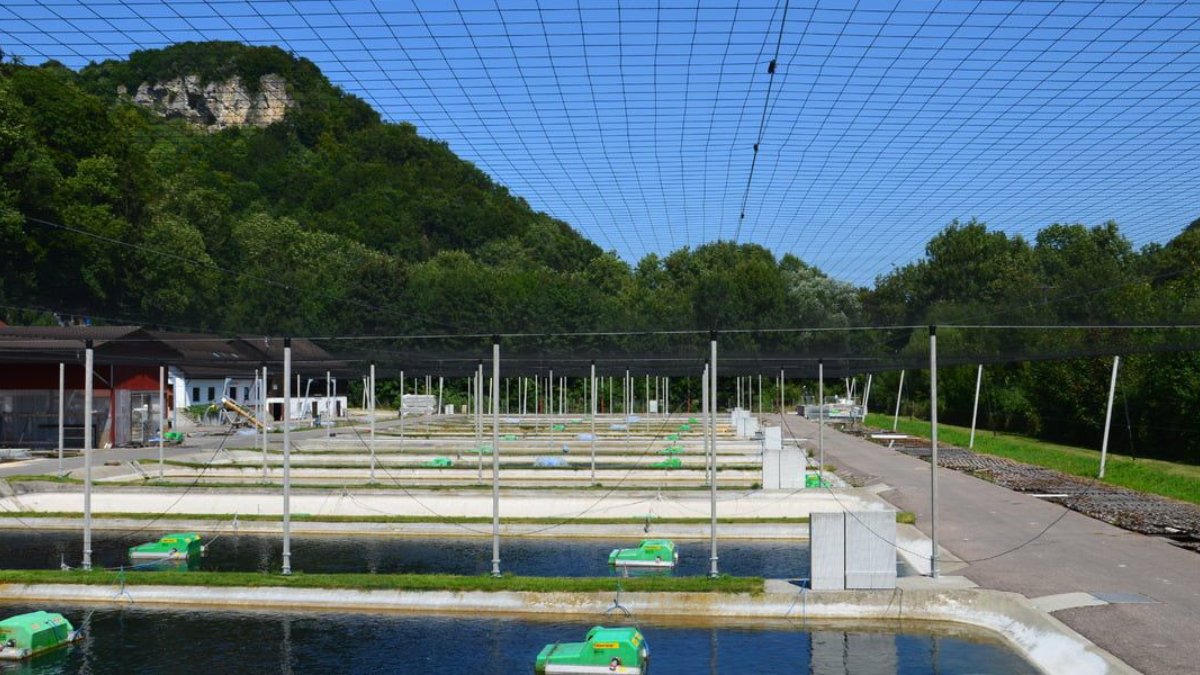
Large mesh is often preferred when the goal is bird exclusion without creating unnecessary weight. The mesh should be small enough to prevent target birds from entering the pond area, but open enough to reduce wind load and keep installation manageable. Support structure design decides whether the net stays above the water instead of sagging into it.
Mesh Size And Support Layout Work Together
A net cannot be specified by mesh size alone. Large ponds need support cables, posts, edge anchoring, and sometimes segmented coverage. If support spacing is too wide, the net sags. If the mesh is too dense, wind load increases. If the edge fixing is weak, birds find entry points near the bank.
Pond factor
Technical response
wide pond span
support cable and lighter mesh
strong bird pressure
proper mesh size and sealed edges
daily feeding
access openings or removable sections
high UV exposure
UV-stabilized HDPE material
windy site
lower wind load and stronger anchoring
agricultural netting manufacturer experience helps here, but aquaculture ponds need their own layout drawing because water access, aerators, and bank shape are unique.
Installation Around Pond Operations
The net should not block routine work. Feeding points, water quality checks, equipment repair, and harvest access must be designed into the installation. A net that is difficult to open will be left loose, and loose sections become bird entry points. Practical design keeps protection and operation in balance.
Map pond dimensions before choosing roll width.
Plan support cables to prevent sagging into water.
Keep access points controlled and easy to close.
Use reinforced edges where the net is tied to posts or cables.
Color may also matter. Black netting often gives a clean visual line and UV performance, while other colors may be requested for site visibility or farm preference.
HONREL Supply For Aquaculture Protection
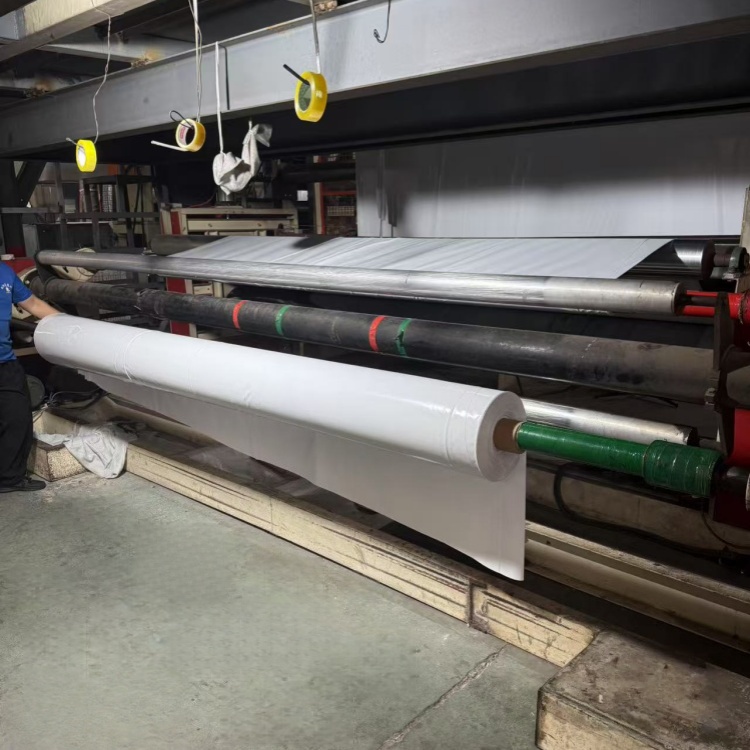
СЕЛЬСКОЕ ХОЗЯЙСТВО ХОНРЕЛ can supply anti-bird netting with custom mesh size, width, length, color, twine strength, UV package, and packing. Related agricultural netting wholesale orders can include bird, shade, or insect netting, but each product should keep a separate technical record.
For aquaculture, the useful specification includes pond size, target bird type, support spacing, edge fixing method, expected service life, and access requirements. Those details reduce the risk of ordering a net that is strong on paper but awkward over water.
Pond Access Must Be Designed Into The Net Layout
Aquaculture protection fails when the net blocks normal pond work. Feeding, aerator repair, water sampling, and harvesting all require access. If access openings are inconvenient, staff may leave sections loose, and birds will use those gaps. A good pond layout includes controlled openings that close quickly and stay tight after repeated use.
Large mesh is often practical over ponds because it reduces weight and wind load, but mesh choice must still block the target bird. Support cables should hold the net above the water surface. Sagging sections collect debris, touch aerators, or give birds a landing point.
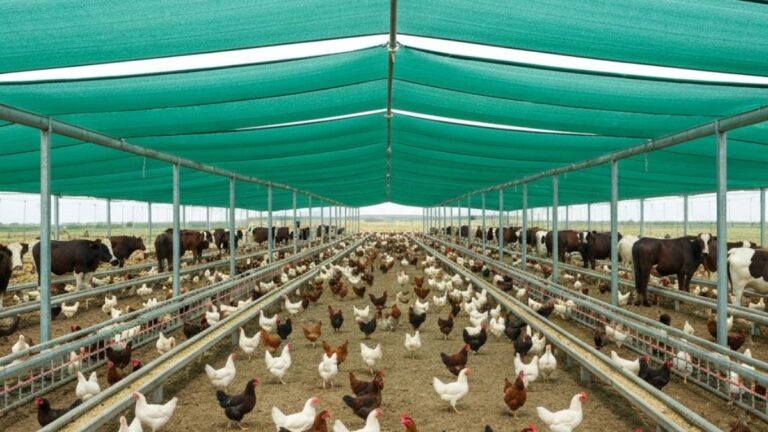
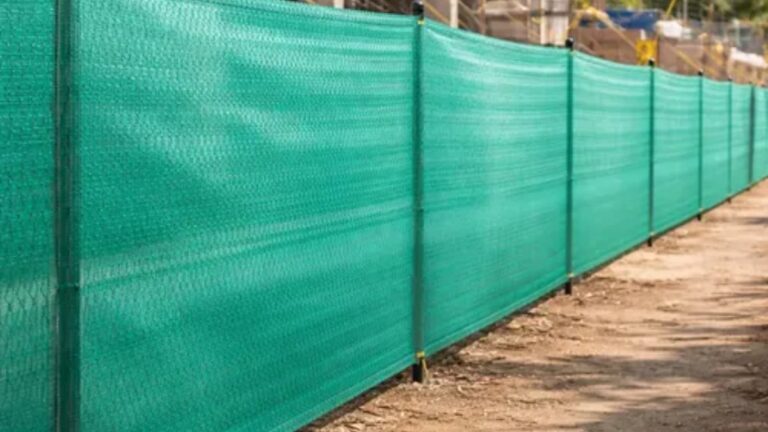
For sites that combine pond protection with shade structures, производитель затеняющих сеток products should be specified separately from bird exclusion netting. The job is different even when the material family is similar.
Draw pond width and service points before confirming net size.
Seal bank edges so birds cannot enter from the side.
Keep access sections easy to close after feeding or inspection.
Choose UV-stabilized material for open-water exposure.
Bird Pressure Changes By Season
Aquaculture farms should review bird pressure by season, not only at installation. Migratory periods, harvest timing, low water levels, and feeding routines can change bird behavior. A pond that seems low-risk in one month may need tighter protection later. Net layout should allow adjustment without dismantling the entire structure.
Routine inspection should include bank edges, cable tension, sagging areas, and access openings. If the net touches water, algae and debris can add weight. Keeping the net lifted protects the material and keeps birds from using the surface as a landing point.
Contact HONREL AGRICULTURE for Custom Anti-Bird Netting
HONREL AGRICULTURE manufactures customizable anti-bird netting for fish and shrimp farms. Mesh size, dimensions, twine strength, UV stabilization, and edge reinforcement can be tailored to your pond conditions and installation requirements.
Looking for a reliable aquaculture netting manufacturer? Contact HONREL AGRICULTURE to discuss your project requirements and request a quotation.
Часто задаваемые вопросы
Q1: What mesh size is suitable for fish and shrimp pond bird netting?
A: Mesh size depends on target bird size, pond layout, wind exposure, and support spacing. It must block bird entry while keeping the net manageable.
Q2: Can anti-bird netting cover large aquaculture ponds?
A: Yes, but large spans require support cables, posts, edge anchoring, and a layout that prevents sagging into water.
Q3: Why is UV stabilization important?
A: Pond netting stays outdoors under direct sunlight, so UV stabilization helps maintain strength and service life.
Q4: Will bird netting interfere with pond work?
A: It can if access is not planned. Feeding, aeration, inspection, and harvest openings should be designed before installation.
Q5: Can HONREL customize aquaculture anti-bird netting?
A: Yes. Mesh size, width, length, color, twine strength, UV package, edge design, and packing can be customized.
Получите информацию непосредственно от производителя и советы по выращиванию.
Выбор правильного Greenhouse Film Затеняющая сетка имеет решающее значение для успешного выращивания урожая. Как преданный своему делу специалист, я считаю, что она крайне важна. Производитель сельскохозяйственных сеток и пленокНаши эксперты помогут вам подобрать оптимальную защиту от УФ-излучения и светопропускание с учетом климатических условий вашего региона. Предоставьте подробную информацию о вашем проекте для получения индивидуального решения.
OEM-производство и персонализация под собственной торговой маркой
СЕЛЬСКОЕ ХОЗЯЙСТВО ХОНРЕЛ Инженеры подбирают пленки, сетки и капельные трубы в соответствии с вашими культурами, климатом и конструктивными особенностями — технические характеристики, цвета, маркировка и упаковка — подкрепленные чертежами и техническими спецификациями.
Быстрый отклик и оперативная проверка.
Быстрое составление смет, проверка спецификаций/образцов и практическая инженерная поддержка. Мы оперативно согласовываем спецификации и документацию, чтобы ваш проект выполнялся в срок.
Стабильное качество и отслеживаемость.
УФ-стабилизированные составы, контроль качества процесса и лабораторные проверки оптических и механических характеристик, а также отслеживание партий. Доступны сертификаты анализа/отчеты об испытаниях; стандартизированы экспортная упаковка и маркировка.