Diamond vs Square Mesh Bird Netting: What Orchard Suppliers Should Know Before Ordering in Bulk
choose the shape for how the net will be installed. Diamond mesh suits nets that are draped and pulled over rows, because it stretches and settles over the canopy. Square mesh suits nets fixed on frames or wires, where you want the holes to keep their shape. Then get the hole size and the anchoring right, because that's what actually keeps birds out.
When a grower calls a distributor after the season about bird netting, it’s rarely because they picked the “wrong” mesh shape. It’s usually one of three things: birds got in, the net tore or blew off, or putting it on and taking it off took far longer than expected. Diamond versus square mesh plays a part in all three, but so do hole size, how the net is made, and how it’s fixed down.
Оглавление
What Is the Difference Between Diamond and Square Mesh Bird Netting?
Mesh Geometry and Effective Opening Size
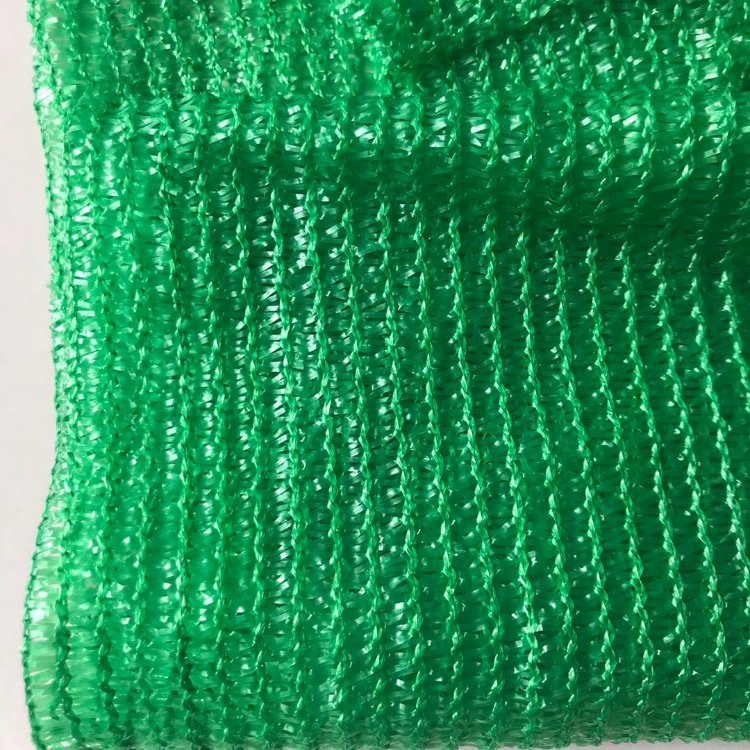
Hold a piece of each up to the light. In square mesh, the strands run along and across the roll, and the openings are squares. In diamond mesh, the strands run at an angle and cross each other, so the openings are diamonds.
They’re also built differently. According to a netting manufacturer’s technical note, diamond netting has strands laid over one another and looks the same from both sides, while square netting has one smooth side and one slightly bumpy side where the lengthwise strand sits higher. That’s a detail most growers never notice, but it explains why the two handle differently on a reel.
The number that matters to the bird is the size of the hole once the net is in place, not the nominal size on the label. More on that next. When you compare bird netting from different suppliers, ask for the hole size as installed in both directions.
How Stretching and Installation Tension Change Mesh Shape
This is the part that causes the most confusion. Pull a diamond net along its length and the diamonds get longer and narrower. Let it hang loose and they open up again. So a diamond net’s openings change with tension, and how you install it changes the gap a bird has to get through.
Square mesh holds its shape better when pulled along one direction, though the same note points out that square netting can be stretched to form more rectangular openings. On a frame or tensioned wires, where the net sits fairly evenly, square mesh keeps closer to its stated size.
So when a grower says “birds got through a net that should have stopped them,” the first question is how tight, or how loose, the net was hung.
How to Select Mesh Openings Based on Bird Size and Orchard Conditions
Start with the smallest bird causing damage, not the most common one. Starlings, sparrows and finches need a smaller hole than pigeons or crows. The University of Minnesota Extension puts typical bird netting mesh at ½ to ¾ inch (roughly 12–19 mm), which is a sensible range for most fruit work. Go to the smaller end where small birds are the problem, and allow for how much a diamond net will open up when it hangs slack.
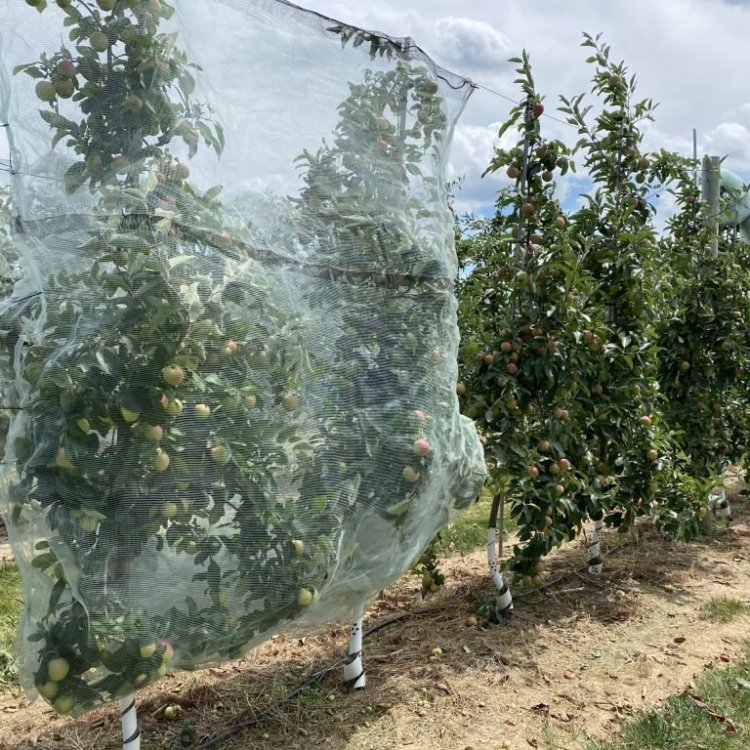
Orchard layout matters too. A block of trained trees or vines on a trellis can be covered row by row. A block of large, free-standing trees is far easier to protect with an overhead structure than by draping nets over each tree. The UMass fact sheet on netting fruit makes the same point: putting netting over mature plants is difficult, and a post-and-wire frame makes the job manageable.
If your growers also deal with hail, the same frame can often carry сетка от града. Hail nets usually have a smaller mesh than bird nets, so one net may do both jobs. It’s worth asking before you quote two products.
Which Mesh Shape Is Easier to Install in Commercial Orchards?
Individual Tree and Row Coverage
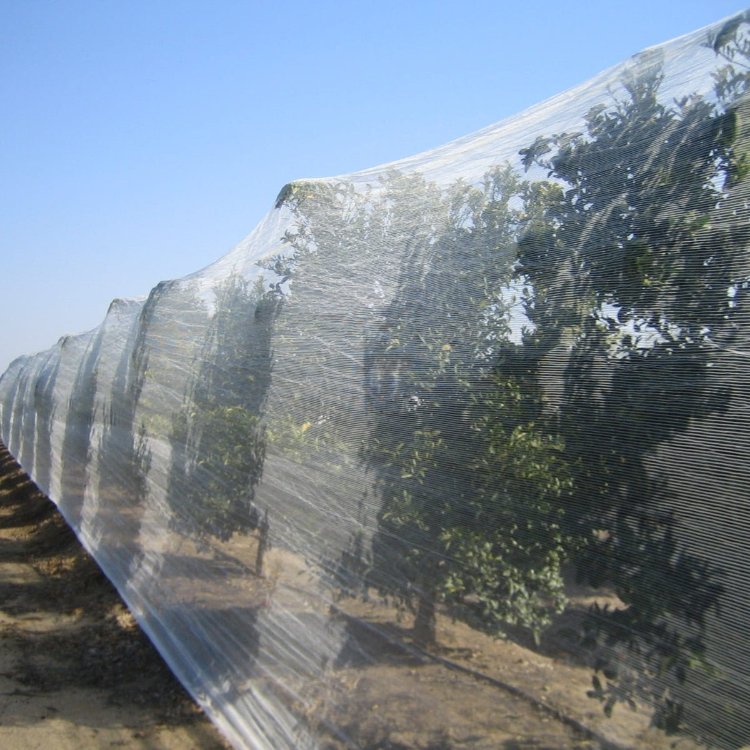
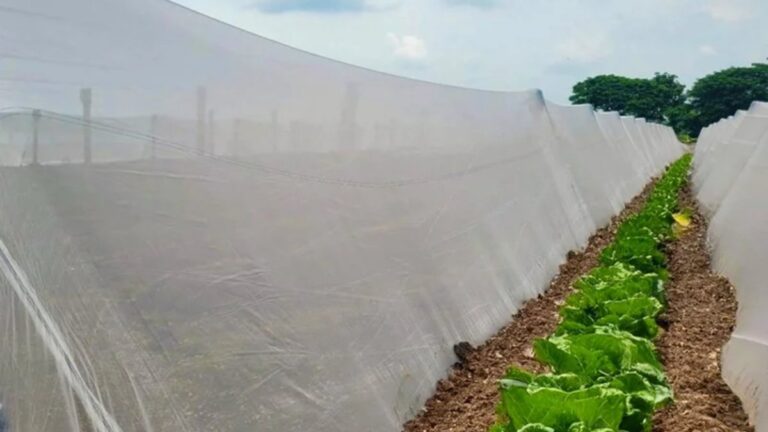
For nets thrown or pulled over rows, diamond mesh is usually easier. It drapes, gathers into a bundle and settles over uneven canopy without much fuss. The UMN article describes knitted drape nets as flexible enough to bunch easily and be stored in sacks, and notes they can be applied mechanically with a net applicator.
What growers underestimate is wind. UMN warns that netting is prone to blowing off rows without clips, and that drape netting should be clipped under the canopy during or right after installation. Budget clips into the order, not as an afterthought.
Overhead Netting for Large Orchard Blocks
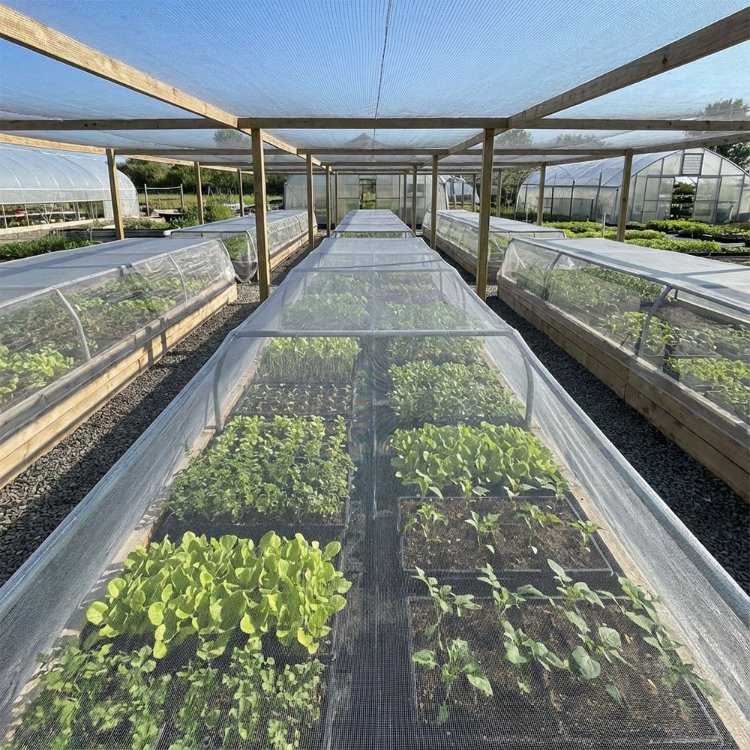
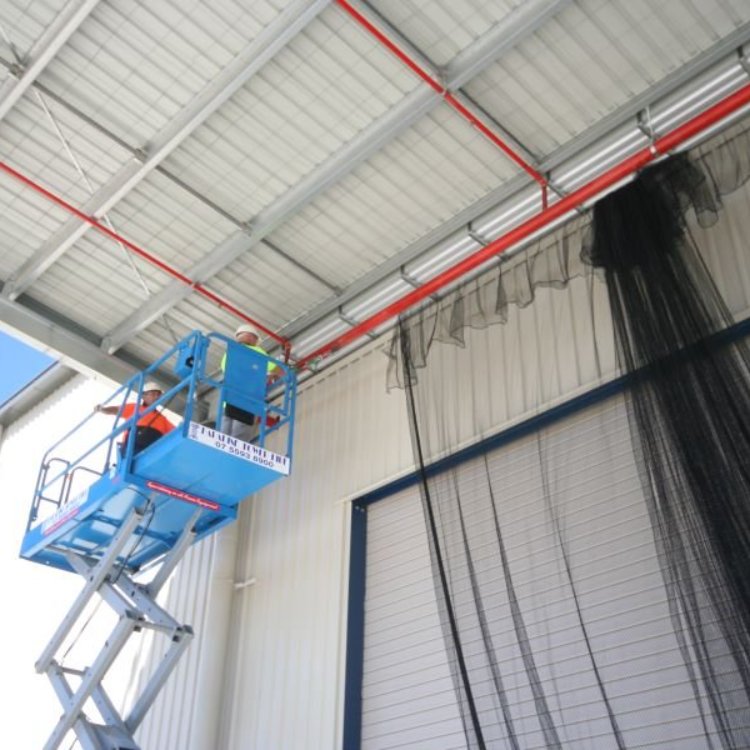
For permanent or semi-permanent overhead systems, square mesh is often preferred. It’s hung on cables over the block, kept fairly tight, and closed down the sides. A stable mesh shape and a clean edge for fixing make that easier.
The overhead system is a bigger investment, but it changes the labor completely: the net is pulled open and closed along the wires each season instead of being laid out and gathered by hand. For large сетка для защиты от птиц projects, it’s worth asking whether the grower already has a structure, or is planning one.
How Do Diamond and Square Mesh Designs Compare in Tear Resistance and Durability?
Shape matters less here than material and weight. A heavier net made from UV-stabilized polyethylene will outlast a lighter one in either shape. Where shape does come in is how damage spreads and how the net is handled. That’s true across most сельскохозяйственная сетка: the resin and UV package decide how long it lasts more than the pattern does.
Drape nets get pulled over branches, dragged across the ground and gathered up again every season, so they wear at the points where they snag. Overhead nets mostly suffer from wind flexing and rubbing at the cables. Either way, ask for the weight per square meter, the UV stabilization and the expected life in your growers’ climate, rather than choosing by shape alone.
One thing that saves a lot of damage: storing nets properly. UMN suggests labeling each net by row length so it goes back on the same row next year. That also means fewer nets cut to fit and fewer weak spots.
How Do Mesh Structure and Roll Dimensions Affect Installation Labor and Cost?
Labor is where most of the real cost sits, and roll size drives it. A net cut to the right width for one pass over a row goes on faster than two narrow nets joined in the field. A roll length that matches the row means no splicing and nothing left over.
UMN also notes that some netting methods need more people than others, and advises planning crew size before the job, and even wearing buttonless shirts because buttons catch in the mesh. Small details, but they say a lot about how fiddly netting can be.
For suppliers, this means asking growers for row length, row spacing and canopy height before quoting, and offering nets sized to fit rather than one standard roll. Many factories, ours included, can cut and pack nets to row length as a custom order, which saves the grower a lot of cutting in the field.
What the grower says after the season
Usual cause
What to change in the next order
Birds still got in
Holes too big for the smallest bird, or diamond mesh opened up when hung loose
What Bird Netting Specifications Should Wholesale Buyers Confirm?
Effective Aperture, Material, UV Treatment and Roll Size
Confirm with your supplier:
mesh shape, and the hole size as installed, not just the nominal size
material and weight per square meter
UV stabilization and expected life in your market
width and length to match typical rows or frames
color, if growers have a preference (black is common and less visible from a distance)
Edge Finishing, Packaging and Installation Requirements
Ask whether the edges are reinforced, especially for overhead nets fixed to cables. Check how nets are folded and packed: drape nets in bundles or sacks for easy pulling, overhead nets on rolls for unrolling along a cable. If you supply clips, cables or anchors as well, agree on them at the same time.
Edges matter for another reason too. UMass warns that birds will tunnel under netting if it isn’t secured. A net that reaches the ground and is weighted or pinned down there is much harder to get under.
How Can Orchard Suppliers Verify Bird Netting Quality Before Bulk Purchasing?
Before committing a container:
Get samples of each mesh you’re considering and check the hole size, both relaxed and pulled.
Weigh a measured piece to confirm the weight per square meter.
Pull a strip by hand along and across the roll. It shouldn’t tear easily or stretch out of shape.
If you can, put a few nets out with growers for a season and ask what went wrong.
Agree on a reference sample and check the bulk order against it on arrival.
We make bird netting in diamond and square mesh, in custom widths and lengths. Send us your growers’ row sizes and the birds they’re dealing with, and we’ll suggest a mesh and send samples.
Получите информацию непосредственно от производителя и советы по выращиванию.
Выбор правильного Greenhouse Film Затеняющая сетка имеет решающее значение для успешного выращивания урожая. Как преданный своему делу специалист, я считаю, что она крайне важна. Производитель сельскохозяйственных сеток и пленокНаши эксперты помогут вам подобрать оптимальную защиту от УФ-излучения и светопропускание с учетом климатических условий вашего региона. Предоставьте подробную информацию о вашем проекте для получения индивидуального решения.
OEM-производство и персонализация под собственной торговой маркой
СЕЛЬСКОЕ ХОЗЯЙСТВО ХОНРЕЛ Инженеры подбирают пленки, сетки и капельные трубы в соответствии с вашими культурами, климатом и конструктивными особенностями — технические характеристики, цвета, маркировка и упаковка — подкрепленные чертежами и техническими спецификациями.
Быстрый отклик и оперативная проверка.
Быстрое составление смет, проверка спецификаций/образцов и практическая инженерная поддержка. Мы оперативно согласовываем спецификации и документацию, чтобы ваш проект выполнялся в срок.
Стабильное качество и отслеживаемость.
УФ-стабилизированные составы, контроль качества процесса и лабораторные проверки оптических и механических характеристик, а также отслеживание партий. Доступны сертификаты анализа/отчеты об испытаниях; стандартизированы экспортная упаковка и маркировка.