Strawberry Mulch Film Wholesale | Weed Control for Berry Farms
High-performance strawberry mulch film for commercial berry farms. Reduce manual weeding, cut water loss by 25%, and boost marketable yield by 15–30% with HONREL AGRICULTURE.
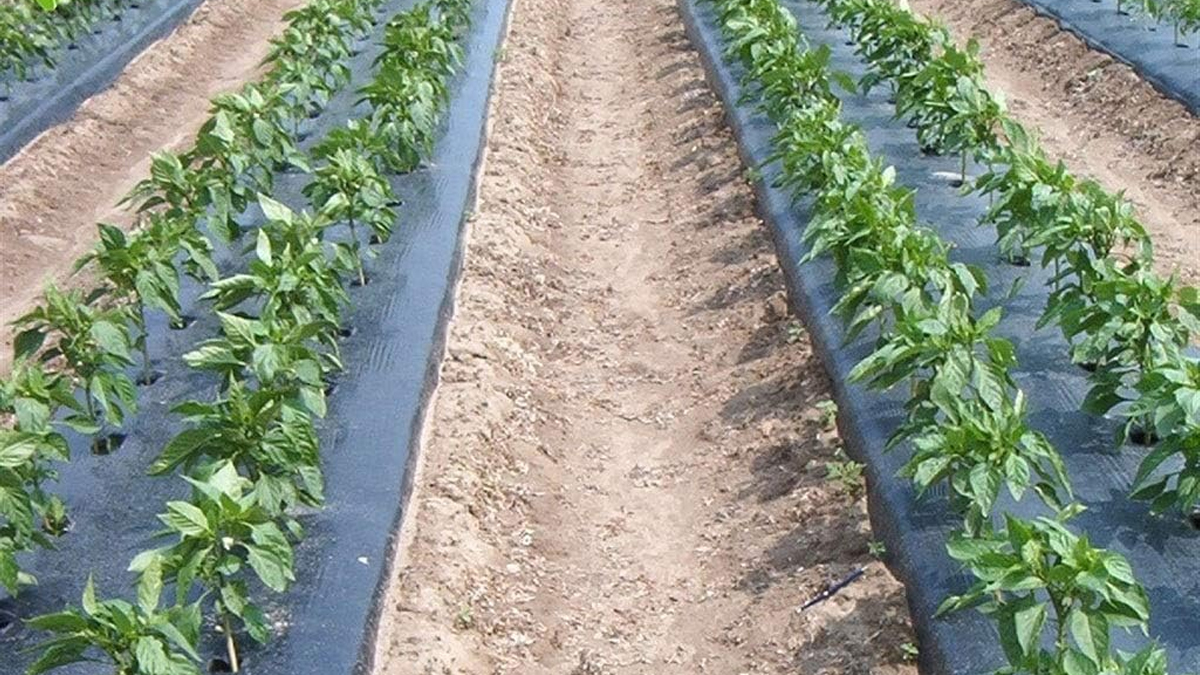
If you’re looking for the short answer to why professional berry farms are obsessed with high-quality mulch film, here it is: It’s the only way to virtually eliminate manual weeding, reduce water evaporation by up to 25%, and boost your marketable yield by 15% to 30%. By using specialized Mulch Film, you aren’t just covering the soil; you’re creating a controlled microclimate that forces strawberries to grow faster, cleaner, and larger.
At HONREL AGRICULTURE, we’ve spent years working with commercial growers from California to Korea, and we’ve seen firsthand that the difference between a “good” harvest and a “record-breaking” one often comes down to the quality of the plastic on the bed.
Table of Contents
1. Why Commercial Berry Farms are Moving to Advanced Plasticulture
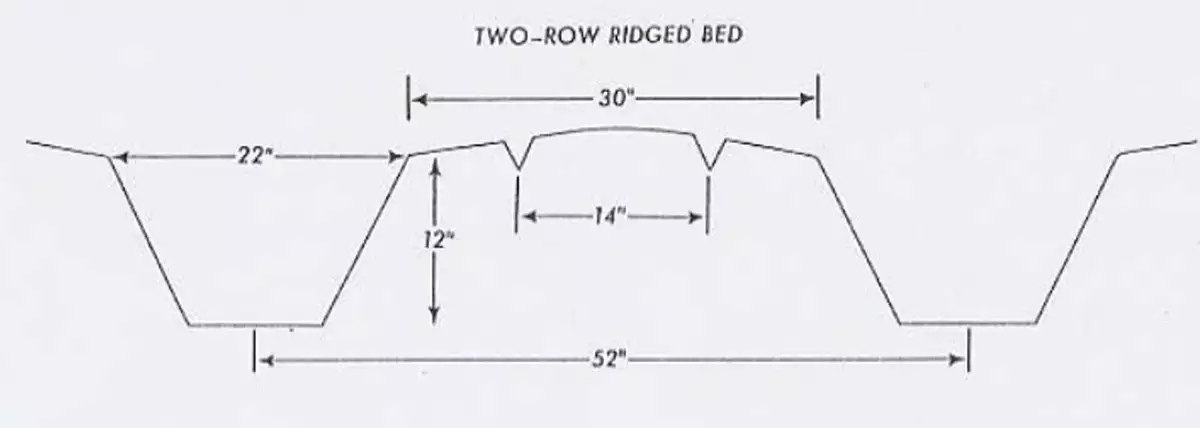
Let’s be real: labor is your biggest expense. If you’re still paying a crew to hand-weed your strawberry rows, you’re burning profit. According to research from UC Davis (Agricultural & Natural Resources), “Plasticulture” systems—using raised beds covered in plastic film—can increase productivity by 2.5 times compared to traditional matted-row systems (Source: UC ANR Strawberry Production Guide).
Maximizing Yield: The 60% Boost
In experience, when a farm switches to a high-opacity Wholesale Mulch Film, you can see a fancy word for getting your berries to market 10–14 days earlier. In the berry world, being first to market means hitting those peak early-season prices.
2. Technical Comparison: Which Mulch Film is Right for Your Farm?
Not all plastic is created equal. Depending on your climate and strawberry variety, you need a specific light-transmission profile.
Black Mulch Film: The Industry Workhorse
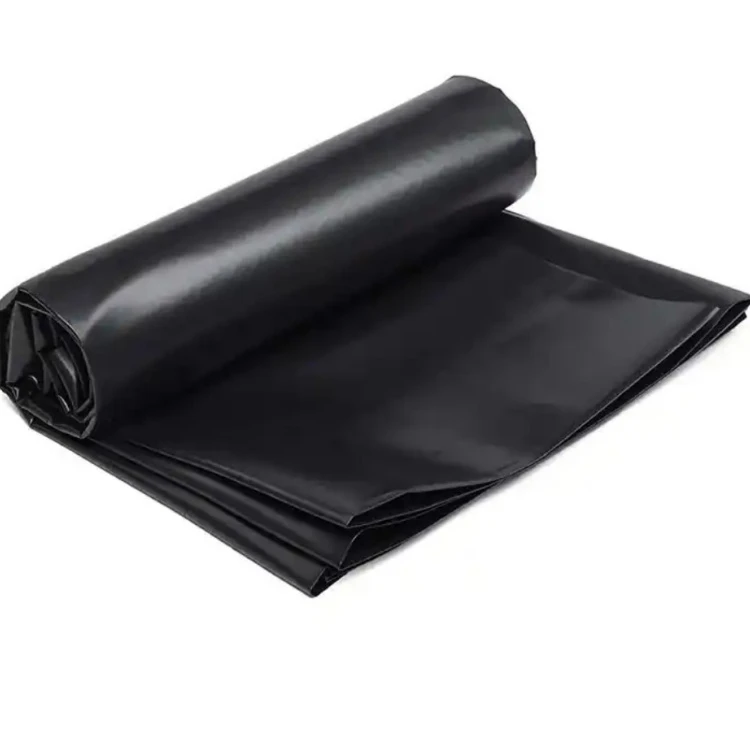
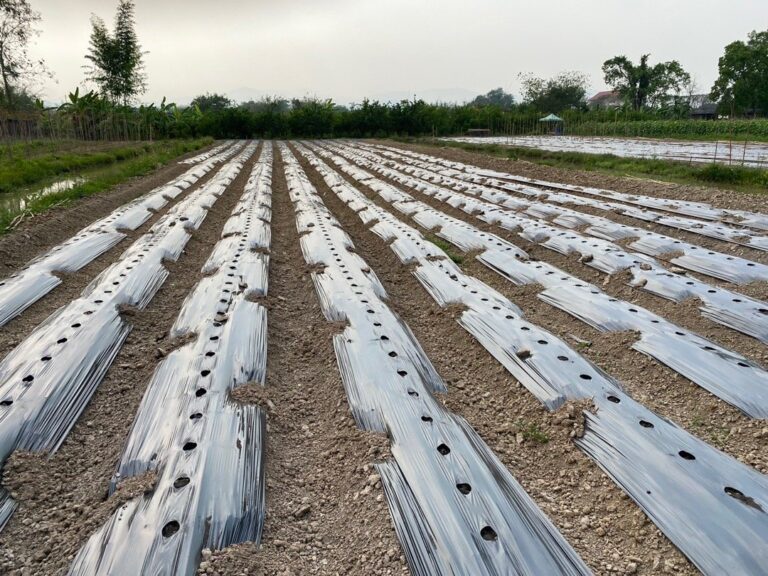
This is the standard for a reason. It’s nearly 100% opaque, meaning it kills weeds by starving them of light. It also absorbs solar radiation, warming the soil by 3°C to 5°C.
Best for: Early season planting in cooler climates.
Source Advantage: As a leading Agriculture Mulch Film Manufacturer, we ensure our black mulch has high carbon black content for total light blockage.
Silver-on-Black: The Pest Repeller
Silver reflects UV light. Why does that matter? It confuses pests like aphids and thrips, keeping them off your plants without heavy chemical use.
Best for: High-heat regions where you want to keep the soil a bit cooler while still blocking weeds. You can find these specs at our Silver Black Mulch Film section.
White-on-Black: The Cooler Choice
In tropical climates (like Mexico or Southeast Asia), black film can actually get too hot and burn the roots. White-on-black reflects the heat while the black bottom layer still stops the weeds. Many of our clients prefer working with a Black and White Mulch Film Manufacturer to customize this for summer crops.
3. The Economics of Quality (Data-Driven Decisions)
When you’re buying wholesale, you’re looking at more than just the price per roll. You’re looking at the Total Cost of Ownership.
Mulch Type
Weed Control %
Soil Temp Delta
Yield ( g/plant )
Durability
Premium Black PE
98%
+4°C
700g
12+ Months
Silver/Black
95%
+1.5°C
650g
12+ Months
Bare Soil (Control)
0%
Baseline
300g
N/A
Data compiled from MDPI Agriculture Research and HONREL Internal Field Trials (2025).
Best Practice #1: The “Tightness” Rule
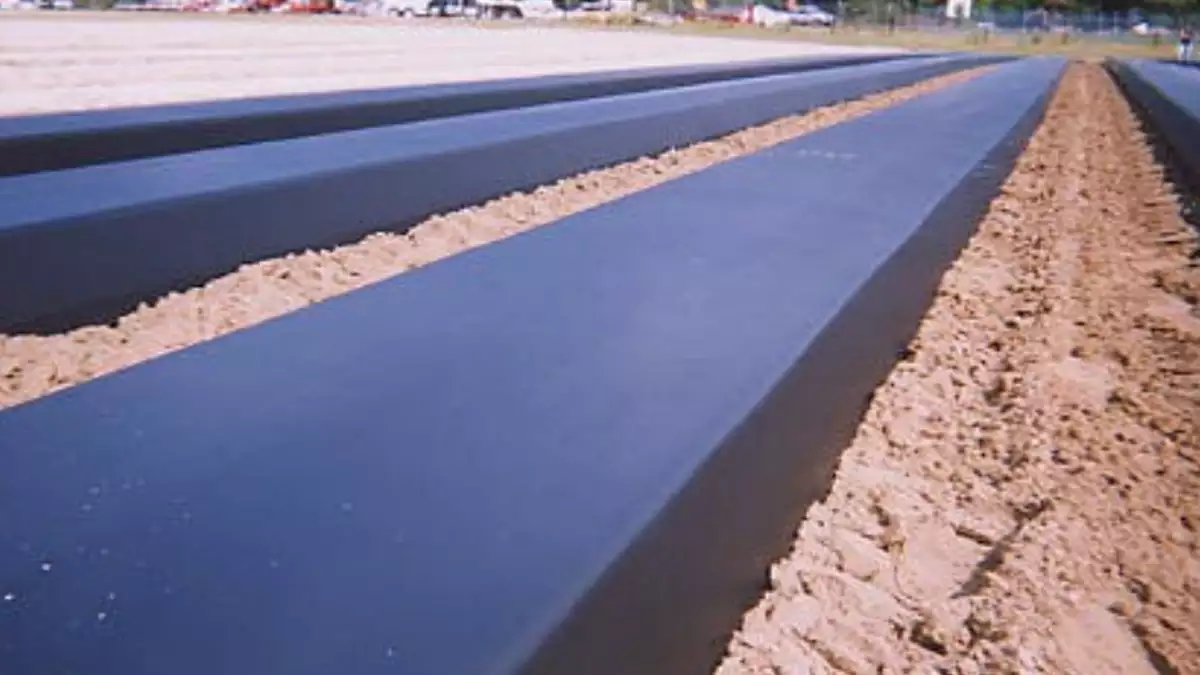
Never leave air gaps between the film and the soil. Air acts as an insulator and prevents the soil from warming up. When laying the film, ensure the bed former stretches it tight—like a drum. This increases heat transfer and prevents the wind from tearing the plastic.
4. Solving the Removal Dilemma: Biodegradable vs. PE
One of the biggest complaints we hear from commercial growers is the cost of picking up the plastic at the end of the season.
Standard PE: Requires manual removal and disposal fees. It’s tough, reliable, and cheap upfront.
Biodegradable Mulch: Research from Washington State University (WSU) shows that Mater-Bi based films can degrade directly in the soil after tilling, saving roughly 150–150–150– 200 per acre in labor (Source: WSU Agriculture Research).
If you aren’t ready for biodegradable but still need heavy-duty weed suppression for pathways, we often recommend a Weed control mat Manufacturer for long-term multi-season use.
5. Wholesale Sourcing: What to Look for in a Global Supplier
If you are a distributor or a large-scale farm project manager, you can’t afford a “bad batch.” Here is what we prioritize at HONREL AGRICULTURE:
UV Stabilization: For strawberries, you need at least 6–12 months of UV protection. Without it, the plastic will “flake” into the soil before the harvest is over.
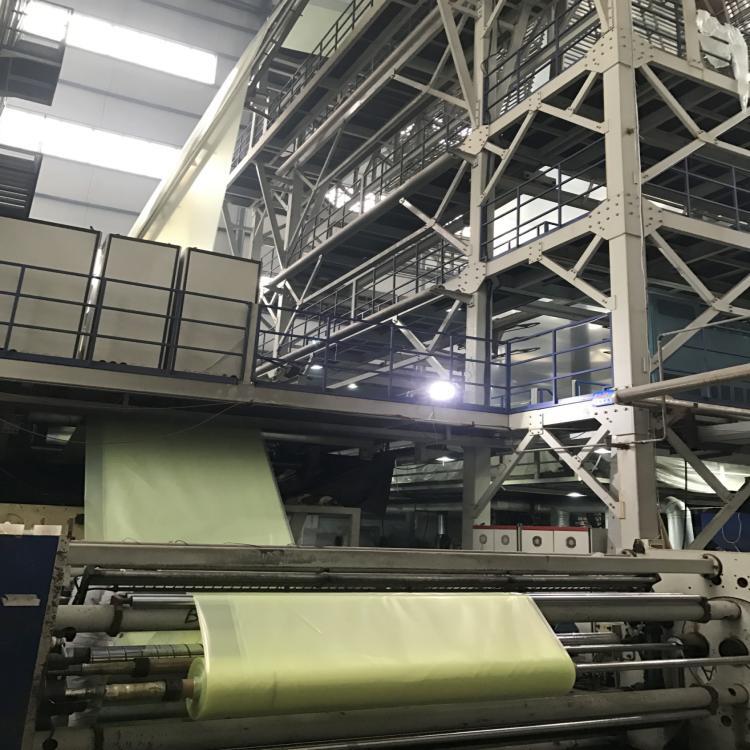
Micron Consistency: We use multi-layer co-extrusion technology to ensure that a 25-micron film is actually 25 microns across the entire width.
Custom Perforation: Every farm has a different plant spacing. We offer custom-punched holes to save you the labor of manual cutting in the field.
Quote from the Field: “The puncture resistance is what makes or breaks a wholesale deal. If the film tears every time a worker steps on the bed, it’s worthless.” — Sourcing Manager, Spanish Berry Cooperative.
6. Installation Best Practices for Maximum Efficiency
You’ve bought the best film—now don’t ruin it with poor installation.
Step 1: Perfect Bed Conditioning
Ensure the soil is friable and free of large clods or sticks. A sharp stick can ruin a 1000m roll in seconds.
Step 2: Drip Tape Placement
Always place your drip tape under the mulch, centered on the bed. This prevents evaporation and delivers “fertigation” directly to the root zone.
Step 3: Use the Right Thickness
For annual strawberries, 1.0 mil to 1.25 mil (25-32 microns) is the “sweet spot.” Anything thinner risks tearing; anything thicker is a waste of money for a single season.
7. FAQ: What Our Clients Often Ask
Q: Can I use clear film for strawberries? A: Only if you want a weed jungle! Clear film is great for “solarization” (killing everything in the soil), but it doesn’t block light. For growing, you must use an opaque film like black or silver-on-black.
Q: Does the color of the mulch really change the flavor of the berry? A: There is some evidence from the University of Florida (IFAS) suggesting that red mulches can affect light reflection patterns, potentially increasing sugar content, but for most commercial growers, Black or Silver/Black remains the gold standard for yield and pest control.
Q: What is the lead time for a wholesale container? A: At HONREL, we typically run a 2-3 week production cycle, with shipping times depending on your port. We recommend ordering 3 months before your planting season to account for global logistics.
Q: How do I know if the film is UV stabilized? A: Always ask for a technical data sheet (TDS). High-quality films will specify the “kly” (kilolangley) rating or the hours of UV resistance.
Final Thoughts from the HONREL Team
Choosing the right strawberry mulch isn’t just about “covering the dirt.” It’s about engineering a system where your plants don’t have to fight for nutrients, water, or light. When you buy from a dedicated Wholesale Mulch Film partner, you’re buying an insurance policy for your harvest.
Ready to upgrade your berry farm? HONREL AGRICULTURE provides factory-direct pricing on premium PE and specialty films designed for the world’s toughest growing conditions. Let’s grow something great together.
References & Data Sources:
UC ANR: Strawberry Production Guide & Weed Management
NC State Extension: Strawberry Plasticulture Economics
MDPI Agriculture: Performance of Biodegradable Mulch in Strawberry Systems
UADA E. Barclay Poling: An Introductory Guide to Strawberry Plasticulture
Get Factory-Direct Insights & Growing Tips
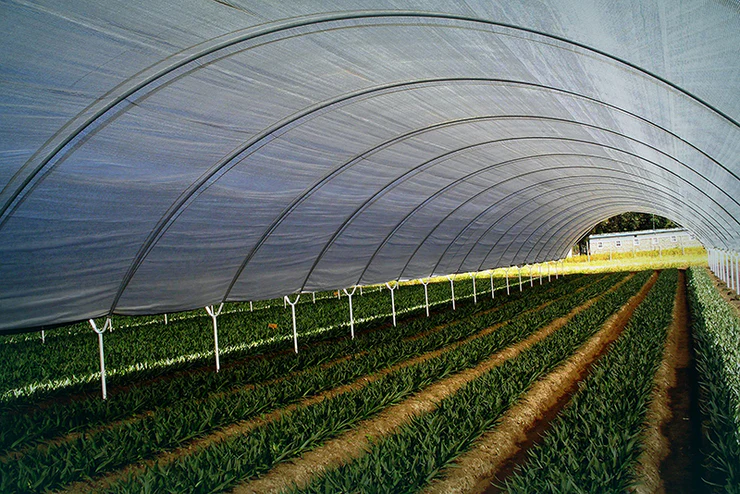
Selecting the right Greenhouse Film or shade mesh is critical for crop success. As a dedicated Agricultural Netting and Film Manufacturer, our experts help you customize UV protection and light transmission based on your local climate. Share your project details for a tailored solution.
HONREL AGRICULTURE engineers films, netting, and drip pipe to your crop, climate, and structure—specs, colors, labeling, and packaging—backed by drawings and spec sheets.
Fast Response & Quick Proofing
Rapid quoting, spec-sheet/sample proofing, and practical engineering support. We align specifications and documentation quickly to keep your project timeline on track.
Consistent Quality & Traceability
UV-stabilized formulations, process QC, and lab checks for optics/mechanics—plus lot-level tracking. COA/test reports available; export packing and labeling are standardized.