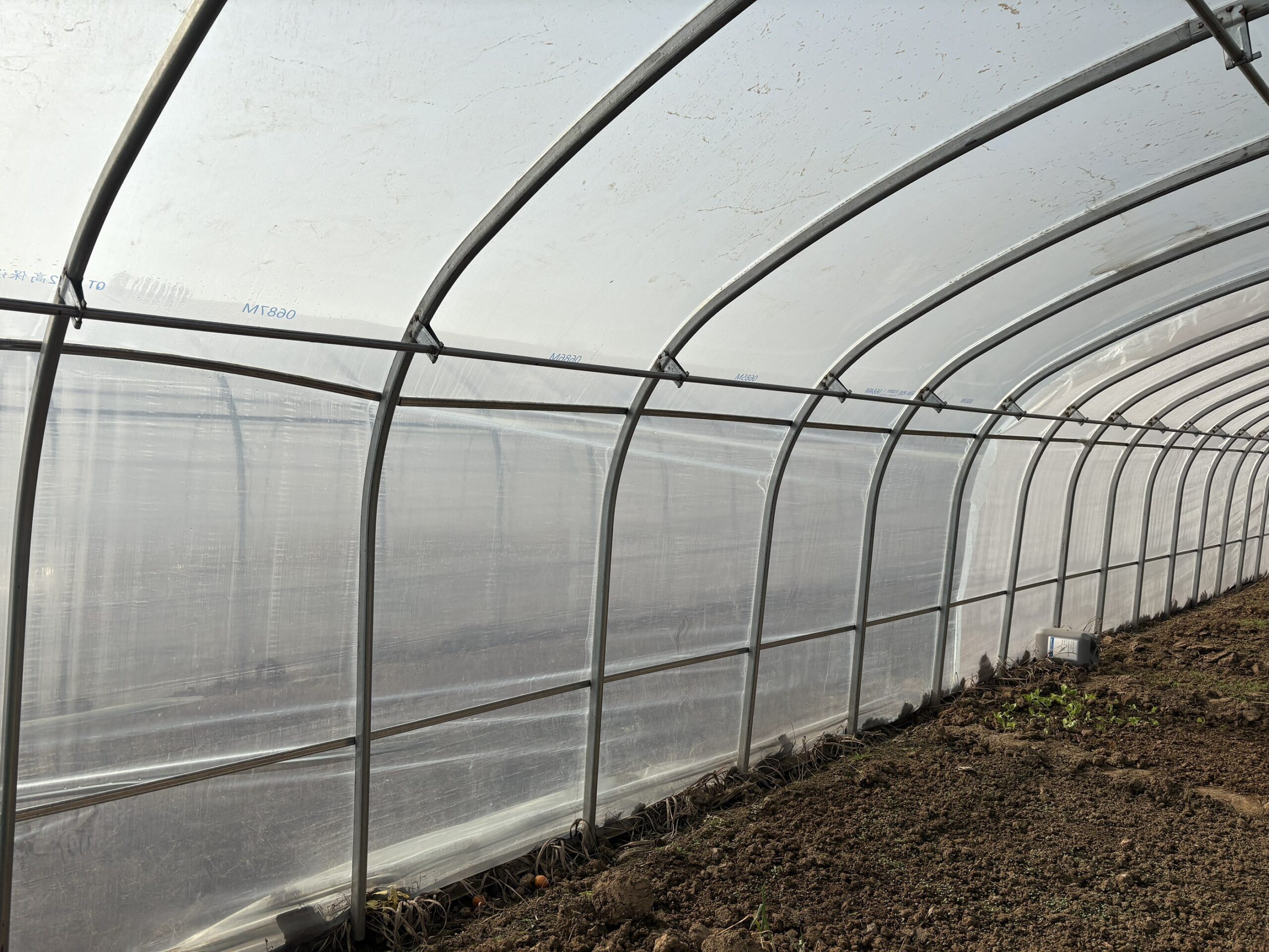
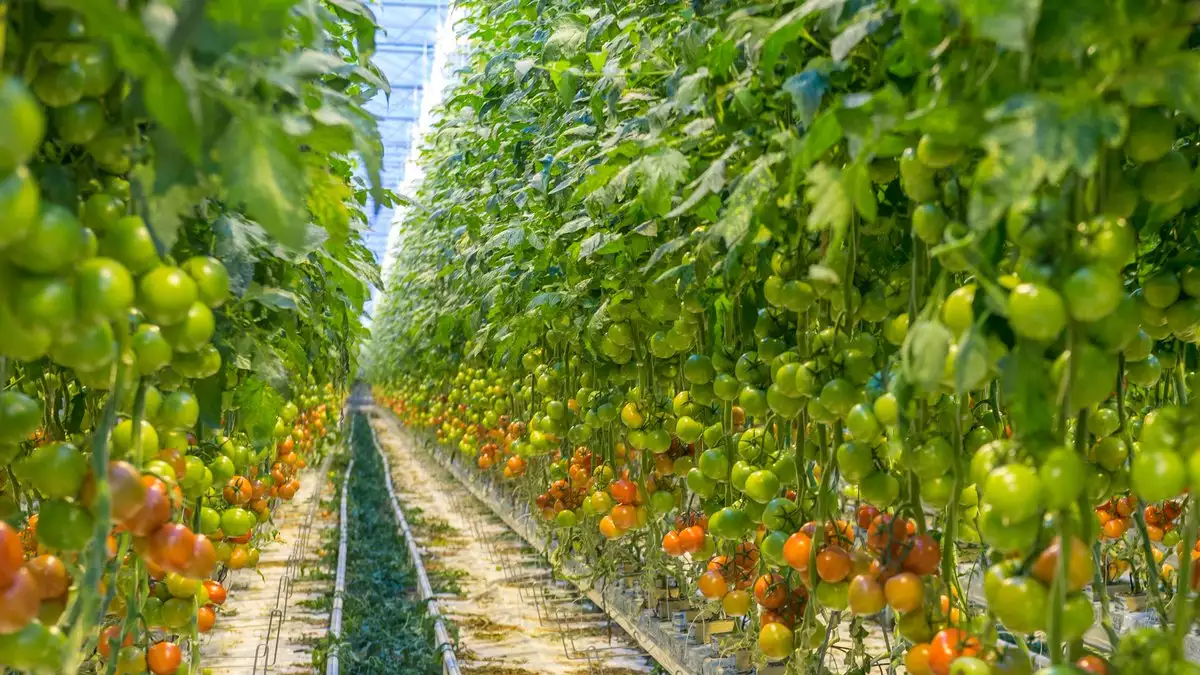
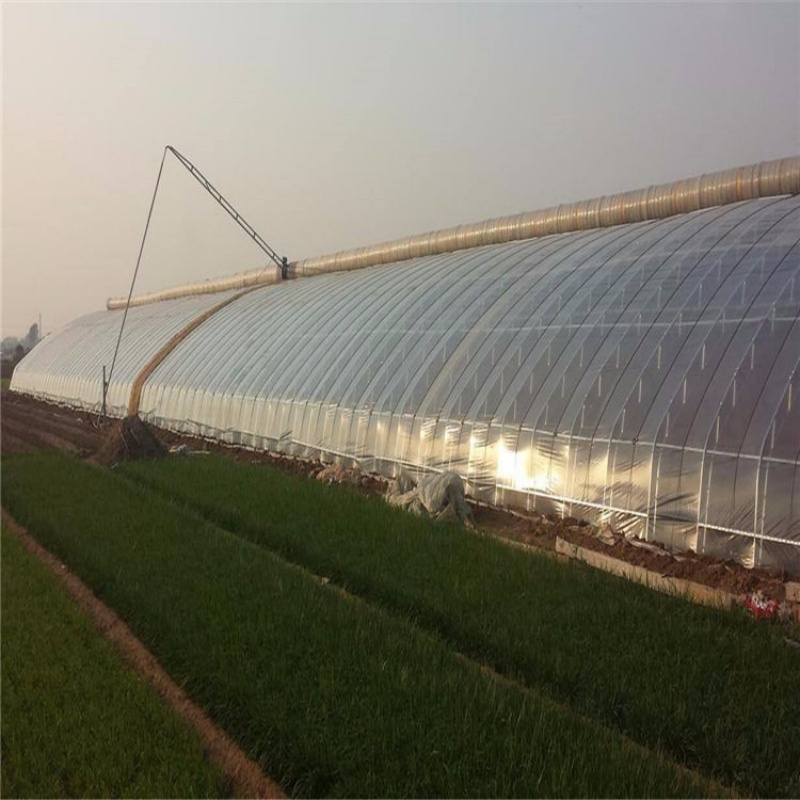
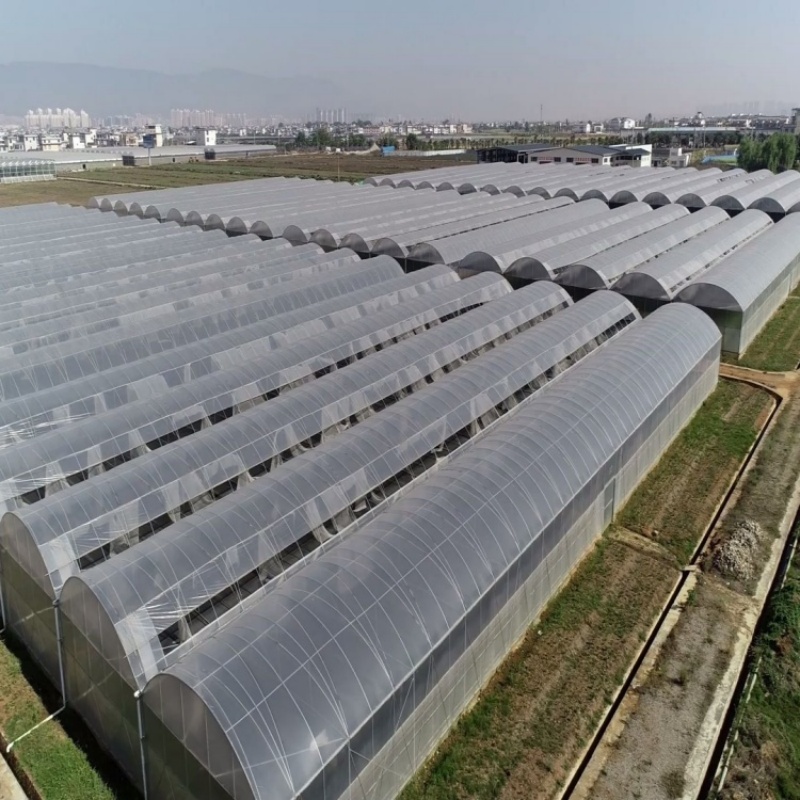
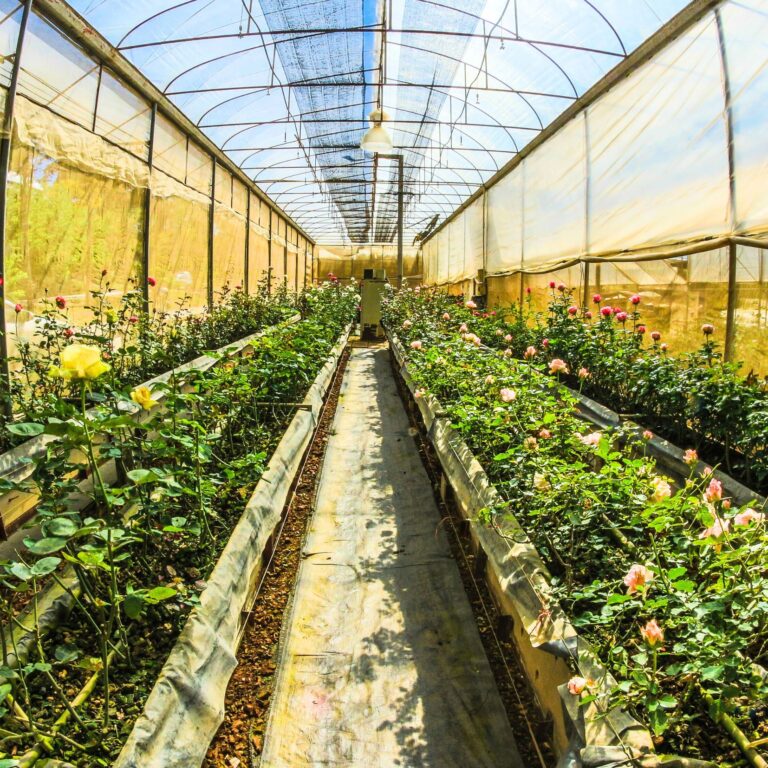
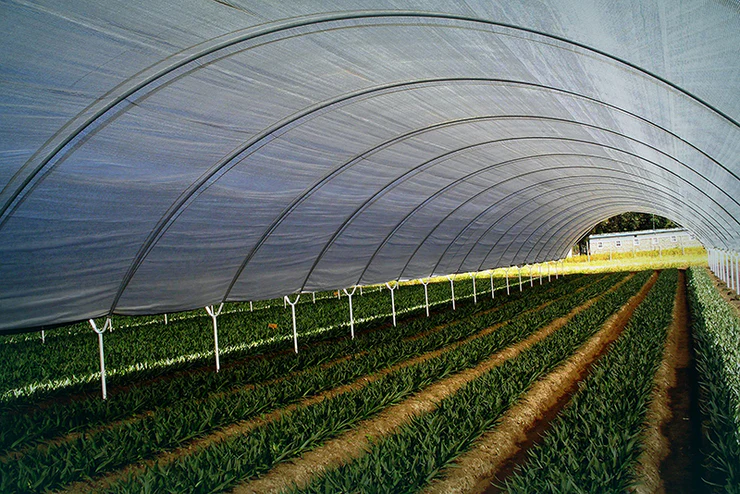
If you are looking for the direct answer on how to maximize your tomato harvest while slashing disease rates, here it is: Switching from standard Polyethylene (PE) to an Anti-Drip PO (Polyolefin) film with nano-coating technology is the single most effective upgrade for a commercial greenhouse.
By doing this, you aren’t just “covering” your crop; you are optimizing the light transmission to over 90% and eliminating “internal rain” that causes devastating fungal outbreaks. At HONREL AGRICULTURE, we’ve seen growers increase their marketable tomato yields by up to 27% simply by managing the microclimate through high-performance Greenhouse Film.
Table of Contents
Why Tomatoes are “Light Hungry” and How PO Film Feeds Them
Tomatoes are high-energy crops. In the professional world, we talk about PAR (Photosynthetically Active Radiation). If your film is old, yellowed, or covered in condensation, your plants are starving.
Most standard PE films offer light transmission in the 80-85% range. However, advanced Greenhouse PO Film pushes that number to 92% or higher. According to research published by the International Society for Horticultural Science (ISHS), every 1% increase in light transmission often correlates to a 1% increase in crop yield for tomatoes during low-light months (Source: ISHS Acta Hortic. 614).
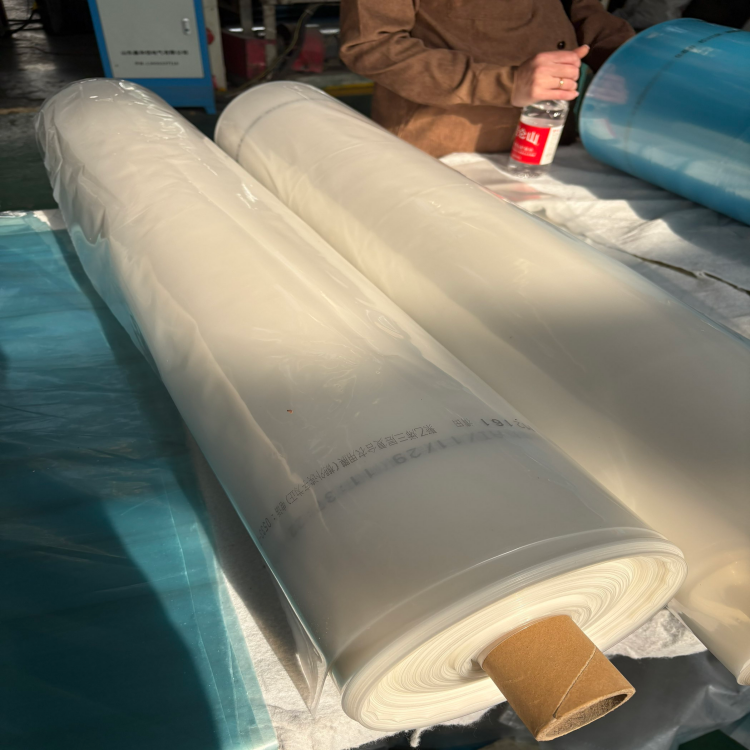
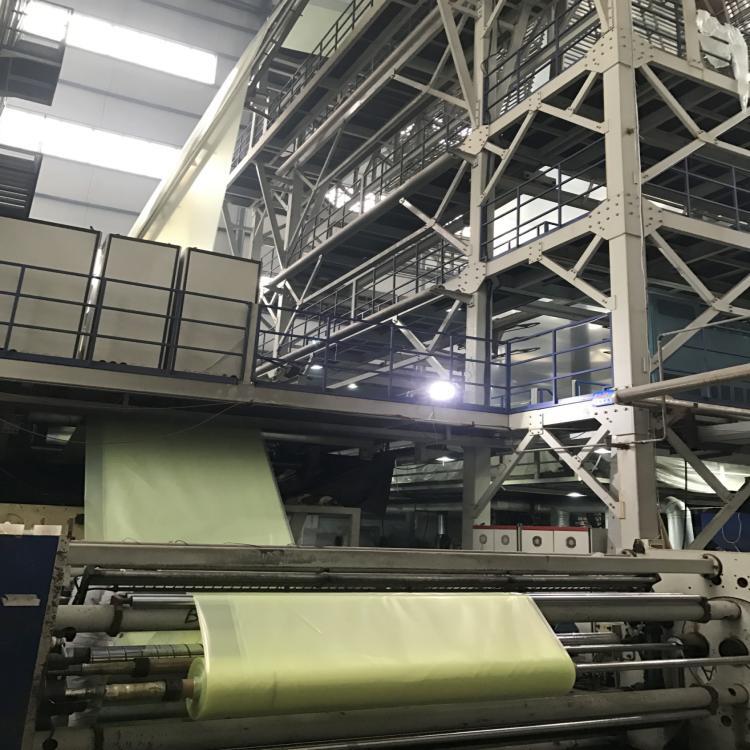
At HONREL, we manufacture PO films using 5-layer co-extrusion. This allows us to sandwich different properties—like UV resistance and thermal barriers—without sacrificing the clarity that tomatoes need to thrive.
The Science of Anti-Drip (AD): Stopping the “Internal Rain”
Humidity is the enemy of the tomato. When warm air inside the greenhouse hits a cold plastic surface, it condenses into droplets. These droplets eventually fall, creating “internal rain” that lands directly on the leaves and fruit.
Why Drip Kills Your Profit
When water sits on a tomato leaf, it creates the perfect breeding ground for Botrytis cinerea (Gray Mold) and Phytophthora.
PE Film Problem: Anti-drip additives in PE film are “migratory.” They bleed to the surface and wash away, usually within 3 to 6 months.
PO Film Solution: Our PO Greenhouse Film uses a permanent nano-coating. Instead of the water forming beads, it forms a thin, continuous sheet of water that runs down the sides of the roof.
Best Practice #1: The 20-Degree Rule For anti-drip technology to work effectively, your greenhouse roof must have a slope of at least 15 to 20 degrees. If the roof is too flat, even the best nano-coating can’t overcome gravity, and water will eventually drip. When we design projects with our partners, we always insist on a steep enough pitch to ensure water “sheeting” leads directly into the gutters.
Comparing Greenhouse Materials: PO vs. PE vs. EVA
As a manufacturer, we get asked every day: “Is the extra cost of PO film worth it?” Let’s look at the data we’ve gathered from field trials and laboratory testing.
Feature
Standard PE Film
EVA (Ethylene Vinyl Acetate)
Premium PO (Anti-Drip)
Light Transmission
85-88%
89-91%
92-95%
Anti-Drip Lifespan
3-6 Months
6-12 Months
3-5 Years (Permanent)
Heat Retention
Low
High
Excellent (IR-Blocking)
Dust Resistance
Poor
Average
Excellent (Anti-Static)
Service Life
1-2 Years
2-3 Years
5+ Years
Data Source: HONREL Internal Laboratory Comparative Analysis (2025).
For a commercial operation, the labor cost of replacing film every two years is often higher than the material cost itself. By choosing PE Greenhouse Film for short-term crops or PO film for long-term tomato production, you are effectively choosing your profit margin.
Thermal Insulation: Keeping the Night Warm
Tomatoes are sensitive to temperature drops at night. If the greenhouse cools down too fast, the plant stops growing and focuses its energy on survival rather than fruit production.
Premium PO films contain IR (Infrared) additives that act like a blanket. They trap the long-wave radiation emitted by the soil during the day, keeping the greenhouse 2°C to 4°C warmer than standard plastic at night. According to UMass Extension, effective thermal films can reduce heating costs by 15-20% in cold climates (Source: UMass Center for Agriculture).
Light Diffusion: Reaching the “Middle” of the Plant
Tomatoes are tall. In a high-density greenhouse, the top leaves often get scorched by direct sunlight while the bottom leaves sit in deep shadow.
We recommend using Diffused PO Film for tomato growers. Light diffusion scatters the sun’s rays, allowing light to penetrate deep into the canopy.
Prevents Sunscald: No more “hot spots” on the fruit.
Even Ripening: The fruit at the bottom of the cluster matures at a similar rate to the top.
Better Working Conditions: It’s much more comfortable for your crew to work under soft, diffused light than under the harsh glare of direct sun.
Best Practices for Successful Installation
Best Practice: Frame Protection Always use “Greenhouse Tape” or white paint on the parts of your metal frame that touch the film. Metal pipes can reach 60°C in the summer, which “cooks” the plastic and breaks down the UV stabilizers.
Why Choose HONREL as Your Tomato Greenhouse Film Manufacturer?
At HONREL AGRICULTURE, we don’t just sell rolls of plastic; we provide climate solutions.
Customization: We can produce widths up to 16 meters without seams, reducing the risk of leaks in large-scale multi-span houses.
UV Tailoring: Different regions have different UV intensities (measured in kly). We adjust our formula based on whether you are in the high-UV deserts of Mexico or the low-light regions of Northern Europe.
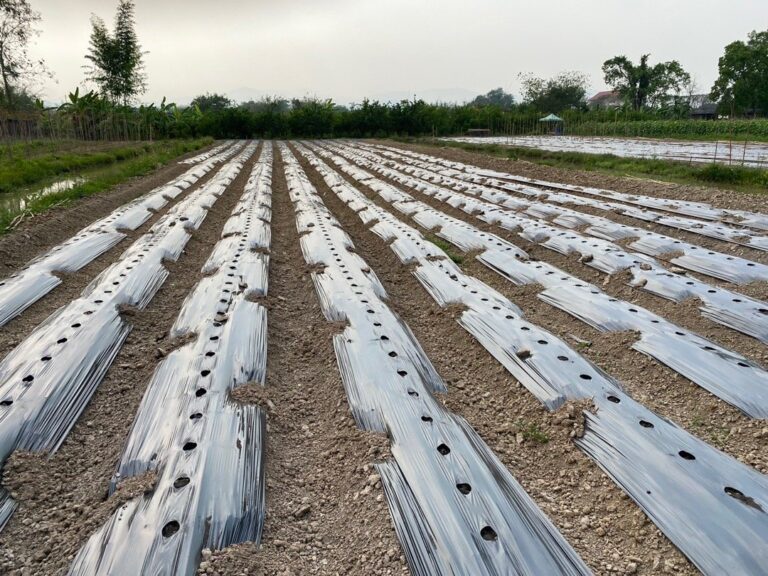
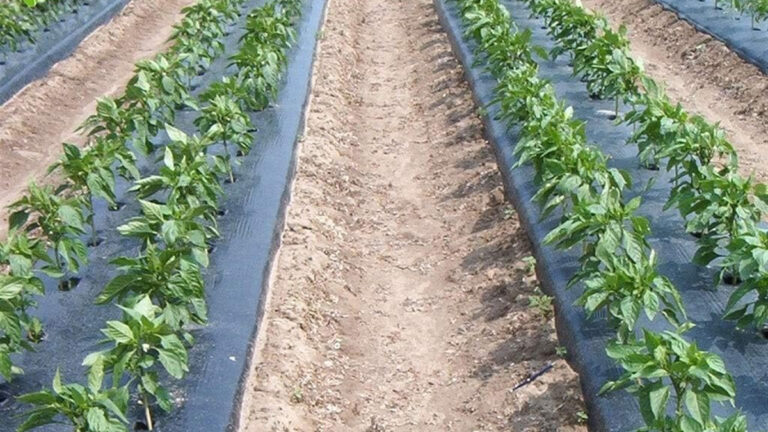
Integrated Systems: Most of our tomato clients also utilize our Mulch Film to manage ground moisture and weed growth, creating a totally controlled environment from the soil to the roof.
Frequently Asked Questions (FAQ)
Q1: Why is my Anti-Drip film still dripping?
A: There are usually two reasons. First, check your roof slope; it must be at least 15 degrees. Second, check if you installed the film upside down. The anti-drip nano-coating is only on the inner side. If you put it on the outside, it won’t work!
Q2: Can I use yellow PO film for tomatoes?
A: Actually, yes! In some specific scenarios, our Yellow PO Greenhouse Film is used to filter specific light wavelengths to control pests or influence plant height, but for most commercial tomato production, we recommend Clear or Diffused PO for maximum light.
Q3: How long does the anti-static effect last?
A: Dust is a major light killer. Our PO films include anti-static additives that help wind and rain wash away dust naturally. This effect typically lasts 3–5 years, keeping your light transmission high throughout the life of the film.
Q4: Is PO film recyclable?
A: Yes. Polyolefin is a clean material compared to PVC. Most agricultural recycling programs accept clean PO and PE films, helping your farm meet sustainability goals.
Q5: Does it work with bumblebees?
A: Absolutely. We offer “UV-Open” versions of our PO film. Bees need UV light to navigate and “see” the flowers. If you use a total UV-block film, your bees will become lethargic and won’t pollinate your tomatoes. Always tell us if you are using bees before we finalize your order!
Get Factory-Direct Insights & Growing Tips
Selecting the right Greenhouse Film or shade mesh is critical for crop success. As a dedicated Agricultural Netting and Film Manufacturer, our experts help you customize UV protection and light transmission based on your local climate. Share your project details for a tailored solution.
HONREL AGRICULTURE engineers films, netting, and drip pipe to your crop, climate, and structure—specs, colors, labeling, and packaging—backed by drawings and spec sheets.
Fast Response & Quick Proofing
Rapid quoting, spec-sheet/sample proofing, and practical engineering support. We align specifications and documentation quickly to keep your project timeline on track.
Consistent Quality & Traceability
UV-stabilized formulations, process QC, and lab checks for optics/mechanics—plus lot-level tracking. COA/test reports available; export packing and labeling are standardized.