Investing in factory-direct, UV-stabilized HDPE netting is the most effective "insurance policy" for your vineyard. It typically pays for itself in a single season by preventing 30% to 45% yield losses.
Investing in factory-direct, UV-stabilized HDPE netting is the most effective “insurance policy” for your vineyard. It typically pays for itself in a single season by preventing 30% to 45% yield losses.
At HONREL AGRICULTURE, we’ve worked with commercial growers globally, and the reality is simple: once birds target your grapes, you aren’t just losing fruit; you’re losing your entire year’s profit margin. By using a high-quality Agricultural Netting Manufacturer, you secure your harvest, improve fruit quality, and reduce the need for chemical bird deterrents.
Table of Contents
The Economic Reality: Why Birds Cost You More Than Netting
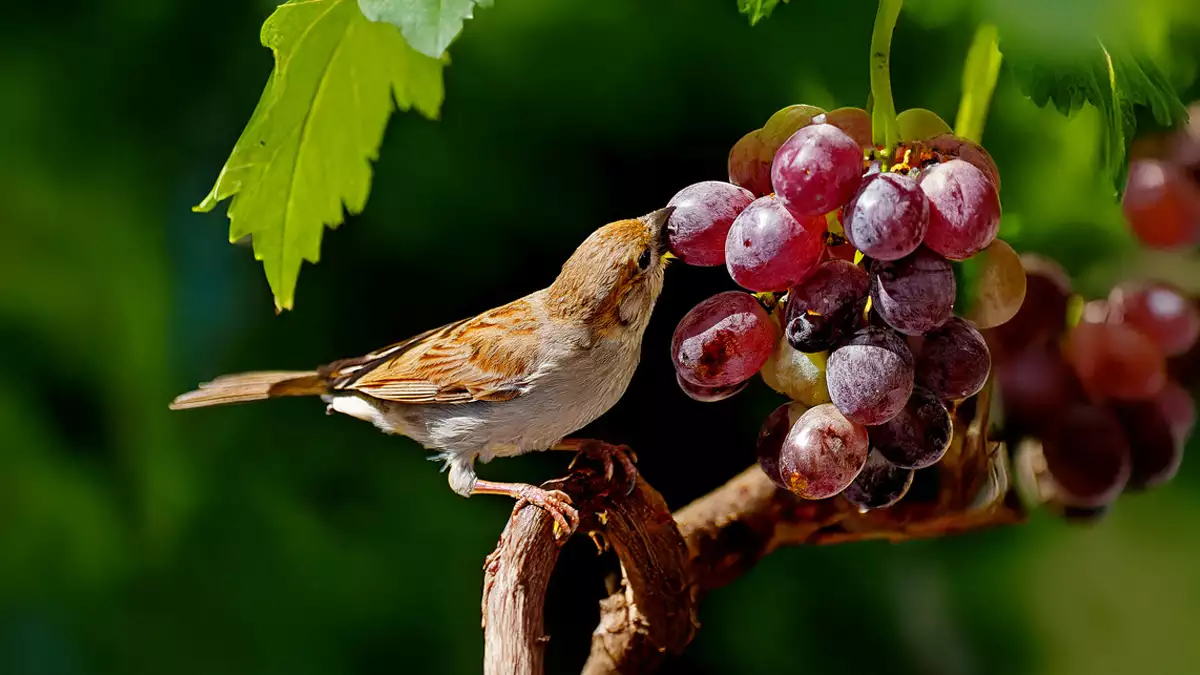
According to data from Avian Enterprises and the USDA, bird damage can easily account for an average of 40% crop loss without professional control measures (Source: The Grapevine Magazine). But it’s not just the grapes they eat. When a starling or silvereye pecks a berry, it creates an open wound. This leads to juice seepage, which attracts bees and wasps, and serves as an entry point for Botrytis cinerea (bunch rot).
In our experience, a single pecked berry can ruin an entire cluster. Studies in major wine regions like Australia and France have confirmed that installing netting at the right time increases revenue by $500 to $2,000 per acre by maximizing marketable yield (Source: EyouAgro Research 2025).
Choosing the Right Mesh: Matching Protection to Your Vineyard
When you’re looking for Anti-Bird Netting Manufacturer options, you’ll notice three main styles. Each has a specific use case depending on your trellis system and labor budget.
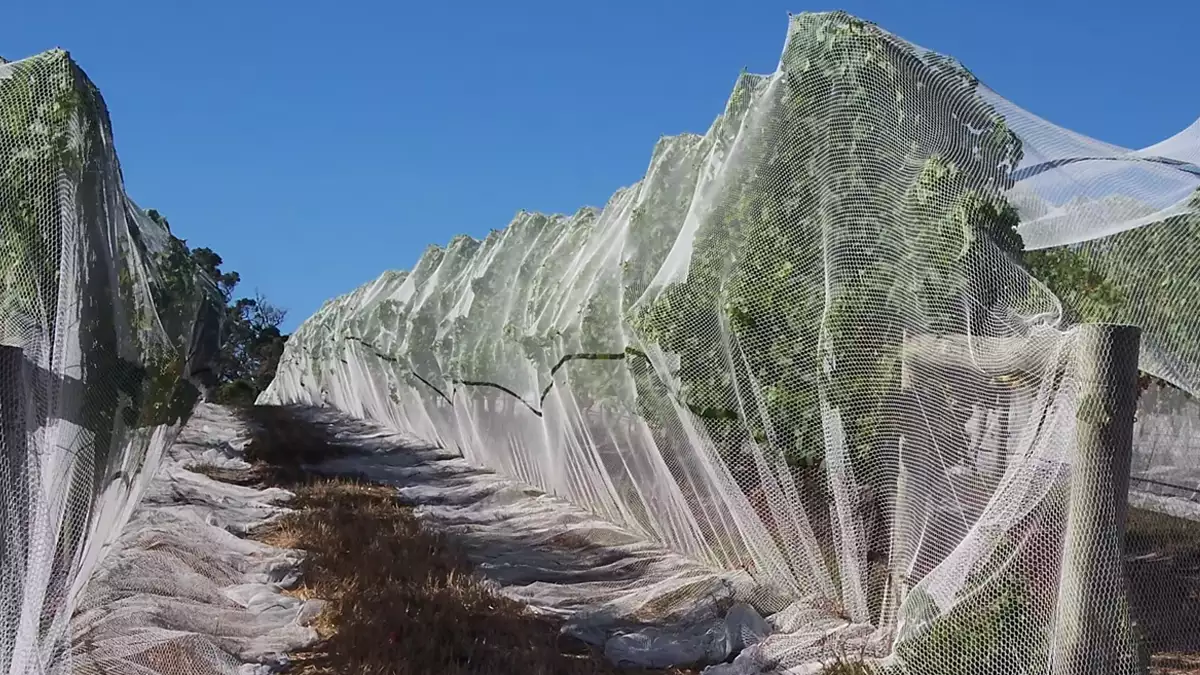
1. Drape Netting (Full Canopy)
This is the “classic” choice. You drape the net over the top of the vine row and secure it at the bottom. It’s perfect for multi-row applications and offers total protection.
Best for: High bird pressure and smaller-scale vineyards where manual labor is available.
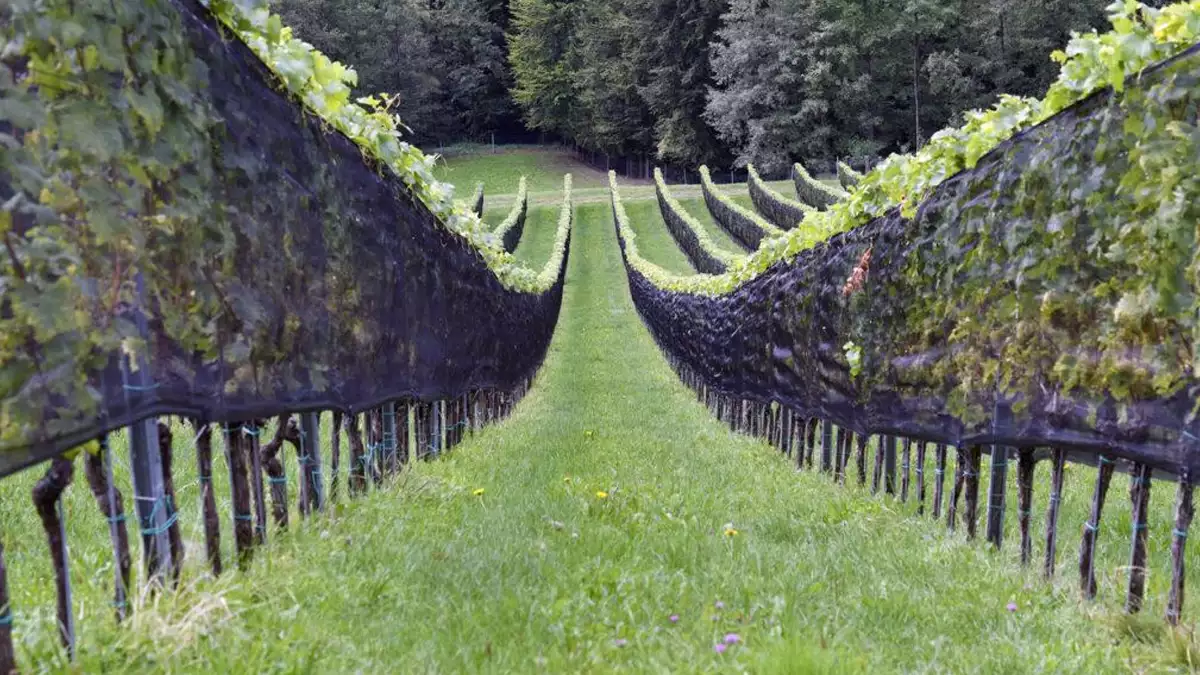
2. Side/Zone Netting
Instead of covering the whole vine, you only cover the “fruit zone.” This is incredibly popular in vineyards using Vertical Shoot Positioning (VSP) systems.
Pros: Better airflow, easier canopy management, and less material cost.
3. Overhead Enclosure Systems
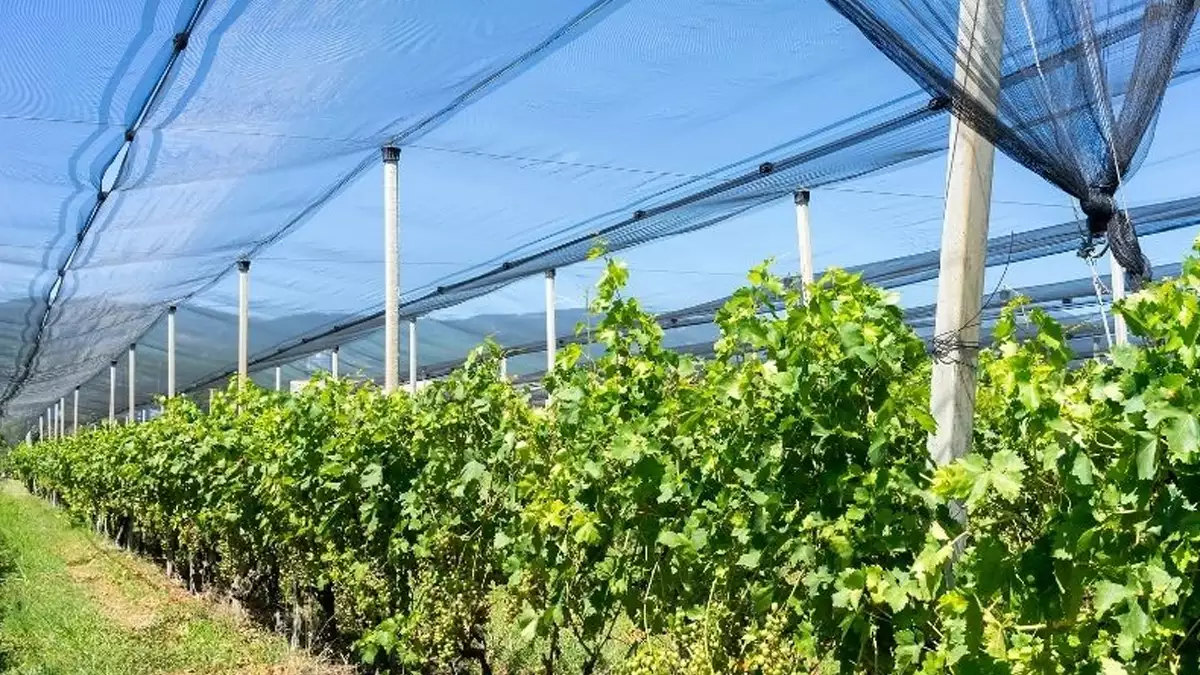
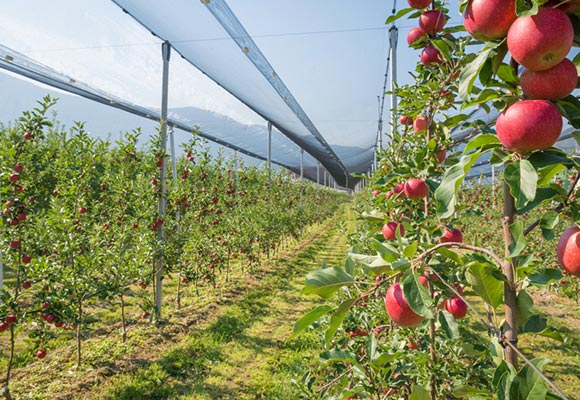
These are permanent or semi-permanent structures where the netting creates a “roof” over the entire vineyard block.
Pros: You can work underneath the nets (pruning, spraying) without ever moving them. It’s the ultimate long-term solution for high-value estate wines.
Expert Practice Tip: The “Veraison” WindowDon’t wait for the birds to arrive. We always advise our clients to install netting immediately after fruit set but before veraison (the stage when berries change color and soften). If birds find a “sweet spot” before the nets are up, they will be much more aggressive in trying to find gaps in your protection (Source: Plantra Growth Systems).
Technical Specifications: What to Look for in Wholesale Netting
If you are sourcing Agricultural Netting Wholesale, you need to look past the price tag and check the technical specs. Not all “plastic nets” are the same.
Material: HDPE vs. Polypropylene
Most cheap retail nets are made of Polypropylene (PP), which becomes brittle under the sun and snaps after one season. At HONREL AGRICULTURE, our professional-grade nets are made from High-Density Polyethylene (HDPE) monofilament.
Durability: HDPE is naturally more flexible and resistant to UV degradation.
UV Stabilization: We use HALS (Hindered Amine Light Stabilizers) to ensure the net stays strong for 5 to 10 years, even in high-UV regions like California or Australia.
Table 1: Netting Spec Comparison
Feature
Extruded (Seasonal)
Knitted HDPE (Professional)
Knotted (Industrial)
Average Lifespan
1-2 Seasons
5 – 10 Seasons
10+ Seasons
Tear Resistance
Low
High (Rip-stop)
Extremely High
Airflow/Ventilation
Average
Excellent
Good
Typical Weight
15-25 GSM
30-60 GSM
60+ GSM
Mesh Size Science
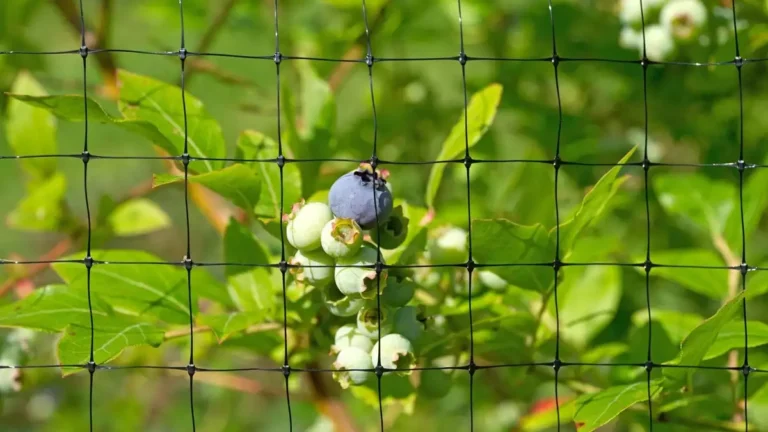
The industry “sweet spot” for mesh size is 15mm to 20mm. Why?
Exclusion: It’s small enough to stop starlings and sparrows.
Pollination: It’s large enough to allow bees and beneficial insects to pass through for pollination and natural pest control (Source: Muir Netting Guide).
If you are already using Greenhouse Film for your nursery or early-start vines, adding HDPE netting for the harvest season completes your protection cycle.
Installation Best Practices: Saving Labor Costs
Labor is the silent profit killer in viticulture. If you have 50 acres, you cannot afford to have a crew manually tugging at nets for two weeks.
Expert Practice Tip: Embrace MechanizationFor any vineyard over 10 acres, we highly recommend using a mechanical net applicator (like a NetWizz). Mechanical systems can reduce your installation and removal time by up to 70%. This doesn’t just save money; it ensures your nets are tensioned correctly, which prevents them from sagging and getting caught in machinery.
Also, consider the microclimate. Professional HDPE knitted mesh is designed for high airflow. Unlike heavy tarps, it allows the vines to breathe, preventing the humid environment that leads to bunch rot or mildew.
Sourcing Wholesale: Why Factory Direct Matters
As a Greenhouse Films Wholesale and netting provider, we see a lot of “middle-man” markups. Buying factory-direct from HONREL AGRICULTURE offers three key advantages for B2B buyers:
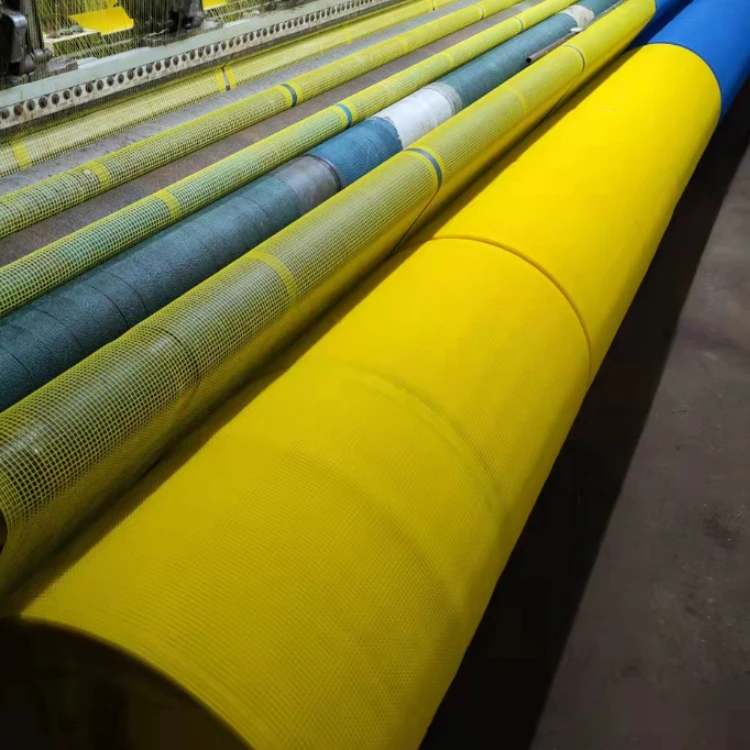
Custom Widths: We can manufacture nets up to 20 meters wide (or more) in single pieces. This eliminates the need for sewing or overlapping, which are common points of failure.
Consistency: In a wholesale container load, every bale must meet the same GSM (grams per square meter) and Denier strength. We provide full QC reports for every batch.
Bespoke Colors: While White is the most visible to birds (acting as a visual deterrent), we also produce Black for maximum UV life and Green for vineyards that need to blend into the landscape for aesthetic or zoning reasons.
If you are managing a large-scale project, you might also be looking for high-quality Mulch Film to manage soil moisture and weeds around your young vines. Sourcing these together from one manufacturer simplifies your logistics and ensures material compatibility.
Frequently Asked Questions (FAQ)
Q1: Will bird netting affect the ripening of my grapes?
A: If you use professional-grade HDPE knitted mesh, the impact on Photosynthetically Active Radiation (PAR) is minimal (usually less than 10% shade). In fact, in very hot climates, a slight shading effect can actually prevent “sunscald” on the berries.
Q2: How do I prevent birds from getting under the nets?
A: This is the most common mistake. You must secure the bottom of the nets using clips, wire, or by burying the edges in the soil. Birds are ground-feeders too; if there is a 6-inch gap at the bottom, they will find it.
Q3: Is “Black” netting better than “White” netting?
A: It depends on your priority. Black netting typically has a longer lifespan because the carbon black additive is a superior UV stabilizer. White netting is more visible to birds, often scaring them away before they even touch the mesh.
Q4: What is the typical MOQ for factory wholesale?
A: For custom sizes and wholesale pricing, we usually require a minimum order of 10–20 bales, which covers approximately 20,000 square meters. However, we do maintain stock for standard sizes.
Q5: Can I reuse the netting next year?
A: Absolutely. Our HDPE monofilament nets are designed for a 5 to 10-year service life. The key to longevity is proper storage—always dry the nets before rolling them up and store them in a UV-protected area (like a shed or under a tarp) during the off-season.
Get Factory-Direct Insights & Growing Tips
Selecting the right Greenhouse Film or shade mesh is critical for crop success. As a dedicated Agricultural Netting and Film Manufacturer, our experts help you customize UV protection and light transmission based on your local climate. Share your project details for a tailored solution.
HONREL AGRICULTURE engineers films, netting, and drip pipe to your crop, climate, and structure—specs, colors, labeling, and packaging—backed by drawings and spec sheets.
Fast Response & Quick Proofing
Rapid quoting, spec-sheet/sample proofing, and practical engineering support. We align specifications and documentation quickly to keep your project timeline on track.
Consistent Quality & Traceability
UV-stabilized formulations, process QC, and lab checks for optics/mechanics—plus lot-level tracking. COA/test reports available; export packing and labeling are standardized.