Proveedor de película PO para invernaderos comerciales | Soluciones personalizadas anti-vaho para cultivos de alta humedad
Los cultivos de alta humedad ejercen presión constante sobre las cubiertas de invernadero. La condensación puede reducir la luz, gotear sobre las hojas, aumentar la presión de enfermedades y dificultar la gestión del entorno de trabajo.
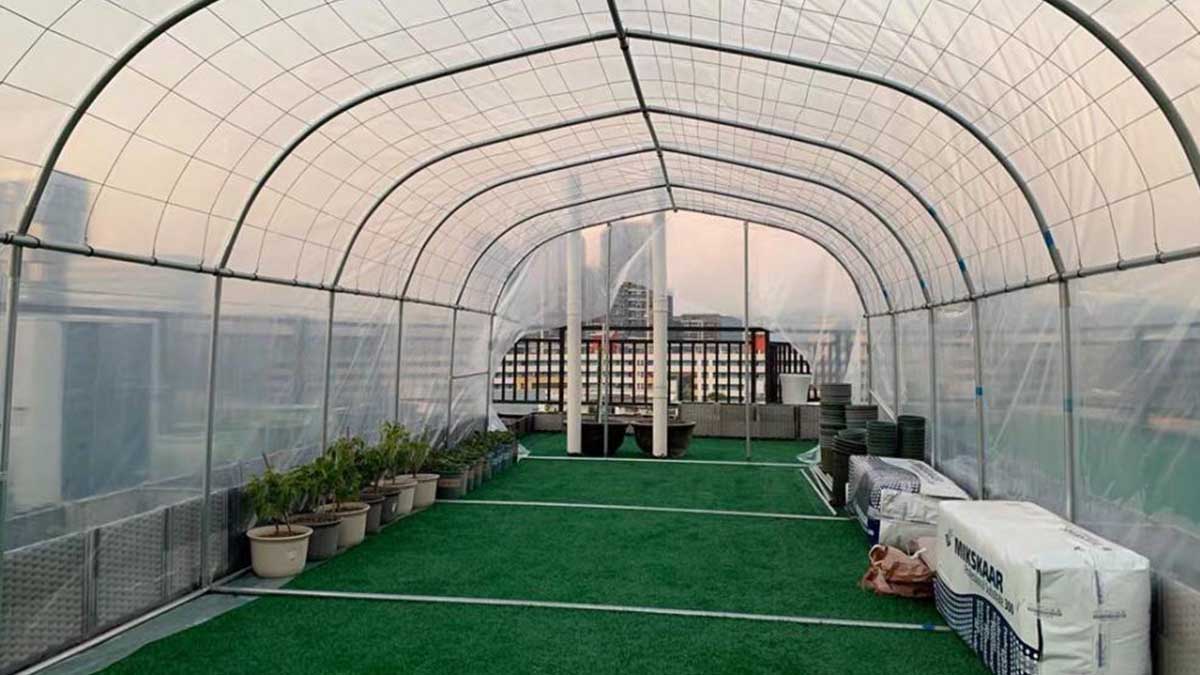
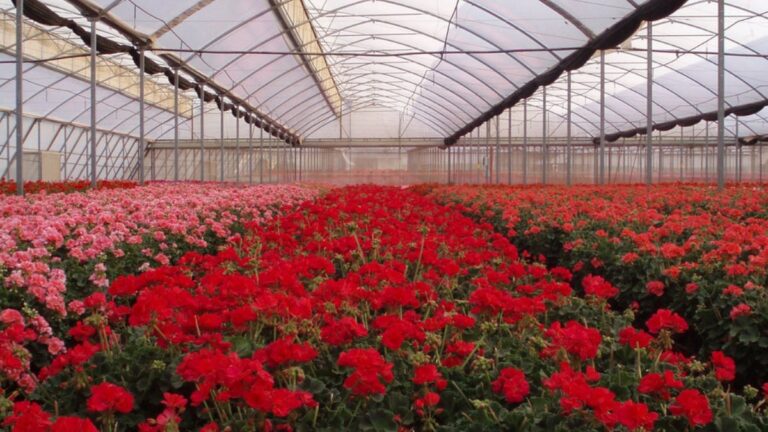
Los invernaderos comerciales que cultivan tomates, pepinos, verduras de hoja, flores y otros cultivos de alta humedad necesitan una película de invernadero que gestione la condensación sin sacrificar las condiciones de luz requeridas para la producción. HONREL suministra película PO personalizada para invernaderos con anti-vaho, anti-goteo, UV, luz y especificaciones de rollo adaptadas a las condiciones de los invernaderos comerciales.
La alta humedad crea un problema simple dentro de un invernadero: el aire cálido y rico en humedad llega a la superficie de la película más fría y se desarrolla condensación. Cuando el agua se acumula en gotas, puede reducir la luz entrante y eventualmente gotear sobre el cultivo.
Para los cultivadores comerciales, la especificación de la película PO, por lo tanto, necesita considerar juntos el cultivo, el clima del invernadero, el diseño del techo, la vida útil esperada y las condiciones de condensación.
Película PO anti-vaho para invernaderos comerciales
La película PO anti-vaho está diseñada para mejorar cómo se comporta el agua condensada en la superficie interna de la cubierta del invernadero.
En lugar de permitir que la humedad permanezca como gotas concentradas, la superficie anti-vaho ayuda a que el agua se extienda de manera más uniforme sobre la película. Esto puede reducir las gotas y limitar la interferencia óptica causada por gotas más grandes.
Esto es particularmente relevante en casas comerciales donde la humedad permanece alta durante largos períodos o donde los fuertes cambios de temperatura de día a noche producen regularmente condensación.
HONREL’s Película de invernadero PO se puede especificar en torno a estas condiciones de invernadero en lugar de tratar el anti-vaho como una característica independiente.
Por qué los cultivos de alta humedad necesitan control de condensación
Algunos cultivos comerciales crean naturalmente condiciones de humedad más difíciles.
Los doseles de plantas densos, el riego frecuente y la alta transpiración pueden aumentar la humedad dentro del invernadero. Por la noche, la temperatura de la cubierta puede bajar mientras el aire interno permanece húmedo, lo que hace que la condensación sea más probable.
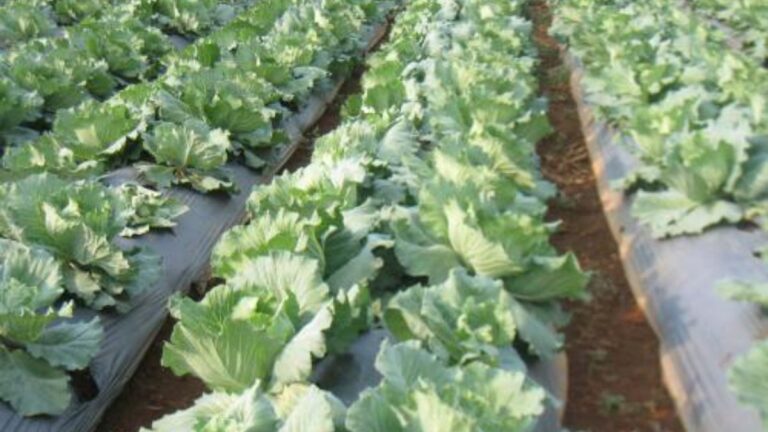
Para cultivos como tomates y pepinos, la condensación persistente en el techo puede eventualmente resultar en agua goteando sobre el dosel. Las hojas verdes, las flores y los cultivos de propagación también pueden ser sensibles a la prolongada humedad de las hojas.
La película anti-vaho no elimina la humedad del invernadero. Su función es controlar cómo se comporta la condensación una vez que alcanza la superficie de la película.
La ventilación, la calefacción, la temporización del riego, la densidad de las plantas y el diseño del invernadero aún deben gestionar la humedad subyacente.
Rendimiento Anti-Vaho y Anti-Goteo
Los requisitos de anti-vaho y anti-goteo están estrechamente relacionados, pero deben entenderse en términos prácticos de invernadero.
El objetivo no es prometer que la condensación nunca ocurrirá. En un invernadero húmedo, la condensación aún puede desarrollarse cuando la temperatura y la humedad alcanzan el punto de rocío.
La película debería, en cambio, alentar a la humedad condensada a extenderse en lugar de permanecer como gotas pesadas individuales.
Cuando el techo del invernadero tiene una pendiente adecuada y la película está instalada correctamente, esta agua puede moverse a lo largo de la superficie en lugar de caer directamente sobre las plantas debajo.
Por eso el rendimiento de la película y la instalación del invernadero deben trabajar juntos.
Película PO Personalizada para Diferentes Cultivos
Un invernadero comercial de tomates no necesita necesariamente la misma especificación de película PO que una casa de flores o de propagación.
El requisito anti-vaho debe combinarse con los requisitos de luz del cultivo, el entorno de crecimiento y la vida útil esperada de la película.
Aplicación en Invernadero
Requisito Principal de Película PO
Invernadero de tomates
Control de condensación anti-vaho, de luz y a largo plazo
Invernadero de pepinos
Rendimiento anti-goteo y balance de luz
Hojas verdes
Gestión de la condensación y humedad de las hojas
Invernadero de flores
Calidad de la luz y control de condensación
Área de propagación
Control de alta humedad y goteo
Producción de alta humedad
Rendimiento antiniebla adaptado a las condiciones climáticas
Para proyectos comerciales de múltiples invernaderos, se pueden especificar diferentes zonas de cultivo por separado en lugar de forzar una especificación de película en todo el sitio.
La luz importa en invernaderos de alta humedad
La condensación no solo es un problema de goteo.
Las gotas de agua en la superficie interior de la película del invernadero pueden interferir con la luz entrante. Para la producción comercial de cultivos, esto hace que el rendimiento antiniebla sea parte de la estrategia más amplia de gestión de la luz.
Sin embargo, seleccionar película PO solo por claridad máxima no siempre es el enfoque correcto.
Algunos proyectos de invernadero pueden requerir un equilibrio entre claridad y difusión. La elección correcta depende del cultivo, la estructura del invernadero y las condiciones de radiación locales.
Por esta razón, el comportamiento de la luz debe discutirse junto con los requisitos antiniebla al especificar película de invernadero.
Película PO para climas de invernadero cálidos y húmedos
Las regiones de cultivo cálidas y húmedas crean un desafío diferente de los climas fríos.
La fuerte exposición solar aumenta la importancia de la estabilización UV, mientras que la alta humedad interna aumenta la presión de condensación. La estrategia de ventilación también afecta cuánta humedad permanece dentro de la estructura.
En estas condiciones, la película PO necesita equilibrar la exposición exterior con los requisitos internos del invernadero.
Por lo tanto, la especificación debe considerar el clima local, el período de servicio esperado, la ventilación del invernadero y el cultivo que se está cultivando, en lugar de seleccionar una película antiniebla basándose solo en una característica.
El diseño del invernadero también afecta el rendimiento antiniebla
Incluso una película PO especificada correctamente no puede compensar todos los problemas de diseño de invernaderos o control climático.
La inclinación del techo es importante porque el agua condensada necesita un camino para alejarse del cultivo. La tensión de la película también afecta cómo se mueve el agua a través de la cubierta.
Una mala ventilación puede permitir que la humedad se mantenga alta durante períodos prolongados, mientras que los horarios de riego y calefacción pueden crear fuertes cambios de humedad a lo largo del día.
Cuando aparecen problemas de condensación, los cultivadores deben verificar:
Película + inclinación del techo + instalación + ventilación + riego + temperatura
como un sistema.
Esto proporciona un diagnóstico más útil que asumir que cada problema de condensación proviene de la película del invernadero en sí.
Especificaciones de película PO personalizadas
Los proyectos comerciales de invernaderos a menudo requieren más que un rollo estándar de película.
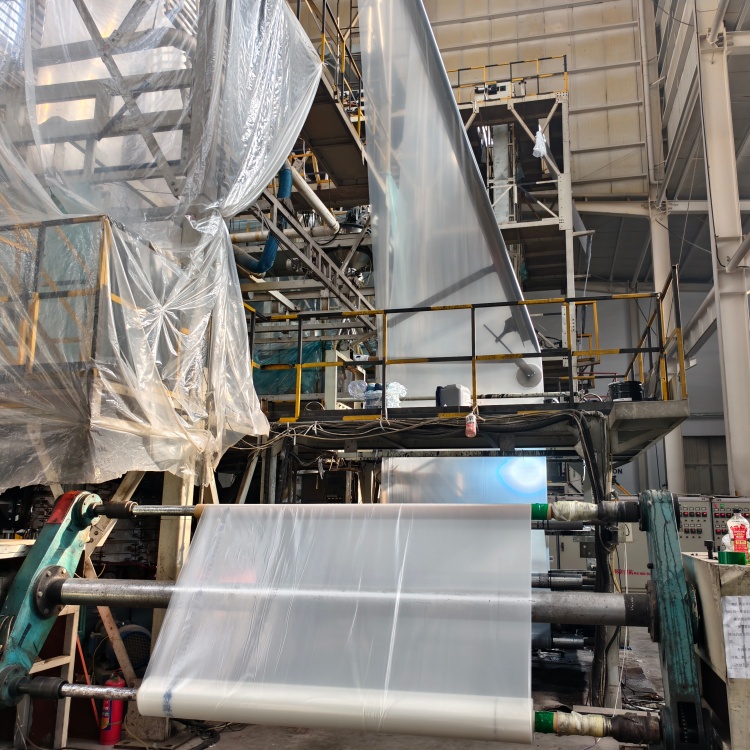
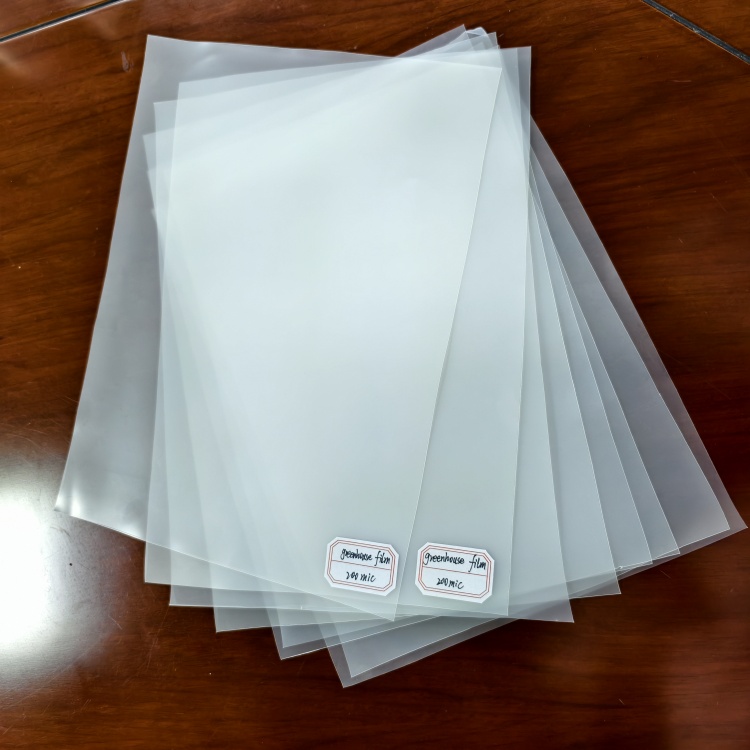
HONREL puede ajustar la especificación de producción de la película PO al proyecto del invernadero, incluyendo el ancho, grosor, longitud del rollo, color, requisitos anti-vaho, requisitos UV, comportamiento de la luz, embalaje y etiquetas necesarias.
Para un pedido de anti-vaho personalizado, la información útil del proyecto incluye el cultivo, la ubicación del invernadero, la estructura, la posición del techo o la pared lateral, las condiciones de humedad y el período de servicio esperado.
Estos detalles ayudan a establecer lo que la película realmente necesita hacer antes de que comience la producción.
Requisitos del techo y de la pared lateral
No todas las partes de un invernadero comercial operan bajo las mismas condiciones.
El techo normalmente tiene el mayor requisito de gestión de la condensación porque el agua se forma en la parte superior y puede caer sobre el cultivo.
Las paredes laterales pueden hacer más hincapié en el rendimiento mecánico y la compatibilidad con los sistemas de ventilación.
Las zonas de propagación pueden experimentar una humedad especialmente alta, mientras que los túneles temporales pueden tener requisitos de servicio más cortos que las casas comerciales permanentes.
Por lo tanto, los proyectos grandes pueden usar especificaciones de película PO separadas para diferentes zonas del invernadero cuando sea necesario.
Pruebas de muestra para película anti-vaho personalizada
Para un pedido de película PO personalizada, la evaluación de muestras debe centrarse en más que en la apariencia.
Los compradores pueden verificar la claridad de la película, el manejo, las dimensiones y el comportamiento de la superficie antes de la producción en masa. Al evaluar el rendimiento anti-vaho en un invernadero instalado, se debe observar la condensación bajo las condiciones que realmente crean el problema.
La noche, la madrugada, los períodos después del riego y los cambios de ventilación son más informativos que verificar la película solo durante un período seco en medio del día.
Una muestra no puede reproducir todas las condiciones de un invernadero comercial completo, pero puede ayudar a confirmar la especificación básica de la película antes de un lote de producción más grande.
Suministro de película PO a granel para invernaderos comerciales
Los grandes proyectos de invernadero necesitan una película consistente a través de múltiples rollos, casas y ciclos de reemplazo.
El ancho del rollo, el grosor, la longitud, los requisitos anti-vaho, la especificación UV, el embalaje y la identificación deben seguir el pedido confirmado para que los equipos de instalación puedan emparejar cada rollo con la zona de invernadero correcta.
AGRICULTURA HONREL suministra película PO para invernaderos para proyectos de cultivo comercial que requieren especificaciones personalizadas y suministro a granel repetido.
Para proyectos que compran múltiples especificaciones de cubiertas de invernadero, los compradores también pueden revisar el más amplio productos de película para invernaderos disponible de HONREL.
Preguntas frecuentes
¿Qué hace la película PO anti-vaho para invernaderos?
La película PO anti-vaho ayuda a que el agua condensada se extienda por la superficie interna de la película en lugar de permanecer como gotas individuales más grandes. Esto puede reducir el goteo y mejorar las condiciones bajo un techo de invernadero húmedo.
¿Es adecuada la película PO anti-vaho para cultivos de alta humedad?
Sí. Es particularmente relevante para invernaderos comerciales que cultivan cultivos como tomates, pepinos, verduras de hojas, flores y plantas de propagación donde la alta humedad y la condensación son preocupaciones recurrentes.
¿La película anti-vaho detiene completamente la condensación en invernaderos?
No. La condensación es causada por las condiciones de temperatura y humedad dentro del invernadero. La película anti-vaho gestiona el comportamiento del agua condensada; la ventilación, la calefacción, el riego y el diseño del invernadero aún controlan la humedad subyacente.
¿Qué información se necesita para la película PO anti-vaho personalizada?
El proveedor debe conocer el cultivo, la ubicación del invernadero, la estructura, la posición de la película, las dimensiones requeridas, las condiciones de humedad, el período de servicio esperado y el comportamiento de la luz requerido. Estas condiciones pueden traducirse en la especificación de la película.
¿Pueden usarse diferentes películas PO en diferentes zonas del invernadero?
Sí. Los techos, paredes laterales, zonas de propagación y casas de producción principales pueden tener requisitos diferentes. Los grandes proyectos comerciales pueden separar las especificaciones cuando una configuración de película no sea adecuada para cada zona.
¿Cómo se debe evaluar el rendimiento anti-vaho?
Revise la película durante los períodos en que se desarrolla realmente la condensación, particularmente por la noche, temprano por la mañana, después del riego y durante cambios de temperatura o ventilación. Una inspección diurna no representa el ciclo completo de humedad del invernadero.
¿Puede HONREL suministrar película PO personalizada para proyectos de invernaderos en grandes cantidades?
HONREL suministra película de invernadero PO de acuerdo con los requisitos del proyecto, como dimensiones, requisitos anti-vaho, requisitos UV, comportamiento de la luz, empaquetado e identificación de rollos. Los compradores comerciales de invernaderos pueden confirmar la especificación requerida antes de la producción en masa.
Obtenga información directa de fábrica y consejos de cultivo
Seleccionar lo correcto Película de efecto invernadero o malla de sombra es fundamental para el éxito del cultivo. Como empresa dedicada Fabricante de redes y películas agrícolasNuestros expertos le ayudan a personalizar la protección UV y la transmisión de luz según su clima local. Comparta los detalles de su proyecto para una solución a medida.
AGRICULTURA HONREL Ingenieros de películas, redes y tuberías de goteo adaptados a su cultivo, clima y estructura: especificaciones, colores, etiquetado y embalaje, respaldados por dibujos y hojas de especificaciones.
Respuesta rápida y revisión rápida
Cotización rápida, revisión de especificaciones y muestras, y soporte práctico de ingeniería. Adaptamos las especificaciones y la documentación rápidamente para que su proyecto se ajuste a los plazos previstos.
Calidad y trazabilidad constantes
Formulaciones estabilizadas a la luz UV, control de calidad del proceso y comprobaciones de laboratorio para componentes ópticos y mecánicos, además de seguimiento a nivel de lote. Se ofrecen informes de COA y pruebas; el embalaje y el etiquetado para exportación están estandarizados.