Proveedor de envoltura de silo para pacas de hierba y alfalfa | Suministro masivo confiable para granjas ganaderas
Para granjas ganaderas que adquieren por pallet o contenedor, la verdadera pregunta no es solo el precio por rollo. Es cuántas pacas estables puede proteger la película durante un periodo de cosecha ocupado.
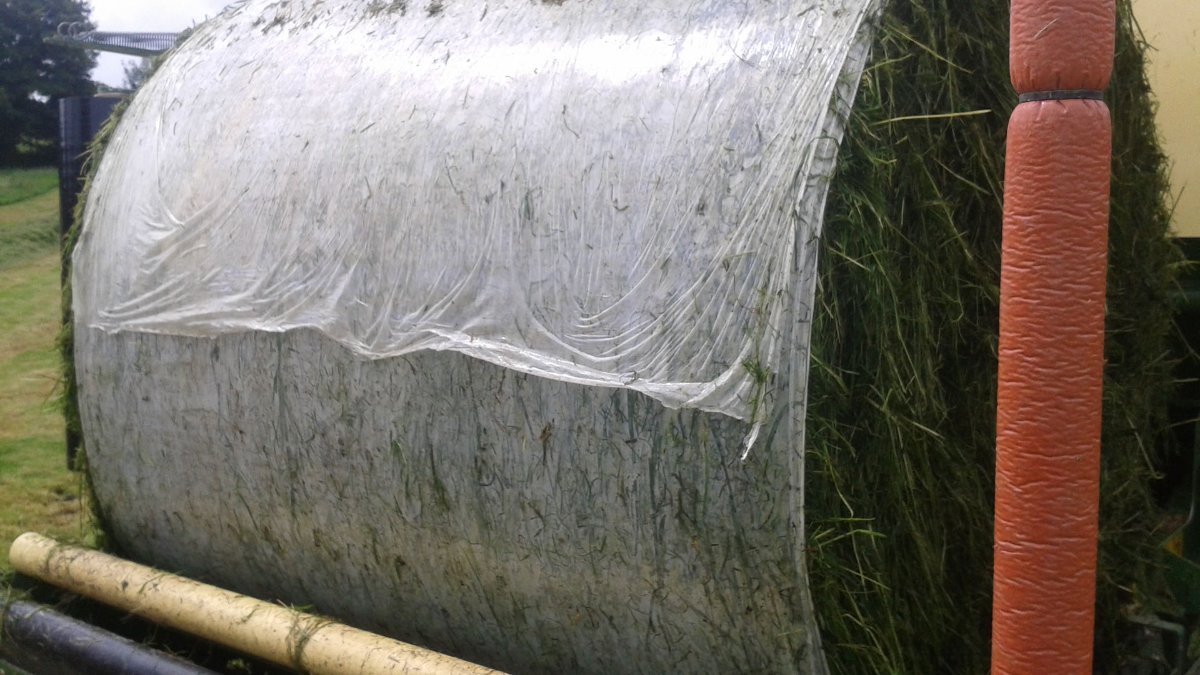
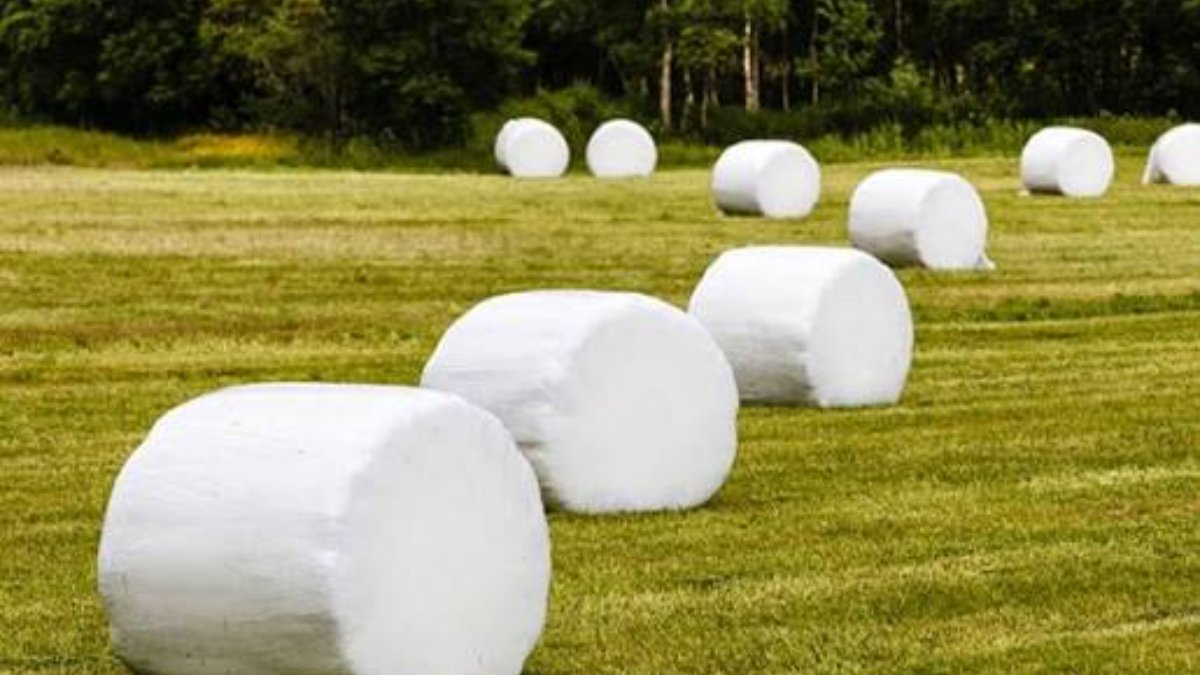
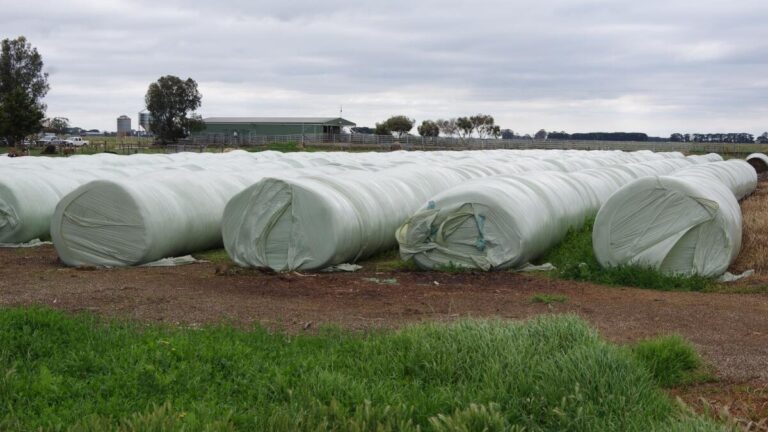
Las pacas de pasto y alfalfa necesitan envoltura de silaje que funcione de manera consistente durante la cosecha y mantenga el sellado durante el manejo y almacenamiento. Para granjas ganaderas que compran por pallet o contenedor, la consistencia de estiramiento, adherencia, resistencia a la perforación, enrollado y compatibilidad con la envolvedora son más importantes que simplemente comparar el costo de cada rollo.
HONREL AGRICULTURE suministra película de envoltura de silo para granjas ganaderas, contratistas de forraje y distribuidores agrícolas. Los pedidos a granel pueden planificarse en función de los requisitos de pacas, la configuración de la envolvedora, el embalaje y los calendarios de entrega estacionales.
Lo que requieren las Pacas de Pasto y Alfalfa
El pasto y la alfalfa no siempre se comportan de la misma manera en una línea de embalaje. La densidad de la paca, la humedad, la estructura del tallo y la condición de la superficie pueden afectar la carga que se coloca sobre la película.
La alfalfa es particularmente exigente porque los tallos gruesos pueden aumentar el riesgo de perforación. Las pacas de pasto también pueden variar en densidad a medida que cambian las condiciones del campo durante la cosecha. Por lo tanto, la envoltura necesita una consistencia de estiramiento y fuerza de sujeción, manteniendo buena adherencia entre las capas superpuestas.
Para un almacenamiento confiable de pacas, los compradores deben prestar atención a la resistencia de la película, la adherencia, la consistencia de estiramiento y la calidad del rollo en lugar de evaluar solo el grosor.
Ajusta la Envoltura de Silaje a Tu Envolvedora de Pacas
Una buena película aún necesita funcionar correctamente en la envolvedora real.
Los ajustes de pre-estiramiento, la condición del soporte del rollo, la tensión del freno, la superposición y la velocidad de envoltura pueden afectar el rendimiento de la película. Un enrollado deficiente o un núcleo dañado también pueden causar vibración del rollo, alimentación desigual o paradas innecesarias durante la cosecha intensiva.
Antes de realizar un gran pedido estacional, verifica:
Ancho y longitud del rollo según la especificación del envoltorio
Rendimiento de estiramiento bajo la configuración de pre-estiramiento normal
Adhesión y superposición entre las capas de film
Dimensiones del núcleo y enrollado del rollo
Daños por perforación o en los bordes después del envolvimiento
Cambio de rollo y estabilidad de alimentación
Para una nueva especificación de film o configuración de envoltura, una prueba con un pequeño fardo es útil antes de realizar compras a granel. Envuelve fardos de hierba real o alfalfas en condiciones de trabajo normales e inspecciona el estiramiento, la superposición, el cierre de costuras y la resistencia a perforaciones.
Prevenir Perforaciones Durante el Envolvimiento y Almacenamiento
Los daños en el film no solo ocurren en el envoltorio. Un fardo bien envuelto aún puede perder su sello durante el transporte, apilamiento o almacenamiento.
Las perforaciones en los tallos, el contacto con la cargadora, el terreno áspero y los residuos de cultivos afilados son puntos de riesgo comunes. Por lo tanto, los fardos envueltos deben ser trasladados con equipo de manejo adecuado y almacenados en una superficie limpia, lejos de piedras, palets rotos y escombros afilados.
Punto de Riesgo
Qué Verificar
Perforación en el tallo
Densidad del fardo, capas de film y resistencia del film
Daños en el envoltorio
Tensión, rodillos y recorrido del film
Contacto con la cargadora
Método de manejo y puntos de contacto
Superficie de almacenamiento áspera
Piedras, residuos de cultivos y escombros afilados
Film dañado después de apilar
Inspeccionar y reparar perforaciones de inmediato
Agregar más film no puede compensar completamente un manejo deficiente. La especificación del film, el proceso de envolvimiento y las prácticas de almacenamiento deben funcionar juntas.
Planificar la Cantidad de Envoltura de Silaje Antes de la Cosecha
Quedarse sin envoltura de fardos durante la cosecha puede detener la línea de envolvimiento en el momento más inconveniente.
Los requisitos a granel deben calcularse a partir del volumen de fardo esperado, tamaño del fardo, dimensiones del rollo, superposición, número de capas de film y configuraciones del envoltorio. Las granjas también deben mantener un stock de seguridad práctico para volúmenes de forraje superiores a lo esperado, rollos dañados o cambios en las condiciones de cosecha.
Para pedidos grandes, el tiempo de entrega debe acordarse antes de la ventana principal de cosecha. Esto reduce la necesidad de cambiar las especificaciones de la película o los proveedores a mitad de la temporada.
Los rollos deben mantenerse en un almacenamiento interior adecuado antes de su uso y gestionarse por lote, de modo que el inventario más antiguo se consuma primero.
Los rollos consistentes son importantes durante el embalaje de alto volumen
Un rollo de muestra puede funcionar bien, pero las granjas ganaderas que envuelven cientos o miles de fardos necesitan el mismo comportamiento de un rollo a otro.
Un enrollado inconsistente, bordes dañados, núcleos deformados o variaciones en la tensión pueden interrumpir la envolvedora y aumentar el consumo de película. Estos problemas se vuelven más costosos a medida que aumenta el volumen diario de fardos.
Para pedidos repetidos, los compradores deben mantener la especificación principal fija, incluyendo dimensiones del rollo, estructura de la película, color, núcleo, requisitos de empaquetado y etiqueta. Esto facilita el reordenamiento estacional y reduce ajustes innecesarios en la línea de envoltura.
Suministro de Envoltura de Silaje a Granel de HONREL AGRICULTURE
AGRICULTURA HONREL apoya pedidos de envoltura de silaje a granel para granjas ganaderas, operaciones forrajeras y distribuidores agrícolas.
Antes de la producción, los compradores pueden proporcionar tipo de cultivo, tamaño de fardo, información del envolvedor, especificaciones de rollo requeridas, color, requisitos de empaquetado y calendario de entrega. Esto permite que el pedido se ajuste más de cerca al uso real en el campo en lugar de seleccionar película solo de una especificación general.
Para requisitos de palets, contenedores o estacionales repetidos, comuníquese con HONREL AGRICULTURE con su volumen de fardos esperado y requisitos de envolvedor para discutir la especificación y el plan de suministro adecuados.
Preguntas Frecuentes sobre Pedidos de Envoltura de Silaje a Granel
¿Qué debo revisar al elegir envoltura de silaje para hierba y alfalfa?
Verifique la consistencia de estiramiento, adhesión, resistencia a la perforación, enrollado, condición del núcleo y compatibilidad con su envoltura. Para la alfalfa maleza, el rendimiento de perforación merece una atención particular.
¿Debería probarse la envoltura de silo antes de un pedido en gran cantidad?
Para una nueva especificación, envoltura o proveedor, se recomienda una prueba práctica de pacas. Esto le permite verificar la alimentación de la película, el pre-estiramiento, la superposición, la adherencia y el rendimiento de perforación en sus condiciones de operación reales.
¿Cuánta envoltura de silo debería pedir una granja ganadera?
Empiece con el número de pacas esperado y calcule el consumo utilizando el tamaño de la paca, las dimensiones del rollo, la superposición, las capas de película y la configuración de la envoltura. Agregue un stock de seguridad para variaciones en la cosecha y rollos dañados.
¿Se puede usar la misma película para envolver pacas y fosas de silo?
No necesariamente. La envoltura de pacas está diseñada para estirarse y adherirse alrededor de pacas individuales, mientras que las películas utilizadas para fosas, bunkers o apilamientos tienen diferentes requisitos de instalación y rendimiento. Las especificaciones deben seleccionarse por separado.
¿Qué información debo proporcionar para una cotización en gran cantidad?
Proporcione el tipo de cultivo, tamaño de la paca, modelo de la envoltura o requisitos de película, cantidad esperada, especificaciones de rollo preferidas, requisitos de embalaje y destino de entrega. Para pedidos repetidos, mantener estas especificaciones consistentes facilita futuras compras.
¿Cómo se deben verificar los rollos de envoltura de silo después de la entrega?
Verifique la condición del palet, los bordes del rollo, los núcleos, las etiquetas y el embalaje por daños de transporte antes de que comience la cosecha. Cualquier rollo dañado o deforme debe separarse antes de llegar a la envoltura.
Obtenga información directa de fábrica y consejos de cultivo
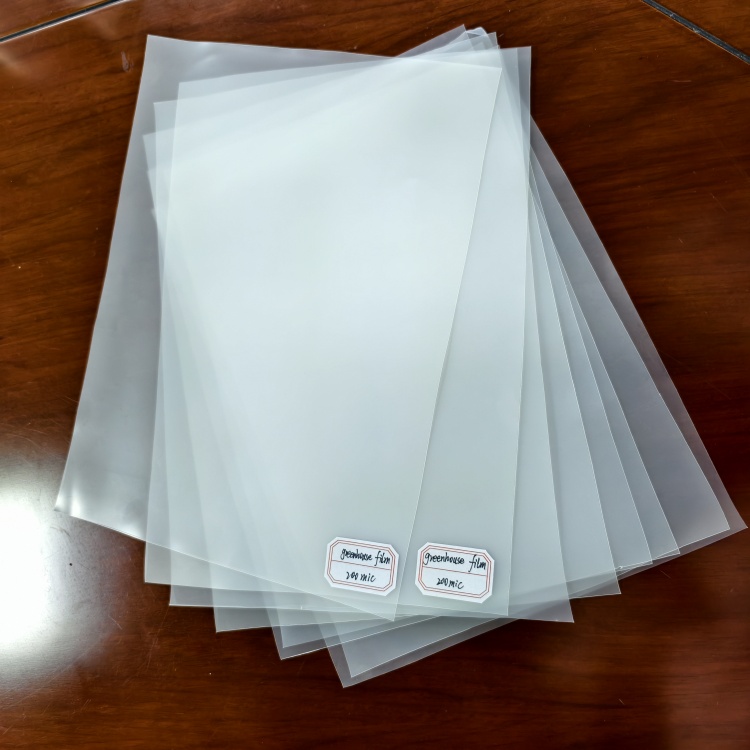
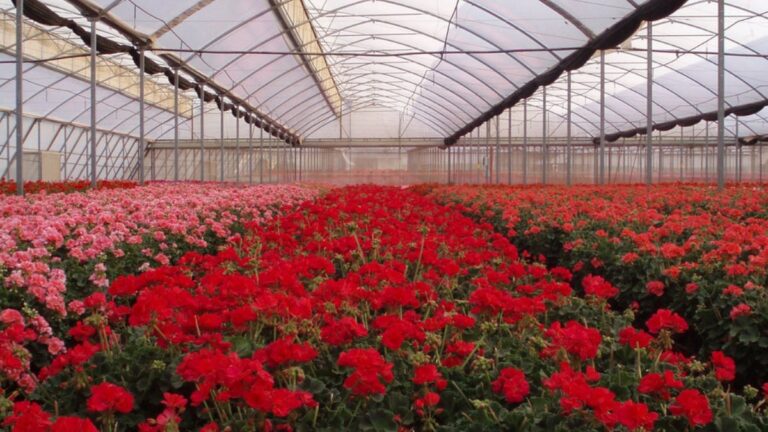
Seleccionar lo correcto Película de efecto invernadero o malla de sombra es fundamental para el éxito del cultivo. Como empresa dedicada Fabricante de redes y películas agrícolasNuestros expertos le ayudan a personalizar la protección UV y la transmisión de luz según su clima local. Comparta los detalles de su proyecto para una solución a medida.
AGRICULTURA HONREL Ingenieros de películas, redes y tuberías de goteo adaptados a su cultivo, clima y estructura: especificaciones, colores, etiquetado y embalaje, respaldados por dibujos y hojas de especificaciones.
Respuesta rápida y revisión rápida
Cotización rápida, revisión de especificaciones y muestras, y soporte práctico de ingeniería. Adaptamos las especificaciones y la documentación rápidamente para que su proyecto se ajuste a los plazos previstos.
Calidad y trazabilidad constantes
Formulaciones estabilizadas a la luz UV, control de calidad del proceso y comprobaciones de laboratorio para componentes ópticos y mecánicos, además de seguimiento a nivel de lote. Se ofrecen informes de COA y pruebas; el embalaje y el etiquetado para exportación están estandarizados.