Silage Wrap Supplier for Grass and Alfalfa Bales | Reliable Bulk Supply for Livestock Farms
For livestock farms sourcing by pallet or container, the real question is not only price per roll. It is how many stable bales the film can protect during a busy harvest window.
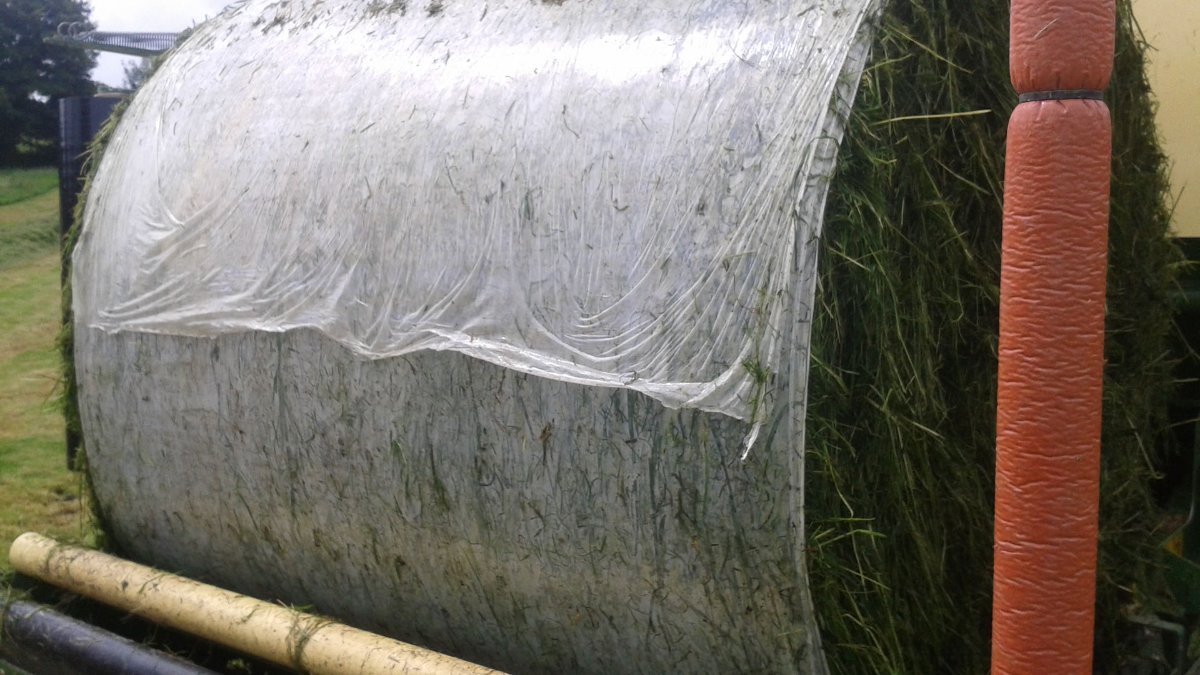
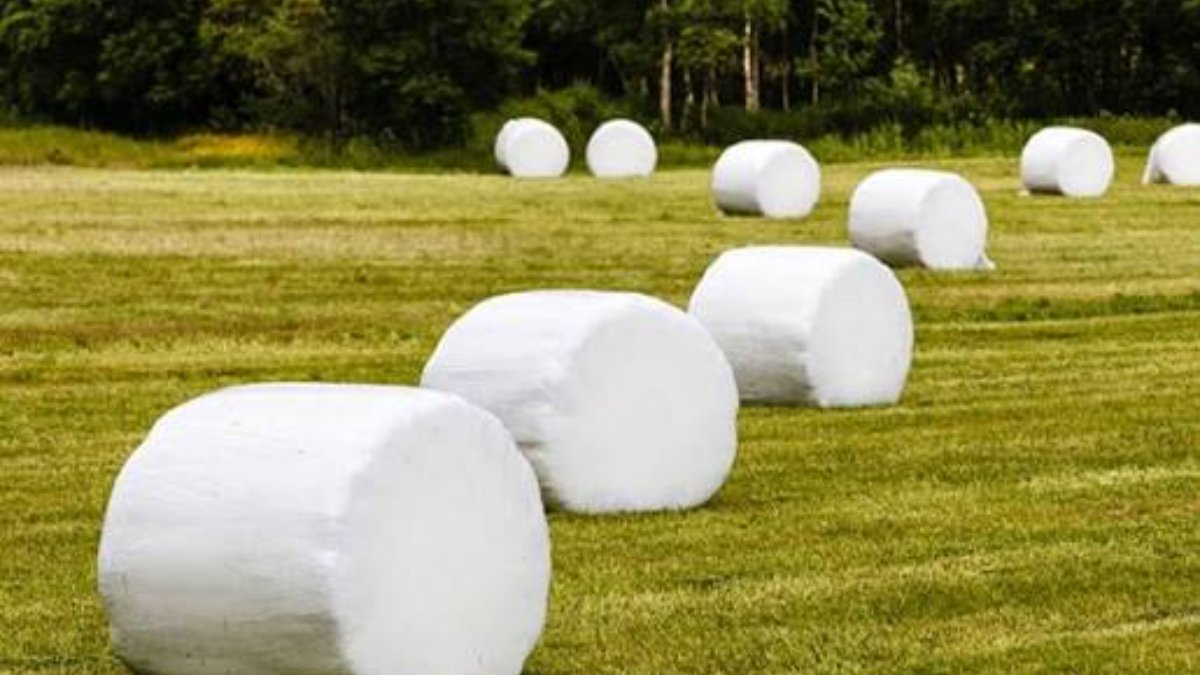
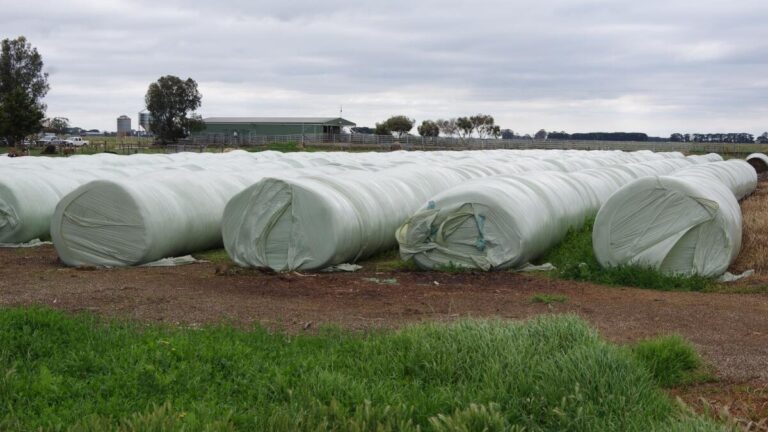
Grass and alfalfa bales need silage wrap that runs consistently during harvest and stays sealed through handling and storage. For livestock farms buying by pallet or container, stretch consistency, tack, puncture resistance, roll winding and wrapper compatibility matter more than simply comparing the cost of each roll.
HONREL AGRICULTURE supplies silage wrap film for livestock farms, forage contractors and agricultural distributors. Bulk orders can be planned around bale requirements, wrapper setup, packing and seasonal delivery schedules.
What Grass and Alfalfa Bales Require
Grass and alfalfa do not always behave the same on a baling line. Bale density, moisture, stem structure and surface condition can all affect the load placed on the film.
Alfalfa is particularly demanding because coarse stems can increase puncture risk. Grass bales may also vary in density as field conditions change during harvest. The wrap therefore needs consistent stretch and holding force while maintaining good cling between overlapping layers.
For reliable bale storage, buyers should pay attention to film strength, tack, stretch consistency and roll quality rather than evaluating thickness alone.
Match the Silage Wrap to Your Bale Wrapper
A good film still needs to work correctly on the actual wrapper.
Pre-stretch settings, roll holder condition, brake tension, overlap and wrapping speed can affect film performance. Poor winding or a damaged core may also cause roll vibration, uneven feeding or unnecessary stops during peak harvest.
Before placing a large seasonal order, check:
Roll width and length against the wrapper specification
Stretch performance under the normal pre-stretch setting
Tack and overlap between film layers
Core dimensions and roll winding
Puncture or edge damage after wrapping
Roll change and feeding stability
For a new film specification or wrapper setup, a small bale test is useful before full-volume purchasing. Wrap real grass or alfalfa bales under normal working conditions and inspect stretch, overlap, seam closure and puncture resistance.
Prevent Punctures During Wrapping and Storage
Film damage does not only happen on the wrapper. A well-wrapped bale can still lose its seal during transport, stacking or storage.
Stem punctures, loader contact, rough ground and sharp crop residue are common risk points. Wrapped bales should therefore be moved with suitable handling equipment and stored on a clean surface away from stones, broken pallets and sharp debris.
Risk Point
What to Check
Stem puncture
Bale density, film layers and film strength
Wrapper damage
Tension, rollers and film path
Loader contact
Handling method and contact points
Rough storage surface
Stones, crop residue and sharp debris
Damaged film after stacking
Inspect and repair punctures promptly
Adding more film cannot fully compensate for poor handling. The film specification, wrapping process and storage practice need to work together.
Plan Silage Wrap Quantity Before Harvest
Running out of bale wrap during harvest can stop the wrapping line at exactly the wrong time.
Bulk requirements should be calculated from expected bale volume, bale size, roll dimensions, overlap, number of film layers and wrapper settings. Farms should also keep a practical safety stock for higher-than-expected forage volume, damaged rolls or changes in harvest conditions.
For large orders, delivery timing should be agreed before the main harvest window. This reduces the need to switch film specifications or suppliers halfway through the season.
Rolls should be kept in suitable indoor storage before use and managed by batch so older inventory is consumed first.
Consistent Rolls Matter During High-Volume Wrapping
A sample roll may perform well, but livestock farms wrapping hundreds or thousands of bales need the same behaviour from one roll to the next.
Inconsistent winding, damaged edges, deformed cores or variations in stretch can interrupt the wrapper and increase film consumption. These problems become more expensive as daily bale volume increases.
For repeat orders, buyers should keep the main specification fixed, including roll dimensions, film structure, colour, core, packing and label requirements. This makes seasonal reordering easier and reduces unnecessary adjustments on the wrapping line.
Bulk Silage Wrap Supply from HONREL AGRICULTURE
HONREL AGRICULTURE supports bulk silage wrap orders for livestock farms, forage operations and agricultural distributors.
Before production, buyers can provide crop type, bale size, wrapper information, required roll specification, colour, packing requirements and delivery schedule. This allows the order to be matched more closely to actual field use instead of selecting film only from a general specification.
For pallet, container or repeat seasonal requirements, contact HONREL AGRICULTURE with your expected bale volume and wrapper requirements to discuss the appropriate specification and supply plan.
FAQ for Bulk Silage Wrap Orders
What should I check when choosing silage wrap for grass and alfalfa?
Check stretch consistency, tack, puncture resistance, roll winding, core condition and compatibility with your wrapper. For stemmy alfalfa, puncture performance deserves particular attention.
Should silage wrap be tested before a bulk order?
For a new specification, wrapper or supplier, a practical bale test is recommended. It allows you to check film feeding, pre-stretch, overlap, cling and puncture performance under your actual operating conditions.
How much silage wrap should a livestock farm order?
Start with expected bale count and calculate consumption using bale size, roll dimensions, overlap, film layers and wrapper settings. Add safety stock for harvest variation and damaged rolls.
Can the same film be used for bale wrapping and silage pits?
Not necessarily. Bale wrap is designed to stretch and cling around individual bales, while films used for pits, bunkers or stacks have different installation and performance requirements. The specifications should be selected separately.
What information should I provide for a bulk quotation?
Provide the crop type, bale size, wrapper model or film requirements, expected quantity, preferred roll specification, packing requirements and delivery destination. For repeat orders, keeping these specifications consistent makes future purchasing easier.
How should silage wrap rolls be checked after delivery?
Check pallet condition, roll edges, cores, labels and packaging for transport damage before harvest begins. Any damaged or deformed rolls should be separated before they reach the wrapper.
Get Factory-Direct Insights & Growing Tips
Selecting the right Greenhouse Film or shade mesh is critical for crop success. As a dedicated Agricultural Netting and Film Manufacturer, our experts help you customize UV protection and light transmission based on your local climate. Share your project details for a tailored solution.
HONREL AGRICULTURE engineers films, netting, and drip pipe to your crop, climate, and structure—specs, colors, labeling, and packaging—backed by drawings and spec sheets.
Fast Response & Quick Proofing
Rapid quoting, spec-sheet/sample proofing, and practical engineering support. We align specifications and documentation quickly to keep your project timeline on track.
Consistent Quality & Traceability
UV-stabilized formulations, process QC, and lab checks for optics/mechanics—plus lot-level tracking. COA/test reports available; export packing and labeling are standardized.