걱정하지 마세요, 바로 사장님께 연락하세요.
서둘러 닫지 마시고, 저희 사장님과 직접 통화해 주세요. 보통 1시간 이내에 답변드립니다.
온실용 필름 및 농업용 네트
온실 농업 솔루션 분야의 글로벌 파트너.
저희는 SSL/3.0을 사용하여 고객님의 개인정보를 암호화합니다.

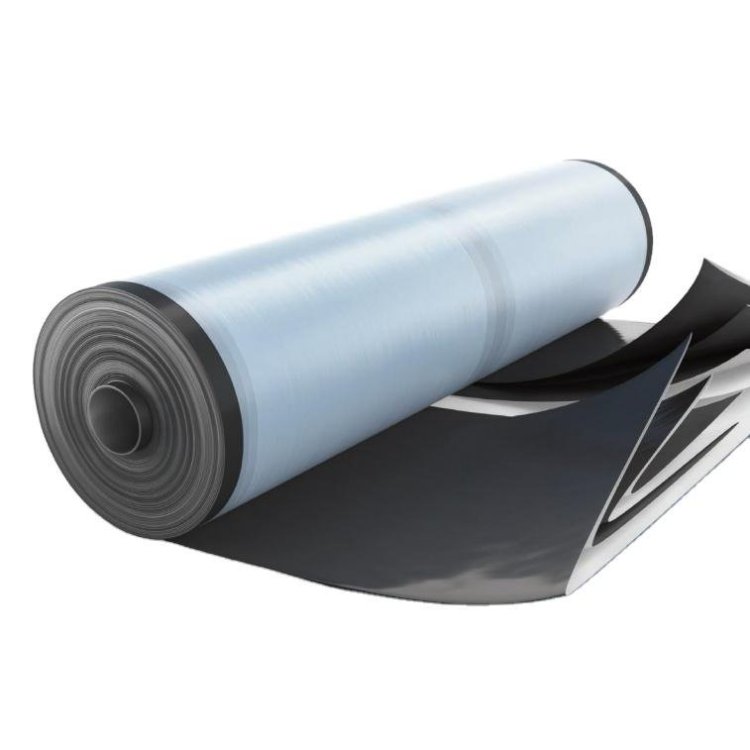
The white side faces up to reflect sunlight, and the black side faces down to keep light out. On larger bunkers, many farms also put a thin oxygen-barrier film under it.
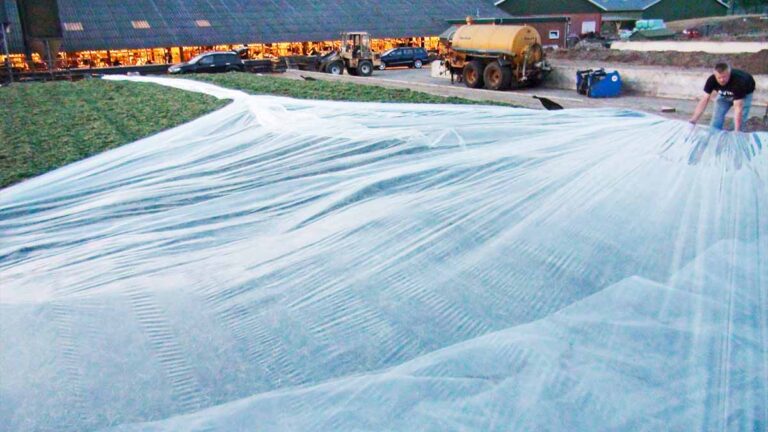
A silage bunker loses the most feed at the top, where air gets in. Good covering comes down to keeping air out: a UV-stabilized plastic cover that stays in full contact with the silage, weighted down well, with the edges sealed. Black and white panda film is a common choice for the top sheet. The white side faces up to reflect sunlight, and the black side faces down to keep light out. On larger bunkers, many farms also put a thin oxygen-barrier film under it.
This article covers how the film works, how to size it for your bunker, how to lay it, and what to check before you order in bulk.
Silage keeps because the bacteria in it work without oxygen. Wherever air gets into the pile, yeasts and molds take over, the silage heats, and feed is lost. The top layer and the edges along the walls are where this happens first.
The losses can be large. A University of Wisconsin extension paper on bunker covers describes a dark spoiled layer on top of poorly protected silage that represents a 50–65% loss of dry matter, with another 20–30% lost in the zone just below it. It recommends 6–8 mil polyethylene with UV protection to keep air and rain out.
That’s why the cover is worth getting right. It’s a small cost compared with the feed underneath.
수경 재배 벽, 커튼, 차단, 세척 가능한 파티션. is made with two colored layers in one sheet, white on one side and black on the other.
With the white side facing up, the cover reflects much of the sunlight instead of absorbing it, so the silage just under the plastic stays cooler than it would under a plain black sheet. That matters most in hot, sunny climates and on bunkers that will be fed out slowly over summer.
The black side faces down. It blocks light completely and makes the sheet opaque. Lay the film the wrong way up and you lose the benefit of the white side, so check orientation before the tires go on.
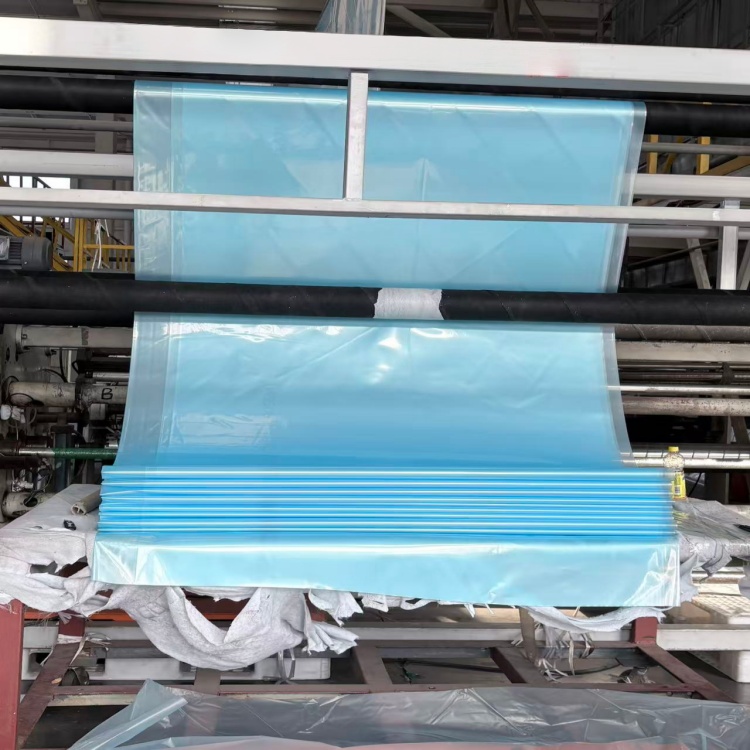
Most panda film is made by co-extruding several polyethylene layers together. In simple terms:
Ask for virgin resin. Covers made with a lot of recycled material tend to have weak spots and turn brittle sooner in the sun.
It’s also worth knowing what standard polyethylene doesn’t do well: it still lets a small amount of oxygen through. That’s the reason for oxygen-barrier film, covered below.
A bunker cover can sit in the sun, rain and cold for many months while the bunker is fed out. Without proper UV stabilization, polyethylene turns brittle and cracks, and once it cracks, air and water get in. Tell your supplier how long the cover has to last and what your climate is like, so the UV package matches.
Covering day is hard on plastic. People walk on it, tires get dragged across it, and stalks push up from below. Later in the season, wind, birds and animals do their share. A tougher film helps, but so does a habit of walking the bunker regularly and taping any holes straight away.
To size the cover:
It’s better to order a little wide than a little narrow. A sheet that only just reaches the walls leaves gaps when the pile settles.
For thickness, the Wisconsin paper’s 6–8 mil range is a good starting point. Go toward the heavier end on bigger bunkers, where people walk on the cover a lot, and where the cover has to last a long time.
Every overlap is a place where air can get in. One wide sheet is easier to seal than several narrow ones. If you do need to overlap sheets, make the overlaps generous and weight them heavily. Ask your supplier which widths they can produce as a single sheet. Folded wide sheets are easier to handle on site than very large flat rolls.

An oxygen-barrier film is a thin sheet laid directly on the silage under the main cover. It lets much less oxygen through than standard polyethylene. The main cover, such as panda film, goes on top to protect it from sun and damage.
The research behind it is fairly strong. A meta-analysis by Wilkinson and Fenlon, reported by Feedstuffs, found that in bunker and clamp silos, losses in the top layer fell from 19.5% of the crop ensiled under standard film to 11.4% under oxygen-barrier film. In corn silage, aerobic stability rose from about 75 to 135 hours.
It costs more and adds a step on covering day. For large bunkers, or where top spoilage is already a problem, it’s usually worth considering.
| Cover setup | What to expect |
|---|---|
| No cover or poor cover | Heavy spoilage on top and at the edges |
| Single UV-stabilized PE or panda cover, well weighted | Much better protection; most losses at the edges and the feeding face |
| Oxygen-barrier film under a panda cover | Lowest top-layer losses in the research above; higher material cost |
Confirm:
Ask for a sample before a full order and check it in the sun for opacity. Make sure rolls are packed well enough to arrive without cuts or crushed cores, and that each roll is labeled with size and thickness.
We make black and white panda film and 검은색과 흰색 사일리지 필름 for bunker and pile covers, with custom widths and lengths. For round bales, that’s a different product: silage stretch film. Distributors can combine these with our other silage film grades in one shipment. send us your bunker sizes and quantities for a quote.
A: The white side faces up, toward the sun. The black side goes down against the silage.
A: A well-laid, well-weighted panda cover works on its own. An oxygen-barrier film underneath reduces top-layer losses further, according to the research above, but it costs more.
A: A UW-Madison extension paper suggests 6–8 mil polyethylene with UV protection. Go heavier for large bunkers, heavy foot traffic or long storage.
A: Heavier covers sometimes get a second use if they’re clean and undamaged, but any hole lets air in. Many farms prefer a new cover each season for the main sheet.
올바른 것을 선택하세요 그린하우스 필름 또는 차광망은 작물 성공에 매우 중요합니다. 헌신적인 사람으로서 농업용 그물 및 필름 제조업체저희 전문가들이 고객님의 지역 기후에 맞춰 자외선 차단 및 광투과율을 맞춤 설정해 드립니다. 맞춤 솔루션을 위해 프로젝트 세부 정보를 알려주세요.