걱정하지 마세요, 바로 상사에게 연락하세요.
서둘러 닫지 마시고, 저희 사장님과 직접 통화해 주세요. 보통 1시간 이내에 답변드립니다.
온실용 필름 및 농업용 네트
온실 농업 솔루션 분야의 글로벌 파트너.
저희는 SSL/3.0을 사용하여 고객님의 개인정보를 암호화합니다.

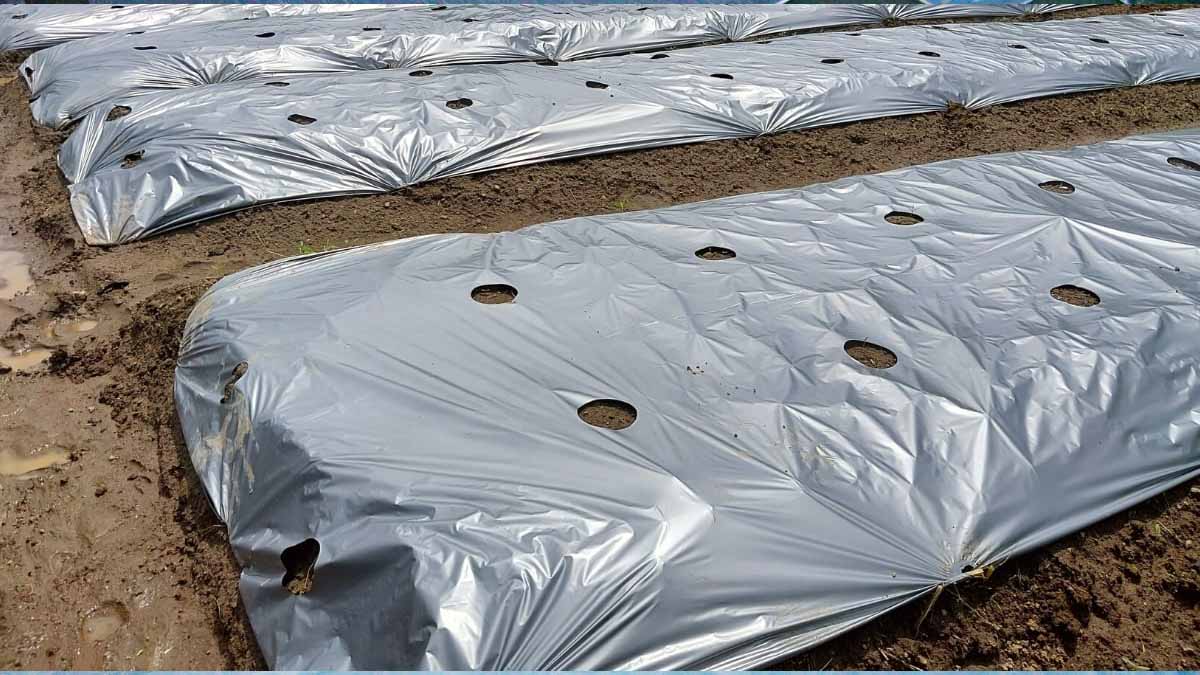
The film must match bed width, drip layout, soil temperature target, insect pressure, installation speed, and harvest cleanliness requirements.
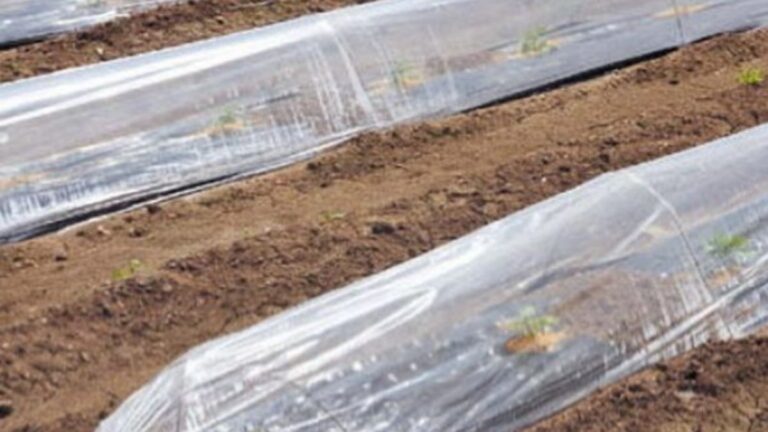
Silver black mulch film is selected for zucchini and squash when the buyer needs weed suppression from the black layer and light reflection from the silver surface. For large-scale cucurbit production, the key decision is not only color. The film must match bed width, drip layout, soil temperature target, insect pressure, installation speed, and harvest cleanliness requirements.
Zucchini and squash are fast-growing crops, so early field conditions matter. If weeds dominate the bed during the first weeks, the crop loses uniformity. If the bed surface becomes dirty and difficult to harvest, labor efficiency drops. If early insect pressure is high, growers need every practical support tool available. 은색 블랙 멀치 필름 is useful because it combines two functions: the black side blocks light toward the soil, while the silver side reflects light upward around the crop zone.
For large buyers, the product should be evaluated as a field-management material, not only as a reflective film. The silver surface can support crop-zone reflection and may help disrupt some flying insect behavior, but it is not a pesticide. The black underside supports weed suppression, but it does not control weeds in planting holes or uncovered rows. This balanced explanation is important for professional buyers because it sets the right expectation before the film reaches the field.
Compared with standard 검은색 비닐 멀칭 필름, silver black film is usually selected when the buyer wants a more active surface effect around young plants. It can be especially relevant for cucurbit programs where early crop establishment, cleaner beds, and field scouting efficiency are important.
Zucchini and squash respond strongly to soil and air conditions in the establishment stage. Black film tends to absorb heat and is often chosen for warming and weed control. Silver black film changes that balance. The reflective surface can reduce excessive surface heating compared with black film while still maintaining weed suppression from the black layer below. This can be useful in warm regions where the buyer wants clean beds without pushing the crop zone too hot.
The right film depends on the planting window. Early planting in a cooler region may still favor black or clear warming strategies. Warm-season planting with insect pressure and heat concern may favor silver black film. A professional quotation should therefore ask about planting date, climate, soil type, and target harvest window before recommending film color.
| Field condition | Film decision signal | Buyer note |
|---|---|---|
| Cool early planting | Warming may be more important | Compare with black or transparent film |
| Warm planting season | Reflection may help crop-zone management | Silver black becomes more relevant |
| High weed pressure | Light blocking is critical | Check black layer opacity and thickness |
| Frequent harvest | Clean beds support labor flow | Check film strength and edge stability |
Reflective mulch is often discussed in relation to aphids, whiteflies, and other flying pests. The professional way to explain this is careful and precise: silver reflective surfaces can support insect pressure management, but they do not replace scouting, crop protection, sanitation, or local pest-control programs. For large farms, this matters because a false promise can create serious field disappointment.
In a commercial squash or zucchini program, reflective mulch should be part of an integrated plan. The grower should still monitor pest pressure, remove crop residues, manage surrounding weeds, and follow local crop-protection recommendations. The film contributes by changing the crop-zone surface and improving bed cleanliness. It is one layer of risk reduction, not the whole strategy.
The right claim is not that silver black film removes insects. The right claim is that it helps create a cleaner, more reflective crop zone that supports the grower’s management plan.
Under 농업용 멀치 필름, drip irrigation is normally the best water-delivery method. For zucchini and squash, steady moisture supports fast vegetative growth and fruit development. The film reduces direct evaporation from the covered bed and helps keep the harvest area cleaner after irrigation or rain. Cleaner beds can reduce mud splash and make frequent picking easier for field crews.
For large farms, harvest flow is a serious operational issue. Workers enter the field many times, and small inefficiencies repeat across many hectares. A film that tears, lifts, or exposes weeds can slow the crew. A film that stays stable and keeps the bed surface cleaner supports more predictable field movement. That is why thickness, width, and edge burying should be discussed along with color.
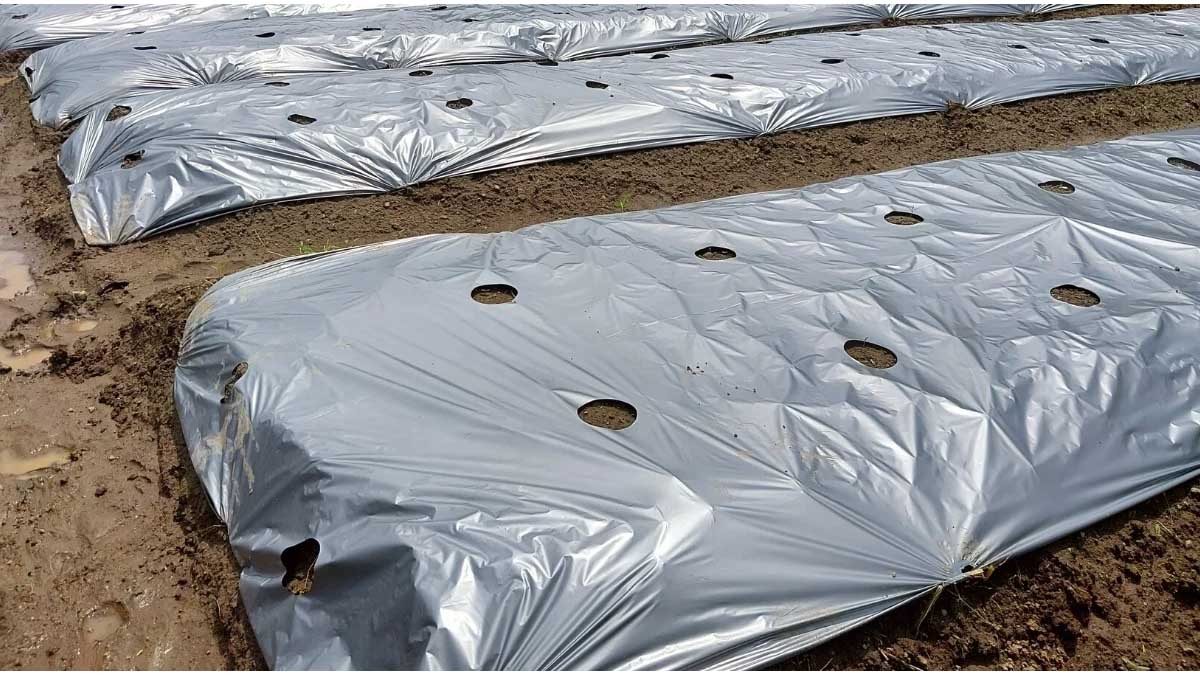
| 사양 | Professional buying requirement |
|---|---|
| Color orientation | Silver side up, black side toward soil |
| 두께 | Set by soil roughness, laying equipment, and field duration |
| 폭 | Match bed width, shoulder coverage, and edge burying |
| 롤 길이 | Choose longer rolls for mechanized large-area laying |
| 불투명도 | Black layer must block light effectively for weed suppression |
| 패키징 | Protect reflective surface from damage during transport |
For large-volume orders, HONREL AGRICULTURE can provide 도매 멀치 필름 with customized width, thickness, roll length, and export packaging. Buyers who manage several vegetable programs can also combine silver black film with 농업용 멀치 필름 제조업체 supply for other crops.
For zucchini and squash, the choice between silver black film and black film should start with the production goal. If the goal is basic weed suppression and soil warming, black film may be enough. If the grower also wants reflection around young plants, cleaner crop-zone management, and support against early flying pest pressure, silver black film becomes more relevant. Large buyers should not treat the two products as interchangeable because the field effect is different.
Silver black film is usually more useful when the farm has a clear reason to use the reflective surface. That may include early insect pressure, high crop-zone heat, frequent harvest, or a need for better scouting visibility. If none of those issues are important, black film may deliver the required result at lower cost. A professional recommendation should explain this tradeoff directly.
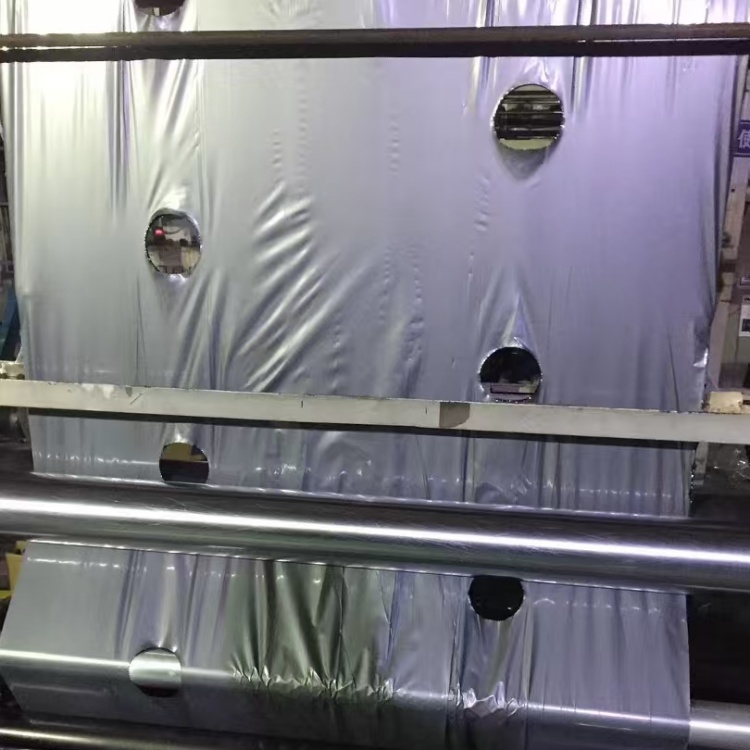
Large zucchini and squash farms often use mechanized film laying. In that situation, film strength and winding quality affect field speed. A roll that unwinds unevenly can slow the operation. A film that stretches too much can become thin at the edges. A weak film can tear when the bed is rough or when tension is too high. These installation issues are costly because they repeat over large areas.
The buyer should confirm roll core size, roll diameter, winding tension, roll length, and film thickness before production. For silver black film, surface protection during packing also matters because scratches or contamination can reduce the clean reflective appearance. The silver surface should arrive clean, correctly oriented, and ready for field laying.
Zucchini and squash fields are entered often for scouting and harvest. A stable mulch surface helps field teams move faster and see crop conditions more clearly. The reflective surface can improve visual contrast around young plants, while the black underside reduces weed competition on the bed. For large production blocks, these small advantages can become meaningful because they repeat across many rows.
The film should also work with irrigation and fertility plans. Drip tape under the film delivers water and nutrients more directly. The film reduces direct evaporation and helps keep the bed surface cleaner. In fast-growing cucurbit crops, that consistency supports crop establishment and can make harvest management easier.
After silver black mulch film is installed, the production team should check several practical points during the first crop cycle. The first is edge stability. If wind lifts the edge, weeds appear and the bed dries unevenly. The second is surface cleanliness. A reflective surface works best when it remains reasonably clean after laying. The third is planting-hole condition. Oversized holes reduce weed suppression and can expose more soil around young plants.
The team should also observe whether the film supports field movement. Zucchini and squash require repeated harvest passes, so a stable bed surface matters. If the film tears or shifts, workers lose time and the field becomes harder to manage. For large farms, these small delays multiply quickly. That is why field performance should be reviewed not only by crop growth but also by labor flow and harvest efficiency.
Large orders should define the reflective surface clearly in the production document. The buyer should specify silver side, black side, thickness, width, roll length, core size, packing method, and label text. The supplier should protect the rolls from surface damage during packing and loading. If the order includes both black mulch film and silver black film, labels should be obvious so warehouse and field crews do not mix them.
For repeat seasonal programs, it is useful to keep one approved film specification for each crop and region. A squash program in a hot region may not need the same film as a zucchini program in a cooler region. Keeping these records helps the buyer reorder accurately and allows the supplier to maintain consistent production from season to season.
A: The silver side faces up for reflection, and the black side faces the soil for light blocking and weed suppression.
A: No. It can support insect pressure management, but growers still need scouting and local crop-protection practices.
A: Yes, especially where the farm wants weed suppression, a cleaner bed surface, reflection around young plants, and better crop-zone management.
A: Confirm bed width, film thickness, roll length, soil condition, color orientation, drip layout, and packaging requirements.
A: Yes. HONREL AGRICULTURE can customize width, thickness, roll length, labels, and packing for container-volume orders.
올바른 것을 선택하세요 그린하우스 필름 또는 차광망은 작물 성공에 매우 중요합니다. 헌신적인 사람으로서 농업용 그물 및 필름 제조업체저희 전문가들이 고객님의 지역 기후에 맞춰 자외선 차단 및 광투과율을 맞춤 설정해 드립니다. 맞춤 솔루션을 위해 프로젝트 세부 정보를 알려주세요.