Película de acolchado negro plateado para la producción de calabacines y calabazas: gestión de la temperatura del suelo y presión de insectos
La película debe ajustarse al ancho de la cama, disposición del goteo, objetivo de temperatura del suelo, presión de insectos, velocidad de instalación y requisitos de limpieza en la cosecha.
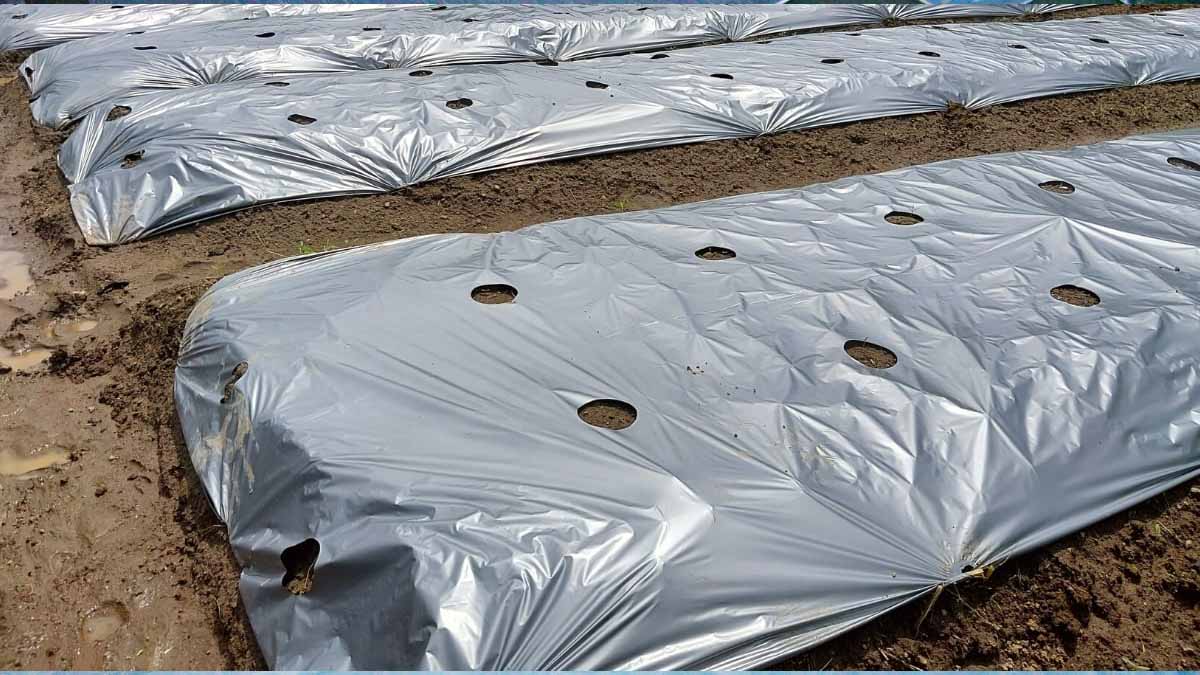
Se selecciona película de acolchado plata-negra para calabacín y calabaza cuando el comprador necesita supresión de malezas por la capa negra y reflexión de luz por la superficie plateada. Para la producción a gran escala de cucurbitáceas, la decisión clave no es solo el color. La película debe ajustarse al ancho del surco, disposición del goteo, temperatura objetivo del suelo, presión de insectos, velocidad de instalación y requisitos de limpieza en la cosecha.
Tabla de contenido
Comenzar con el problema del campo
El calabacín y la calabaza son cultivos de rápido crecimiento, por lo que las condiciones tempranas del campo importan. Si las malezas dominan el surco durante las primeras semanas, el cultivo pierde uniformidad. Si la superficie del surco se ensucia y resulta difícil cosechar, la eficiencia laboral disminuye. Si la presión temprana de insectos es alta, los agricultores necesitan cada herramienta práctica disponible. Película de acolchado plata-negra es útil porque combina dos funciones: el lado negro bloquea la luz hacia el suelo, mientras que el lado plateado refleja la luz hacia arriba alrededor de la zona del cultivo.
Para compradores grandes, el producto debe evaluarse como un material de gestión de campo, no solo como una película reflectante. La superficie plateada puede apoyar la reflexión en la zona del cultivo y ayudar a alterar el comportamiento de algunos insectos voladores, pero no es un pesticida. El lado negro inferior apoya la supresión de malezas, pero no controla las malezas en los hoyos de plantación ni en las filas descubiertas. Esta explicación equilibrada es importante para compradores profesionales porque establece las expectativas adecuadas antes de que la película llegue al campo.
En comparación con la película estándar película de plástico negro para acolchado, la película plata-negra suele seleccionarse cuando el comprador quiere un efecto más activo en la superficie alrededor de las plantas jóvenes. Puede ser especialmente relevante para programas de cucurbitáceas donde el establecimiento temprano del cultivo, surcos más limpios y la eficiencia en la inspección del campo son importantes.
Estrategia de temperatura del suelo
Zucchini and squash respond strongly to soil and air conditions in the establishment stage. Black film tends to absorb heat and is often chosen for warming and weed control. Silver black film changes that balance. The reflective surface can reduce excessive surface heating compared with black film while still maintaining weed suppression from the black layer below. This can be useful in warm regions where the buyer wants clean beds without pushing the crop zone too hot.
The right film depends on the planting window. Early planting in a cooler region may still favor black or clear warming strategies. Warm-season planting with insect pressure and heat concern may favor silver black film. A professional quotation should therefore ask about planting date, climate, soil type, and target harvest window before recommending film color.
Field condition
Film decision signal
Buyer note
Cool early planting
Warming may be more important
Compare with black or transparent film
Warm planting season
Reflection may help crop-zone management
Silver black becomes more relevant
High weed pressure
Light blocking is critical
Check black layer opacity and thickness
Frequent harvest
Clean beds support labor flow
Check film strength and edge stability
Gestión de la presión de insectos
Reflective mulch is often discussed in relation to aphids, whiteflies, and other flying pests. The professional way to explain this is careful and precise: silver reflective surfaces can support insect pressure management, but they do not replace scouting, crop protection, sanitation, or local pest-control programs. For large farms, this matters because a false promise can create serious field disappointment.
In a commercial squash or zucchini program, reflective mulch should be part of an integrated plan. The grower should still monitor pest pressure, remove crop residues, manage surrounding weeds, and follow local crop-protection recommendations. The film contributes by changing the crop-zone surface and improving bed cleanliness. It is one layer of risk reduction, not the whole strategy.
The right claim is not that silver black film removes insects. The right claim is that it helps create a cleaner, more reflective crop zone that supports the grower’s management plan.
Agua, limpieza de la cama y flujo de cosecha
Under mantillo agrícola, drip irrigation is normally the best water-delivery method. For zucchini and squash, steady moisture supports fast vegetative growth and fruit development. The film reduces direct evaporation from the covered bed and helps keep the harvest area cleaner after irrigation or rain. Cleaner beds can reduce mud splash and make frequent picking easier for field crews.
For large farms, harvest flow is a serious operational issue. Workers enter the field many times, and small inefficiencies repeat across many hectares. A film that tears, lifts, or exposes weeds can slow the crew. A film that stays stable and keeps the bed surface cleaner supports more predictable field movement. That is why thickness, width, and edge burying should be discussed along with color.
Tabla de especificaciones a granel
Especificación
Professional buying requirement
Color orientation
Silver side up, black side toward soil
Espesor
Set by soil roughness, laying equipment, and field duration
Ancho
Match bed width, shoulder coverage, and edge burying
Longitud del rollo
Choose longer rolls for mechanized large-area laying
Opacidad
Black layer must block light effectively for weed suppression
Embalaje
Protect reflective surface from damage during transport
Errores comunes en las especificaciones
Using silver black film where maximum soil warming is the real goal.
Ordering the same width used for another crop without checking squash bed shape.
Choosing film too thin for rough soil or high-speed laying.
Forgetting that the silver side must face up during installation.
Expecting reflective mulch to replace scouting or crop protection.
Ignoring roll winding quality, which affects machine laying speed.
For large-volume orders, HONREL AGRICULTURE can provide película de mantillo al por mayor with customized width, thickness, roll length, and export packaging. Buyers who manage several vegetable programs can also combine silver black film with fabricante de película de mantillo agrícola supply for other crops.
Cómo deben comparar los grandes compradores de cucurbitáceas las películas negro plateado y negra
For zucchini and squash, the choice between silver black film and black film should start with the production goal. If the goal is basic weed suppression and soil warming, black film may be enough. If the grower also wants reflection around young plants, cleaner crop-zone management, and support against early flying pest pressure, silver black film becomes more relevant. Large buyers should not treat the two products as interchangeable because the field effect is different.
Silver black film is usually more useful when the farm has a clear reason to use the reflective surface. That may include early insect pressure, high crop-zone heat, frequent harvest, or a need for better scouting visibility. If none of those issues are important, black film may deliver the required result at lower cost. A professional recommendation should explain this tradeoff directly.
Resistencia de la película para instalación mecanizada
Large zucchini and squash farms often use mechanized film laying. In that situation, film strength and winding quality affect field speed. A roll that unwinds unevenly can slow the operation. A film that stretches too much can become thin at the edges. A weak film can tear when the bed is rough or when tension is too high. These installation issues are costly because they repeat over large areas.
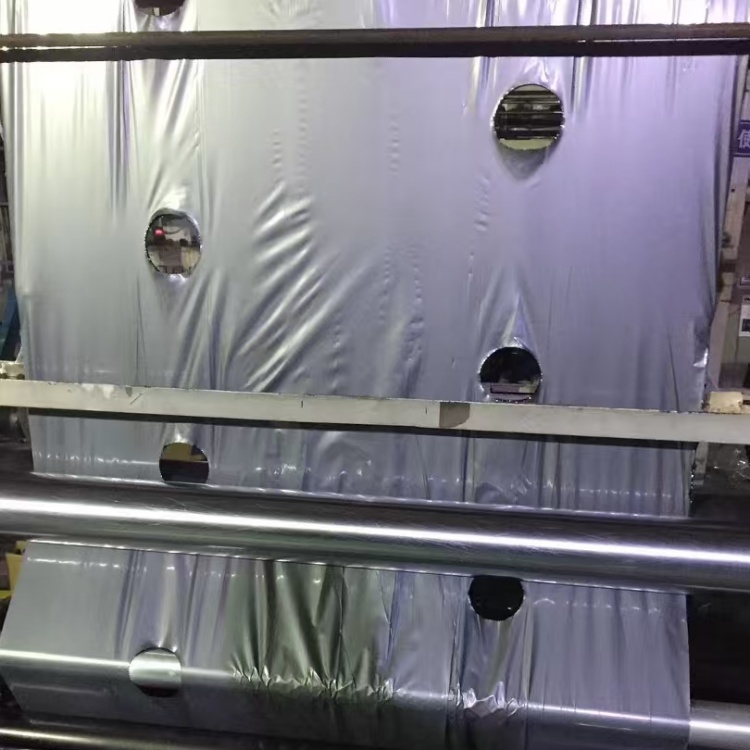
The buyer should confirm roll core size, roll diameter, winding tension, roll length, and film thickness before production. For silver black film, surface protection during packing also matters because scratches or contamination can reduce the clean reflective appearance. The silver surface should arrive clean, correctly oriented, and ready for field laying.
Gestión de la zona del cultivo en calabazas y calabacines
Zucchini and squash fields are entered often for scouting and harvest. A stable mulch surface helps field teams move faster and see crop conditions more clearly. The reflective surface can improve visual contrast around young plants, while the black underside reduces weed competition on the bed. For large production blocks, these small advantages can become meaningful because they repeat across many rows.
The film should also work with irrigation and fertility plans. Drip tape under the film delivers water and nutrients more directly. The film reduces direct evaporation and helps keep the bed surface cleaner. In fast-growing cucurbit crops, that consistency supports crop establishment and can make harvest management easier.
Puntos de control en el aprovisionamiento
Confirm whether reflection is truly needed or whether black film is enough.
Measure bed width and shoulder coverage before selecting roll width.
Check silver-side orientation instructions for field crews.
Specify thickness and roll length according to laying equipment.
Require clean roll packing to protect the reflective surface.
Keep the approved specification for repeat seasonal orders.
Verificaciones de rendimiento durante el primer ciclo de producción
After silver black mulch film is installed, the production team should check several practical points during the first crop cycle. The first is edge stability. If wind lifts the edge, weeds appear and the bed dries unevenly. The second is surface cleanliness. A reflective surface works best when it remains reasonably clean after laying. The third is planting-hole condition. Oversized holes reduce weed suppression and can expose more soil around young plants.
The team should also observe whether the film supports field movement. Zucchini and squash require repeated harvest passes, so a stable bed surface matters. If the film tears or shifts, workers lose time and the field becomes harder to manage. For large farms, these small delays multiply quickly. That is why field performance should be reviewed not only by crop growth but also by labor flow and harvest efficiency.
Requisitos de pedido para película negro plateado
Large orders should define the reflective surface clearly in the production document. The buyer should specify silver side, black side, thickness, width, roll length, core size, packing method, and label text. The supplier should protect the rolls from surface damage during packing and loading. If the order includes both black mulch film and silver black film, labels should be obvious so warehouse and field crews do not mix them.
For repeat seasonal programs, it is useful to keep one approved film specification for each crop and region. A squash program in a hot region may not need the same film as a zucchini program in a cooler region. Keeping these records helps the buyer reorder accurately and allows the supplier to maintain consistent production from season to season.
Preguntas frecuentes para compradores en grandes volúmenes
P1: ¿Qué lado de la película de acolchado negro plateado debe quedar hacia arriba?
R: El lado plateado queda hacia arriba para reflexión, y el lado negro hacia el suelo para bloquear la luz y suprimir las malas hierbas.
P2: ¿Puede la película negro plateado reemplazar el control de insectos?
R: No. Puede ayudar en la gestión de la presión de insectos, pero los agricultores aún necesitan inspección y prácticas locales de protección de cultivos.
P3: ¿Es la película negro plateado adecuada para calabacines y calabazas?
R: Sí, especialmente donde la finca quiere supresión de malezas, una superficie de cama más limpia, reflexión alrededor de plantas jóvenes y mejor gestión de la zona del cultivo.
P4: ¿Qué deben confirmar los grandes compradores antes de hacer un pedido?
R: Confirme el ancho de la cama, grosor de la película, longitud del rollo, condición del suelo, orientación del color, disposición del goteo y requisitos de embalaje.
P5: ¿Puede HONREL personalizar la película de acolchado negro plateado para pedidos grandes?
R: Sí. HONREL AGRICULTURE puede personalizar ancho, grosor, longitud del rollo, etiquetas y embalaje para pedidos de volumen en contenedor.
Obtenga información directa de fábrica y consejos de cultivo
Seleccionar lo correcto Película de efecto invernadero o malla de sombra es fundamental para el éxito del cultivo. Como empresa dedicada Fabricante de redes y películas agrícolasNuestros expertos le ayudan a personalizar la protección UV y la transmisión de luz según su clima local. Comparta los detalles de su proyecto para una solución a medida.
AGRICULTURA HONREL Ingenieros de películas, redes y tuberías de goteo adaptados a su cultivo, clima y estructura: especificaciones, colores, etiquetado y embalaje, respaldados por dibujos y hojas de especificaciones.
Respuesta rápida y revisión rápida
Cotización rápida, revisión de especificaciones y muestras, y soporte práctico de ingeniería. Adaptamos las especificaciones y la documentación rápidamente para que su proyecto se ajuste a los plazos previstos.
Calidad y trazabilidad constantes
Formulaciones estabilizadas a la luz UV, control de calidad del proceso y comprobaciones de laboratorio para componentes ópticos y mecánicos, además de seguimiento a nivel de lote. Se ofrecen informes de COA y pruebas; el embalaje y el etiquetado para exportación están estandarizados.