Anti-Insect Net Manufacturer for Organic Vegetable Farms | Physical Pest Control with Less Pesticide Use
Slap a 50-mesh on to stop thrips, and your tunnel turns into a humid sauna with mildew everywhere. Drop to a breezy 25-mesh, and aphids walk right through.
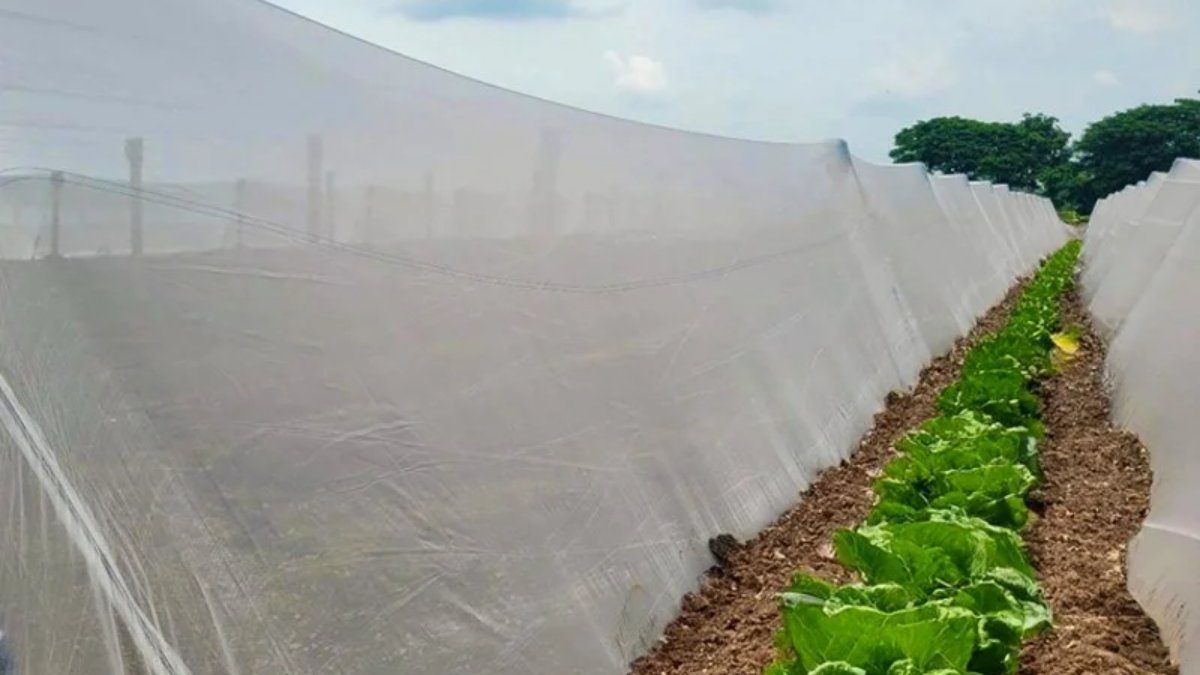
Bug net only works if the mesh matches the pest and the seal holds 100%—pick the loosest weave that still blocks your bug, bury the skirt in the dirt, and tape every tear, or don’t bother putting it up.
Índice
Physical Pest Control Depends On Mesh Accuracy
Insect net is pure trade-off: go too loose and you feed the bugs; go too tight and you cook your crop.
Slap a 50-mesh on to stop thrips, and your tunnel turns into a humid sauna with mildew everywhere. Drop to a breezy 25-mesh, and aphids walk right through. If you don’t trench and bury the edges 6 inches into the dirt, you’re just wasting your time anyway.
Cabbage moths, caterpillars: 25–30 mesh. Keeps it breezy.
Whiteflies, leaf miners: 40–50 mesh. Good barrier, but watch your humidity.
Airflow, Humidity And Light Must Stay Balanced
Don’t just buy the tightest net on the shelf—go too fine in the heat and you’ll choke the airflow and rot the crop, so run the loosest mesh that still stops your target bug.
Crop or condition
Netting priority
leafy vegetables
airflow and humidity control
brassicas
pest exclusion and edge sealing
seedlings
fine mesh and gentle light
hot regions
ventilation and shade interaction
organic systems
physical barrier plus monitoring
When anti-insect netting is used with filme de estufa or shade systems, the combined effect on heat and humidity should be reviewed before full installation.
Edges Are More Important Than The Middle Of The Net
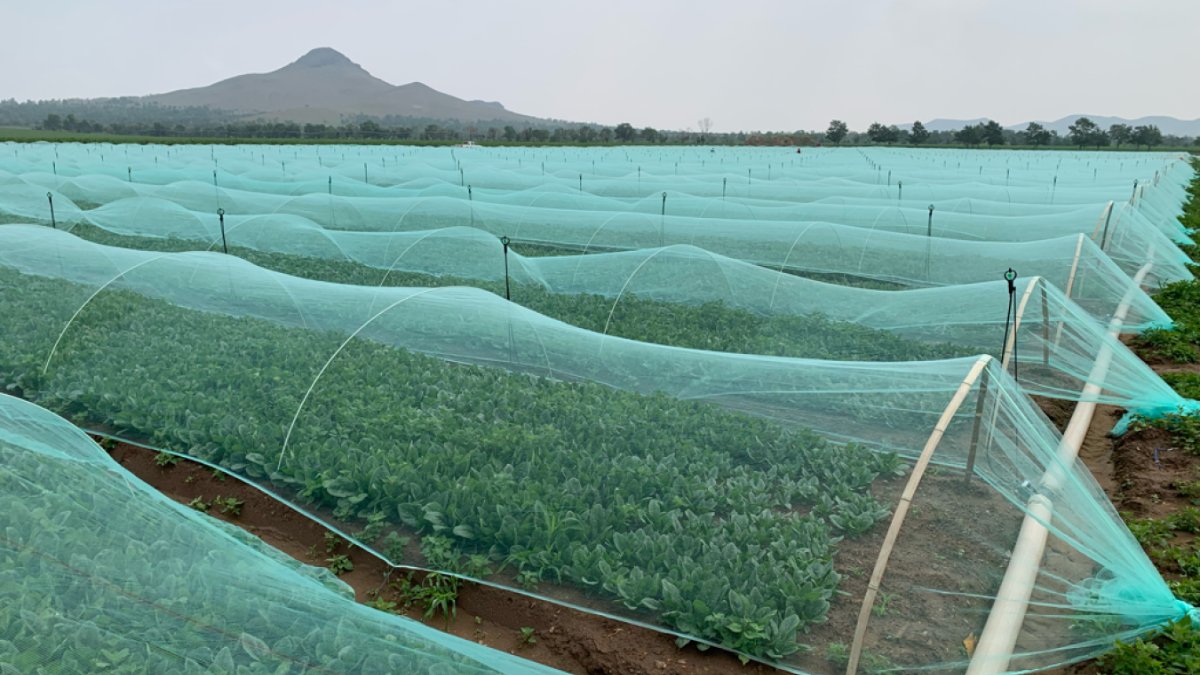
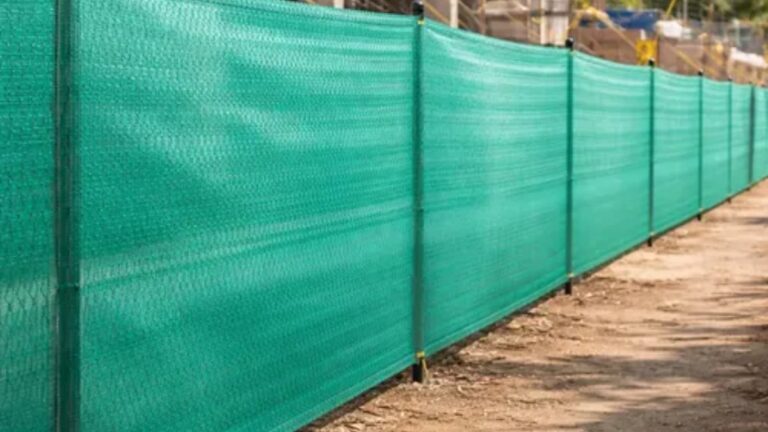
Most insect entry happens through gaps, not through the center of a correct mesh. Doorways, sidewalls, seams, overlaps, soil contact points, and torn areas must be managed carefully. In organic production, one open edge can reduce the value of the whole installation.
Match mesh size to the smallest target pest that matters economically.
Seal edges and overlaps before pest pressure rises.
Use doors or double-entry areas for high-value crops.
Repair holes immediately with compatible material.
Clean crop residue around structures to reduce pest pressure.
For broader protection programs, agricultural netting manufacturer categories may include insect, bird, shade, and hail netting, but each has different airflow and strength requirements.
HONREL Support For Organic Vegetable Netting
AGRICULTURA HONREL can supply anti-insect net with custom mesh size, width, length, color, UV stabilization, edge design, and packing. Related agricultural netting wholesale products can be coordinated for farms that use several net types across different crops.
A strong technical file should include target insect, crop type, climate, structure size, ventilation design, expected service life, and installation method. This keeps the final netting close to the biological problem it is meant to solve.
Organic Pest Barriers Need Monitoring After Installation
Bug netting cuts down outside pressure, but it’s just a screen, not a miracle cure. If you leave old crop trash on the dirt, let weeds hug the sidewalls, or leave the doorway flap loose, you’re just breeding pests inside a locked cage. Netting only works if you’re scouting sticky cards daily; slap it up and walk away, and you’ll get blind-sided.
Going ultra-fine in warm, muggy weather is asking for trouble. Yes, tight 50-mesh keeps out tiny thrips, but it strangles airflow until the house turns into a mold incubator. You have to balance screen size against your hoop height, open the roll-up sides, dial back plant spacing, and stop over-watering—the right roll is the loosest weave that still stops your specific bug while letting the crop breathe. And keep your specs straight: bug mesh is for exclusion, so don’t try to substitute it with loose bird netting or heavy knitted shade cloth and expect the same air draw.
Identify the smallest target pest before selecting mesh.
Seal edges before pest season begins.
Use double-door entry for high-value crops.
Inspect after wind, harvest, and worker traffic.
Mesh Selection Should Start From The Pest List
Organic vegetable farms should list the pests that cause economic damage before choosing mesh. Whitefly control, aphid reduction, moth exclusion, and beetle restriction do not require the same opening size. If the mesh is chosen too broadly, the target pest may still enter. If chosen too fine, ventilation may suffer unnecessarily.
A netting program should also include sanitation. Crop residues, weeds near entrances, and open doors create pest pressure inside the protected area. Physical exclusion works best when the outside pressure is also managed.
Contact HONREL AGRICULTURE for Custom Anti-Insect Netting
HONREL AGRICULTURE manufactures customizable anti-insect netting for organic vegetable farms and protected crop production. Mesh size, dimensions, UV stabilization, and edge design can be tailored to target pests, crop requirements, and local growing conditions.
Looking for a reliable insect netting manufacturer? Contact HONREL AGRICULTURE to discuss your requirements and request a quotation.ical file should change with it rather than carrying an old grade name into a new project.
Perguntas frequentes
Q1: How does anti-insect netting reduce pesticide use?
A: It creates a physical barrier that lowers pest entry, helping organic farms reduce chemical pressure when combined with monitoring and hygiene practices.
Q2: What mesh size is best for organic vegetables?
A: Mesh size depends on the target pest. Smaller insects require finer mesh, but airflow and humidity must still be managed.
Q3: Can insect netting increase humidity?
A: Yes. Fine mesh can reduce ventilation, so structure design, climate, crop density, and irrigation timing should be reviewed.
Q4: Where do insects usually enter protected structures?
A: They usually enter through doors, side gaps, overlaps, torn areas, soil contact points, and poorly sealed edges.
Q5: Can HONREL customize anti-insect netting?
A: Yes. Mesh size, width, length, color, UV stabilization, edge design, packing, and labels can be customized.
Obtenha informações diretamente da fábrica e dicas de cultivo.
Selecionar o certo Filme de estufa ou tela de sombreamento é fundamental para o sucesso da colheita. Como um dedicado Fabricante de redes e filmes agrícolasNossos especialistas ajudam você a personalizar a proteção UV e a transmissão de luz de acordo com o clima da sua região. Compartilhe os detalhes do seu projeto para obter uma solução sob medida.
AGRICULTURA HONREL Engenheiros desenvolvem filmes, telas e tubos de gotejamento adequados à sua cultura, clima e estrutura — especificações, cores, rotulagem e embalagem — com base em desenhos e fichas técnicas.
Resposta rápida e revisão imediata
Orçamentos rápidos, aprovação de especificações/amostras e suporte técnico prático. Alinhamos especificações e documentação rapidamente para manter o cronograma do seu projeto em dia.
Qualidade consistente e rastreabilidade
Formulações estabilizadas contra raios UV, controle de qualidade do processo e verificações laboratoriais de óptica/mecânica, além de rastreamento em nível de lote. Certificados de análise/relatórios de teste disponíveis; embalagem e rotulagem para exportação padronizadas.