HDPE Shade Net Supplier for Poultry and Livestock Farms | Cooling Large Outdoor Housing Areas
Shade rate, mesh structure, UV stabilization, width, fixing strength, and installation height decide whether large outdoor housing areas stay practical in hot seasons.
HDPE shade net for poultry and livestock farms should reduce solar heat load while keeping airflow open. Shade rate, mesh structure, UV stabilization, width, fixing strength, and installation height decide whether large outdoor housing areas stay practical in hot seasons.
Índice
Cooling Starts With Shade And Air Movement Together
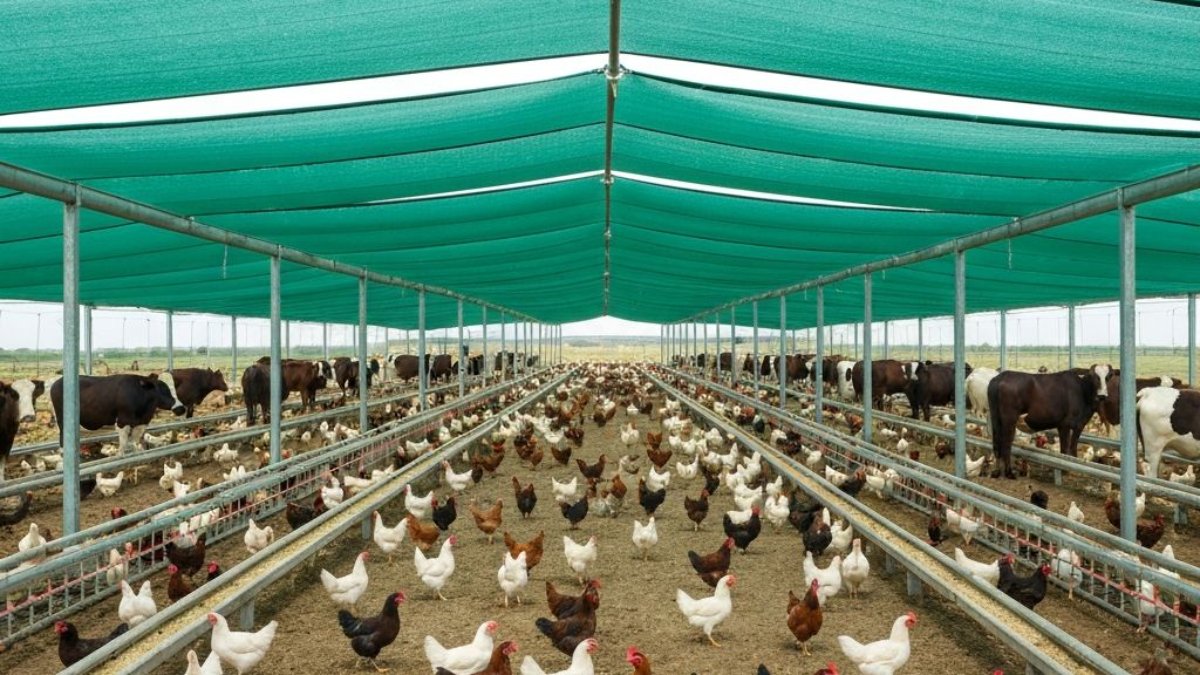
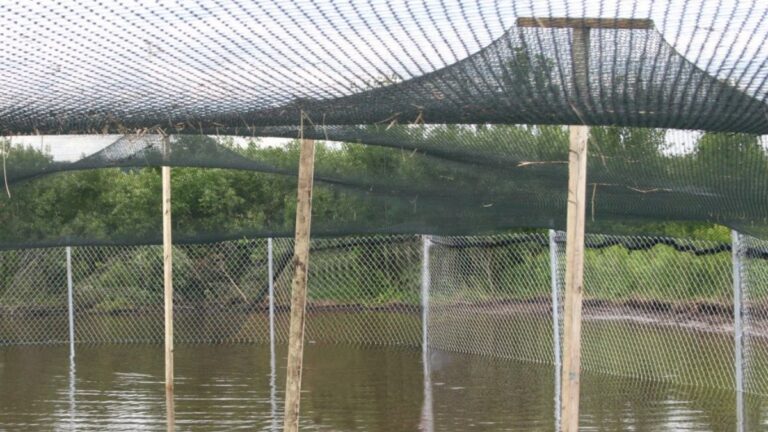
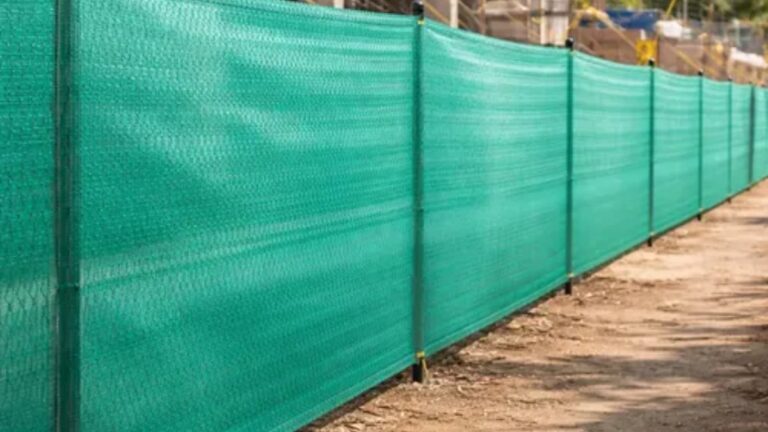
For poultry and livestock farms, fabricante de telas de sombreamento products are used to reduce direct solar radiation over pens, yards, walkways, feeding areas, and temporary shelters. The target is not a dark enclosure. Animals still need air movement. A net with too much blockage can trap heat if the structure has poor ventilation.
Shade rate should be selected according to species, climate, roof height, and airflow. Poultry yards, calf areas, goat pens, sheep holding areas, and open cattle zones may need different shade percentages. The installation height and orientation matter as much as the net itself.
HDPE Material And UV Stabilization
HDPE is commonly used because it is light, flexible, and suitable for outdoor woven or knitted net structures. UV stabilization is essential for long exposure. Without a suitable UV package, sunlight weakens the material and service life becomes unpredictable.
Farm condition
Netting focus
hot open yards
shade rate and airflow
large poultry runs
roll width and fixing layout
livestock holding pens
tear resistance and edge reinforcement
coastal or windy sites
tension design and support spacing
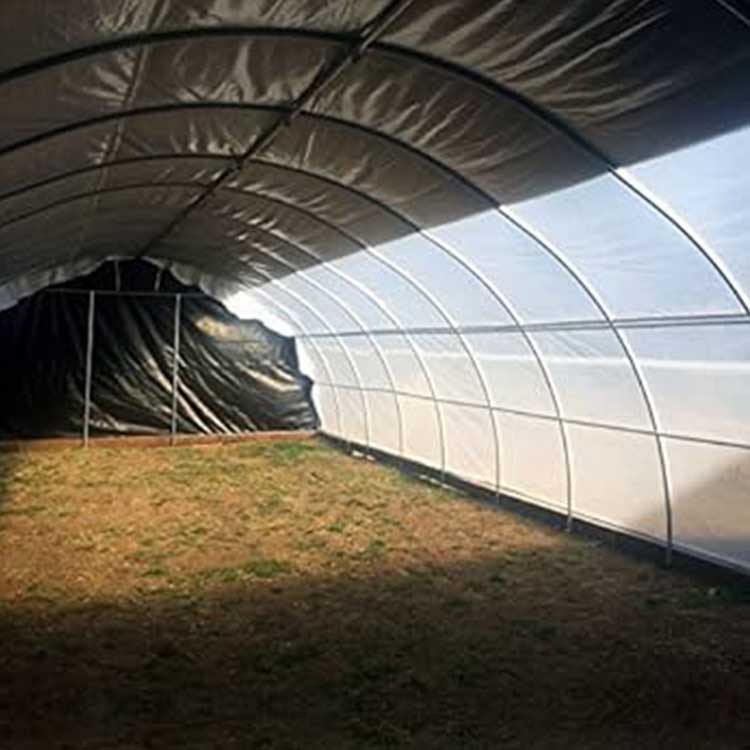
seasonal shelters
packing, storage, and reinstallation durability
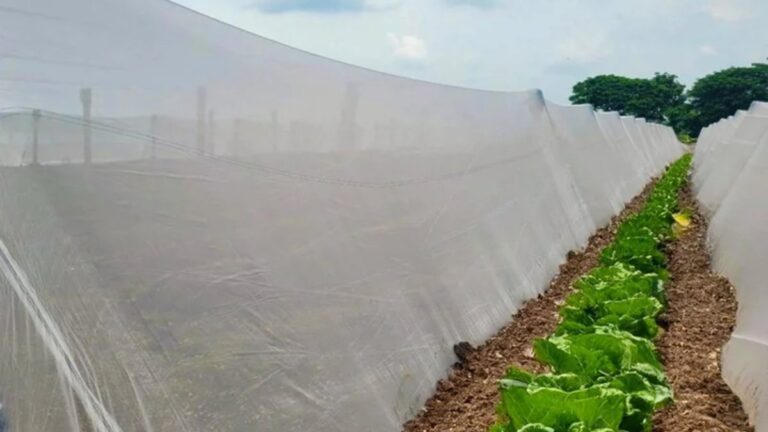
If the same farm sources crop protection materials, related agricultural netting manufacturer products should be separated by use. Animal shade and crop shade may look similar, but support spacing and contact risk are different.
Installation Over Large Outdoor Areas
Large-area shade netting should not sag heavily. Sagging traps water, increases stress, and shortens service life. Support cables, posts, fixing intervals, and overlap direction should be planned before the roll arrives. Wind movement is one of the main stress sources, so net density and support strength must be matched.
Confirm the shade rate by species and climate, not only by product availability.
Plan support spacing before choosing roll width.
Use reinforced edges or fixing bands where tension is concentrated.
Keep air movement open under the shaded area.
Shade net is most effective when animals can move between sun and shade, and when water and feeding areas are placed under comfortable coverage. Film-like thinking does not work here; netting performance depends on airflow.
Custom Supply From HONREL AGRICULTURE
AGRICULTURA HONREL can supply HDPE shade net with custom width, length, shade rate, color, UV stabilization, edge reinforcement, and packing. For farms that also need insect, bird, or crop protection netting, agricultural netting wholesale planning can coordinate container loading while keeping product codes separate.
The technical file should include animal type, covered area, installation height, wind exposure, expected service life, and support structure. Those details prevent over-dense netting, undersized rolls, or weak edge design.
Animal Shade Must Avoid Heat Trapping
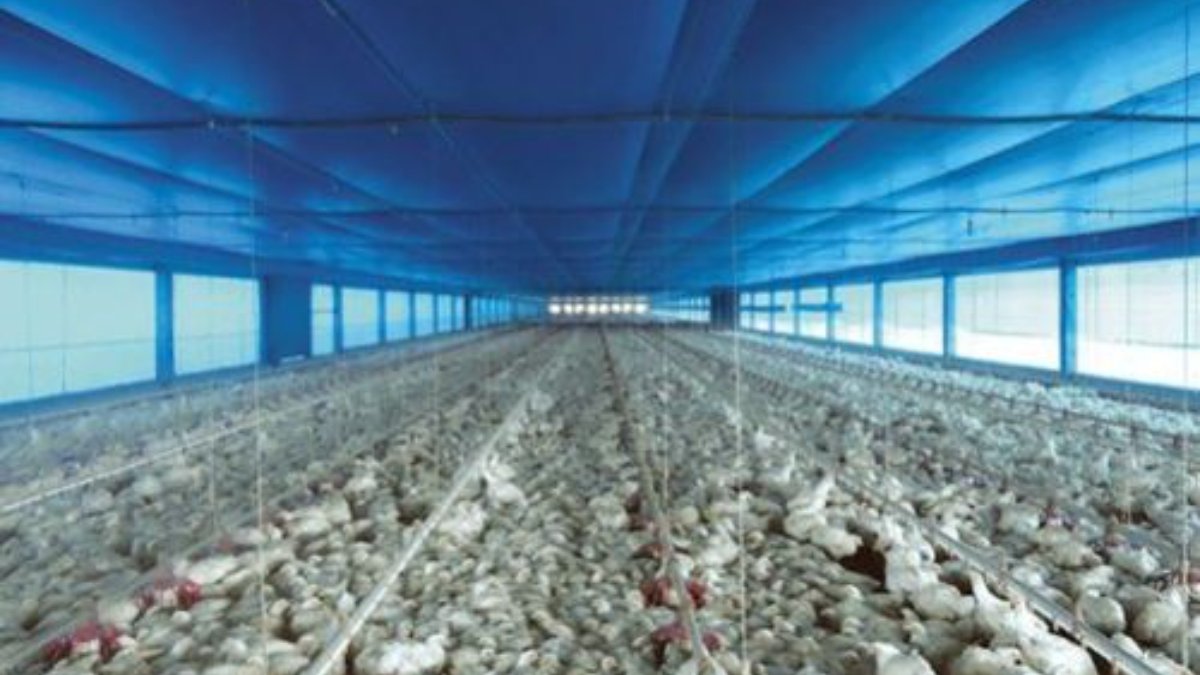
A shade net can reduce direct solar radiation, but it should not create a stagnant roof. Poultry and livestock areas need moving air. If the mesh is too dense, installed too low, or fixed without ventilation paths, the shaded space can feel heavy and humid. Technical selection should consider shade percentage together with airflow, stocking density, water location, and roof height.
Large outdoor housing areas also need support planning. Long unsupported spans sag over time, especially after rain or wind. Cable spacing, post strength, edge reinforcement, and tensioning method should be decided before roll width is finalized.
Select shade rate by animal type and heat exposure.
Keep water and feeding points under usable shade.
Avoid low sagging sections where animals or equipment may contact the net.
Inspect fixings after wind events.
Seasonal Storage Of Shade Net Rolls
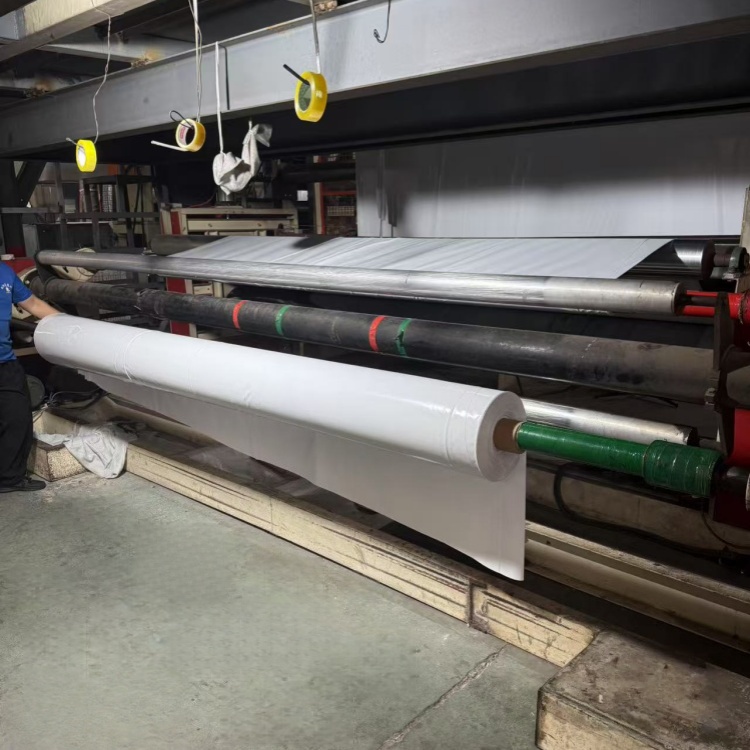
Livestock farms may remove shade netting after the hot season. Reuse depends on how the material is cleaned, dried, folded, and stored. Wet or dirty storage can shorten service life, and rough folding can damage reinforced edges. A durable HDPE net still needs basic care if it will be used for more than one season.
If the shade structure is permanent, inspection should focus on fixing points. Cable ties, clips, ropes, and edge bands age differently from the mesh. Replacing weak fixings early is cheaper than replacing a torn net after wind damage.
Contact HONREL AGRICULTURE for Custom Livestock Shade Net
Choosing the right HDPE shade net for poultry and livestock farms requires a balance between solar protection, airflow, UV resistance, and installation strength. Shade rate, roll dimensions, edge reinforcement, and support spacing should all match the farm’s climate, animal type, and covered area.
AGRICULTURA HONREL is a manufacturer of agricultural netting and shade netting, offering customized options for poultry farms, livestock yards, animal shelters, and other outdoor farming applications. We can discuss shade rate, width, length, color, UV stabilization, edge reinforcement, and packaging to meet your project requirements.
Looking for an HDPE shade net manufacturer for your farm project? Contact HONREL AGRICULTURE to discuss your specifications and request a quotation. Share your animal type, required shade rate, installation area, roll dimensions, estimated order quantity, and destination market so we can better understand your needs and recommend a suitable solution.
Perguntas frequentes
Q1: What shade rate is suitable for poultry and livestock farms?
A: It depends on species, climate, ventilation, structure height, and heat level. The goal is cooling with enough airflow, not maximum darkness.
Q2: Why use HDPE for shade netting?
A: UV-stabilized HDPE is light, flexible, weather-resistant, and suitable for large outdoor shade structures.
Q3: Can shade net reduce heat stress by itself?
A: It helps reduce solar heat load, but water access, airflow, stocking density, and housing design also affect animal comfort.
Q4: What causes shade net failure in large areas?
A: Failure often starts from weak fixing points, poor tension, wind movement, sagging, edge tearing, or insufficient support spacing.
Q5: Can HONREL customize livestock shade net?
A: Yes. Shade rate, width, length, color, UV package, edge reinforcement, and packing can be customized.
Obtenha informações diretamente da fábrica e dicas de cultivo.
Selecionar o certo Filme de estufa ou tela de sombreamento é fundamental para o sucesso da colheita. Como um dedicado Fabricante de redes e filmes agrícolasNossos especialistas ajudam você a personalizar a proteção UV e a transmissão de luz de acordo com o clima da sua região. Compartilhe os detalhes do seu projeto para obter uma solução sob medida.
AGRICULTURA HONREL Engenheiros desenvolvem filmes, telas e tubos de gotejamento adequados à sua cultura, clima e estrutura — especificações, cores, rotulagem e embalagem — com base em desenhos e fichas técnicas.
Resposta rápida e revisão imediata
Orçamentos rápidos, aprovação de especificações/amostras e suporte técnico prático. Alinhamos especificações e documentação rapidamente para manter o cronograma do seu projeto em dia.
Qualidade consistente e rastreabilidade
Formulações estabilizadas contra raios UV, controle de qualidade do processo e verificações laboratoriais de óptica/mecânica, além de rastreamento em nível de lote. Certificados de análise/relatórios de teste disponíveis; embalagem e rotulagem para exportação padronizadas.