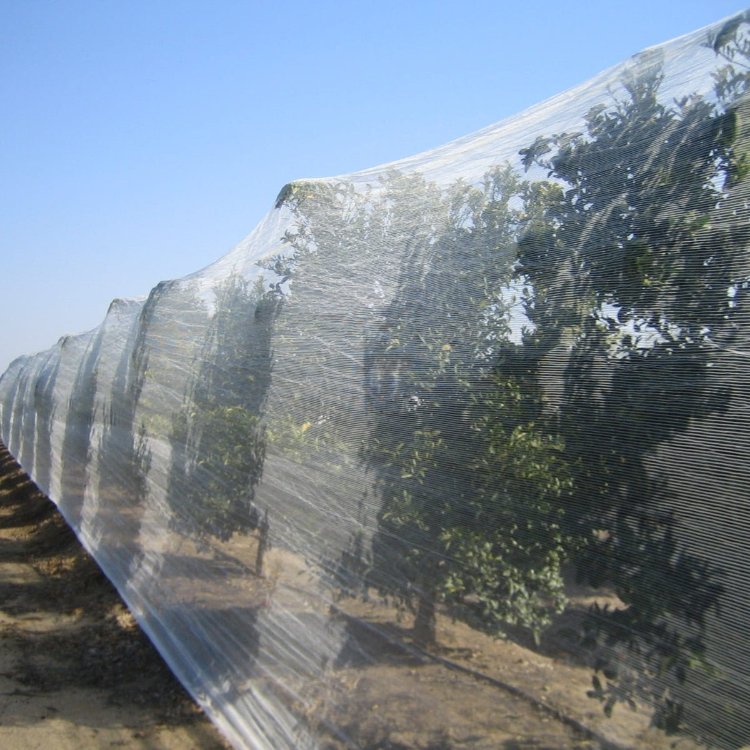


choose the shape for how the net will be installed. Diamond mesh suits nets that are draped and pulled over rows, because it stretches and settles over the canopy. Square mesh suits nets fixed on frames or wires, where you want the holes to keep their shape. Then get the hole size and the anchoring right, because that's what actually keeps birds out.

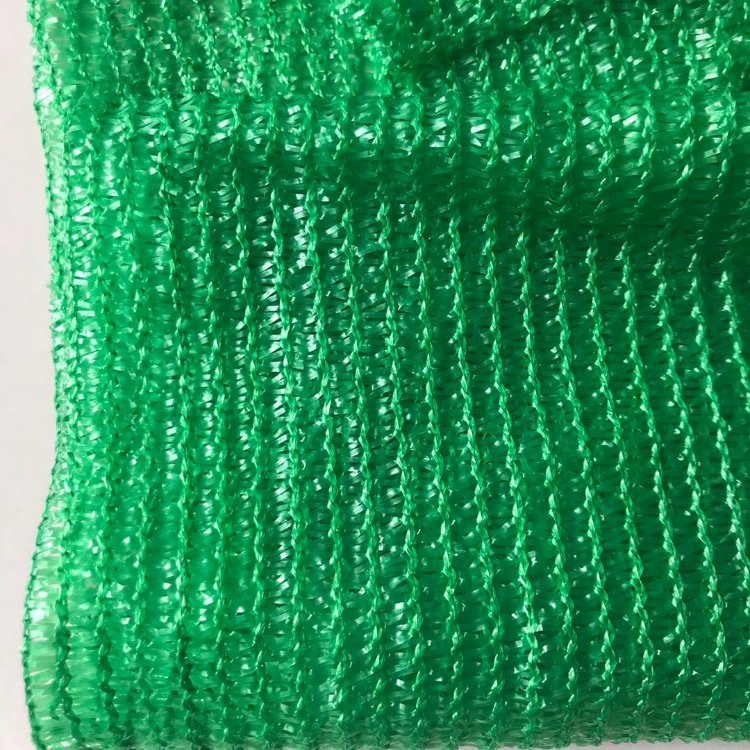
Woven net is made of yarns crossing over and under each other, so it's flatter and more stable, but its cut edges have to be finished or they fray. For most farm, greenhouse and nursery work, where nets get cut to fit and take wind, knitted is the easier choice.

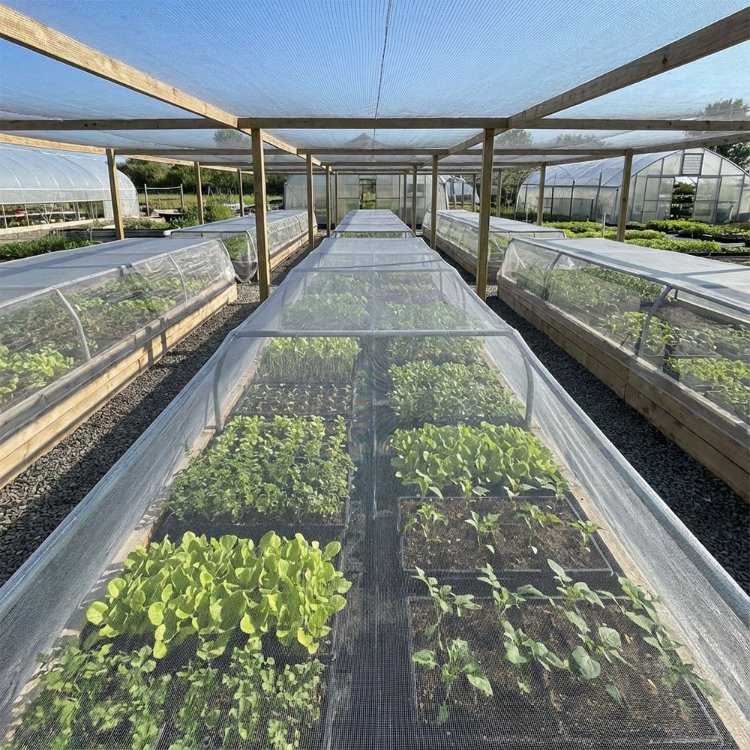
It's which pest you actually need to stop, and how much screen area your vents and fans need so the house doesn't overheat once the screen is on. Pick the mesh for the smallest pest that matters, then size the screened area to match.

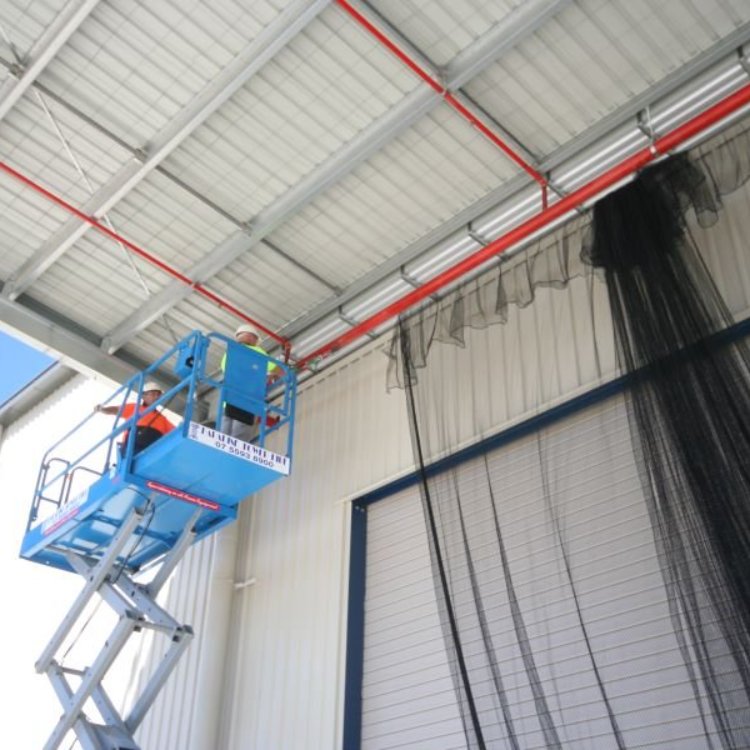
In practice that means netting the roof void above the racking, the canopy over the loading docks, and any ledges or beams where birds perch or nest, using a mesh small enough for the species you have, fixed tight on a proper cable frame.

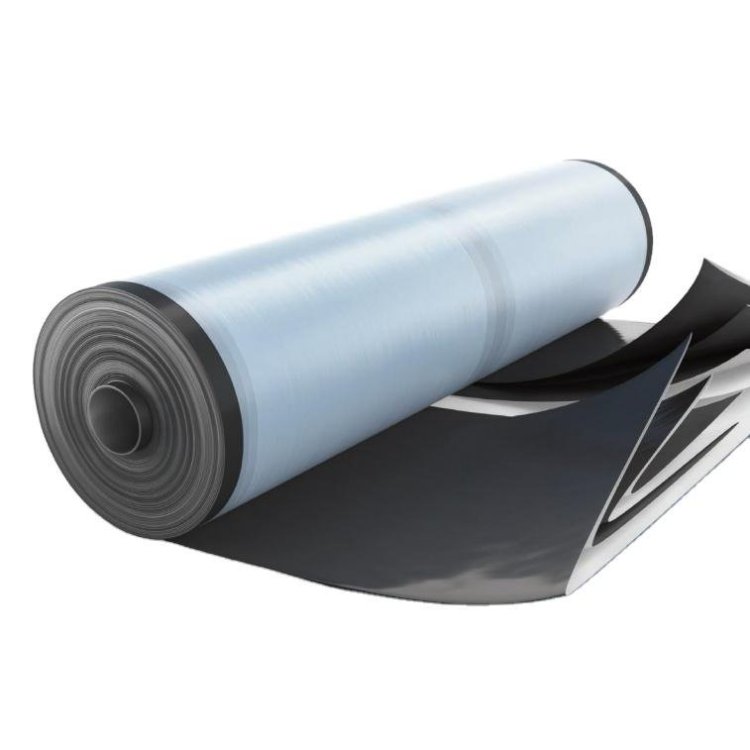
The white side faces up to reflect sunlight, and the black side faces down to keep light out. On larger bunkers, many farms also put a thin oxygen-barrier film under it.

It's a real help, but it only works alongside good ventilation and humidity control. The film handles where the water goes; it doesn't remove the water from the air.

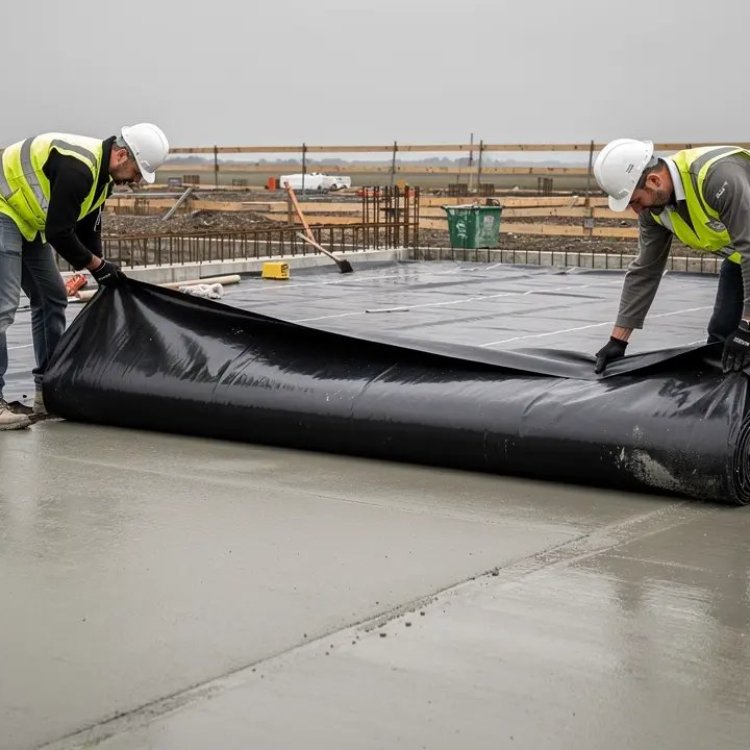
The film has to be thick enough not to tear on site, it has to lie flat against the concrete, and the edges and laps have to stay sealed for the whole curing period.

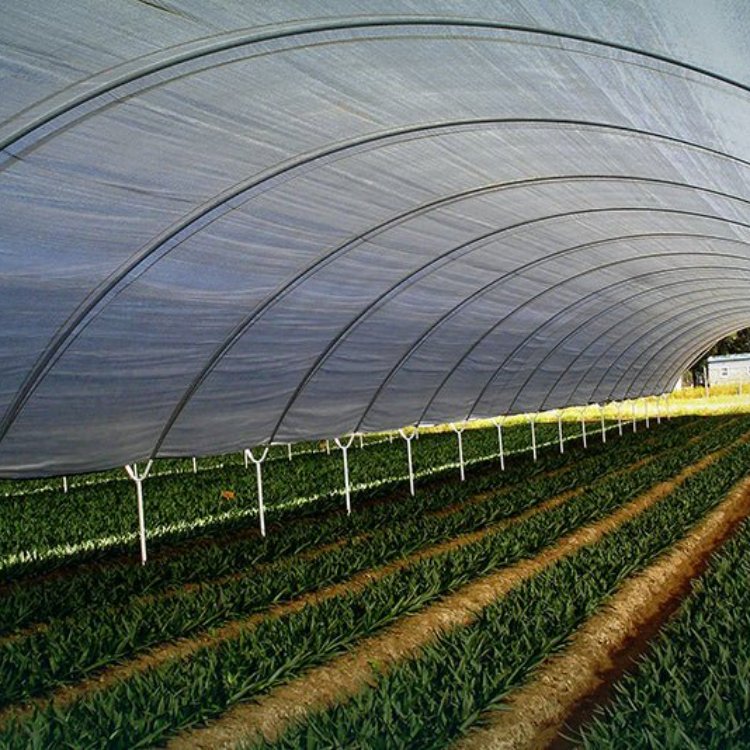
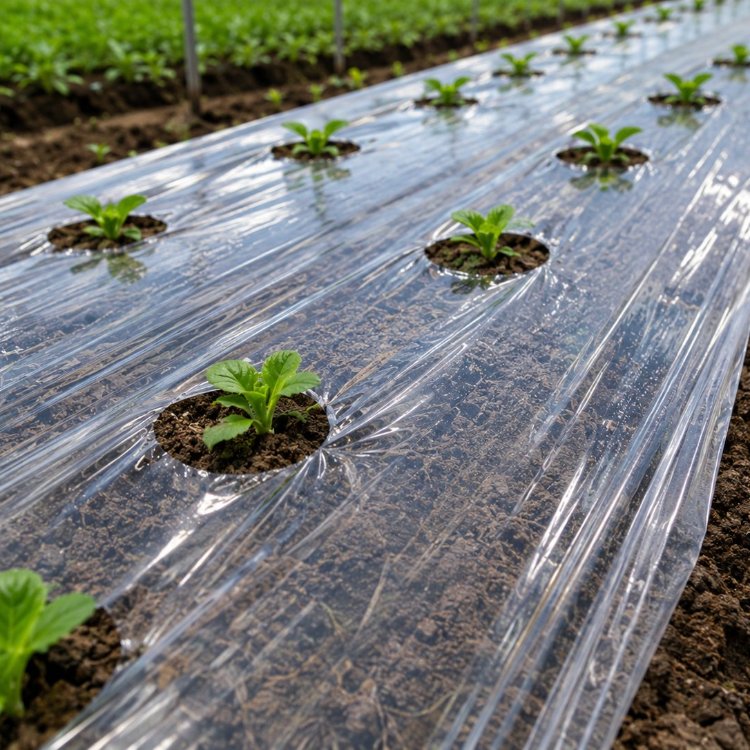
It warms the seedbed faster than any other film, so seeds come up sooner and more evenly.