You also need a solid UV package so the sun doesn't rot it, enough tensile strength to handle some pulling, and a smooth surface that’s clean enough for regular wash-downs between runs.
In hydroponic cultivation systems, three persistent problems directly affect yield and operational efficiency:
Uneven light distribution inside vertical structures
Algae growth in nutrient tanks and wet zones
Light loss caused by non-reflective internal surfaces
These issues are not solved by increasing lighting power. They are solved by controlling how light behaves inside the system.
This is where black and white panda film becomes a critical material in modern hydroponic infrastructure.
HONREL Agriculture manufactures industrial-grade panda film for hydroponics, vertical farming, and greenhouse internal systems as part of our agricultural silage film product line.
Table of Contents
What Is Panda Film in Hydroponics?
Panda film is a black and white polyethylene film. The white face is used for light reflection and a cooler surface. The black face is used for blackout, opacity, and light control. In hydroponics, it is commonly used on walls, floors, bench skirts, nutrient-tank covers, greenhouse curtains, and temporary partitions.
The value is not only reflectivity. It is a practical combination of reflection, opacity, moisture resistance, hygiene, and roll-format handling. Compared with a hard panel, a roll of panda film manufacturer supply can be cut, taped, hung, replaced, and shipped in large quantities with custom width and packing.
According to HONREL product specifications, our black and white greenhouse panda film can be produced from LDPE/LLDPE/EVA formulations with UV treatment, 3-8 mil thickness, 4-20 m width, and custom roll length for wholesale orders.
Why Reflectivity Matters for Hydroponic Crops
Hydroponic growers pay for light twice: first when they buy fixtures, and again every month through electricity. If the room surface absorbs too much light, the lower canopy receives less usable radiation and the grower gets more heat where they do not need it.
The University of Minnesota Extension explains that plants need light for photosynthesis, and that poor light can cause weak, leggy growth. It also notes that hydroponic lettuce and herbs commonly use 12-14 hours of light per day and that light intensity drops with distance from the light source. Source: University of Minnesota Extension.
This is where the white side of panda film helps. It redirects part of the stray light back into the growing area, especially around sidewalls, aisle edges, bench undersides, and vertical-rack corners. In our experience, the best result comes when the film is used to remove dark, absorbent surfaces from the room. A dark wall behind a rack wastes light; a clean white surface gives the photons another chance to hit the crop.
reflect side light, not heat into the roots
For hydroponic leafy greens, basil, nursery starts, and small fruit seedlings, we normally keep the white side facing the lamp or sunlight. The black side faces the wall, soil, floor, or tank surface. This gives the grower reflection on the crop side and blackout on the hidden side.
do not use panda film to fix poor lighting design
If fixtures are too weak, too far from the canopy, or badly spaced, reflective film will not solve the core problem. Use a PAR/PPFD meter first. Then use panda film to reduce loss from walls and corners.
How HONREL Agriculture Manufactures Panda Film for Hydroponics
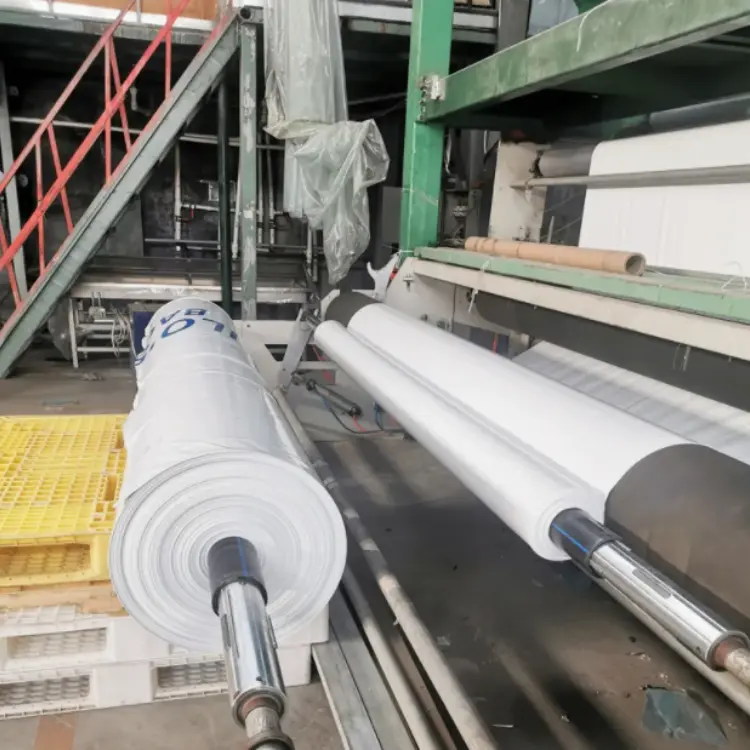
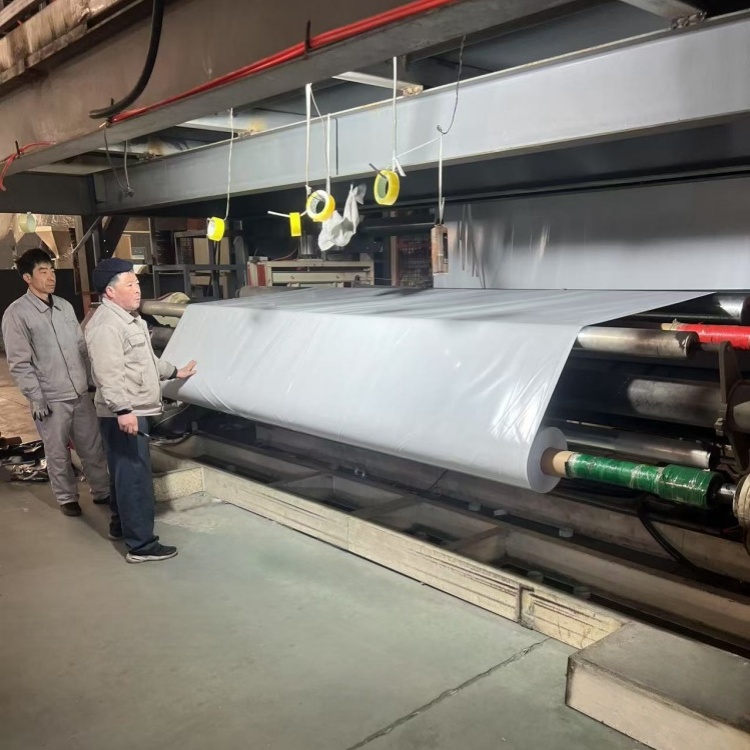
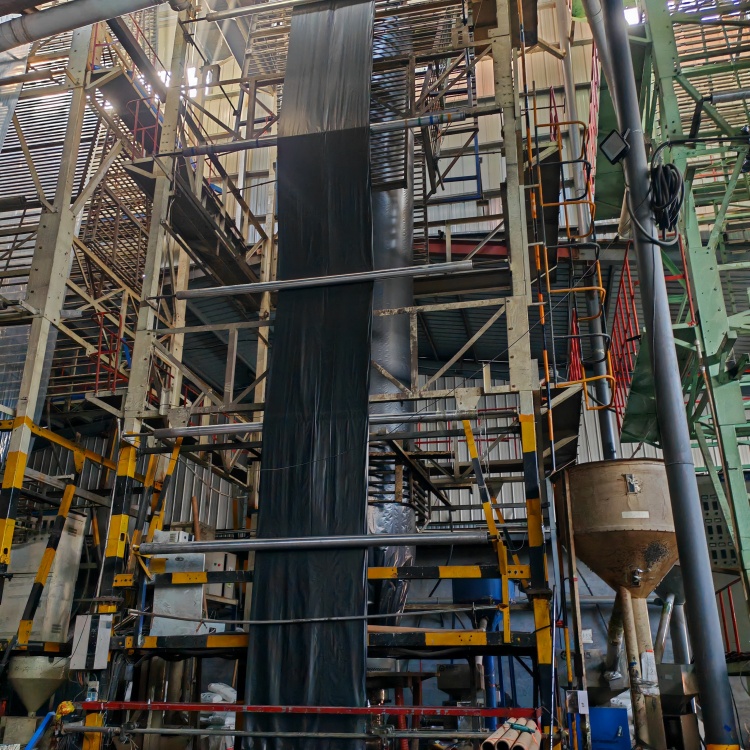
HONREL Agriculture produces panda film using co-extruded polyethylene technology designed for agricultural environments.
Key manufacturing features include:
Dual-layer structure: white reflective + black opaque
LDPE / LLDPE / EVA resin systems
UV-stabilized formulation for greenhouse environments
Controlled thickness uniformity for large-scale installation
Roll-format production for industrial deployment
This structure ensures stable performance in continuous, high-humidity cultivation environments.
Procurement Panda Film Specs Should Confirm
Specification
Why It Matters
Typical Buying Note
Thickness
Controls tear resistance, handling feel, and service life.
3-8 mil / 60-200 micron can be customized for project use.
Width
Wide rolls reduce seams on greenhouse curtains and room walls.
HONREL can support 4-20 m width on selected panda film orders.
Opacity
Prevents light leaks, algae growth, and unwanted root-zone exposure.
Black layer should face the side that needs blackout.
White-side reflection
Improves light reuse on walls, bench skirts, and side partitions.
Ask for reflective performance and surface cleanliness requirements.
UV treatment
Needed for greenhouse or mixed indoor/outdoor conditions.
For outdoor greenhouse work, choose UV-stabilized film.
Packing
Affects distributor handling, container loading, and private label sales.
OEM labels, cartons, cores, and export packing can be arranged.
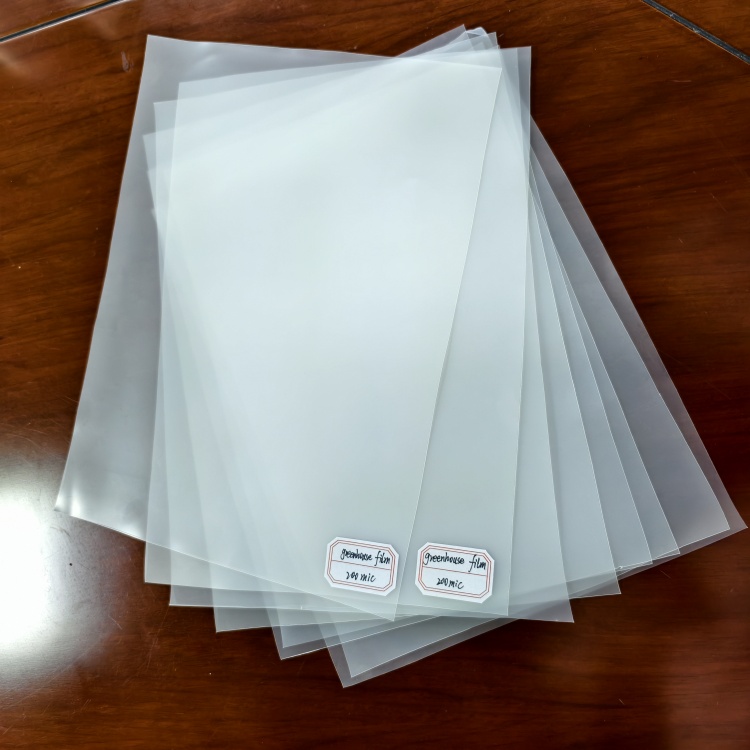
If the project also needs roof or tunnel covering, panda film is not always the correct material. For light transmission and anti-drip on greenhouse roofs, we usually compare it with po greenhouse film or pe greenhouse film. Panda film is stronger as a reflection and blackout tool; PO and PE greenhouse covers are stronger as external covering films.
Where Use Panda Film in Real Hydroponic Projects
NFT and DWC leafy green systems
For NFT channels and DWC rafts, the common problem is not only light loss. It is algae. Any light hitting nutrient water can feed algae growth. We use panda film as a cover or skirt where growers need reflection on top and blackout underneath.
Example: a lettuce grower using white reflective curtains around the side of a rack can reduce dark wall absorption while keeping the black side toward the back structure. The result is a cleaner-looking room, easier wash-down, and less light spill into the wrong zone.
Vertical farms and grow racks
Vertical farms often have narrow aisles and many shadow zones. A reflective side curtain can help distribute side light more evenly. We recommend leaving enough air gap so film does not press directly against wet leaves or hot fixtures.
Greenhouse benches and seasonal partitions
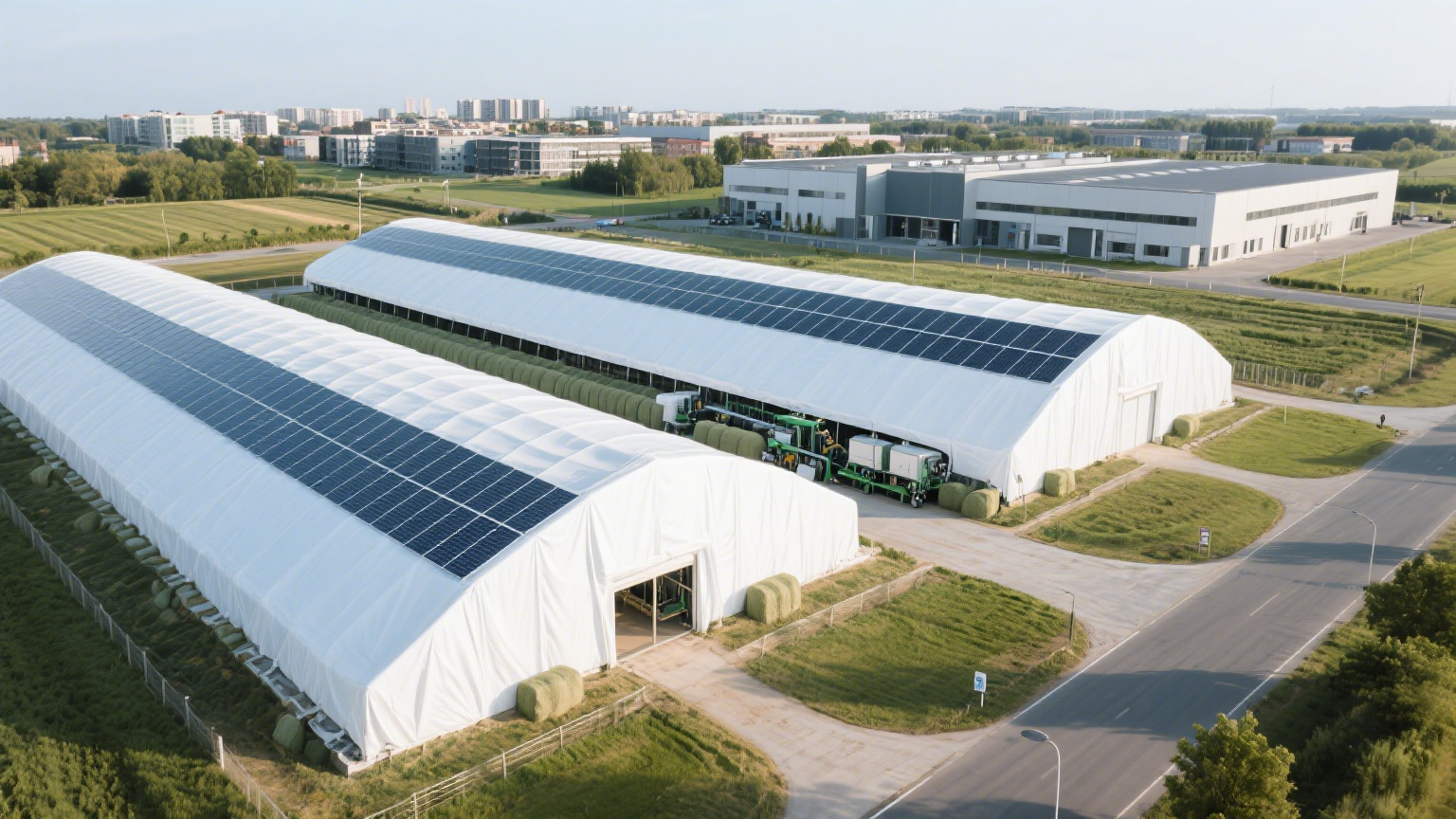
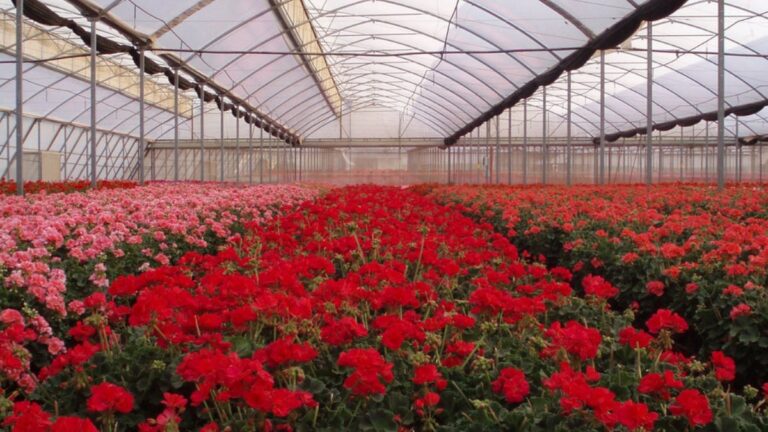
In greenhouses, panda film is useful for temporary partitions, bench skirts, root-zone shielding, and side curtains. For growers who already use greenhouse film on the structure, panda film can add local reflection and blackout without changing the full roof cover.
Mulch and ground cover applications
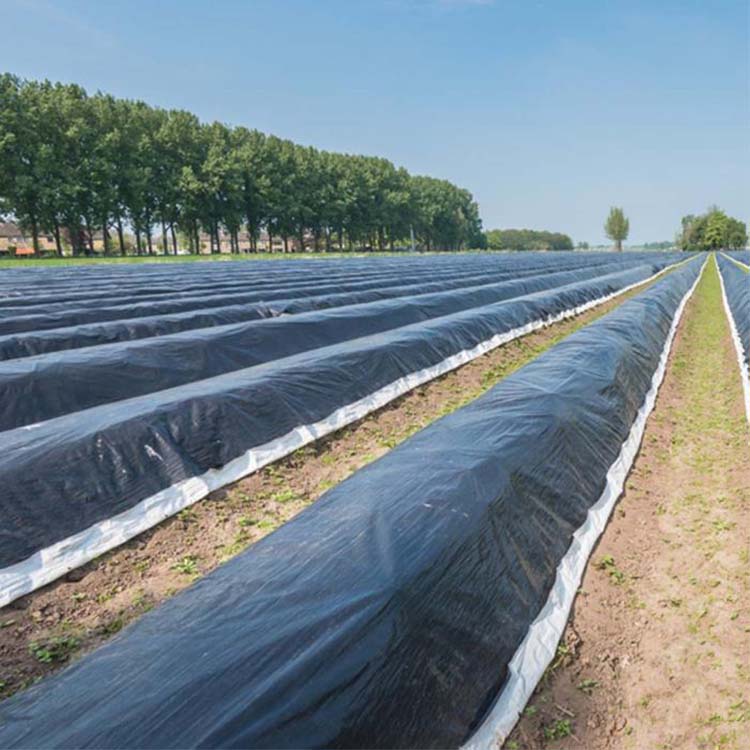
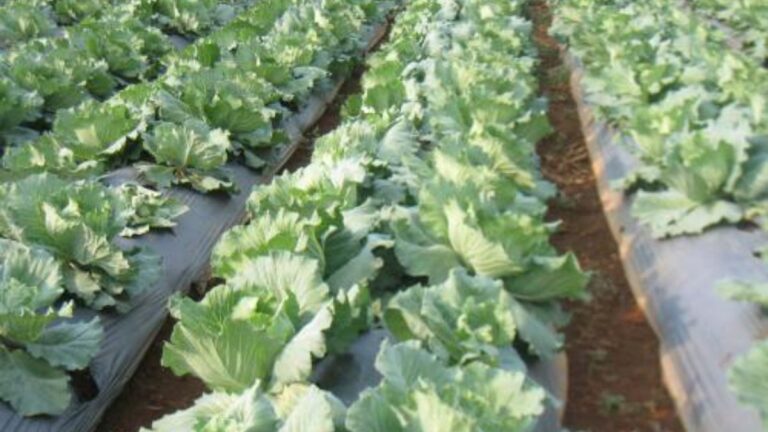
Some growers also compare panda film with mulch film. The decision depends on the field. Mulch film is usually thinner and optimized for soil beds, weed control, soil temperature, and drip irrigation layouts. Panda film is often thicker and more suitable for room lining, curtains, silage, and hydroponic protection.
Panda Film vs Mylar, White Paint, PE Film, and PO Film
Wrinkles, hot spots, and weaker blackout depending on grade.
White paint
Permanent walls in fixed rooms.
Not movable, cannot cover tanks or benches easily.
PE greenhouse film
Greenhouse covering and crop tunnels.
Usually not designed for full blackout reflection use.
PO film
High-performance greenhouse roof and side covering.
Higher cost; not the first choice for inner blackout curtains.
The practical way to choose is simple: use panda film when you need reflection plus blackout; use agricultural pe film manufacturer supply when you need general agricultural covering; use PO film when greenhouse transmission, anti-drip, and longer roof performance matter more.
Best Practices for Installation and Maintenance
1. Keep the white side clean
Dust, fertilizer mist, algae residue, and hard-water marks reduce reflection. In hydroponic rooms, we recommend a cleaning plan from day one. A smooth film surface is easier to wipe than woven fabric, but it still needs routine sanitation.
2. Pull the film tight
Loose film creates wrinkles, shadows, water pockets, and weak points around staples or clips. On large walls, use battens, clips, or tension lines instead of relying only on tape.
3. Seal light leaks around tanks
If panda film is used to cover tanks, channels, or nutrient lines, overlap seams and tape edges carefully. The black layer must fully block stray light from reaching nutrient solution.
4. Keep film away from hot lamps
Even when the film reflects light, it is still plastic. Leave clearance from lamps, drivers, heaters, and sharp rack edges. For high-heat areas, check the fixture manufacturer’s safety distance.
5. Ask for samples before container orders
For distributors, we recommend testing sample rolls for hand feel, opacity, folding, cleaning, and local installation tools. A sample test is faster and cheaper than discovering the wrong thickness after the container arrives.
FAQ
Q1: Which side of panda film should face the plants?
A: In most hydroponic rooms, the white side faces the plants and lights. The black side faces the wall, floor, tank, or outside surface that needs blackout.
Q2: Can panda film replace greenhouse roof film?
A: Usually no. Panda film is better for reflection, blackout, and partitions. For greenhouse roofs, we normally recommend PE or PO greenhouse film because those products are made for light transmission, weathering, anti-drip, and outdoor covering.
Q3: Does thicker panda film reflect more light?
A: Not automatically. Thickness helps strength, handling, and opacity. Reflection depends more on the white surface quality, pigment, cleanliness, and installation angle.
Q4: Is panda film suitable for nutrient tank covers?
A: Yes, if it is installed securely and the black side blocks light from the nutrient solution. The goal is to reduce algae pressure and keep the growing area easier to clean.
Q5: What thickness should distributors order?
A: For light-duty indoor lining, thinner rolls may be enough. For curtains, wall lining, repeated cleaning, or outdoor greenhouse use, we recommend testing heavier film first. HONREL can customize thickness, width, length, packing, and OEM labels.
Q6: Can HONREL AGRICULTURE supply panda film with custom size and packaging?
A: Yes. We support bulk wholesale, OEM labels, custom roll width, roll length, thickness, and export packing. Share your installation drawing, target crop, and container plan so we can match the specification.
Conclusion
Panda film is a practical hydroponic material when you need light reflection, blackout, moisture resistance, and bulk roll handling in one product. For leafy greens, herbs, vertical farms, greenhouse benches, and nutrient-zone protection, it helps growers reduce wasted light and keep the production space cleaner.
If your project also needs roof covering, ground weed control, or tunnel protection, we can combine panda film with black and white mulch film, PE greenhouse film, or PO greenhouse film to build a complete crop-side and structure-side solution.
Get Factory-Direct Insights & Growing Tips
Selecting the right Greenhouse Film or shade mesh is critical for crop success. As a dedicated Agricultural Netting and Film Manufacturer, our experts help you customize UV protection and light transmission based on your local climate. Share your project details for a tailored solution.
HONREL AGRICULTURE engineers films, netting, and drip pipe to your crop, climate, and structure—specs, colors, labeling, and packaging—backed by drawings and spec sheets.
Fast Response & Quick Proofing
Rapid quoting, spec-sheet/sample proofing, and practical engineering support. We align specifications and documentation quickly to keep your project timeline on track.
Consistent Quality & Traceability
UV-stabilized formulations, process QC, and lab checks for optics/mechanics—plus lot-level tracking. COA/test reports available; export packing and labeling are standardized.