IR Additives in PO Greenhouse Film | Night Heat Retention Guide
Growers choose this specific formulation when they need better night heat retention without spending capital on upgrading their physical greenhouse structures.
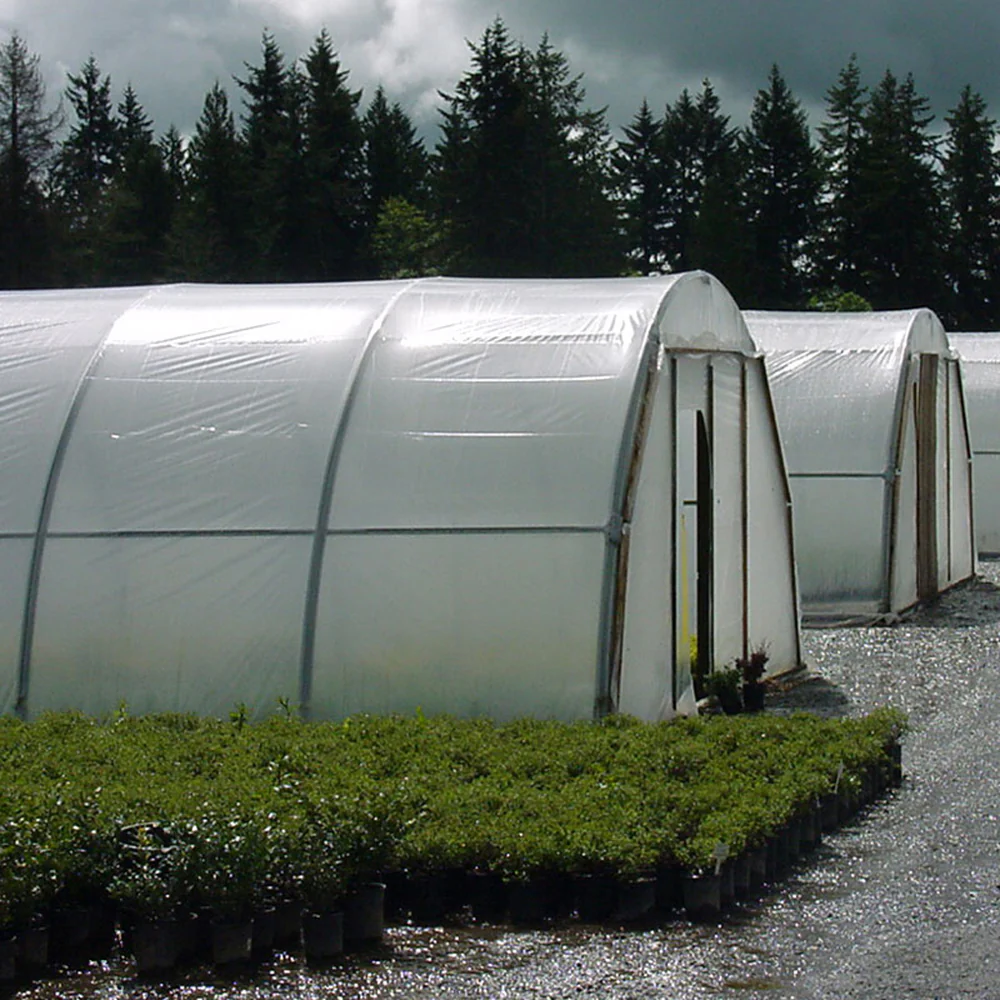
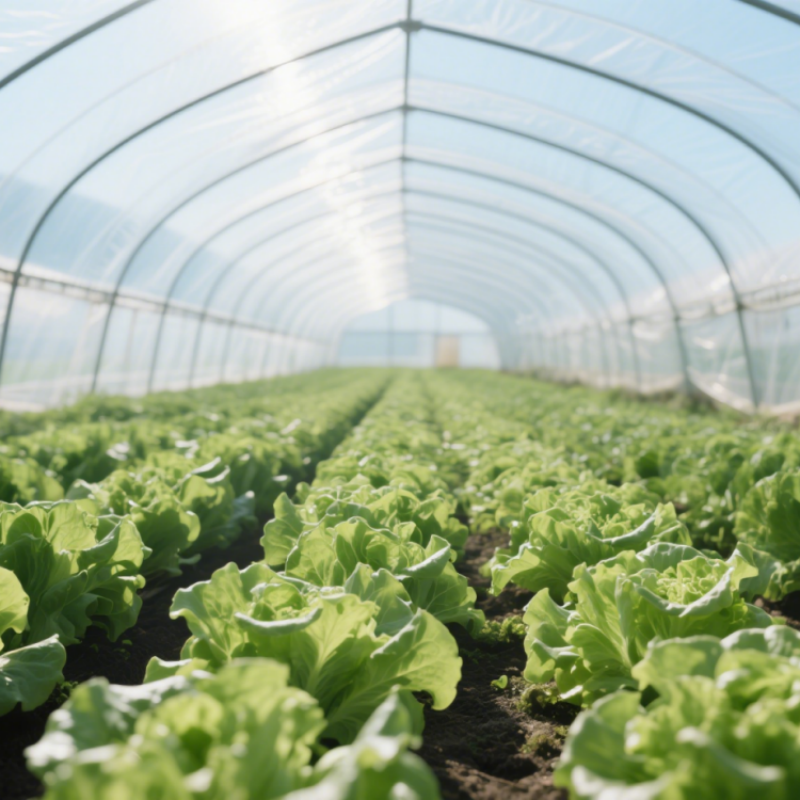
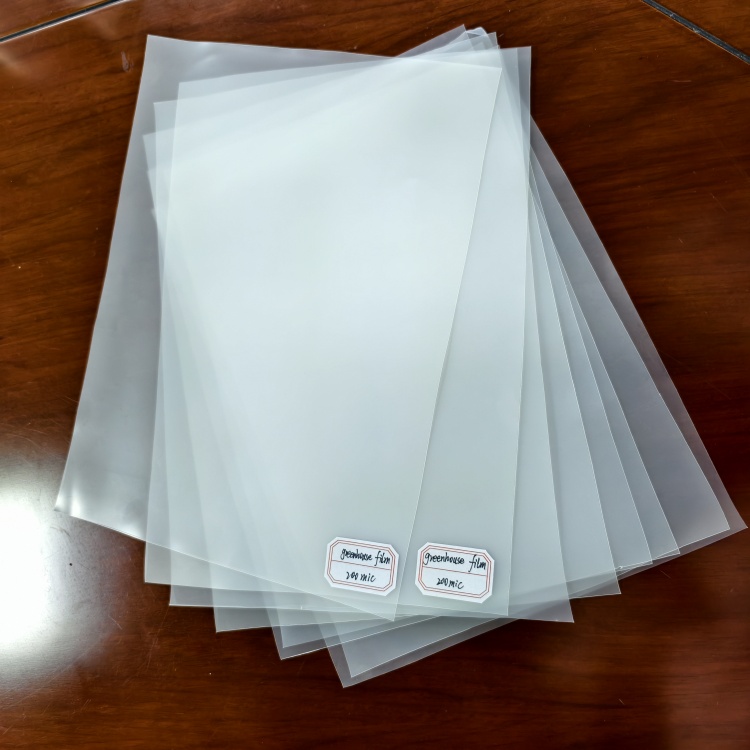
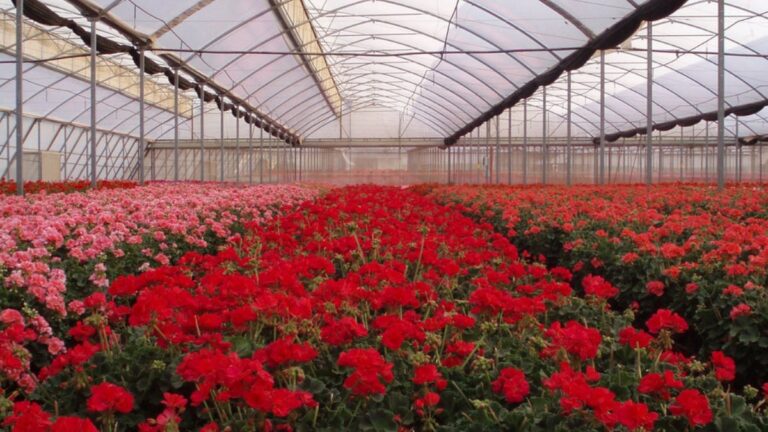
IR (Infrared) additives in polyolefin (PO) greenhouse films act as an invisible thermal blanket. Growers choose this specific formulation when they need better night heat retention without spending capital on upgrading their physical greenhouse structures. During the day, the film lets sunlight in to warm the soil and plants. After sunset, the IR additives slow the escape of long-wave infrared radiation (heat), keeping the crop zone significantly warmer and more stable during cold nights.
As a professional greenhouse film manufacturer, HONREL AGRICULTURE focuses on helping customers choose the most suitable film specification for their climate, crop type, and operating budget. The goal is not to sell the most expensive film, but to supply a film that performs reliably throughout its intended service life.
Table of Contents
1. When Do IR Additives Make Sense?
Selecting a high-performance Greenhouse PO Film is a strategic investment to solve a specific climate challenge. B2B buyers and commercial farms typically look for IR-equipped PO films when they face one of the following scenarios:
Cold-Night Climates: Regions with massive temperature drops between day and night.
Early-Season Tunnels: Farms pushing for early vegetable harvests before the danger of frost has fully passed.
High Energy Costs: Operations looking to lower the stress and fuel consumption of active greenhouse heating systems.
Most buyers searching for this product are not looking for a complex chemistry lecture. We know you want to know: Will this film reduce my heating bill? Will it protect my crops from a sudden cold snap? How many seasons will it last? As a dedicated Greenhouse Film Manufacturer, our first step is helping you define that exact field problem.
2. Key Specifications to Lock In Before Quoting
Choosing greenhouse film based only on thickness or price often leads to disappointing field performance.
Before production begins, we recommend confirming the following specifications.
Thermal Retention Requirement
Different climates require different levels of infrared retention.
A greenhouse operating in mild winter conditions may require a standard IR package, while projects in colder regions often need enhanced thermal-retention formulations.
The correct formulation should be determined according to:
Minimum night temperature
Greenhouse structure
Crop sensitivity
Heating system availability
Anti-Drip and Anti-Fog Performance
Heat retention often increases internal humidity.
Without proper anti-drip technology, condensation forms droplets that:
Reduce light transmission
Drip onto crops
Increase disease pressure
For long-term greenhouse projects, anti-drip performance is often as important as thermal performance.
UV Stabilization Package
UV protection directly affects service life.
Different projects may require:
Seasonal film
12-month film
Multi-year film
Long-life commercial greenhouse film
Selecting the correct UV package prevents premature degradation and reduces replacement frequency.
Film Thickness
Film thickness affects:
Tear resistance
Wind resistance
Puncture resistance
Installation durability
However, thicker does not always mean better. Resin quality, additive technology, and extrusion consistency often have a greater impact on overall performance than thickness alone.
Roll Dimensions
Custom roll width and roll length should match the greenhouse structure.
Correct sizing helps:
Reduce installation time
Minimize overlap waste
Lower labor costs
Improve structural integrity
3. How HONREL AGRICULTURE Supports Large-Scale Projects
Every greenhouse project has different requirements.
Instead of offering a standard film for every application, we evaluate several factors before recommending a specification.
Match the Film to the Reality of the Farm Do not buy based on price alone. If you just need economical seasonal coverage, a standard PE Greenhouse Film might be enough. But if premium optical clarity, advanced thermal retention, and long-lasting anti-drip functions are your priority, PO Greenhouse Film is the clear winner.
So, Our technical team typically reviews:
Crop type
Growing season
Local climate conditions
Greenhouse structure
Existing film performance
Target service life
Budget expectations
Based on this information, we recommend a suitable combination of:
PO resin formulation
IR additive package
UV stabilization level
Anti-drip technology
Thickness
Roll dimensions
This process helps buyers avoid over-specification and unnecessary costs while ensuring the film performs as expected in the field.
4. Common Mistakes Buyers Should Avoid
Choosing Based on Price Alone
The lowest-priced film often becomes the most expensive if it fails prematurely or does not deliver the expected thermal performance.
Selecting Thickness Without Reviewing Formulation
Heat retention depends on additive technology and material formulation, not simply film thickness.
Copying Another Farm’s Specification
Climate, UV intensity, crop requirements, and greenhouse design vary significantly between regions.
A specification that performs well in one location may not perform well in another.
Ignoring Installation Conditions
Film performance is closely related to installation quality, frame design, and tensioning methods.
These factors should be considered during specification development.
Therefore, contacting us directly to discuss matters over the phone and resolve your issue in one go is the fastest option.
5. Logistics and Bulk Ordering Planning
Bulk ordering requires aligning product specs (how the film is made) with business specs (how the film is shipped and sold).
If you are a distributor purchasing Greenhouse Films Wholesale, you likely need customized roll lengths, printed cartons, and private-label branding for retail. If you are a commercial farm, you may just need massive, heavy-duty rolls with minimal packaging to reduce waste.
Timing is Everything: Agricultural film is highly seasonal. Ordering too late means receiving the film after the planting window has closed. We strongly advise planning bulk orders well before your season begins. Early planning provides the necessary time for additive customization, production, ocean freight, customs clearance, and inland delivery.
6. Product Comparison and Buying Notes
Option
Best Use
Buying Note
PO film
IR additives in PO greenhouse film
Best when the specification is matched to crop and climate.
PE film
Economical greenhouse covering and general agricultural film
Check UV life, thickness, and tear resistance.
PO film
Premium greenhouse covering with optical and anti-drip needs
Good for buyers who care about cover performance over lowest first cost.
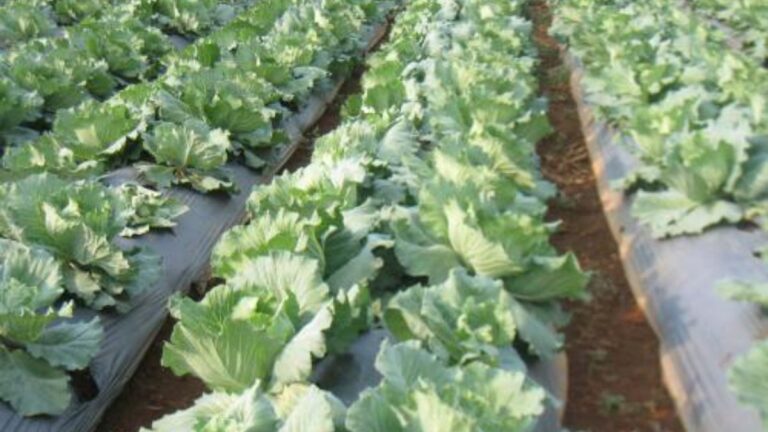
mulch film
Weed control, moisture management, and bed coverage
Color, opacity, and laying strength are critical.
The right film is the one that solves your field problem efficiently and can be produced reliably, order after order. For expert guidance on specifying IR additives for your next project, connect with the team at HONREL AGRICULTURE today. supplier, buyer, and farm team aligned before production starts.
FAQ
Q1: What do IR additives do in PO greenhouse film?
A: They help the film reduce long-wave heat loss at night, which supports a more stable crop environment in cool seasons.
Q2: Is IR PO film only for winter?
A: No. It is most valuable in cold-night areas, but it can also help early spring and late autumn crops where night temperature swings are the main risk.
Q3: Does IR film replace greenhouse heating?
A: No. It supports heat retention, but heaters, sealing, vents, and crop management still matter.
Q4: What specs should we confirm before ordering?
A: Confirm thickness, width, UV life, anti-drip, IR package, roll length, and installation method.
Q5: Can HONREL AGRICULTURE customize IR PO film?
A: Yes. We can discuss width, thickness, UV package, anti-drip level, packing, and wholesale roll size.
Conclusion
The right film is the one that solves the buyer’s field problem with a specification that can be produced repeatedly. For IR additives in PO greenhouse film, HONREL AGRICULTURE can help compare material, thickness, color, UV package, roll size, packing, and wholesale supply plan before production.
Get Factory-Direct Insights & Growing Tips
Selecting the right Greenhouse Film or shade mesh is critical for crop success. As a dedicated Agricultural Netting and Film Manufacturer, our experts help you customize UV protection and light transmission based on your local climate. Share your project details for a tailored solution.
HONREL AGRICULTURE engineers films, netting, and drip pipe to your crop, climate, and structure—specs, colors, labeling, and packaging—backed by drawings and spec sheets.
Fast Response & Quick Proofing
Rapid quoting, spec-sheet/sample proofing, and practical engineering support. We align specifications and documentation quickly to keep your project timeline on track.
Consistent Quality & Traceability
UV-stabilized formulations, process QC, and lab checks for optics/mechanics—plus lot-level tracking. COA/test reports available; export packing and labeling are standardized.