How to Choose Light Selective PO Greenhouse Film for Better Crop Performance
The goal of this advanced film is active light management: filtering, scattering, or blocking specific parts of the solar spectrum to optimize crop growth and reduce plant stress from harsh radiation.
Growers upgrade to light selective PO film when they need their greenhouse cover to do much more than just keep the rain out. The goal of this advanced film is active light management: filtering, scattering, or blocking specific parts of the solar spectrum to optimize crop growth and reduce plant stress from harsh radiation.
Light Selective PO Greenhouse Film is designed to regulate the quality of incoming sunlight by controlling diffusion, UV transmission, and thermal performance. Compared with standard polyethylene film, advanced PO film helps create a more stable growing environment for vegetables, flowers, seedlings, and specialty crops.
As a professional agricultural film manufacturer, we supply customized PE and PO greenhouse films for different climates, crop requirements, and greenhouse structures worldwide.
Table of Contents
1. What Is Light Selective PO Greenhouse Film?
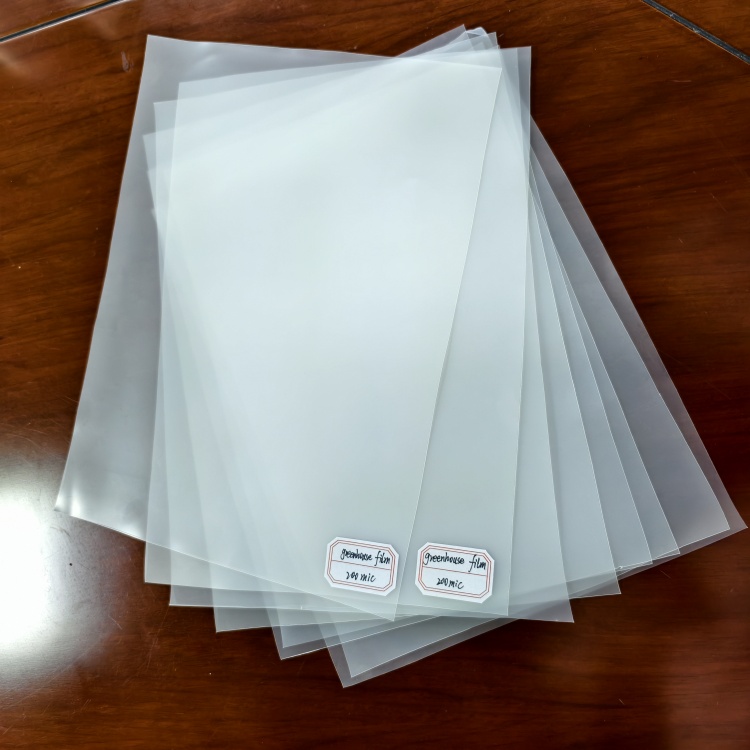
Light selective PO film is a multilayer greenhouse covering material manufactured with premium polyolefin resins and functional additives.
We see the strongest purchase intent and best ROI from operations managing:
Unlike ordinary greenhouse films, it can selectively manage sunlight entering the greenhouse by:
Increasing light diffusion
Filtering harmful UV radiation
Improving light penetration into the crop canopy
Reducing hot spots and leaf burn
Supporting more uniform crop development
These optical properties help growers optimize photosynthesis while maintaining a healthier greenhouse environment.
2. Applications of Light Selective PO Film
Light selective greenhouse film is widely used in:
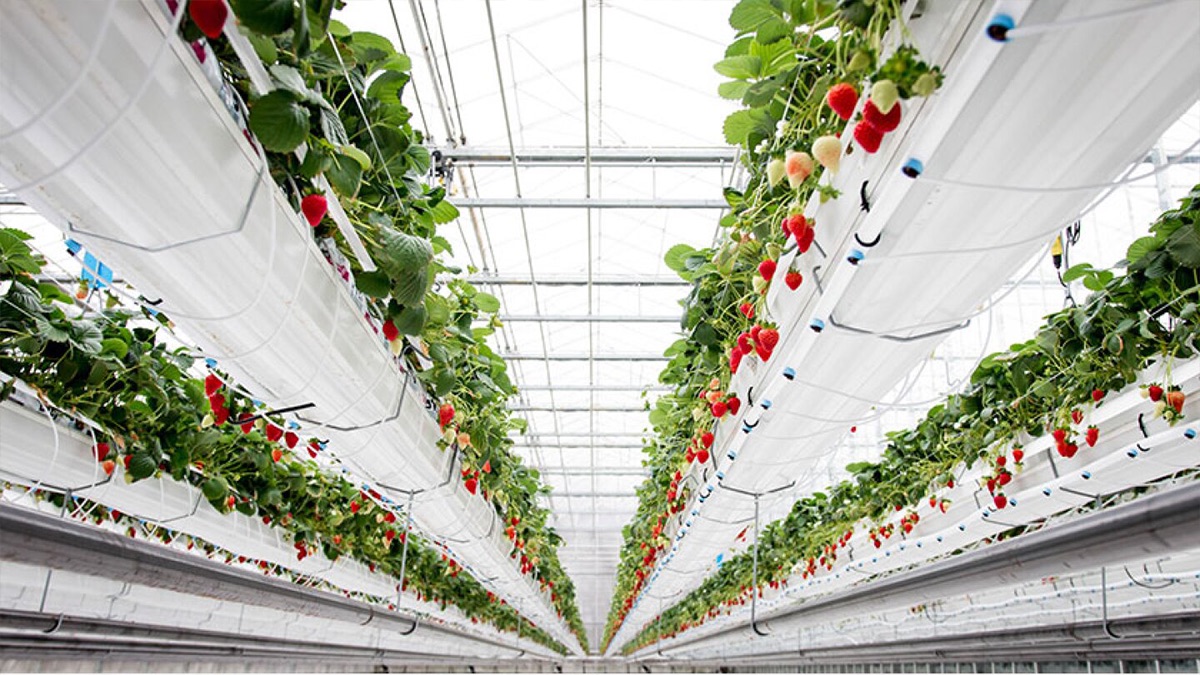
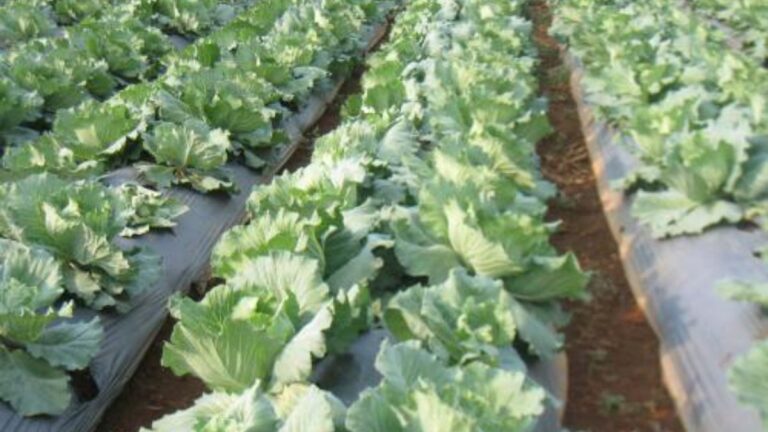
Vegetable Greenhouses
Suitable for:
Tomatoes
Peppers
Cucumbers
Eggplants
The diffused light improves canopy penetration and promotes more balanced plant growth.
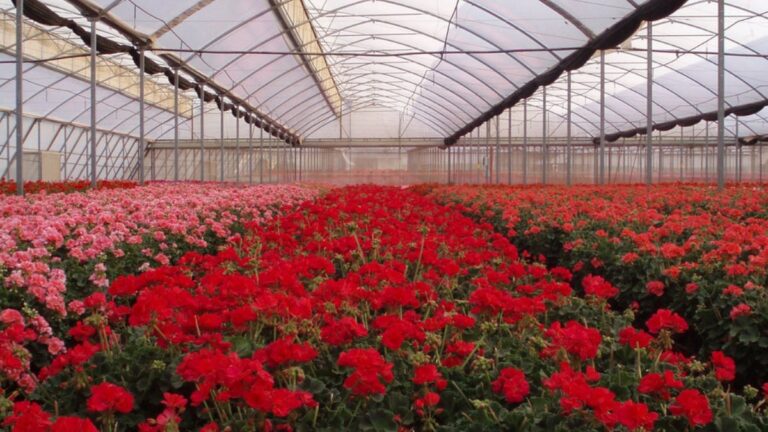
Flower Production
Ideal for:
Roses
Gerberas
Chrysanthemums
Ornamentals
Specific UV transmission levels can help improve flower color and quality.
Seedling Nurseries
Young plants benefit from softer and more evenly distributed light, reducing transplant stress and improving uniformity.
High-Radiation Regions
Growers operating in areas with intense summer sunlight can reduce heat stress and leaf damage through advanced light management.
3. Key Specifications to Consider Before Ordering
Before purchasing greenhouse film, buyers should clearly define the required technical specifications.
Light Transmission
Light Diffusion
UV Management
UV Open Film
Anti-Drip and Anti-Fog Performance
Film Thickness
Common greenhouse film thicknesses include:
120 micron
150 micron
180 micron
200 micron
The ideal thickness depends on climate conditions and expected service life. If you are unsure which product to choose, please contact us and share your specific needs; we will recommend the PO mulch film best suited for your crops.
4. PO Film vs PE Film
Feature
PO Film
PE Film
Light Diffusion
Excellent
Good
UV Stability
Excellent
Standard
Mechanical Strength
Higher
Standard
Service Life
Longer
Moderate
Thermal Performance
Better
Standard
Cost
Higher
Lower
For commercial greenhouse operations, PO film often provides better long-term value through improved crop performance and durability.
Production: Manufacture the bulk order, keeping retained samples from the lot for future quality matching.
6. Quality Control for Agricultural Film
Every production batch undergoes strict quality inspection, including:
Inspection Item
Purpose
Thickness Testing
Ensure uniform strength
Light Transmission Testing
Verify optical performance
Diffusion Testing
Maintain consistent light distribution
Tensile Strength Testing
Improve installation reliability
Roll Dimension Inspection
Ensure accurate sizing
Packaging Inspection
Protect products during transportation
7. Common Mistakes When Buying Greenhouse Film
Bulk ordering requires aligning product specs with business specs. For example, a massive commercial farm may want 1,000-meter jumbo rolls to cover multi-span houses quickly with a machine. However, a retail distributor needs smaller, easily handled rolls packed in branded cartons.
Avoid the “Thickness Trap” The most common mistake buyers make is judging film quality solely by thickness. A well-formulated, 150-micron PO film with premium light-diffusing agents, top-tier UV stabilizers, and continuous anti-drip performance will vastly outperform a generic 200-micron film from a standard Agricultural PE Film Manufacturer that lacks spectrum control.
Plan for Lead Times Agricultural film is highly seasonal. Ordering too late means receiving the film after your planting window has closed or your old cover has failed. We strongly advise planning bulk orders well in advance. Early planning provides the time needed for precise optical customization, production, ocean freight, and inland delivery.
By perfectly matching the film’s light manipulation properties to your specific crop and climate, HONREL AGRICULTURE ensures your greenhouse cover isn’t just a roof—it’s an active tool for maximizing yield and profitability.
FAQ
Q1: What is light selective PO film?
A: It is greenhouse PO film designed to manage parts of the light spectrum entering the greenhouse.
Q2: Is higher light transmission always better?
A: Not always. Some crops need more diffused or selective light rather than only the highest transmission number.
Q3: Can spectrum control reduce crop stress?
A: It can help in high-radiation areas when matched with ventilation, shading, and irrigation.
Q4: What should I ask before buying?
A: Ask for transmission, diffusion, UV design, anti-drip, thickness, width, and expected outdoor life.
Q5: Can HONREL AGRICULTURE make custom PO film?
A: Yes. We can customize PO film specs for different crops, climates, and wholesale packing needs.
Conclusion
The right film is the one that solves the buyer’s field problem with a specification that can be produced repeatedly. For light selective PO film, HONREL AGRICULTURE can help compare material, thickness, color, UV package, roll size, packing, and wholesale supply plan before production.
Get Factory-Direct Insights & Growing Tips
Selecting the right Greenhouse Film or shade mesh is critical for crop success. As a dedicated Agricultural Netting and Film Manufacturer, our experts help you customize UV protection and light transmission based on your local climate. Share your project details for a tailored solution.
HONREL AGRICULTURE engineers films, netting, and drip pipe to your crop, climate, and structure—specs, colors, labeling, and packaging—backed by drawings and spec sheets.
Fast Response & Quick Proofing
Rapid quoting, spec-sheet/sample proofing, and practical engineering support. We align specifications and documentation quickly to keep your project timeline on track.
Consistent Quality & Traceability
UV-stabilized formulations, process QC, and lab checks for optics/mechanics—plus lot-level tracking. COA/test reports available; export packing and labeling are standardized.