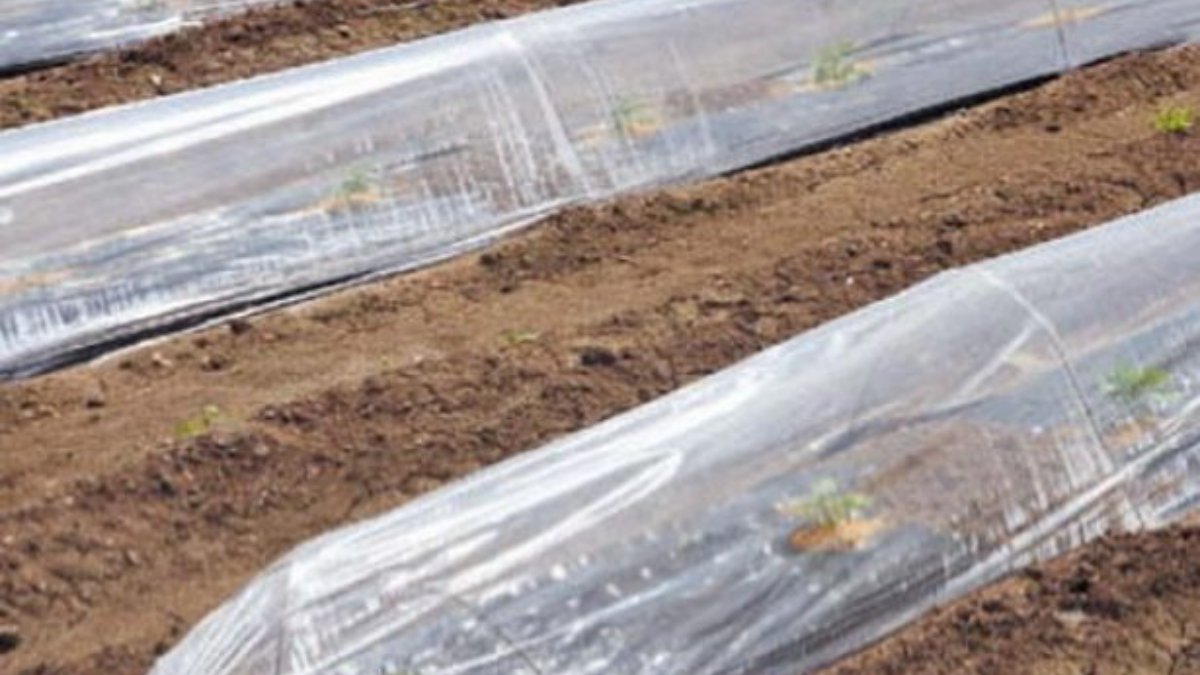
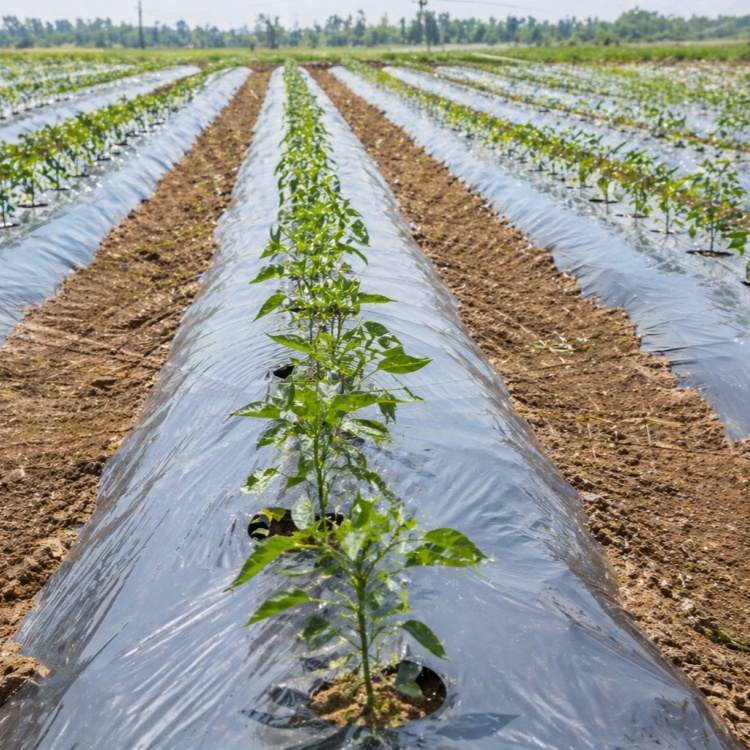
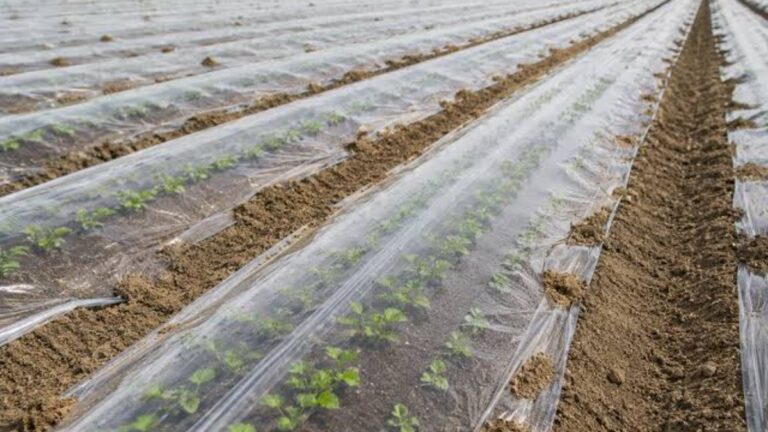
Transparent mulch film is suitable for early-season potato fields when faster soil warming is the main target. It helps the bed warm under sunlight, but it does not block weeds as strongly as black film, so weed control must be planned before installation.
Table of Contents
Early Potatoes Need Heat At The Right Time
Transparent mulch film works by allowing sunlight to pass through and warm the soil surface below. For early potato production, that can help speed emergence when soil remains cool. The goal is not simply a warmer field; it is a more active bed during the early establishment window.
The timing matters. A film that helps in cool spring weather may create heat risk if temperatures rise quickly. Soil type, bed shape, irrigation, planting depth, and local weather all affect the result. A technical program should include soil temperature monitoring, not just film installation.
Weed Risk Is The Main Tradeoff
Transparent film transmits light, and weeds can also respond to that light. This is the main tradeoff compared with black mulch. If a potato field has heavy weed pressure, transparent film needs a separate weed-control plan. Clean bed preparation, local herbicide rules, stale seedbed practice, and tight edge burying become more important.
Objective
Transparent film fit
faster soil warming
strong fit in cool early planting
maximum weed suppression
weaker than black film
early market timing
useful where early harvest has value
hot late planting
requires careful monitoring
commercial scale
roll width and field logistics matter
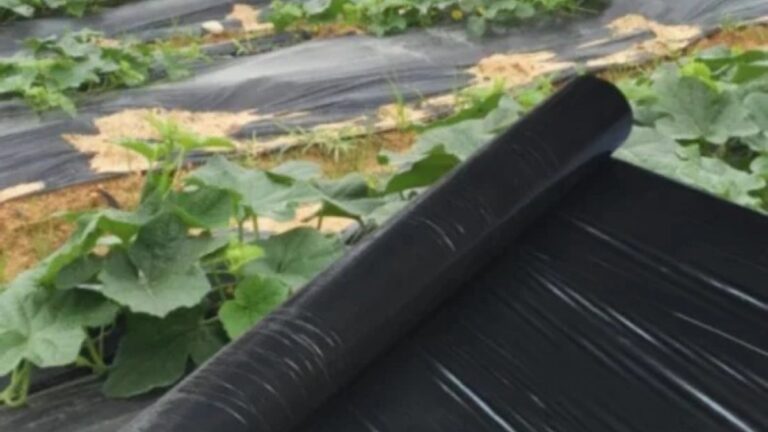
If weed suppression is the primary target, black plastic mulch film may be more suitable. If both reflection and weed control are needed, silver black mulch film can be reviewed for other crop systems.
Potato Bed Design And Film Handling
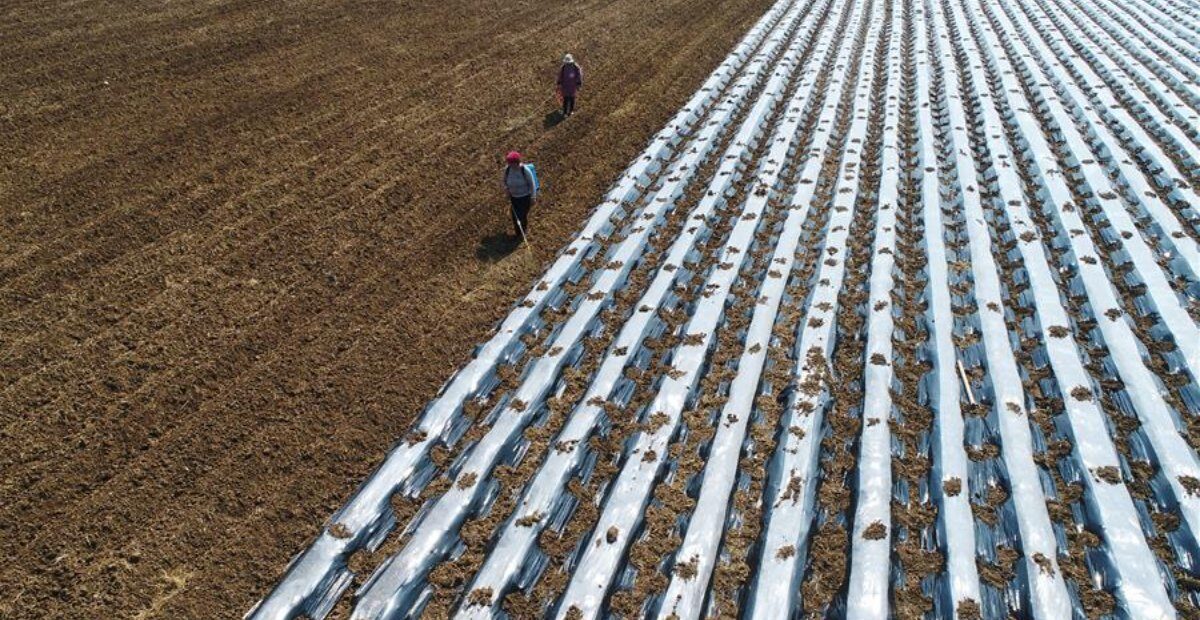
Potatoes are sensitive to soil moisture and oxygen around the tuber zone. Transparent film should be used with a bed design that avoids waterlogging. Drip or controlled irrigation should be considered where rainfall is unreliable. Film width must cover the bed and allow edge burying without wasting excessive material.
Measure bed top, shoulder, and burying allowance before confirming width.
Monitor soil temperature after installation and after emergence.
Keep edges sealed to limit wind lift and heat loss.
Plan removal or field management before vines expand.
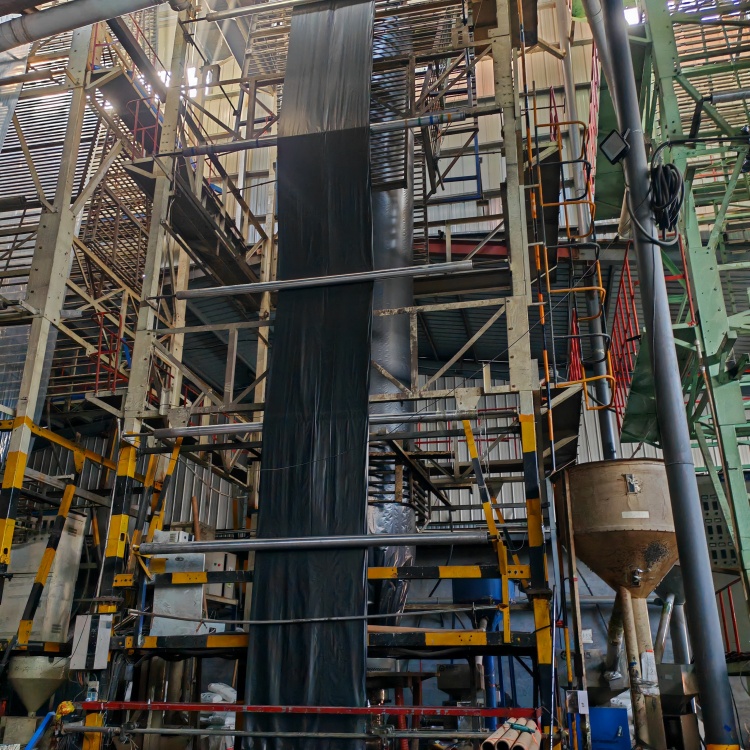
For commercial potato programs, agriculture mulch film manufacturer specifications should include field duration, thickness, roll length, UV exposure, packing, and label code.
Custom Supply From HONREL AGRICULTURE
HONREL AGRICULTURE can supply transparent mulch film with customized roll width, thickness, length, packing, and labels. For multi-crop farms, transparent potato film should be separated from standard wholesale mulch film products because field purpose and weed strategy are different.
The best specification is not the clearest film in every case. It is the film that provides enough early warming without creating unmanageable weed or heat pressure. That decision comes from the planting window and field data.
Potato Emergence Should Be Measured, Not Guessed
Transparent mulch is selected for early warmth, so field evaluation should include soil temperature and emergence timing. A simple comparison strip without film, black film, and transparent film can reveal whether the local planting window justifies the added weed-management work. Without this comparison, the decision becomes a habit rather than a technical choice.
Potato beds also need careful moisture management. Covered soil can remain wetter than expected after rain or irrigation. If the soil stays too wet and cold below the film, emergence may not improve as planned. Drainage, bed height, soil texture, and planting depth should be part of the specification discussion.
Measure soil temperature at planting depth.
Inspect weed growth under film before canopy closure.
Plan removal or slitting if heat rises quickly.
Keep roll labels separate from black and silver-black film programs.
Film Removal And Residue Planning
Early potato programs should consider what happens after the warming benefit has passed. Depending on field method and local practice, the film may be slit, lifted, or removed at a planned stage. If removal is ignored, vines, soil, and weather can make the task slower later. Film thickness should balance early handling strength with end-of-use management.
Commercial potato fields also need roll traceability. If one field section performs differently, the farm should know which roll lot was used there. This helps separate weather, soil, irrigation, and film factors during technical review.
FAQ
Q1: Why use transparent mulch film for early potatoes?
A: Transparent film helps sunlight warm the bed, supporting faster soil warming and earlier emergence in cool planting windows.
Q2: Does transparent mulch film control weeds?
A: It controls weeds poorly compared with black film because light passes through. A separate weed-control plan is required.
Q3: When should transparent film be avoided?
A: Avoid it when weed pressure is severe, soil is already warm, or the region moves quickly into high temperatures after planting.
Q4: What field details should guide film width?
A: Bed top width, shoulder shape, edge burying allowance, planting method, and laying equipment should guide width selection.
Q5: Can transparent mulch film be customized for potato farms?
A: Yes. Width, thickness, roll length, packing, labels, and field-use specifications can be customized for commercial production.
Get Factory-Direct Insights & Growing Tips
Selecting the right Greenhouse Film or shade mesh is critical for crop success. As a dedicated Agricultural Netting and Film Manufacturer, our experts help you customize UV protection and light transmission based on your local climate. Share your project details for a tailored solution.
HONREL AGRICULTURE engineers films, netting, and drip pipe to your crop, climate, and structure—specs, colors, labeling, and packaging—backed by drawings and spec sheets.
Fast Response & Quick Proofing
Rapid quoting, spec-sheet/sample proofing, and practical engineering support. We align specifications and documentation quickly to keep your project timeline on track.
Consistent Quality & Traceability
UV-stabilized formulations, process QC, and lab checks for optics/mechanics—plus lot-level tracking. COA/test reports available; export packing and labeling are standardized.