We don't just sell plastic rolls; we engineer the polymer formulas that solve actual field bottlenecks. In this comprehensive guide, we are going to look at the verified agronomic data behind root zone cooling, explain why standard plastics destroy summer crops, and show you exactly how to maximize your farm's ROI.
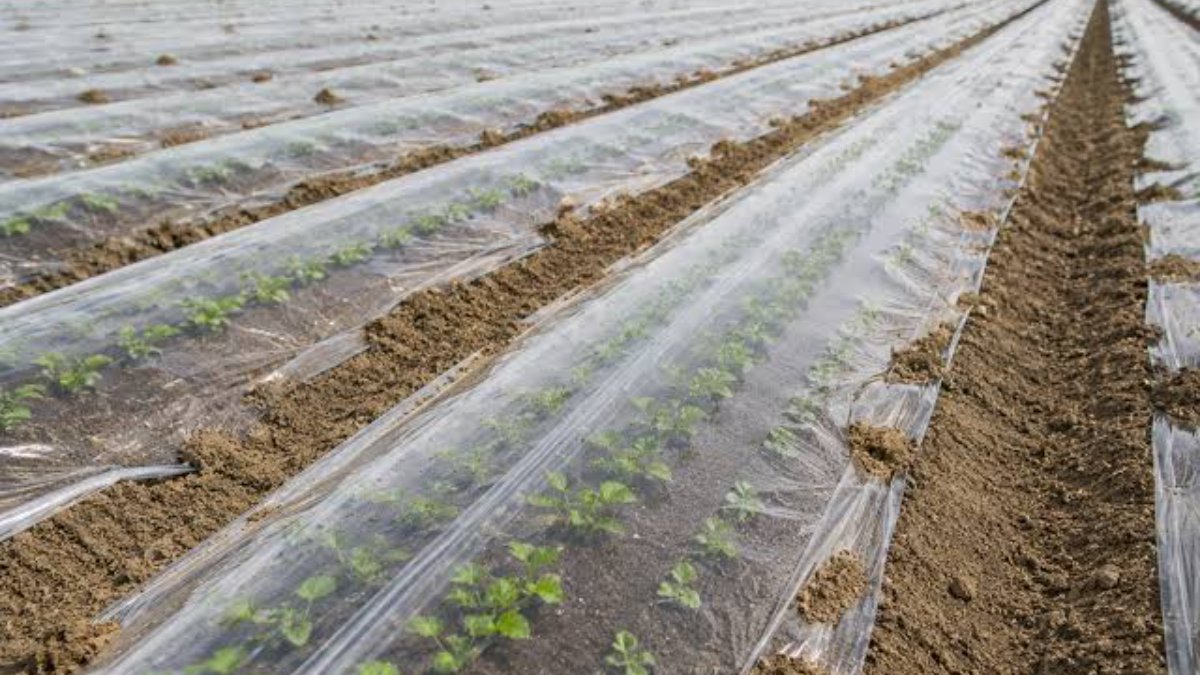
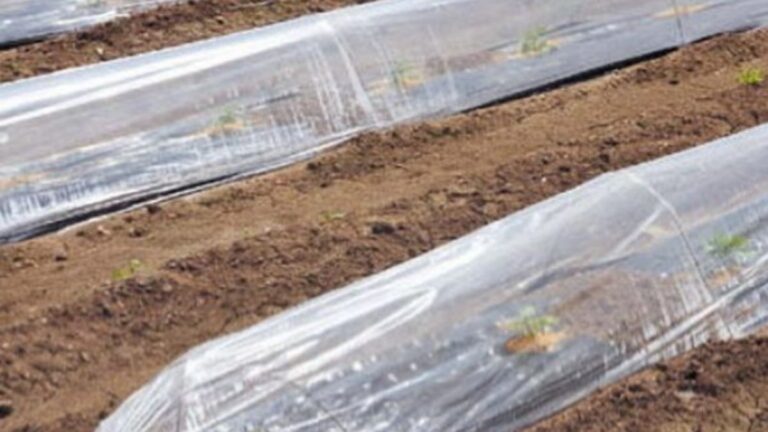
Clear plastic mulch helps warm the soil during cool planting periods. It is suitable for pumpkin and squash gPumpkins and squash grow best in warm soil. During an early planting season, low soil temperatures can slow emergence and delay crop establishment. Clear plastic mulch offers a practical way to increase soil warming without changing the entire planting system.
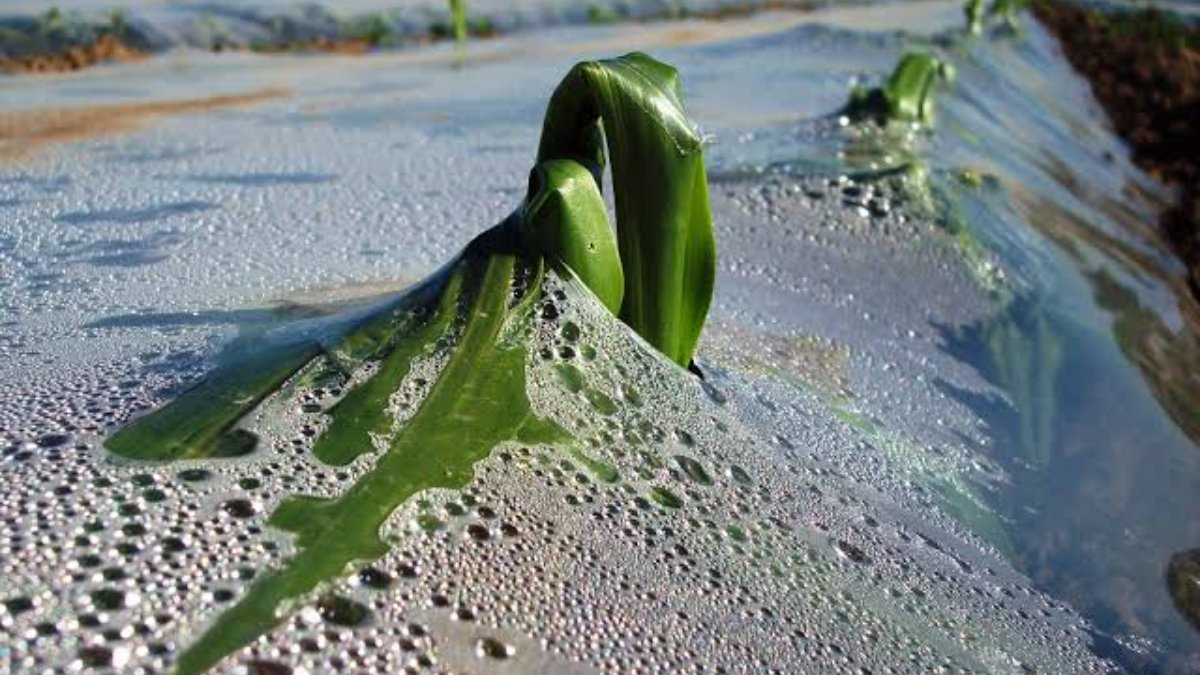
The film allows sunlight to pass through and heat the soil underneath. It also limits moisture loss and reduces heat escaping from the covered bed. Under cool and sunny conditions, clear mulch generally warms the soil more strongly than black mulch.
This does not make clear film the best choice for every pumpkin field. Because it transmits light, weeds can grow underneath it. The soil may also become too warm when air temperatures and solar radiation increase. Growers should choose it according to the planting date, local climate, weed pressure and expected market window.
HONREL AGRICULTURE supplies clear PE mulch film in custom widths, thicknesses and roll sizes for commercial farms and agricultural distributors.
Table of Contents
When Clear Mulch Makes Sense
Clear mulch is mainly used when early soil warming has greater value than weed suppression. It may be suitable for pumpkins planted during a cool spring, especially when growers are trying to establish the crop earlier than they could on uncovered soil.
The actual warming effect varies from field to field. Solar radiation, soil moisture, soil colour, wind, bed shape and film contact all influence the result. A tightly installed film over a smooth bed usually performs better than loose film suspended above an uneven surface.
Clear mulch should not be promoted with a guaranteed temperature increase or harvest date. Film can improve the root-zone environment, but germination and crop timing also depend on seed quality, variety, soil condition, irrigation and weather.
Clear Mulch Compared With Black Mulch
Black mulch remains a common choice for pumpkin production. It warms the soil while blocking most of the light needed for weed growth. Clear mulch normally produces stronger soil warming, but it provides much less weed suppression.
Film type
Main advantage
Main limitation
Best suited to
Clear mulch
Strong early soil warming
Weeds may grow underneath
Cool planting periods with a separate weed-control programme
Black mulch
Reliable weed suppression
Lower warming effect than clear film
General pumpkin production
IRT mulch
Combines warming with improved weed control
Higher product cost
Farms requiring a balance of both functions
White-on-black mulch
Helps limit excessive soil heat
Not designed for early warming
Warm climates and summer planting
The choice should reflect the main field problem. If cold soil is delaying planting, clear mulch may be considered. If weed pressure is the greater concern, black or IRT mulch is usually more practical.
Weed and Temperature Management
Clear mulch cannot control weeds by itself. Sunlight passes through the film and creates favourable growing conditions for both the crop and weeds. Strong weed growth may lift the plastic, compete for moisture and nutrients or emerge through the planting holes.
A suitable weed-management programme should therefore be prepared before installation. The correct approach depends on the crop, local regulations and field history. Any herbicide must be registered for the crop and used according to its label. It is not accurate to state that every clear mulch application must use the same pre-emergent herbicide.
Temperature also requires attention. A film selected to warm cool spring soil can create excessive heat later in the season. Growers should measure the soil temperature at planting depth and continue monitoring it as the weather changes. Clear film warms the soil but does not protect exposed seedlings from frost.
Film Installation
Bed preparation has a direct effect on film performance. The soil surface should be smooth and free from sharp stones, stalks or other materials that could puncture the plastic. The film should fit closely over the bed, with enough material at both sides for secure burial.
Film width must match the finished bed rather than the nominal width of the bed former. The buyer should account for the top surface, shoulders and buried edges. Roll length and core size should also match the mulch-laying equipment.
Film breakage during installation is not always a material problem. Excessive machine tension, damaged rollers, sharp equipment parts, poor bed preparation and incorrect film width can all cause tearing.
Metallocene polyethylene may be used to improve selected mechanical properties, depending on the formulation. It cannot guarantee that the film will never break. Reliable installation depends on both film quality and correct machine settings.
Choosing a Commercial Specification
A clear mulch film order should be based on the field layout and laying equipment. The supplier needs to know the crop, planting location, bed dimensions, required film width, target thickness, roll length, core size and installation method.
Mechanical requirements should also be discussed when the film will be installed at high speed or under demanding field conditions. Thickness consistency, elongation, tear resistance and roll winding can affect installation efficiency.
Before bulk production, the buyer should approve the film specification and packing method. Roll labels should clearly show the width, thickness and length, especially when several sizes are shipped in the same container.
A field trial is recommended when changing the film type, thickness or laying equipment. This allows the farm to check installation performance and soil response before committing to a larger order.
Clear Mulch Film From HONREL AGRICULTURE
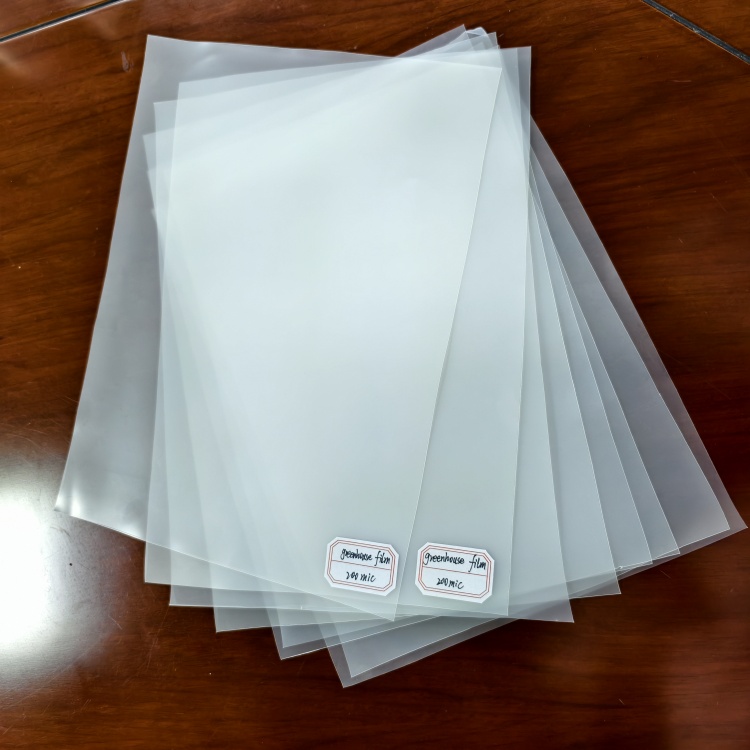
HONREL AGRICULTURE supplies clear PE mulch film for pumpkin, squash and other commercial crop applications. Film width, thickness, roll length, core size and export packing can be adjusted according to confirmed production requirements.
To prepare a quotation, HONREL needs the planting location, bed dimensions, required film size, mulch-layer information and estimated order quantity. If the farm is replacing an existing film, a previous specification or sample can also be used as a reference.
HONREL provides the film according to the agreed technical specification. Soil warming, germination and harvest timing will still depend on local growing conditions and farm management.
Frequently Asked Questions
Is clear plastic mulch suitable for pumpkins?
Clear mulch can be suitable when pumpkins are planted in cool conditions and stronger soil warming is required. It is less suitable when weed pressure or excessive summer heat is the main concern.
Does clear mulch warm the soil more than black mulch?
Clear mulch generally produces greater soil warming because it transmits solar radiation directly to the soil. The actual result depends on the weather, soil and installation.
Does clear mulch prevent weeds?
No. Weeds may grow beneath clear film because light can reach the soil. Growers need a separate weed-management programme.
Is black mulch also suitable for pumpkins?
Yes. Black mulch is widely used for pumpkins because it warms the soil, conserves moisture and suppresses most weeds.
Can clear mulch overheat the soil?
Yes. Excessive warming may occur in hot weather or high-radiation regions. Soil temperature should be monitored during crop establishment.
Can HONREL customise the film size?
Yes. HONREL can produce clear PE mulch film according to confirmed width, thickness, roll length, core and packing requirements.
Get Factory-Direct Insights & Growing Tips
Selecting the right Greenhouse Film or shade mesh is critical for crop success. As a dedicated Agricultural Netting and Film Manufacturer, our experts help you customize UV protection and light transmission based on your local climate. Share your project details for a tailored solution.
HONREL AGRICULTURE engineers films, netting, and drip pipe to your crop, climate, and structure—specs, colors, labeling, and packaging—backed by drawings and spec sheets.
Fast Response & Quick Proofing
Rapid quoting, spec-sheet/sample proofing, and practical engineering support. We align specifications and documentation quickly to keep your project timeline on track.
Consistent Quality & Traceability
UV-stabilized formulations, process QC, and lab checks for optics/mechanics—plus lot-level tracking. COA/test reports available; export packing and labeling are standardized.