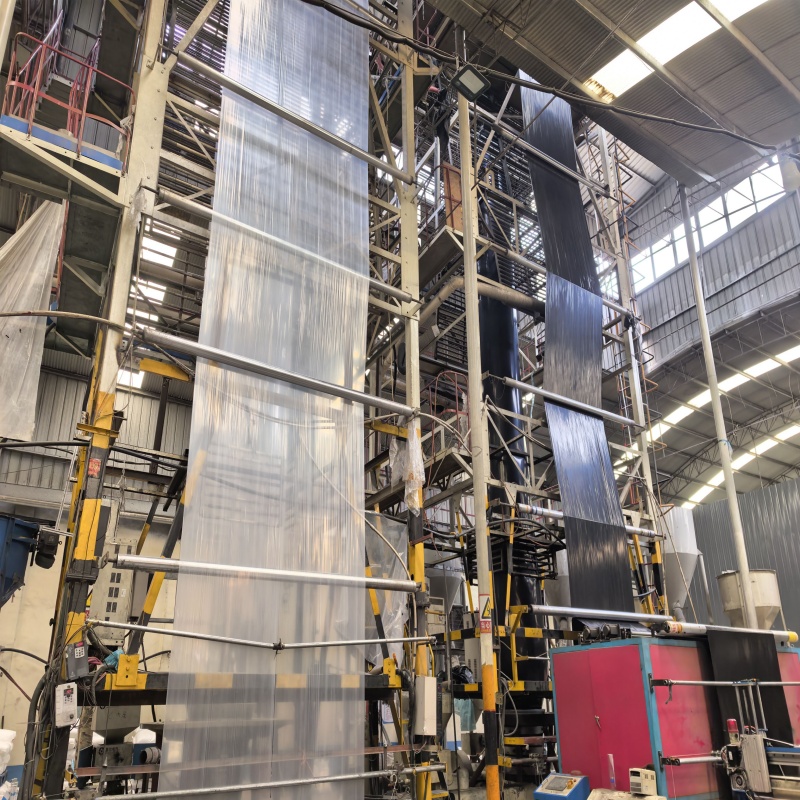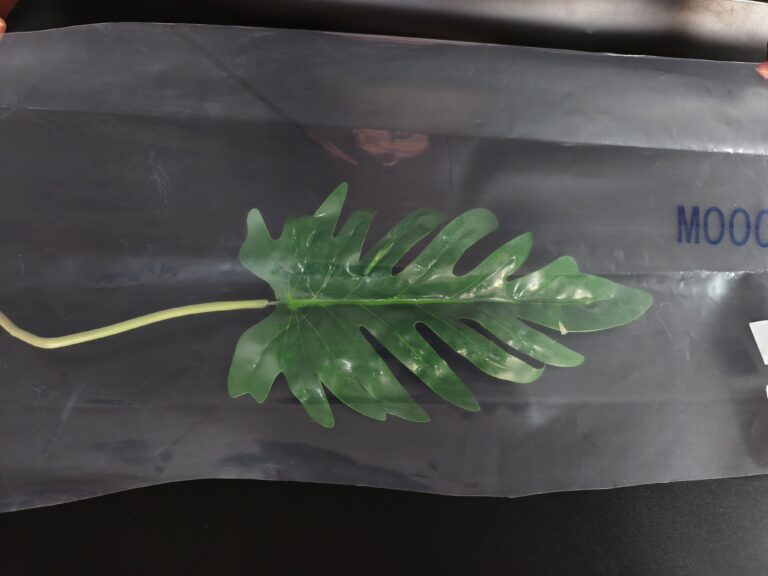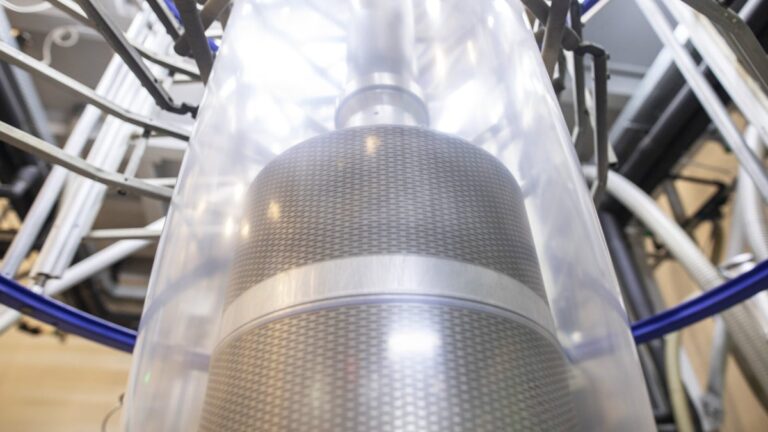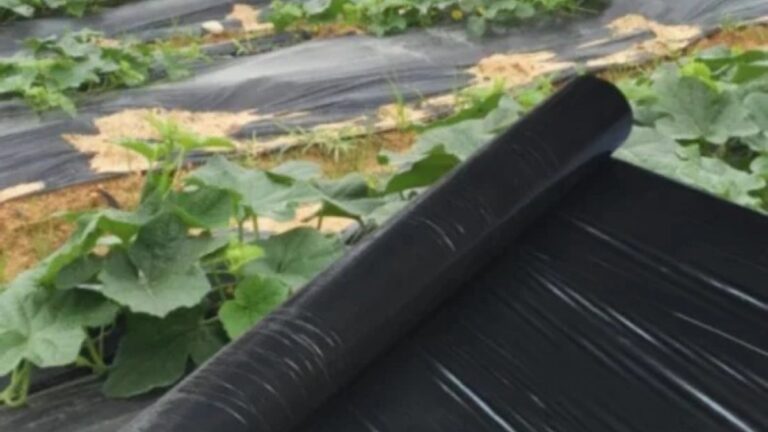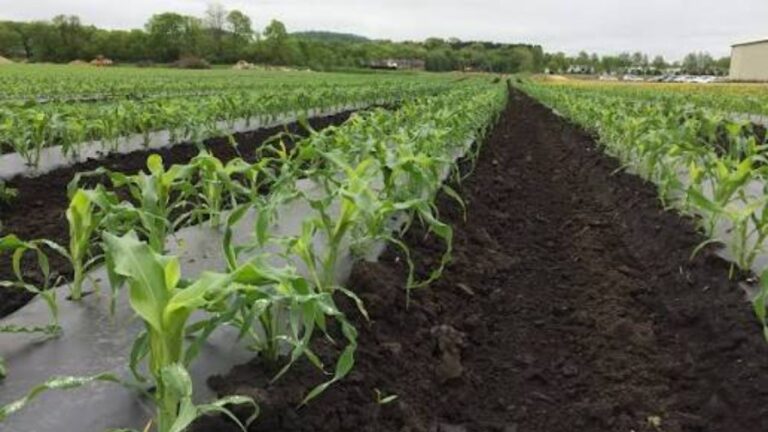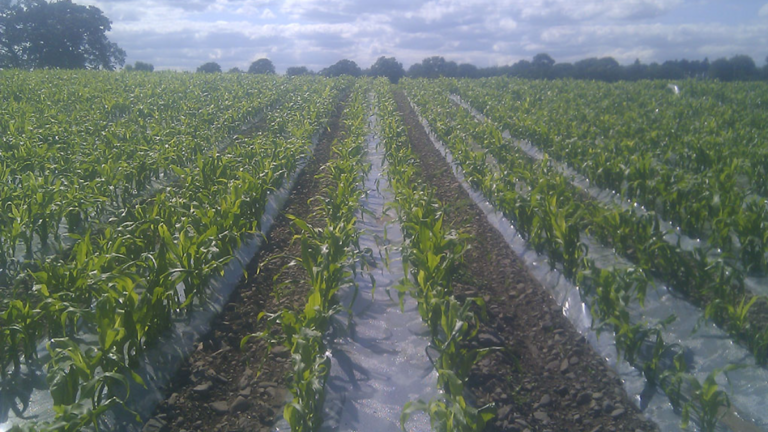


The film must match bed width, drip layout, soil temperature target, insect pressure, installation speed, and harvest cleanliness requirements.

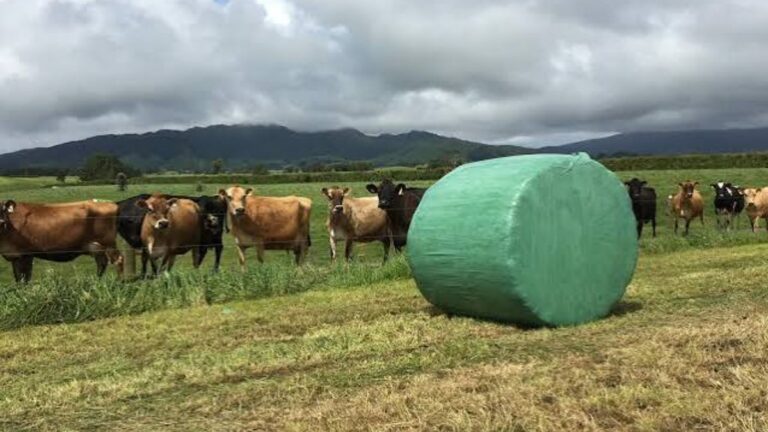
If you are dealing with white mold, heating bales, and livestock refusing to eat spoiled feed, the core issue almost always traces back to one thing: oxygen infiltration. The definitive fix is partnering with a premium Silage Wrap Film manufacturer to upgrade your operations to a 5-Layer or 7-Layer Low-OTR (Oxygen Transmission Rate) Stretch Film.

The correct specification should be based on bed width, laying equipment, soil roughness, exposure time, and labor pressure. For container orders, thickness tolerance, roll width accuracy, and winding quality matter as much as the headline film thickness.

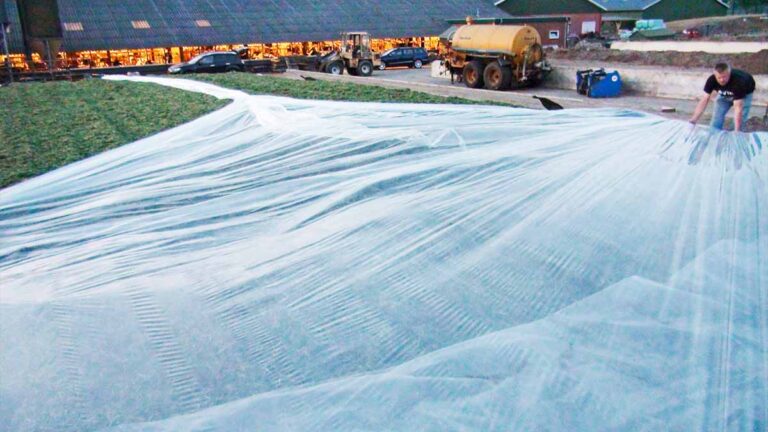
You also need a solid UV package so the sun doesn't rot it, enough tensile strength to handle some pulling, and a smooth surface that’s clean enough for regular wash-downs between runs.

We normally start with the crop schedule, local weather, and whether the grower is using hand laying, machine laying, greenhouse clips, or fixed frames.

The silver side reflects UV rays to disorient and repel aphids and whiteflies, while the black side blocks sunlight to prevent weed growth and keep the soil covered.

It requires precise thickness, high tensile strength, and exact width to match heavy-duty tractor laying equipment.