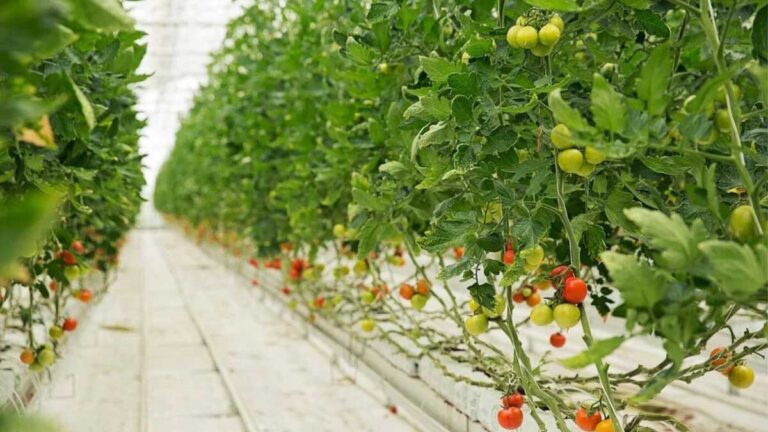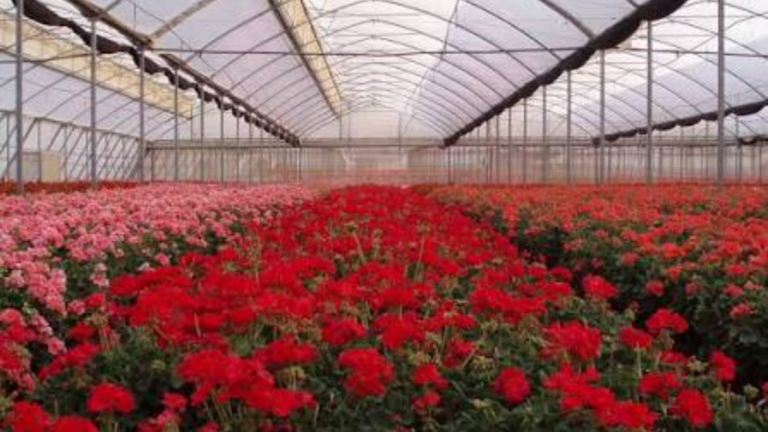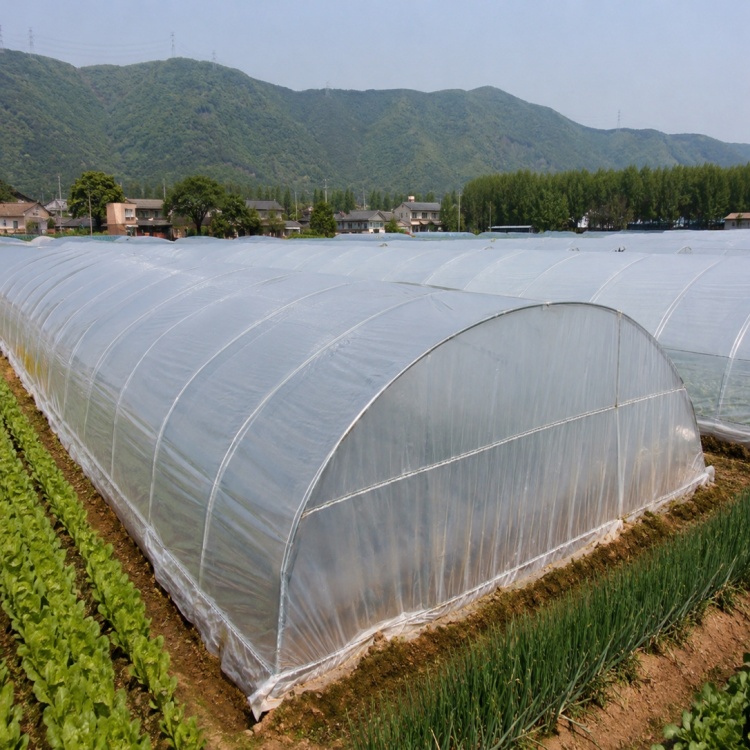


Growers choose this specific formulation when they need better night heat retention without spending capital on upgrading their physical greenhouse structures.

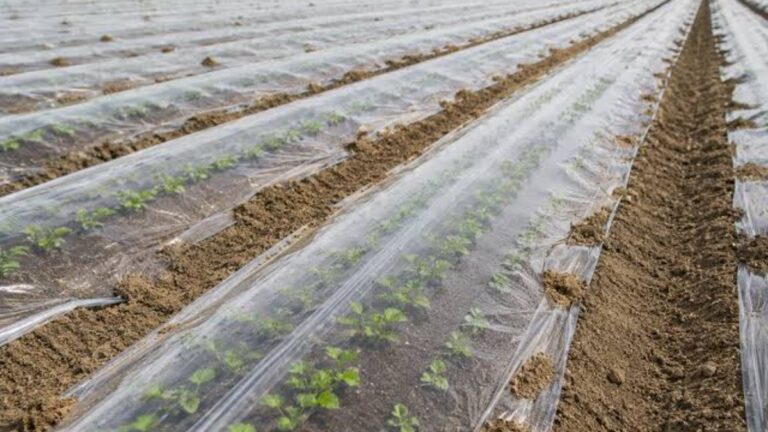
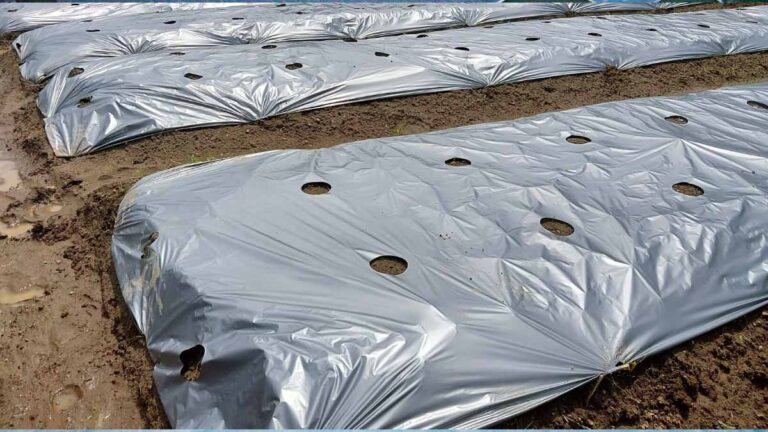
Growers rely on it because it completely blocks the sunlight required for weed germination, drastically reduces soil moisture evaporation, and keeps low-hanging produce clean from soilborne diseases.

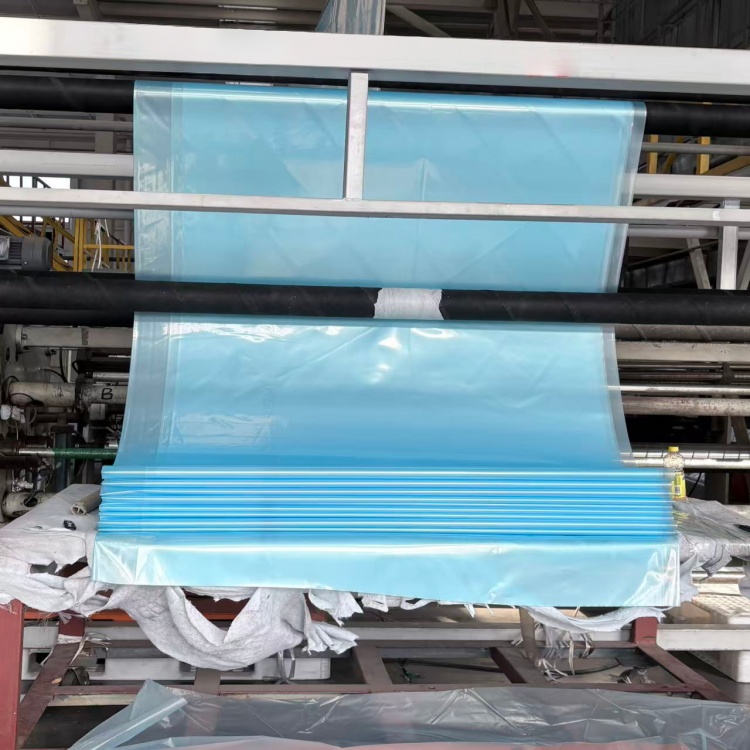
The goal of this advanced film is active light management: filtering, scattering, or blocking specific parts of the solar spectrum to optimize crop growth and reduce plant stress from harsh radiation.

Constant sunlight is the number one reason plastic degrades. Without the right UV stabilizers baked in, that cover is going to turn yellow and brittle in no time.

In agricultural applications, a higher lab strength number translates directly to real-world savings: fewer tears during high-speed tractor laying, better survival in high-wind greenhouse environments, and a cleaner removal process at harvest.

The key to agricultural success is matching the film color, width, tensile strength, and field duration to your specific crop plan.

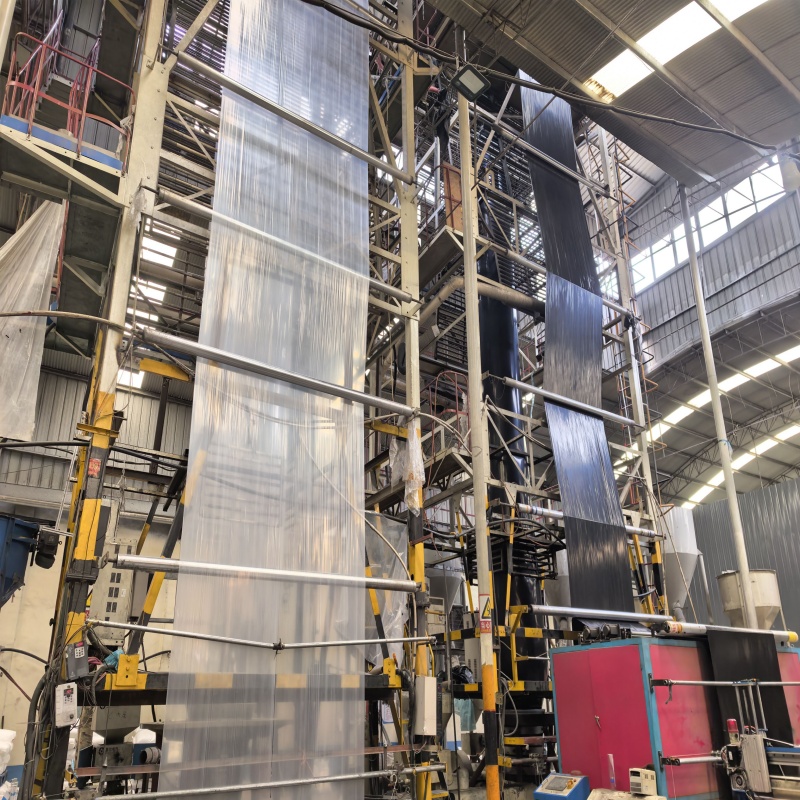
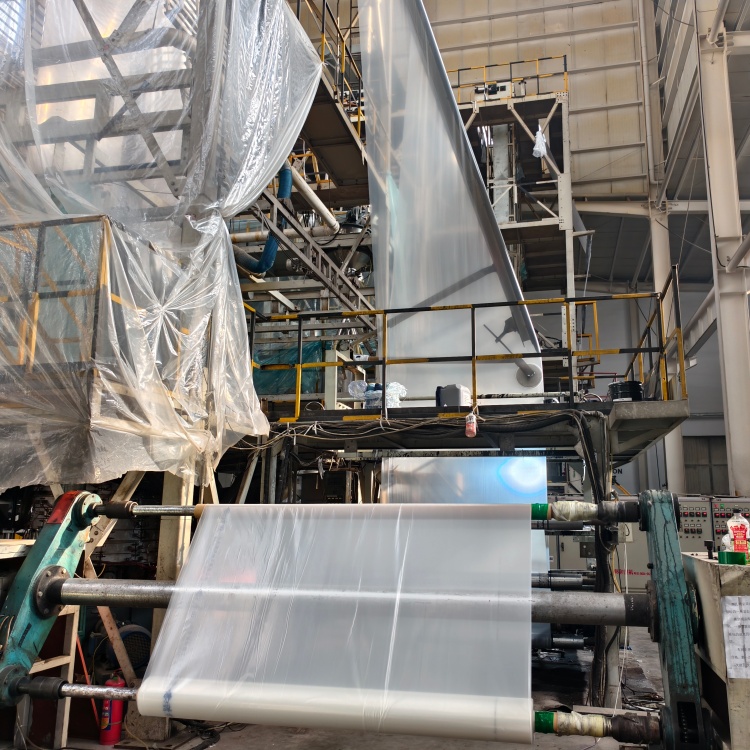
To completely eliminate these operational disasters, commercial vegetable growers must upgrade to multi-layer, metallocene-reinforced (m-LLDPE) plastic films manufactured with advanced precision extrusion technology.