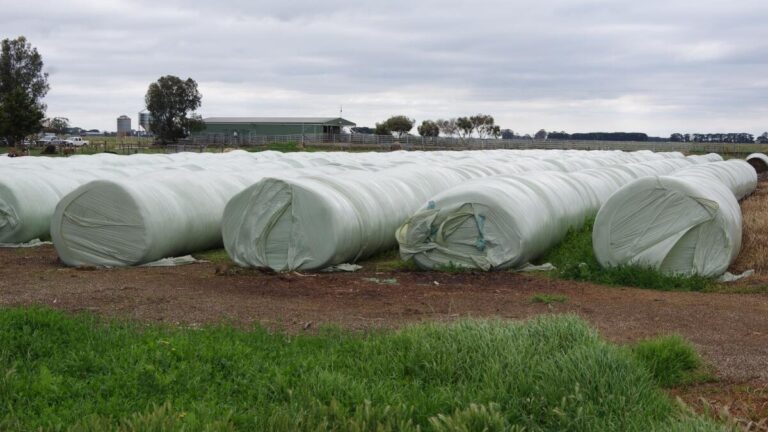
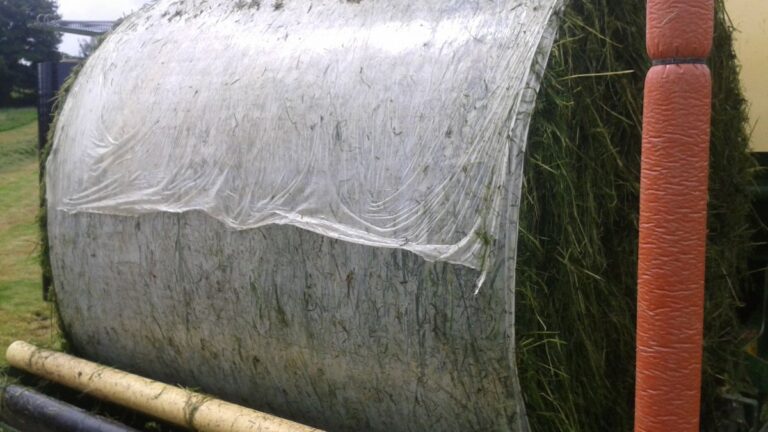
Dairy farms invest heavily in growing, harvesting, transporting and compacting forage. Once the crop enters a bunker silo, pit or stack, the covering system has one main job: limit oxygen ingress and keep the stored forage properly sealed.
HONREL AGRICULTURE supplies silage film for dairy farms, forage operations and agricultural distributors. For bulk orders, film selection should be based on the storage structure, required dimensions, outdoor conditions and expected storage period rather than thickness alone.
Table of Contents
Why Oxygen Control Matters in Dairy Silage Storage
Good silage preservation starts before the film is installed. The forage needs proper harvesting, compaction and covering. Silage film then forms part of the sealing system that limits air from reaching the stored crop.
Poor sealing, punctures and damaged edges can allow oxygen back into the forage. This increases the risk of aerobic deterioration and spoilage, particularly around exposed areas of the silo.
For long-term dairy feed storage, the film therefore needs to remain intact throughout installation and the planned storage period.
The goal is not simply to buy a thicker sheet. The film needs the right combination of barrier performance, mechanical strength, dimensions and outdoor durability for the storage system.
Choose Silage Film for Bunkers, Pits and Stacks
Different storage structures place different demands on agricultural silage film.
Bunker Silos
Bunker silos usually require wide film coverage and careful sealing around walls, shoulders and exposed edges. Selecting a suitable roll width can reduce unnecessary joins and make installation more efficient.
The film should also tolerate normal handling during covering and weighting without puncturing easily.
Silage Pits
Pit dimensions should be checked before ordering film. Width, length, wall coverage and required overlap determine the most practical roll specification.
Edges and corners deserve particular attention because poor sealing in these areas can become a route for air entry.
Silage Stacks
Outdoor stacks may have greater exposure to wind, sunlight and handling damage. Film strength, UV stability and secure surface weighting therefore become important parts of the covering system.
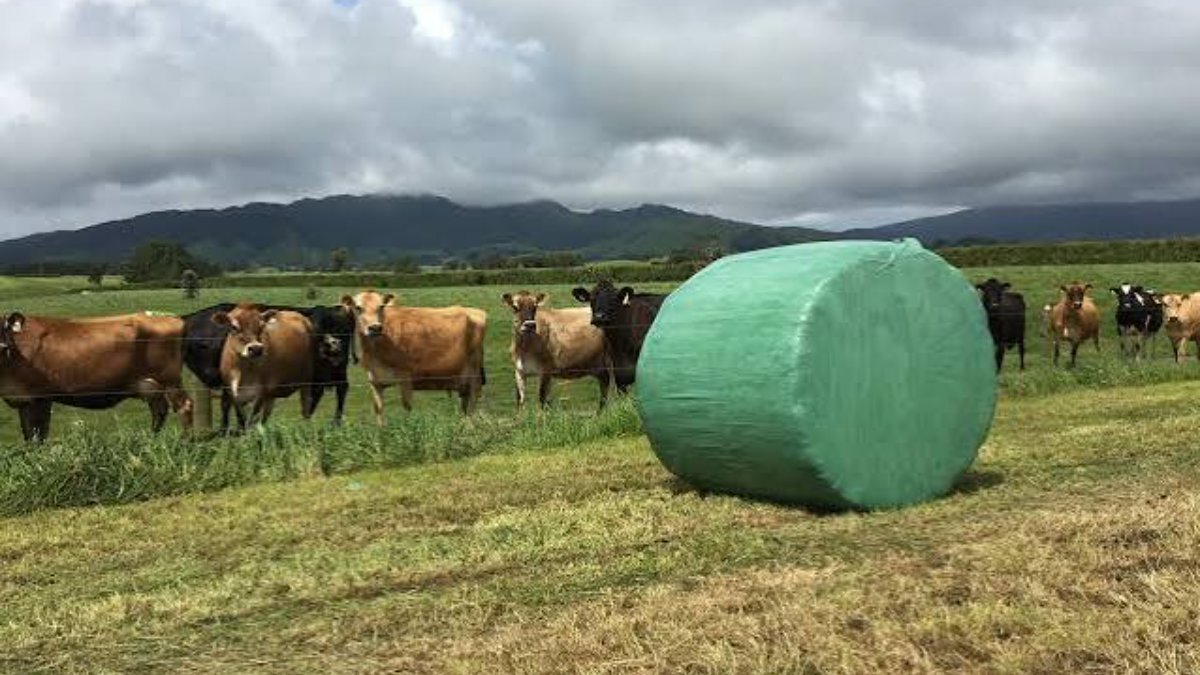
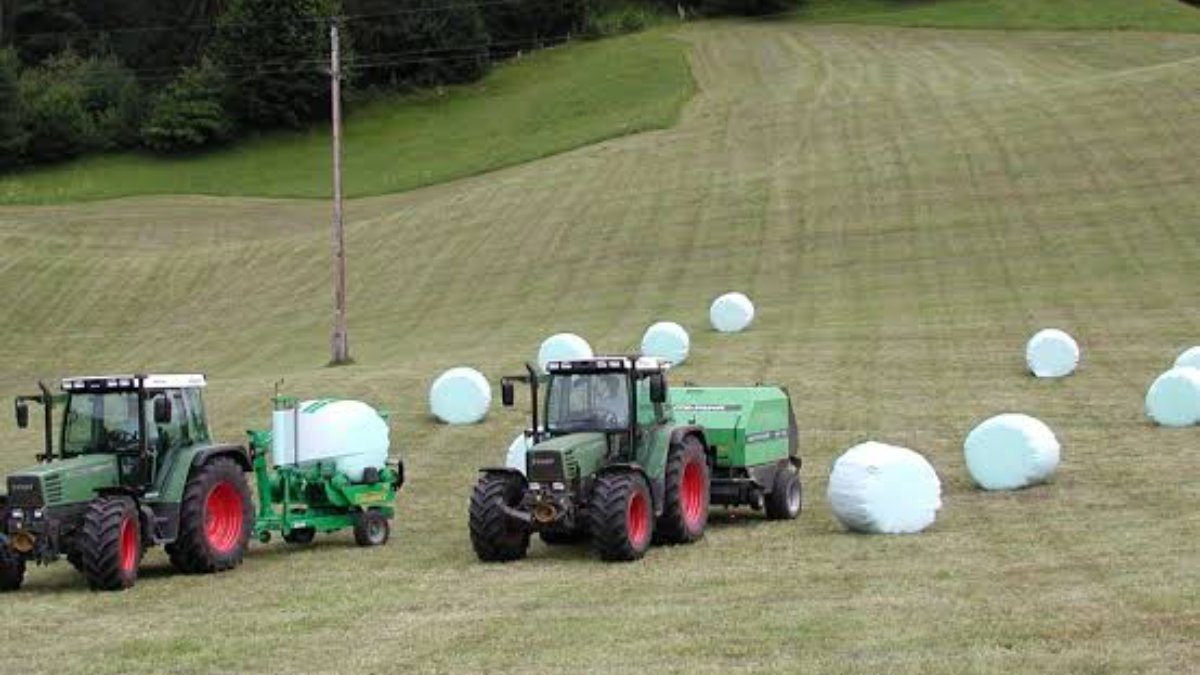
If a dairy farm also stores individually wrapped bales, that application should use a separate silage stretch film bale wrap specification. Bale wrap requires stretch and tack properties that are different from silage covering film.
Film Properties That Matter for Long-Term Storage
Dairy farms should evaluate silage film as a complete specification rather than comparing thickness alone.
Film Property
Why It Matters
Oxygen barrier performance
Helps limit oxygen ingress into stored forage
Puncture and tear resistance
Reduces damage risk during covering and storage
UV stability
Supports outdoor exposure during the intended storage period
Film thickness
Contributes to the required mechanical performance
Roll width and length
Determines coverage, joins and installation efficiency
Roll consistency
Helps maintain predictable handling between rolls
The correct balance depends on the storage structure and operating conditions.
A wide bunker silo may place more emphasis on roll width and installation efficiency. A storage area exposed to strong sunlight or wind may require more attention to outdoor durability and surface protection.
This is why the farm’s actual storage conditions should be discussed before production.
Installation and Sealing Affect Film Performance
Even a correctly specified film cannot compensate for poor silo preparation or sealing.
After filling and compaction, the forage should be covered promptly. Film should be positioned without dragging it unnecessarily across sharp concrete, crop residue or other surfaces that may cause punctures.
Overlap and edge sealing also need attention. Loose edges and poorly protected shoulders can create weak points in the covering system.
Once installed, the surface should be weighted and managed according to the farm’s storage method. Any puncture or visible damage should be repaired promptly with suitable repair material.
During storage, workers should avoid unnecessary traffic across the covered surface. When feed-out begins, only the required area should be opened so the remaining forage stays protected.
Film quality and storage practice work together. One cannot completely compensate for problems with the other.
Plan a Bulk Silage Film Order
Before ordering by pallet or container, buyers should define the actual storage project.
Important order details include:
Storage type and dimensions
Film width and thickness
Roll length and roll weight
Required colour
Expected outdoor storage period
Roll and core requirements
Packing and pallet requirements
Label or private-label requirements
Order quantity and delivery schedule
Correct dimensions are particularly important.
Ordering film that is too narrow can create additional seams and installation work. Ordering unsuitable roll sizes may also make handling more difficult for the covering team.
For repeat seasonal orders, keeping the confirmed film dimensions, packing and labeling on record makes it easier to reproduce the required specification.
Bulk Silage Film Supply from HONREL AGRICULTURE
HONREL AGRICULTURE supplies agricultural films for commercial farms, forage operations and distributors.
For dairy farm projects, buyers can provide the bunker, pit or stack dimensions together with the required film thickness, width, length, colour, quantity, packing and delivery destination. These details allow the specification and production requirements to be reviewed before the order is confirmed.
For larger orders, packing, pallet configuration, labels and container planning should also be agreed before production. This reduces confusion when several roll sizes or specifications are being handled at the warehouse or farm.
Repeat buyers can use the previously confirmed specification as the basis for the next seasonal order, helping maintain consistent roll dimensions, packing and product identification.
For bulk requirements, send HONREL AGRICULTURE your storage dimensions, required film specification, estimated quantity and delivery destination for quotation and production planning.
FAQ for Dairy Farm Silage Film Buyers
What silage film is suitable for dairy farm bunker silos?
The film should be selected according to bunker dimensions, storage period, outdoor exposure and installation method. Barrier performance, puncture resistance, UV stability, film dimensions and roll consistency are important factors.
Is thicker silage film always better for long-term storage?
Not necessarily. Thickness contributes to mechanical performance, but the complete film structure, puncture resistance, barrier performance, installation and sealing conditions also affect storage performance.
How do I choose the correct silage film width?
Measure the storage structure and account for the required wall coverage, edges and overlap. For large bunkers and pits, a suitable roll width can reduce unnecessary joins and simplify covering.
Is silage film the same as silage bale wrap?
No. Silage covering film is used for bunkers, pits and stacks, while bale wrap is stretch film designed to cling around individual forage bales. The two products should be specified separately.
What information should I provide for a bulk quotation?
Provide the storage type, dimensions, required film width, thickness, roll length, colour, quantity, packing requirements and delivery destination. Information about the expected storage period and outdoor conditions can also help with specification review.
What should be checked when the film arrives?
Check roll dimensions, labels, cores, pallet condition and packaging for transport damage. Damaged rolls should be identified before the covering operation begins.
Get Factory-Direct Insights & Growing Tips
Selecting the right Greenhouse Film or shade mesh is critical for crop success. As a dedicated Agricultural Netting and Film Manufacturer, our experts help you customize UV protection and light transmission based on your local climate. Share your project details for a tailored solution.
HONREL AGRICULTURE engineers films, netting, and drip pipe to your crop, climate, and structure—specs, colors, labeling, and packaging—backed by drawings and spec sheets.
Fast Response & Quick Proofing
Rapid quoting, spec-sheet/sample proofing, and practical engineering support. We align specifications and documentation quickly to keep your project timeline on track.
Consistent Quality & Traceability
UV-stabilized formulations, process QC, and lab checks for optics/mechanics—plus lot-level tracking. COA/test reports available; export packing and labeling are standardized.