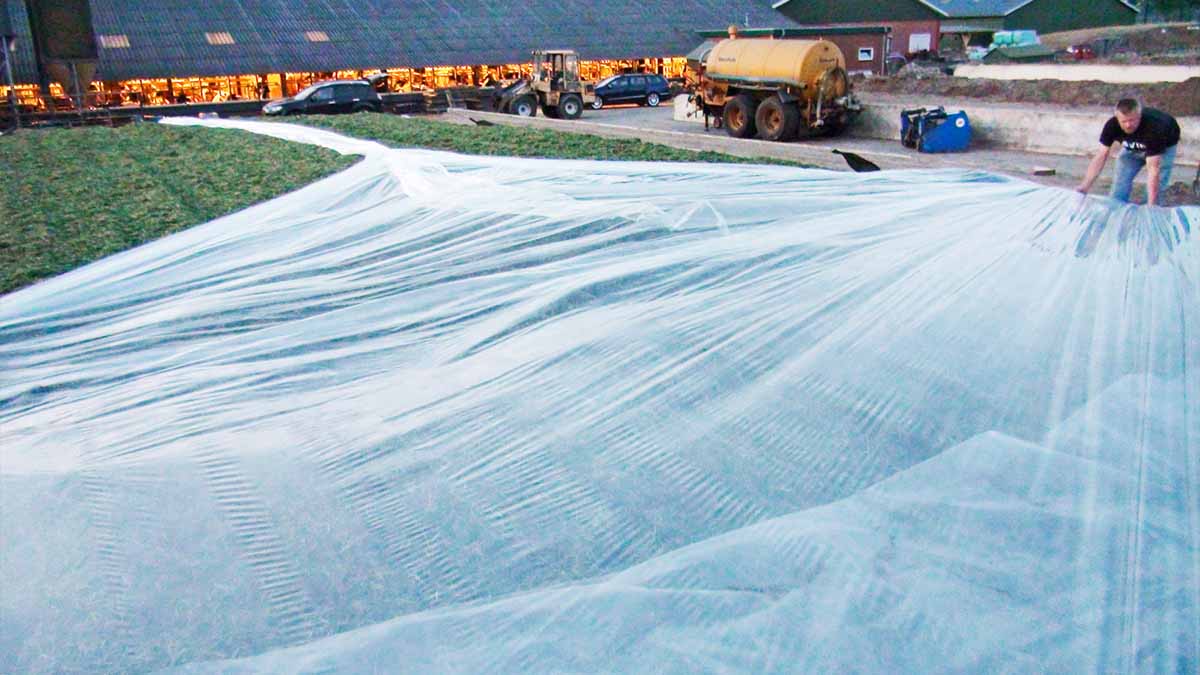
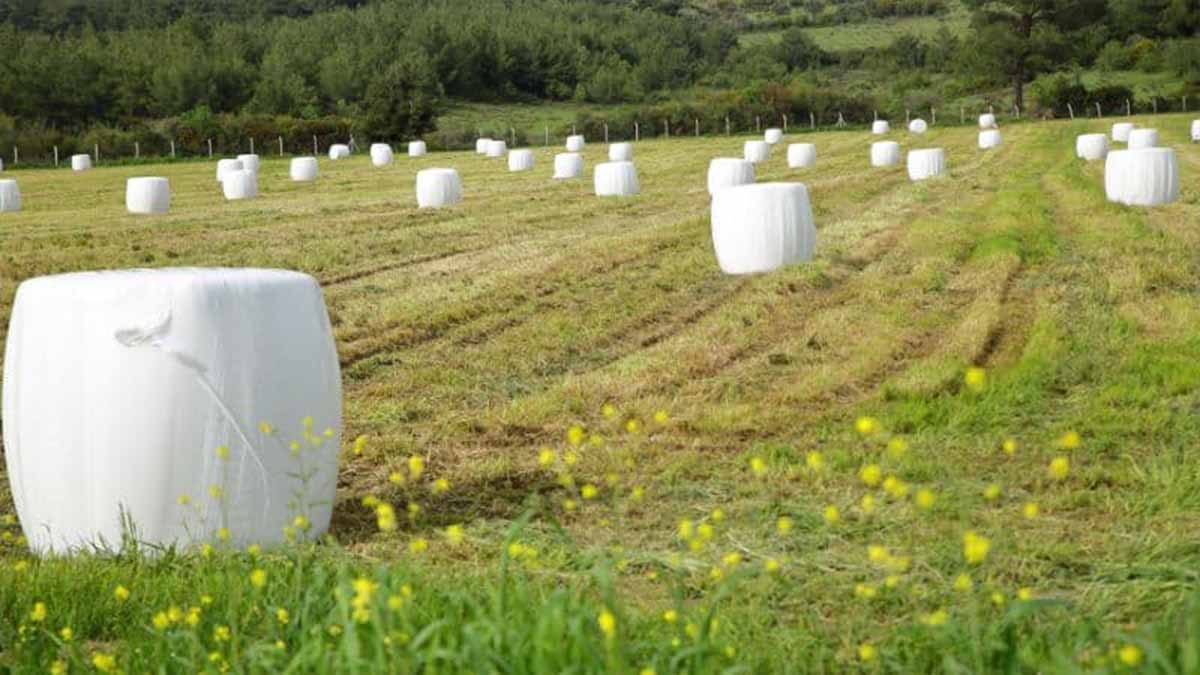
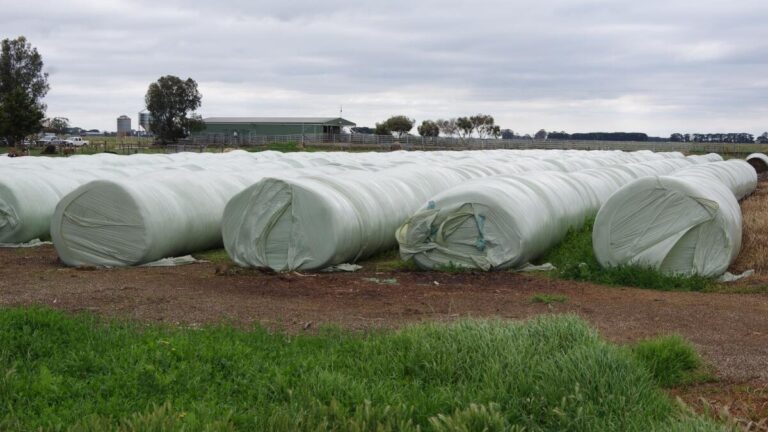
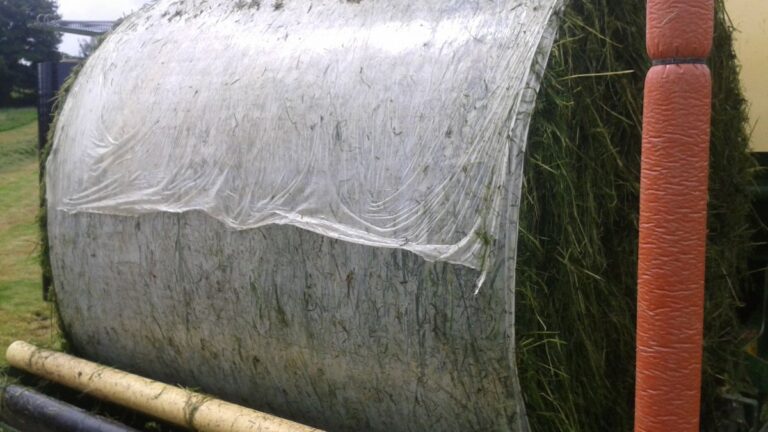
We make this film with five to seven layers of special plastic. This film stays soft and keeps the air out even at -20°C. It stops your bales from freezing or rotting. This means you lose much less food. Your cows and sheep get high-protein feed all winter. This film is long-lasting and perfect for shops. It is easy to use and keeps the feed fresh.
When temperatures plummet, the physics of agricultural plastics change drastically. Many farm managers come to us after losing thousands of dollars in ruined feed because cheap plastic cracked like glass in January. As a specialized silage wrap film manufacturer, we engineer purpose-built, climate-specific polymers. Here is the exact data on why you need custom winter wrap, the financial ROI it delivers, and the strict best practices you must implement.
Table of Contents
The Core Problem: Why Standard Plastic Fails in the Cold
Storing silage in regions with severe freezes and high winds is a brutal mechanical test for plastic. Here is exactly what happens to standard films when the temperature drops:
Adhesive Dormancy (Loss of Tack): Quality stretch films use tackifiers—the “glue” that laminates the layers into an oxygen-free seal. In freezing weather, standard tackifiers go dormant. The layers refuse to stick together, allowing winter winds to blow the film tails open and expose the feed.
Polymer Embrittlement: Standard plastic loses its elasticity. Instead of smoothly stretching 70% around the bale, it stiffens and snaps directly on your wrapper machine.
Puncture Vulnerability: Frozen forage stalks act like rigid needles. A cold, stiff film cannot absorb the impact, allowing frozen stalks to punch microscopic holes right through your oxygen barrier.
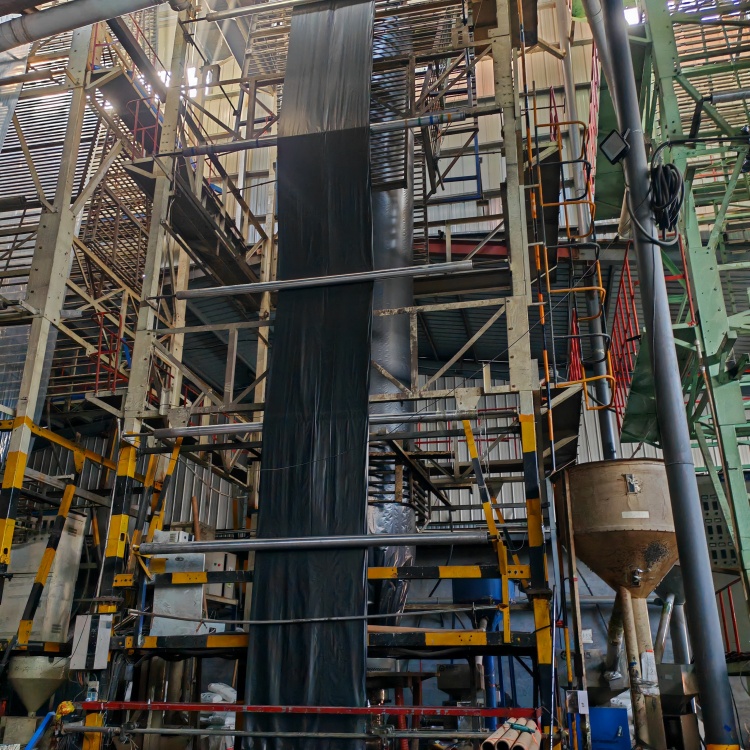
We manufacture our cold-climate films using advanced 5-layer to 7-layer blown extrusion technology, infusing high-grade metallocene catalysts into the LLDPE base. According to packaging science, metallocene-catalyzed LLDPE (mLLDPE) creates a uniform molecular structure that provides superior tensile strength, exceptional puncture resistance, and extreme flexibility even at sub-zero temperatures. Combined with an all-weather tackifier formulation, the layers weld together into an impenetrable shield.
The Financial ROI of Cold-Resilient Wraps
Oxygen is the enemy of silage. If cold weather breaks your seal, aerobic bacteria wake up and rot your feed.
Data published by Feedstuffs analyzing silage spoilage highlights the massive financial difference between poor coverage and premium oxygen-barrier coverage. Uncovered or poorly sealed forage routinely suffers a 20% to 30% DM loss. In contrast, properly packed silage using an advanced oxygen-barrier plastic drops that loss to as low as 8% to 9% (Source: Feedstuffs – The hidden cost of silage spoilage).
If you manage a 1,000-ton feed inventory, reducing shrink by just 10% saves 100 tons of feed. At $60 per ton, that is $6,000 saved immediately—easily paying for the upgraded plastic.
Performance Breakdown
Metric
Standard Summer-Grade Film
HONREL Cold-Climate mLLDPE Wrap
Bottom-Line Impact
Cold Weather Stretch
Snaps on the wrapper
Stretches flawlessly at -20°C
Eliminates machine downtime.
Film Tackiness
Fails; tails flap in wind
Locks tight instantly
Guarantees 100% airtight anaerobic fermentation.
Dry Matter Loss
15% – 30% (air leaks)
Under 9%
Retains maximum feed tonnage and protein levels.
Best Practices for Cold Climate Wrapping
Having the right plastic is only step one. How your operators handle it in the field dictates your success.
If you leave a roll of film in a freezing barn overnight, the adhesive glue will fail. According to major wrap manufacturers, tack is highly ineffective if reels are kept in cold conditions prior to use, resulting in loose film tails. Always store your film in a heated room (20°C/68°F) for at least 24 to 48 hours before use. Keep the rolls in the heated cab of your tractor until the exact moment you load them onto the wrapper.
Winter ice buildup and violent winds will batter your bales. While 4 layers might work for soft grass in the summer, agricultural equipment experts strongly recommend applying 6 to 8 layers of plastic to ensure the film survives harsh weather and extreme temperature fluctuations. Ensure your wrapper delivers a strict 50% overlap.
Cold temperatures physically stiffen all plastics. A standard 70% stretch gear might pull the film too hard in January, causing it to snap. Dial your wrapper’s pre-stretch down to 55% or 60% to compensate for the colder, stiffer environment.
Total Farm Protection: Consolidating Your Polymers
At HONREL AGRICULTURE, we apply this exact high-strength extrusion science across our entire product catalog. If you are a B2B distributor or a large-scale farm operator, consolidating your supply chain with a factory-direct agricultural PE film manufacturer saves you massive amounts of money on bulk freight and guarantees quality control across your whole farm.
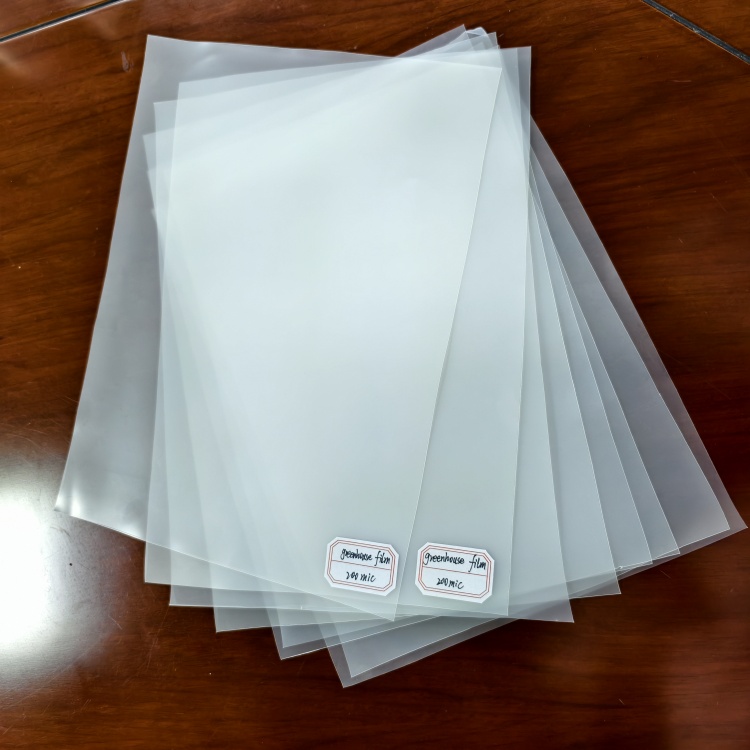
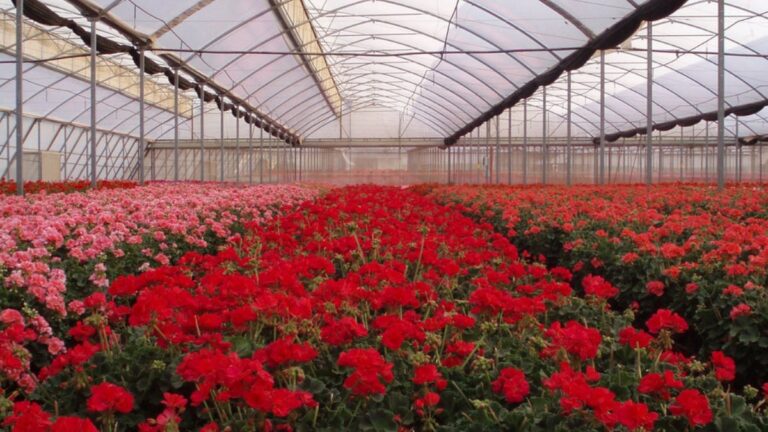
Winter Horticulture: To protect cash crops in freezing temperatures, we manufacture advanced greenhouse film and heavy-duty 5-layer PO greenhouse film. These utilize integrated Infrared (IR) layers that trap radiant heat inside your greenhouse during freezing winter nights, drastically slashing your propane and heating bills.
Early Spring Soil Thawing: To jumpstart your planting season in cold northern climates, laying down our black agriculture mulch film warms the soil rapidly, allowing you to plant weeks ahead of bare-soil competitors.
Whether you are wrapping forage to survive a blizzard or covering cash crops to trap heat, we engineer the materials to withstand your specific climate.
Frequently Asked Questions (FAQ)
Q1: Does snow reflection hurt my bale wrap in the winter?
A: Yes, this is a big problem. Even if the sun feels weak, white snow reflects a lot of light back up. This means the bottom of your bales gets hit by the sun twice as much. Our cold-climate films have special sun protection. They stay strong for up to 12 months. This stops the bottom of the wrap from getting brittle or cracking before the spring.
Q2: How do I stop birds and mice from attacking my bales?
A: In the winter, animals are hungry and will try to eat your feed. Our 7-layer film is very hard to poke holes in, but sharp claws can still hurt it. You should cover your bales with a strong net. You should also clear away tall grass and snow around the pile. This stops mice from hiding and digging into the bottom bales.
Q3: How long can I keep the rolls before I use them?
A: If you keep them in their boxes in a dark, dry place, they last for 12 to 18 months. Keep them away from chemicals. Do not buy more than you can use in two years. The sticky glue on the film can get weak if it sits in a shed for too long.
Q4: Can I recycle the plastic wrap after the winter?
A: Yes. Our wrap is made from 100% pure plastic. It has no toxic metals or bad chemicals. It is easy to recycle with other farm plastics. Just shake off the dirt and hay. It can be turned into things like plastic wood or trash bags. This film is long-lasting and perfect for shops.
Q5: Does bale shape (round vs. square) impact how winter film performs?
A: Yes. Square bales place massive, localized tension directly on the 90-degree corners. In freezing weather, this tension point is highly susceptible to tearing if the plastic lacks elongation. If you are baling square bales in the cold, you absolutely must use a high-toughness, metallocene-enhanced film, as cheap blown films will split right down the sharp edges of the square bale when the temperature drops.
Get Factory-Direct Insights & Growing Tips
Selecting the right Greenhouse Film or shade mesh is critical for crop success. As a dedicated Agricultural Netting and Film Manufacturer, our experts help you customize UV protection and light transmission based on your local climate. Share your project details for a tailored solution.
HONREL AGRICULTURE engineers films, netting, and drip pipe to your crop, climate, and structure—specs, colors, labeling, and packaging—backed by drawings and spec sheets.
Fast Response & Quick Proofing
Rapid quoting, spec-sheet/sample proofing, and practical engineering support. We align specifications and documentation quickly to keep your project timeline on track.
Consistent Quality & Traceability
UV-stabilized formulations, process QC, and lab checks for optics/mechanics—plus lot-level tracking. COA/test reports available; export packing and labeling are standardized.