High-Strength Corn Silage Wrap Manufacturer | 5-Layer Bale Film
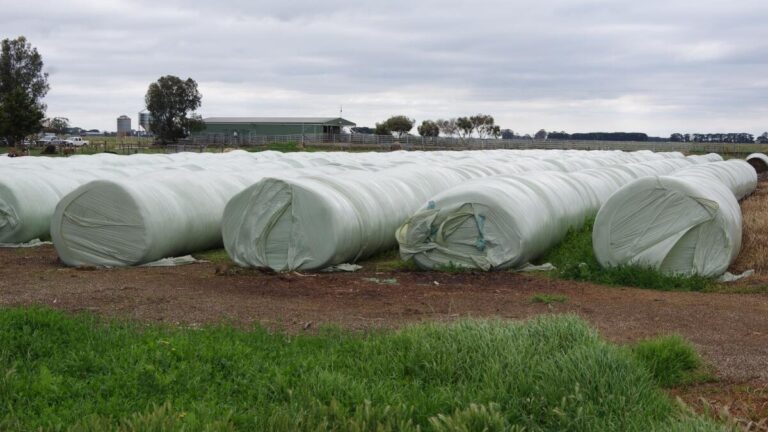
Silage is essentially "pickled" forage. When you wrap a bale, your primary goal is to seal out 100% of the oxygen. When oxygen is eliminated, naturally occurring lactic acid bacteria thrive. They consume the plant sugars, convert them into lactic acid, and drop the pH of the bale to a stable level, preserving the feed indefinitely.
If your silage is spoiling before it reaches the feed bunk, the wrap is the weak link.
This guide comes straight from our extrusion floor and real field data. We’ll break down how high-strength corn silage wrap actually works, why spoilage happens, and how to stop losing money to hidden feed losses.
Table of Contents
The Harsh Reality of Baling Corn Silage
To understand why the quality of your film matters, we first need to look at what actually happens inside a bale of corn silage.
Silage is essentially “pickled” forage. When you wrap a bale, your primary goal is to seal out 100% of the oxygen. When oxygen is eliminated, naturally occurring lactic acid bacteria thrive. They consume the plant sugars, convert them into lactic acid, and drop the pH of the bale to a stable level, preserving the feed indefinitely.
Why Grass Wrap Fails on Corn
Grass is soft, pliable, and relatively easy to compress into a dense cylinder or square. Corn silage, whole-plant maize, and corn stover are entirely different beasts. They are highly abrasive, woody, and stiff.
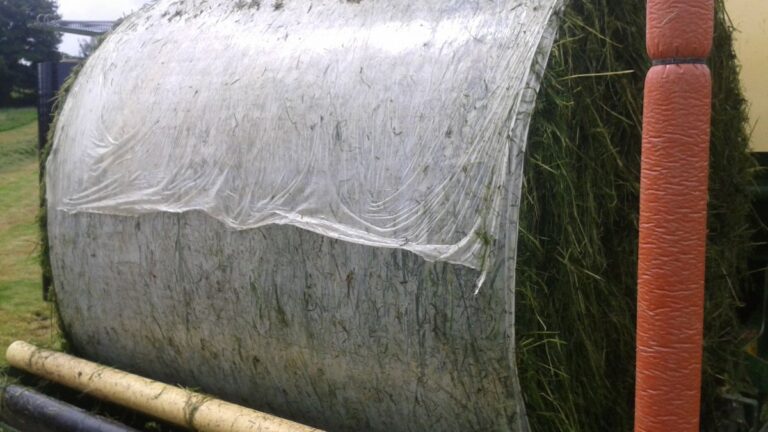
Corn stalks are sharp after a baler squeezes them. The stems act like tiny needles. They push against the plastic wrap. Your film needs to be strong. It needs to stop holes from forming. Small tears can happen. You might not see them with your eyes. These small holes let oxygen inside. This is bad for your feed.
When oxygen gets in, the plants keep breathing. They burn up the good food your cows need. The feed gets hot. Bad mold starts to grow. This can make your cows very sick. You lose a lot of feed. You can lose 15% to 20% of your total volume to rot. This is why you need a film maker who knows multi-layer tech. It protects your money.
The Science Behind 5-Layer & 7-Layer Co-Extrusion
So, how do we solve the puncture problem? By engineering a structurally superior plastic.
Older, cheaper bale wraps are often produced using a 3-layer cast film process. They are cheap to buy, but they lack multi-directional strength. At HONREL, our high-strength films utilize advanced blown film extrusion. By utilizing 5-layer to 7-layer technology, we can blend different premium metallocene resins and LLDPE (Linear Low-Density Polyethylene) into a single, incredibly tough sheet.
The Outer Layers: Formulated specifically for superior weatherability and UV stabilization. We guarantee our films for up to 12 months of intense outdoor sun exposure without degrading.
The Core Layers: Engineered purely for mechanical strength, extreme tear resistance, and acting as an impenetrable oxygen barrier.
The Inner Layers: Coated with a proprietary, high-tack adhesive. This ensures the film clings tightly to itself as it overlaps, creating an airtight, waterproof seal that will not unpeel in high winds or freezing rain.
💡 Expert Best Practice: Calibrating Your Wrapper’s Pre-Stretch. Having the best plastic in the world won’t help if your machinery is set up wrong. Good silage stretch film needs to stretch between 55% and 70% as it goes through your machine. This stretch works like a heavy-duty rubber band. The film tries to shrink back to its original size after you put it on. This squeezes the bale tight and pushes out the air.
You should not stretch the film more than 75%. This makes the plastic too thin. It will snap when it hits the sharp corn stalks. Keeping the stretch right makes the wrap long-lasting and perfect for shops. Always verify your stretch percentage before wrapping the first bale of the day.
Real-World ROI: The Cost of Cheap Film
Let’s look at the financial impact. If you are running a commercial dairy or beef operation, your profit margin lives and dies by your feed costs.
Let’s compare standard 3-layer PE film against our advanced 5-layer high-strength wrap:
Performance Metric
Standard 3-Layer Grass Film
HONREL 5-Layer Corn Silage Wrap
The Real-World Farm Impact
Puncture Resistance
Low (Stalks pierce easily)
Exceptionally High
Zero oxygen infiltration; zero mold
Layers Required per Bale
10 to 12 (to prevent tearing)
8 Layers
Faster wrapping time; less total plastic used per bale
Oxygen Transmission (OTR)
Moderate
Near Zero
Perfect lactic acid fermentation
Average Dry Matter Loss
10% – 18%
< 3%
Saves tons of expensive feed per harvest season
Tackiness / Cling
Weakens in extreme cold
All-Weather High Tack
Tails won’t flap open in winter storms
When you factor in the reduction in wasted feed and the increase in milk production from higher-quality forage, the ROI on premium agricultural silage film is usually realized within the first month of winter feeding.
💡 Expert Best Practice: The 8-Layer Rule for Corn SilageFor soft grass or alfalfa, applying 4 to 6 layers of stretch film is the industry standard. Do not do this with corn silage. Because maize stalks are incredibly coarse, we strongly recommend applying no less than 8 layers of film (with a strict 50% overlap). If you plan on transporting the bales multiple times, or if you need to store them for more than 12 months, bump it up to 10 layers. The cost of adding two extra layers of plastic is literally pennies compared to throwing away a $100+ bale of feed due to rot.
Integrating Farm Solutions: From the Field to the Greenhouse
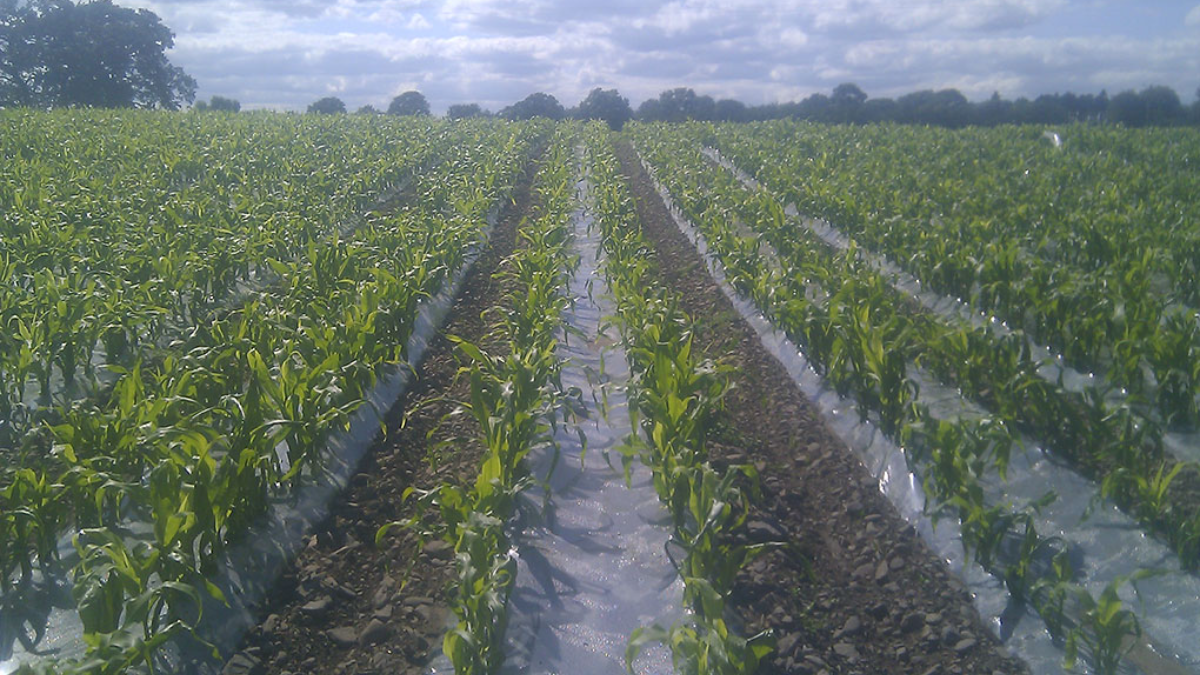
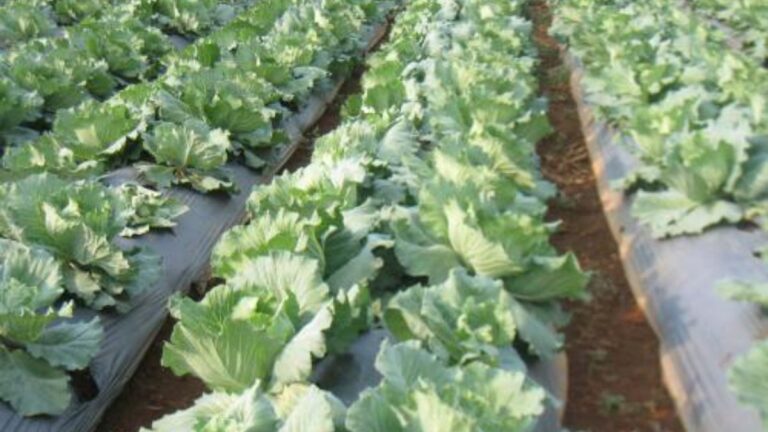
Modern commercial agriculture is rarely one-dimensional. Many of the large-scale clients and distributors we supply are managing mixed-use operations. They might run a dairy on one side of the property and a massive commercial horticultural setup—growing tomatoes, cucumbers, or berries—on the other.
At HONREL AGRICULTURE, we don’t just stop at forage preservation. The exact same sophisticated multi-layer extrusion technology that makes our silage wraps impenetrable is used to manufacture our world-class horticultural plastics.
If you understand how critical it is to manage the microclimate inside a sealed bale of silage, you understand how vital it is to manage the microclimate over your cash crops. Just as our silage film acts as an absolute barrier to protect feed, our greenhouse film is engineered to manipulate light and temperature.
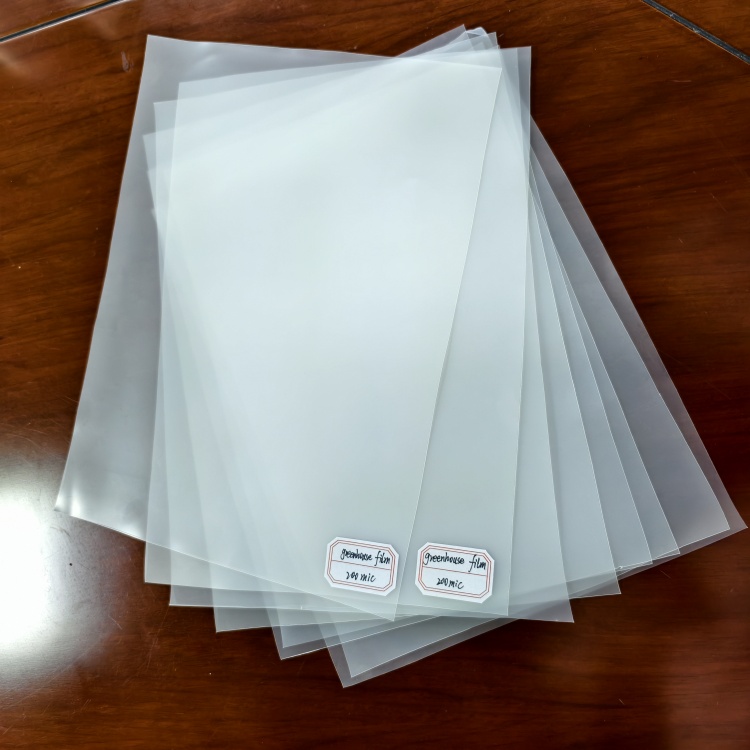
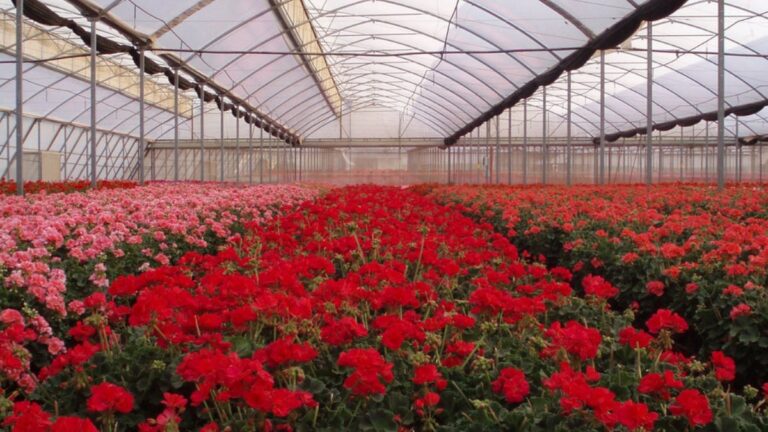
You can make your farm better with our 5-layer PO greenhouse film. It lets 95% of light inside. It also has a special IR layer to trap heat at night. This layer keeps the inside 2°C to 4°C warmer than the air outside. This cuts your heating bills in the winter.
The film has a nano-coating to stop drips. This keeps water from falling on your plants. It stops the same mold that ruins your feed.
You can get all your plastics from our factory. We make silage wraps and greenhouse films. We also make ground covers. Buying everything from one place saves you money on shipping. It also makes sure all your plastic is high quality. This is easy to use for your whole farm.
Why Partner with HONREL AGRICULTURE?
When you buy agricultural plastics, you are investing in the security of your harvest. Here is why distributors and commercial farms choose HONREL:When you buy farm plastics, you are protecting your harvest. This is why shops and big farms choose HONREL.
We sell direct from our factory. We are not a middleman. We make our silage film and greenhouse film in our own plant. This means we give you the best wholesale prices.
We can also change the film for you. You can ask for a special thickness or a custom width. We can make it in white, black, or light green. We change our machines to fit the weather in your area.
We check every batch of film we make. We test it for strength and holes. We make sure it stays strong in the sun before we ship it.
Your feed is too important to waste. You should upgrade your wrap and keep the air out. This helps your cows stay healthy.
Frequently Asked Questions (FAQ)
Q1: What is the difference between white, black, and green silage wrap?
A: The color of the film changes how much heat the bale takes in from the sun. White or light green films reflect the sunlight. This keeps the inside of the bale cool and steady. This is a great choice for warm and sunny places. We only suggest dark or black and white silage film for very cold areas. The dark colors help the bale soak up heat so it does not freeze solid.
Q2: How fast should I wrap my corn silage after I bale it?
A: You need to move fast. You should wrap your bales within 2 to 4 hours. High-moisture corn silage breathes fast when air hits it. If you wait until the next day, the plant cells burn up the good sugars. The bale starts to get hot and rot before you even put the plastic on.
Q3: Can your high-strength film be used on both round and square bales?
A: Yes. Our 5-layer and 7-layer stretch films are highly versatile. They are engineered to provide maximum corner protection for square bales (where punctures are most common) while offering perfect uniform stretch for continuous inline round bale wrappers. We offer standard widths of 500mm and 750mm to fit all major wrapper brands.
Q4: How should I store the rolls of film before using them?
A: Always store your unused rolls vertically in a cool, dry, dark place (like a barn or shed), kept inside their original UV-protected cardboard packaging. Do not leave the unboxed rolls sitting in the hot sun for days before use, as excessive heat can degrade the tackifier (adhesive) and alter the stretch properties of the plastic.
Q5: Is your silage wrap recyclable?
A: Yes! Our LLDPE silage stretch film is fully recyclable under standard agricultural plastic recycling programs. Because our high-strength film uses pure, virgin resins without heavy metal additives, it is highly sought after by recycling facilities to be repurposed into composite lumber or garbage bags.
Get Factory-Direct Insights & Growing Tips
Selecting the right Greenhouse Film or shade mesh is critical for crop success. As a dedicated Agricultural Netting and Film Manufacturer, our experts help you customize UV protection and light transmission based on your local climate. Share your project details for a tailored solution.
HONREL AGRICULTURE engineers films, netting, and drip pipe to your crop, climate, and structure—specs, colors, labeling, and packaging—backed by drawings and spec sheets.
Fast Response & Quick Proofing
Rapid quoting, spec-sheet/sample proofing, and practical engineering support. We align specifications and documentation quickly to keep your project timeline on track.
Consistent Quality & Traceability
UV-stabilized formulations, process QC, and lab checks for optics/mechanics—plus lot-level tracking. COA/test reports available; export packing and labeling are standardized.