Silage Bale Wrap Supplier | Master Anaerobic Fermentation for Maximum Yield
If you are dealing with white mold, heating bales, and livestock refusing to eat spoiled feed, the core issue almost always traces back to one thing: oxygen infiltration. The definitive fix is partnering with a premium Silage Wrap Film manufacturer to upgrade your operations to a 5-Layer or 7-Layer Low-OTR (Oxygen Transmission Rate) Stretch Film.
If your bales are getting hot or moldy, your cows will not eat the feed. The problem is almost always air getting inside. The definitive fix is partnering with a premium silage wrap film manufacturer to upgrade your operations to a 5-Layer or 7-Layer Low-OTR (Oxygen Transmission Rate) Stretch Film.
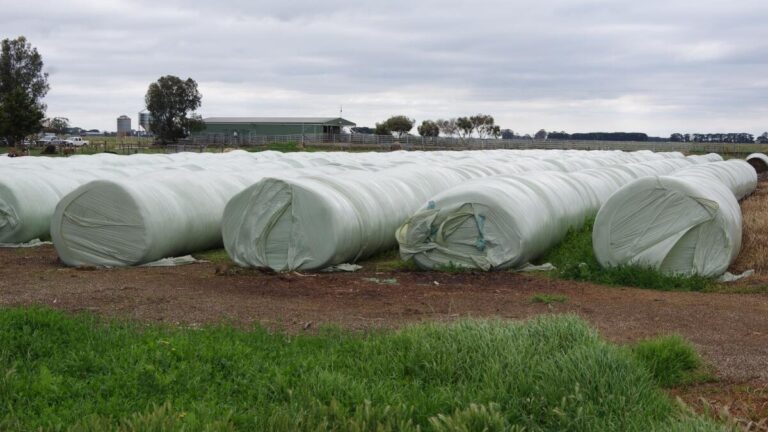
By making this simple operational switch, you immediately seal out oxygen, triggering rapid and perfect anaerobic fermentation. The direct benefit? You preserve up to 95% of your harvested dry matter, eliminate toxic aerobic molds, and drastically reduce your winter feed costs by locking in the plant’s natural sugars and proteins.
Table of Contents
The Science of Anaerobic Fermentation: Why Plastic Matters
To truly understand why you need to invest in high-quality silage film, we must look at the microbiology happening the exact moment a bale drops out of the baler.
Freshly cut forage is biologically active. The plant cells are still respirating (breathing), and the crop is covered in a complex mix of beneficial Lactic Acid Bacteria (LAB) and harmful microorganisms like yeasts, molds, and Clostridia.
Your ultimate goal is to shut down the oxygen supply immediately. According to agricultural field data, when oxygen is successfully eliminated through proper wrapping, the lactic acid bacteria naturally present in the forage begin to rapidly multiply. These beneficial microorganisms actively convert plant sugars into lactic acid, lowering the internal pH to around 4.0-5.0. This highly acidic environment acts as a powerful natural preservative, preventing harmful bacteria and molds from developing (Source: Mole Avon Forage Guide).
Conversely, if your plastic is weak and oxygen leaks in, disaster strikes. Excessive oxygen increases the rate at which plant carbohydrates are converted to heat and carbon dioxide. This leads to massive losses of available nutrients. Furthermore, the lack of a rapid pH drop allows Clostridia to thrive. Clostridia ferments sugars into butyric acid—a sour-smelling, low-energy acid that decreases feed intake and ruins the nutritional value of your silage (Source: Penn State Extension Silage Management).
The Silent Killer: Oxygen Transmission Rate (OTR)
Not all plastics stop oxygen equally. If you are buying cheap, single or 3-layer cast films from unverified suppliers, you are fighting a losing battle against a metric known as the Oxygen Transmission Rate (OTR).
OTR measures how much oxygen gas permeates through a film over a 24-hour period. Standard polyethylene covers allow a slow, continuous bleed of oxygen into your bale all winter long. This microscopic leak is what feeds aerobic molds, causing that dreaded white layer of rot just under the plastic.
By upgrading to our advanced 5-layer co-extruded films, you utilize specialized LLDPE (Linear Low-Density Polyethylene) resin blends that drop the OTR drastically. A high-quality silage wrap is responsible for creating a completely airtight seal, which helps create an impenetrable anaerobic environment inside the bales. This allows beneficial bacteria to efficiently break down complex carbohydrates into simpler sugars, massively enhancing the digestibility and palatability of the feed for your livestock.
Data-Driven Benefits of 5-Layer Co-Extruded Wrap
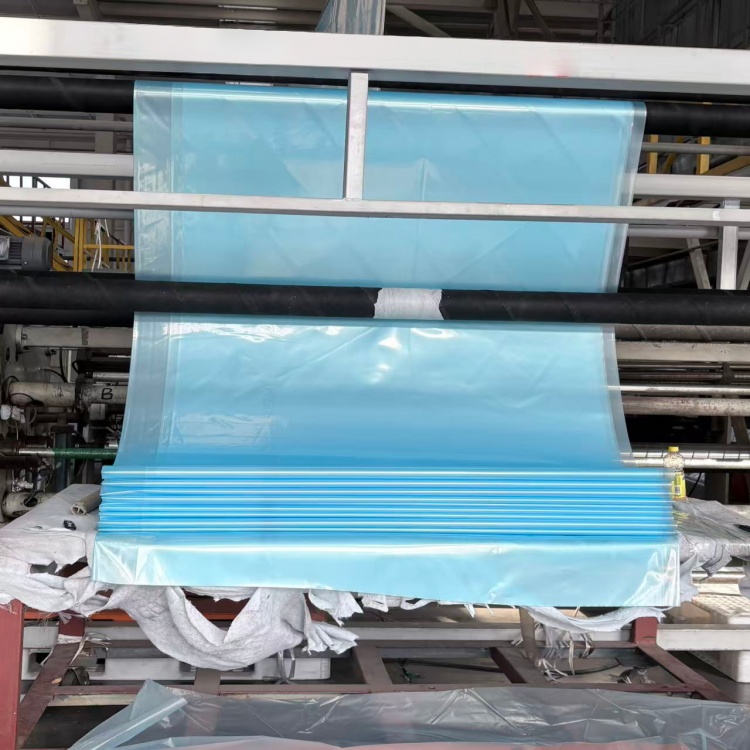
Our 5-layer blown extrusion technology allows us to blend metallocene resins into a single, super-strong sheet that meets the highest global specifications. Industry standards dictate that premium films should have a thickness of 25–30 microns, stretchability of up to 70% without tearing, and heavy-duty UV resistance for at least 12 months of outdoor protection.
Let’s look at the financial impact of upgrading your material:
Performance Metric
Standard 3-Layer PE Film
HONREL 5-Layer Low-OTR Film
The Real-World Farm Impact
Dry Matter Retention
80% – 85%
Up to 90% – 95%
You keep more of the feed you grew and harvested.
Oxygen Barrier (OTR)
High / Permeable
Extremely Low
Perfect lactic acid fermentation; zero white mold.
Puncture Resistance
Low (Prone to stalk tears)
High Tensile Strength
Survives coarse maize and stiff alfalfa stems easily.
UV Stabilization
6 Months max
Up to 12 Months
Withstands harsh summer sun without cracking or degrading.
Cling / Tackiness
Weakens in freezing weather
All-Weather High Tack
Tails stay glued down; no unpeeling or flapping in the wind.
How to Wrap Like a Pro
Having world-class plastic from a reliable agricultural silage film provider is only half the equation. How your operators apply the film in the field dictates your ultimate success. Here are our top field-tested best practices for achieving perfect anaerobic fermentation.
Bale moisture management is where many farmers lose money. The optimal moisture content for baled silage typically ranges between 45% and 55%. If moisture levels are too high (above 70%), you face an increased risk of clostridial bacteria growth, which results in foul-smelling, toxic feed, and nutrient seepage. If it is too dry, the stiff forage won’t compress properly inside the baler, leaving far too much trapped air inside the bale for the bacteria to consume quickly.
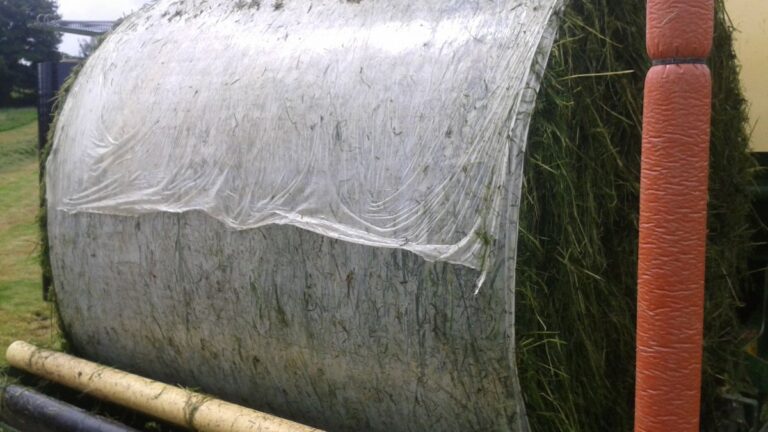
Your wrapper machine uses pre-stretch rollers to apply tension to the plastic. A premium Silage Stretch Film Bale Wrap is engineered to stretch between 55% and 70%. This elasticity acts like a giant rubber band. The film tries to shrink back to its original size after you put it on. This squeezes the bale tight and pushes out the air. Do not stretch it more than 75%. Overstretching makes the plastic too thin. It breaks the oxygen barrier and makes it easy for sharp stems to poke holes. This film is long-lasting and perfect for shops.
Your wrapper must be perfectly calibrated so that every rotation covers exactly 50% of the previous layer of film. If your overlap drops to 40% or lower, you will create weak “stripes” across the bale where oxygen can easily penetrate. This leads to zebra-striped mold patterns when you open the bale in winter. Furthermore, always apply at least 4 to 6 layers for soft grass, and up to 8 to 10 layers for coarse-stemmed crops like corn silage or mature alfalfa.
Beyond Forage: Total Farm Microclimate Control
Modern commercial agriculture requires a holistic approach to environmental control. At HONREL AGRICULTURE, the exact same sophisticated multi-layer extrusion science that allows us to create an impenetrable oxygen barrier for your silage is used to build high-performance materials for your entire farm.
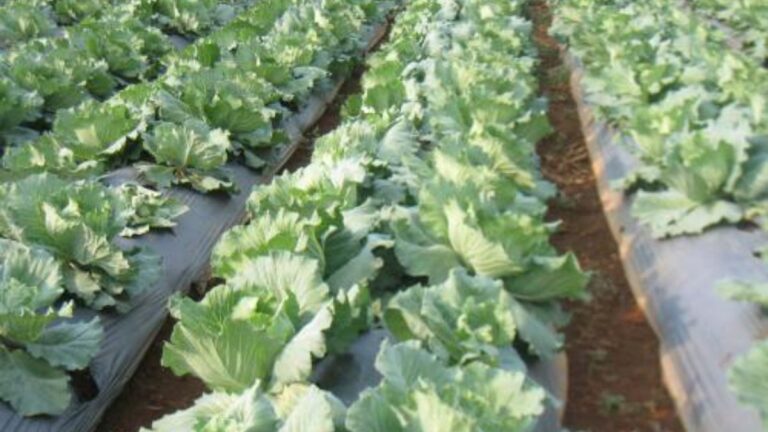
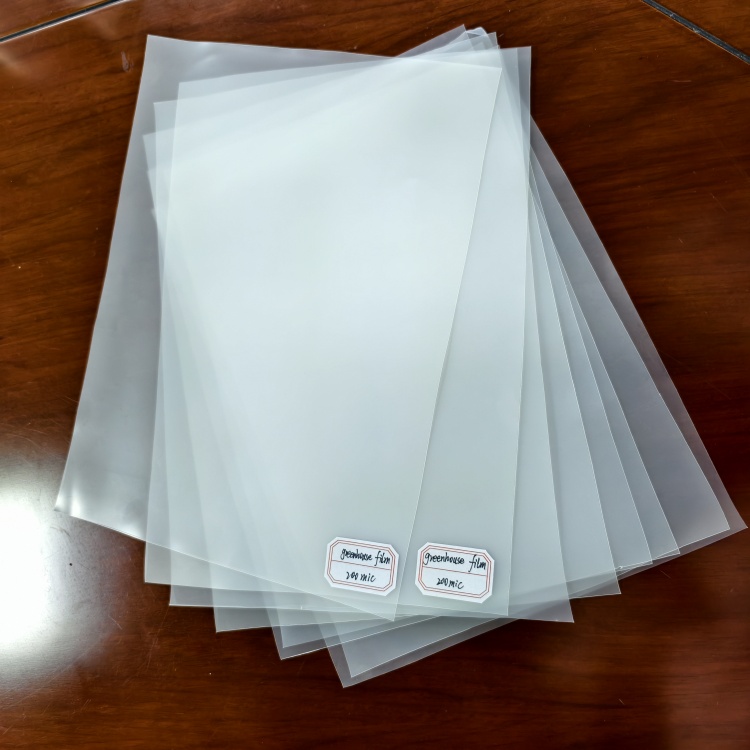
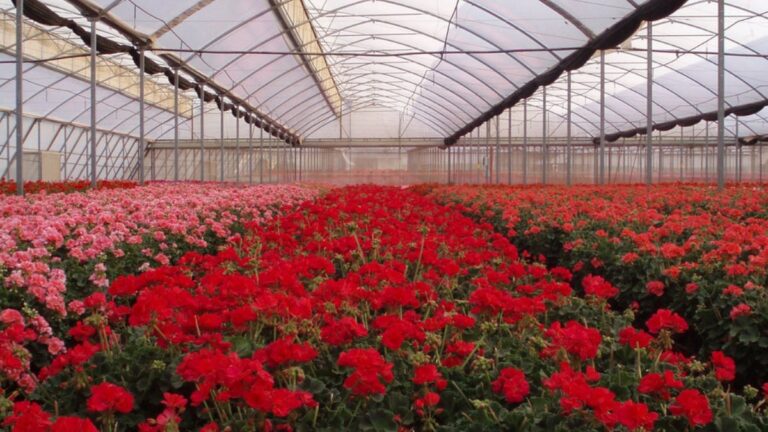
If you understand the immense value of a perfectly controlled anaerobic microclimate inside a bale, you will understand the value of controlling the aerobic microclimate over your cash crops. As a premier greenhouse film manufacturer, we utilize advanced 5-layer co-extrusion technology to produce our world-class PO greenhouse film.
Our greenhouse plastics let 95% of light inside. They also have an IR layer to trap heat at night. This film has a nano-coating to stop drips. It keeps water from falling on your crops. This stops mold from growing on your plants.
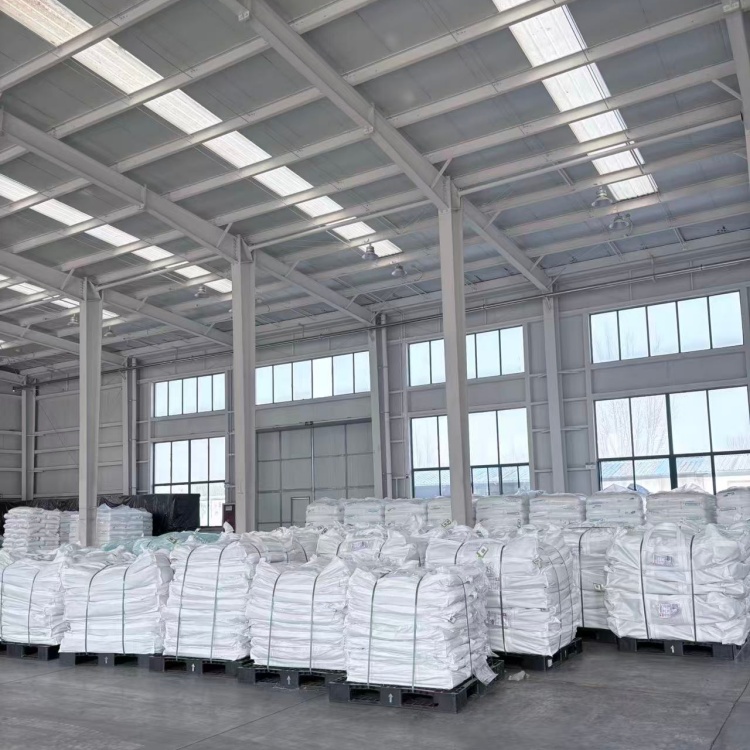
You can get all your plastics from us. We are a factory-direct source. We make silage wraps and greenhouse covers. We also make farm netting. This saves you money on shipping. We can make the film fit the weather in your area. This is easy to use for your whole farm.
Frequently Asked Questions (FAQ)
Q1: How quickly do I need to wrap my bales after cutting?
A: Speed is everything. You should aim to wrap your bales within 2 to 4 hours of baling. The longer the high-moisture forage sits in the field exposed to air, the more plant sugars are burned up through natural respiration. Fast wrapping guarantees the lactic acid bacteria have plenty of “food” remaining to execute a rapid pH drop.
Q2: Does the color of the silage wrap actually matter?
A: Yes, color dictates solar heat absorption. White or light green films reflect harsh UV rays, keeping the bale’s internal temperature cooler and more stable, which is highly recommended for warm climates. Black films absorb solar radiation and are generally only recommended for extreme cold-weather regions (like Northern Europe or Canada) where you want to prevent the bales from freezing completely solid before winter feed-out.
Q3: Why is my silage wrap tearing on the corners of my square bales?
A: Square bales are hard to wrap. The sharp corners pull hard on the plastic. Your film might tear if it only has 3 layers. You should upgrade to our 5-layer film. It is very strong and stops holes. It is perfect for shops and farms. You also need to make sure your bales are packed tight. Soft bales move around and break the plastic.
Q4: Can I order special sizes for my business?
A: Yes. We make these in our factory. We do big orders for you. We have standard widths like 250mm, 500mm, and 750mm. We can also change how thick the plastic is. This helps the film work best for your crops.
Q5: Is your silage film safe for the environment? Can I recycle it?
A: Yes. We make our film from pure LLDPE. This makes it easy to recycle. Our film does not have toxic chemicals. Many recycling programs like our plastic. People melt it down to make pipes or heavy-duty bags. It is a long-lasting choice for your farm.
Get Factory-Direct Insights & Growing Tips
Selecting the right Greenhouse Film or shade mesh is critical for crop success. As a dedicated Agricultural Netting and Film Manufacturer, our experts help you customize UV protection and light transmission based on your local climate. Share your project details for a tailored solution.
HONREL AGRICULTURE engineers films, netting, and drip pipe to your crop, climate, and structure—specs, colors, labeling, and packaging—backed by drawings and spec sheets.
Fast Response & Quick Proofing
Rapid quoting, spec-sheet/sample proofing, and practical engineering support. We align specifications and documentation quickly to keep your project timeline on track.
Consistent Quality & Traceability
UV-stabilized formulations, process QC, and lab checks for optics/mechanics—plus lot-level tracking. COA/test reports available; export packing and labeling are standardized.