How Melon and Watermelon Growers Use Silver Black Mulch Film to Improve Crop Uniformity
If your field is a mess—with half the plants stunted by the heat and the other half getting hammered by a virus—your consistency is shot. In this game, if you can’t deliver a uniform pack-out, you’re basically just watching your margins rot on the vine. You end up with a field of culls.
Let’s get straight to the point. The thing about running a commercial melon or watermelon outfit is that your buyers don’t give a damn about “average” quality. They want uniformity, plain and simple.
When a truck pulls up, they’re looking for a load where every single fruit is the same size, hits the same ripeness window, and consistently nails those high Brix numbers. If your field is a mess—with half the plants stunted by the heat and the other half getting hammered by a virus—your consistency is shot. In this game, if you can’t deliver a uniform pack-out, you’re basically just watching your margins rot on the vine. You end up with a field of culls.
Here is the direct answer and the ultimate solution to fixing your field’s uniformity: You cannot achieve a perfectly uniform harvest if your plant roots are cooking in the summer dirt and aphids are constantly attacking your vines. To solve this, commercial growers must upgrade their ground cover to an engineered silver black mulch film.
Why choose this specific plastic? Look, when you put this silver-black film down, you’re basically putting your field on lockdown.
The silver side? It’s a nightmare for aphids. These bugs use the sky to navigate, so when that silver reflects the UV light back up at them, it totally fries their “GPS.” They can’t see your plants, they can’t land, and—most importantly—they can’t dump those mosaic viruses into your crop.
The other big win is the temperature. Standard black plastic is basically a heat magnet—it just cooks your roots when the sun is blasting. But this stuff? It’s like an AC for your soil. It kicks the heat back out into the sky, so your root zone stays nice and cool even when the weather is brutal. It’s the difference between your melons thriving or just sitting there getting scorched. Less heat stress and zero viruses mean your melon vines grow at the exact same pace, giving you that perfectly uniform, high-Brix harvest.
We are the solution experts at HONREL AGRICULTURE. We don’t just sell plastic; we engineer the polymer formulas that protect commercial crops. In this guide, we are going to talk from real field experience. We will break down the verified agronomic data behind reflective mulches, explain why cheap plastics fail in the summer, and show you exactly how to boost your melon yields and sugar levels.
Table of Contents
The Core Problem: Why Melons Fail at Uniformity
To get uniform fruit, every single vine in your field needs to experience the exact same microclimate. When you plant in bare soil, you are at the mercy of nature. Weeds compete for water, the sun bakes the topsoil unevenly, and insects have a free pass to land wherever they want.
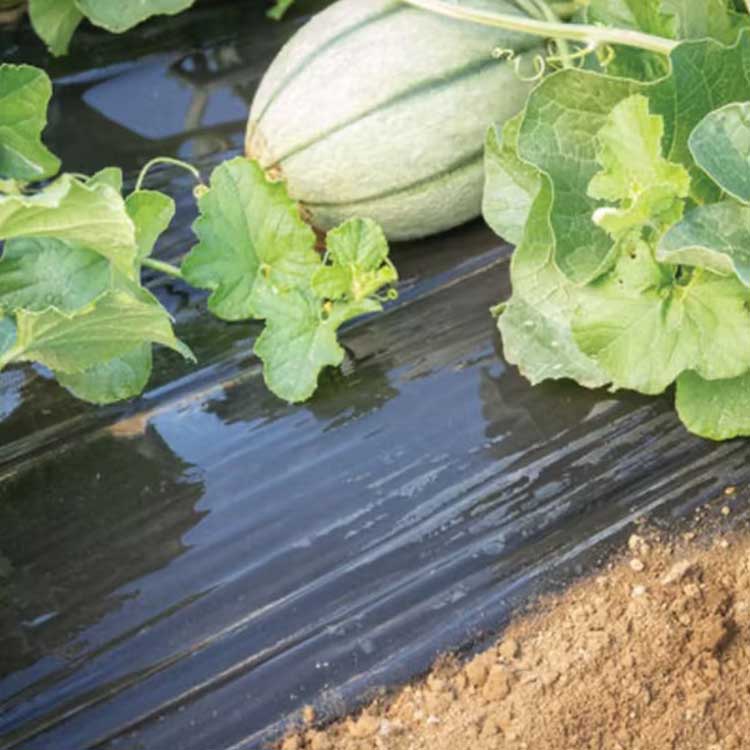
Historically, growers used standard black mulch film to kill weeds and trap moisture. Black plastic is fantastic for early spring when the soil is freezing cold and you need to push early growth. But watermelons and cantaloupes grow straight through the brutal heat of summer.
When July hits, black plastic absorbs the sun’s radiation and transfers it directly into the dirt, turning the root zone into an oven. When melon roots get too hot, the plant panics. It pulls energy away from sizing up the fruit and redirects it just to survive the day. This heat stress causes irregular fruit sizing, delayed ripening, and dropped blossoms.
The Silver Cooling Effect
This is exactly how dual-color technology solves the heat issue. Because the top layer of our film is highly reflective silver, it acts as a thermal mirror. It bounces the sun’s heat away from the earth and back into the atmosphere. Research consistently shows that soil temperatures under silver reflective mulches are significantly cooler than under black plastic during peak summer heat. By keeping the root zone in that perfect temperature range, every vine in your field continues to feed its fruit evenly. No stalled vines mean a massively uniform harvest.
Blinding the Bugs: Defeating Watermelon Mosaic Virus
If heat stress doesn’t ruin your crop uniformity, viruses certainly will. Aphids are the primary vector for Watermelon Mosaic Virus (WMV), Zucchini Yellow Mosaic Virus, and Cucumber Mosaic Virus. Once an aphid bites a melon vine and transmits a virus, that vine is stunted forever. Its fruit will be deformed, small, and completely unsellable.
If you try to fight aphids solely with chemical insecticides, you are going to lose. Why? Because the aphid transmits the virus the very second its mouthparts pierce the leaf—long before the chemical residue has time to actually kill the bug. The only way to win is to stop them from landing.
The Science of Optical Disorientation
Insects don’t see the world like we do. Aphids navigate your field by looking for the specific UV light contrast of dark soil against a green plant.
When you install our silver mulch film, you completely scramble their radar. The intense reflection of UV light from the silver surface blasts the aphids from below. It physically blinds them and disorients their flight patterns so they cannot find your plants.
Forget the dry academic papers for a second—here is the bottom line on what the research actually shows.
A big field trial by the ASHS (the heavy hitters in horticulture) put these reflective films to the test on crops like melons and squash. The results weren’t just “okay”—they were a game-changer. They confirmed that the silver surface basically locks the field down against aphids.
But here is the part that actually saves your season: it pushed back the onset of watermelon mosaic virus by a solid 3 to 6 weeks. In this business, that month of extra health is the difference between a record harvest and a total wash.
There’s also specific data on late-season cantaloupes. Usually, by that time of year, the bug pressure is through the roof. But the study showed that even when the aphids are at their absolute worst, the reflective mulch keeps the crop clean. It’s like having an insurance policy for your field right when things usually start falling apart.
Delaying a virus by 3 to 6 weeks is everything. It gives your melon vines enough time to initiate normal flowering and set fruit before the pest pressure eventually catches up. By the time the virus hits, the fruit is already uniform and sizing up.
💡 Best Practice: Keep the Silver Clean
I walk a lot of fields, and the most common mistake I see is a crew laying down beautiful reflective film, only to immediately spray muddy compost teas or heavy foliar fertilizers that drip all over the plastic.
How to fix this: The entire pest-repellent capability of this film relies on its albedo (its reflective power). If the silver surface gets covered in dried fertilizer salts, mud, or thick dust, it stops bouncing the UV light. Make sure your drip irrigation tape is buried firmly under the plastic. Avoid using overhead sprinklers, and tell your tractor operators to slow down so they don’t throw dirt onto the plastic during alleyway weed maintenance.
Pushing the Sugar: How Reflected Light Increases Brix
Uniform size is great, but watermelons and cantaloupes are judged by their sweetness. In the commercial market, sugar content is measured in degrees Brix (°Brix). If your melons don’t hit the required Brix threshold, buyers will reject the entire truckload.
Sugar is created through photosynthesis. The more light a plant gets, the more sugar it can build. But in a dense melon field, the big top leaves shade out the lower half of the plant.
When you use highly reflective silver plastic, you are providing a massive secondary light source. The silver surface bounces Photosynthetically Active Radiation (PAR) back up into the shaded underside of the plant canopy. This stimulates the entire vine to photosynthesize, pushing massive amounts of energy into the developing fruit.
The Yield and Brix Data: Field trials evaluated watermelon production across different ground covers. The watermelons grown on silver-on-black polyethylene mulch achieved the best overall growth and yield. More importantly, the fruit quality hit a massive Total Soluble Solids (TSS/Brix) of 10.43%, combined with a low acidity. That high sugar-to-acid ratio is exactly what produces the clean, pronounced sweetness that drives fresh-market demand.
Crop Performance Comparison Table
Performance Metric
Bare Soil
Standard Black Plastic
HONREL Silver Black Mulch
Weed Suppression
None
Excellent
Excellent
Root Zone Temp (Summer)
High
Extremely High (Stresses plant)
Cool / Optimal
Aphid/Virus Repellency
None
None
High (Optical Disorientation)
Canopy Light Levels
Baseline
Baseline
High (Reflects PAR light)
Crop Uniformity & Brix
Poor
Moderate
Maximum
💡 Best Practice: The “Drum-Tight” Tractor Laying Technique
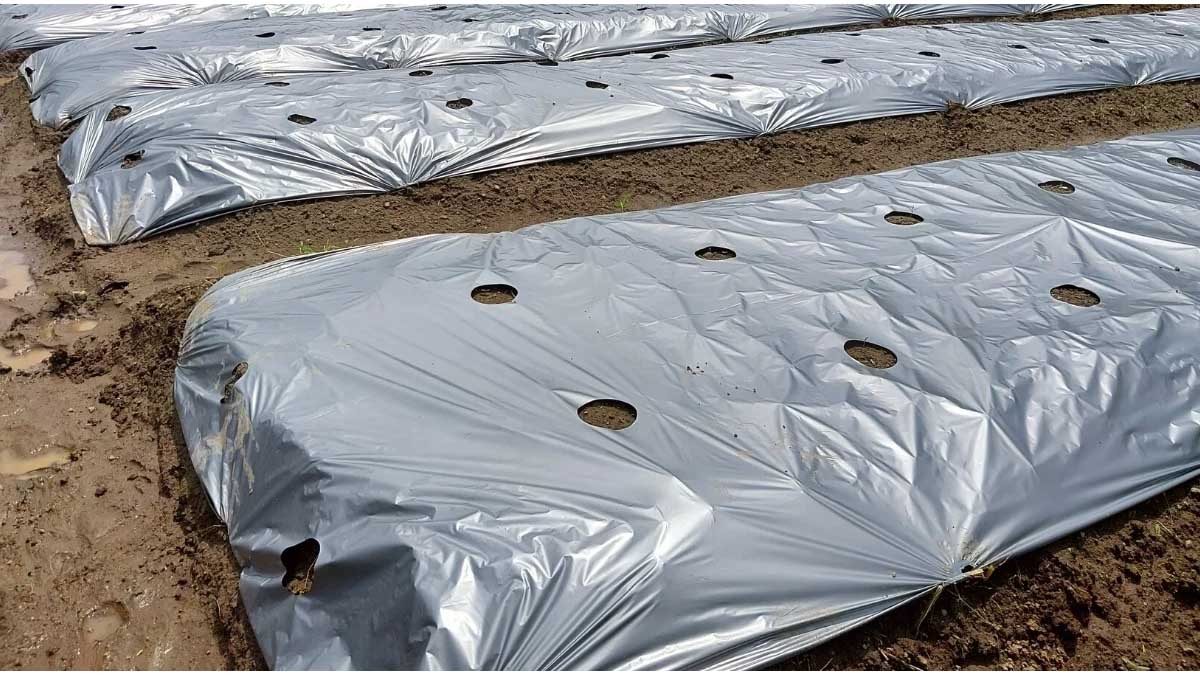
When your crew is laying this film with a tractor, mechanical tension is everything. The film must be stretched tight over the raised bed like a drum skin.
Why? A flat, tight surface reflects UV and PAR light evenly into the sky, creating a solid wall of blinding light for the bugs and growth energy for the leaves. If the plastic is laid loosely, it creates wrinkles. Wrinkles bounce light in random, useless directions, killing the aphid-repelling effect. Plus, loose plastic flaps in the wind, which will whip against the fragile stems of your young melon transplants and physically damage them. Adjust your tractor’s tension wheels carefully.
A Complete Farm Approach: Upgrading All Your Plastics
While securing your soil with reflective mulch is critical for field uniformity, modern farming often requires a holistic approach using different structures. At HONREL AGRICULTURE, we don’t just extrude mulch; we engineer the exact polymer for every stage of your farm’s cycle.
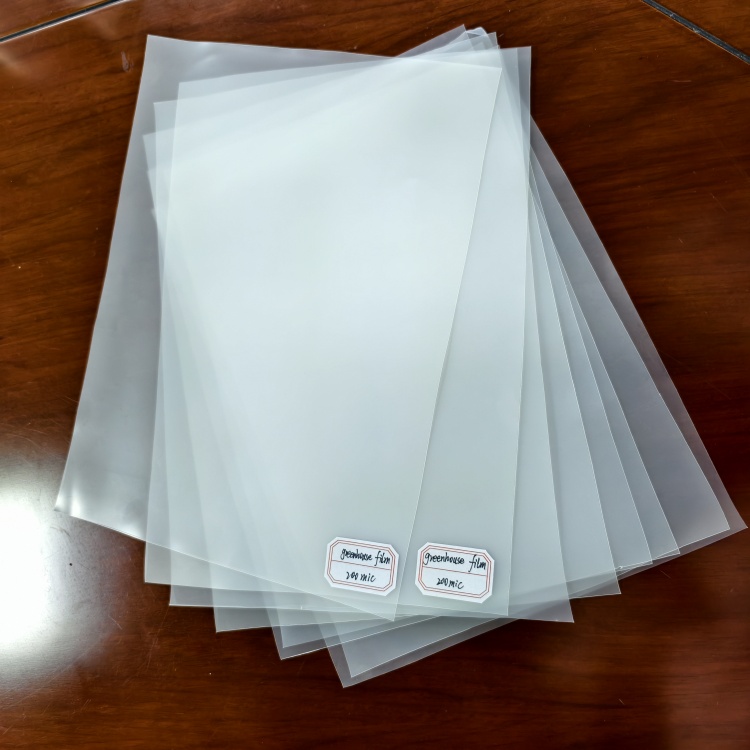
For high tunnels and early starts: If you are building protective structures to get your melons started before the last frost, you need tough roofs. We manufacture heavy-duty PE film with massive tear resistance against spring storms.
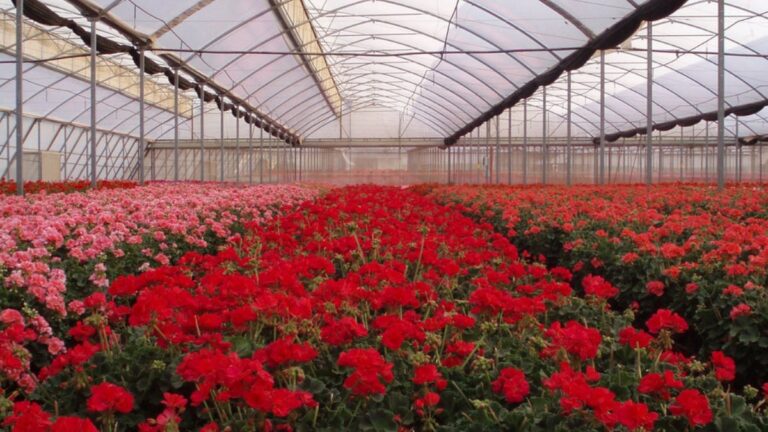
For high-tech structural greenhouses: If you are growing premium varieties indoors, standard plastic won’t cut it. Our advanced 5-layer PO film provides unmatched light transmission and permanent anti-drip coatings to stop fungal diseases.
For indoor seedling nurseries: If you are germinating your own melon plugs indoors and need to control the lighting cycles perfectly, we extrude 100% opaque black and white panda film to give you absolute blackout capabilities.
Why Source Factory-Direct from HONREL?
If you are an agricultural distributor or a farm manager overseeing hundreds of acres of melons, buying retail plastic from a local middleman is just throwing your margins away. You need a dedicated factory partner who actually understands agricultural polymers.
We manufacture our silver-black films using advanced multi-layer co-extrusion technology. This means the reflective silver layer and the opaque black weed-blocking layer are melted and fused together at the molecular level. They will never peel, flake, or separate in the field, even when the summer temperatures hit extremes.
Because we are the direct factory, we customize the film to your exact demands. We use virgin Metallocene (mPE) blends so the plastic doesn’t tear under your tractor wheels. We can extrude films from an ultra-thin 20 microns up to a heavy-duty 50+ microns if your soil is full of rocks and roots. We can even deliver bulk rolls with custom-spaced, pre-punched planting holes to save your field crew thousands of hours of manual labor.
5 Frequently Asked Questions (FAQ) for Commercial Melon Growers
Q1: Which side of the silver/black mulch goes up towards the sun?
A: This is the most critical step: The silver side must face the sky, and the black side faces the dirt. The silver side is the optical engine that reflects light to repel aphids and boost your sugar levels. The black side is the shield that blocks the sun from reaching weed seeds in the soil.
Q2: Does this mean I can finally stop spraying?
A: I wish I could tell you yes, but anyone saying this is a “magic bullet” is lying. It’s a tool, not a miracle. What it actually does is buy you time—usually 3 to 6 weeks where the bugs are too blinded to even find your seedlings.
By the time the pests figure it out, your plants are already strong enough to handle it. Most guys use this to slash their spray schedule. You’ll save a fortune on chemicals, and you won’t be breeding “super-bugs” that are immune to everything you throw at them.
Q3: Can I get a second crop out of the same plastic?
A: That’s 100% down to the thickness you buy. If you’re just doing one round of melons and ripping it up, the 20 or 25-micron stuff is your best bet—it’s cheap and it works.
But if you’re planning on “double-cropping”—like putting in fall veggies the second the watermelons are out—don’t cheap out. You need the 30 to 40-micron heavy-duty film. If you try to plant twice on thin film, it’ll just shred, and you’ll have a nightmare of plastic scraps all over your field.
Q4: Is that silver side going to fry my seedlings?
A: I get asked this a lot. People think it’s like a mirror that’ll torch the leaves, but that’s not how this film is built.
Unlike that shiny Mylar stuff that creates “hot spots,” our film scatters the light. It’s a soft, even reflection that hits the underside of the leaves. It actually helps with growth because the plant gets more light for photosynthesis, but it’s not going to “cook” them. It’s totally safe, even for the tender stuff.
Q5: What is the Minimum Order Quantity (MOQ) if I want to buy factory-direct?
A: Because we run massive industrial extrusion lines, our MOQ is generally based on raw tonnage (usually 1 to 2 Tons, depending on your custom width and thickness requirements). Consolidating your seasonal plastic needs and buying in bulk directly from our factory guarantees you the absolute best wholesale pricing you’ll find on the global market.
Conclusion: Stop Guessing and Start Controlling Your Crop
Farming melons is always going to be a bit of a gamble, but relying on bare dirt or the wrong color plastic is just asking for a chaotic, uneven harvest. You can’t afford to have your vines stall out from heat stress or get wiped out by mosaic viruses right before the fruit sets.
By upgrading to HONREL’s reflective dual-color film, you put the odds back in your favor. You blind the disease-carrying aphids, you keep your root zones in the optimal temperature range during the brutal summer heat, and you push your sugar levels up by utilizing the free power of reflected sunlight. It is the smartest way to guarantee a uniform crop.
Ready to get your crops uniform and maximize your harvest value? Partner with HONREL AGRICULTURE today. Reach out to our sales team for a custom B2B wholesale quote, and let’s get the right polymer solutions onto your farm.
Get Factory-Direct Insights & Growing Tips
Selecting the right Greenhouse Film or shade mesh is critical for crop success. As a dedicated Agricultural Netting and Film Manufacturer, our experts help you customize UV protection and light transmission based on your local climate. Share your project details for a tailored solution.
HONREL AGRICULTURE engineers films, netting, and drip pipe to your crop, climate, and structure—specs, colors, labeling, and packaging—backed by drawings and spec sheets.
Fast Response & Quick Proofing
Rapid quoting, spec-sheet/sample proofing, and practical engineering support. We align specifications and documentation quickly to keep your project timeline on track.
Consistent Quality & Traceability
UV-stabilized formulations, process QC, and lab checks for optics/mechanics—plus lot-level tracking. COA/test reports available; export packing and labeling are standardized.