Construction projects need PE film that can handle rain exposure, dust, rough surfaces, wind, and repeated site movement. A heavy-duty roll should be specified by contact risk, fixing method, width, thickness, tear behavior, roll weight, and site storage conditions.
Table of Contents
Heavy-Duty Means Contact Resistance, Not Just A Thick Number
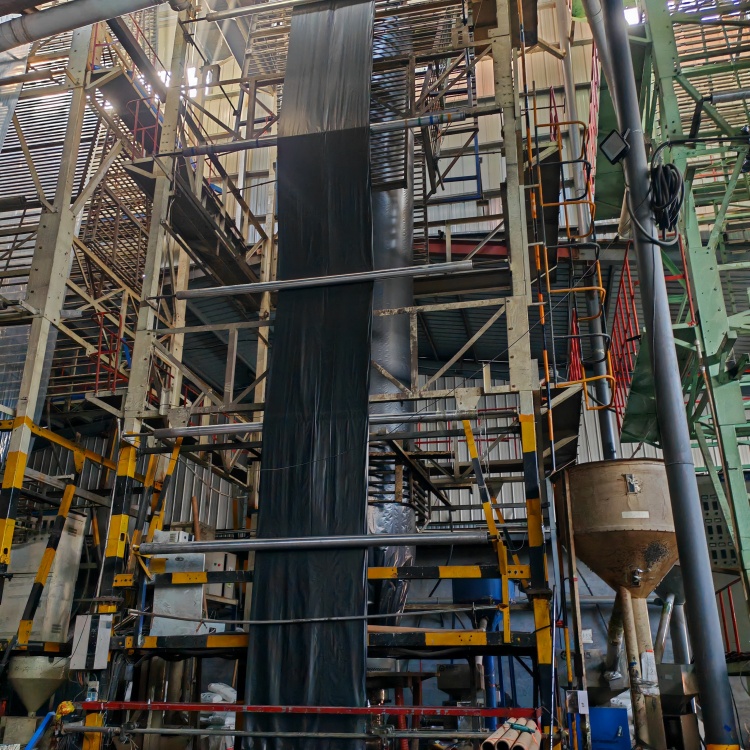
Construction PE film is usually judged under rougher conditions than packaging film. It may cover lumber, concrete panels, equipment, flooring, scaffolding materials, or unfinished surfaces. The film can be pulled across edges, fixed with tape or weights, exposed to wind, and moved by workers who are focused on the job, not on protecting a roll. This is where agricultural PE film manufacturer production discipline becomes useful: stable thickness, clean winding, and predictable handling matter.
A higher thickness can improve durability, but thickness alone does not define heavy-duty performance. Tear propagation, puncture resistance, edge quality, roll winding, and polymer softness also affect field use. A very stiff film may resist puncture but be hard to unfold. A very soft film may drape well but tear too easily around corners.
Weather Protection Has Several Levels
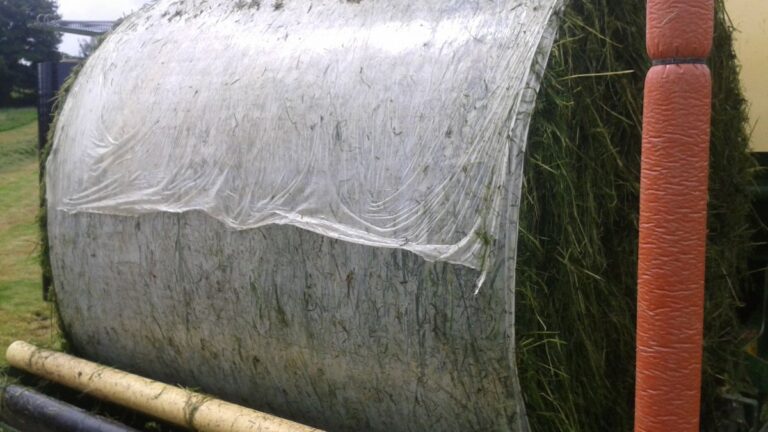
Weather protection can mean short rain cover, overnight protection, dust separation, moisture barrier under stacked goods, or temporary enclosure. Each level needs a different specification. Outdoor use also raises UV exposure questions. If the film only covers material for a few days, the requirement is not the same as a cover used through a long project stage.
Site use
Main technical requirement
short-term rain cover
water resistance and fast deployment
material stack cover
puncture resistance and width
floor protection
abrasion and tear behavior
temporary enclosure
wind fixing, overlap, and UV exposure
warehouse dust cover
clean roll surface and easy cutting
The site method should be written into the specification. “Cover for outdoor palletized panels” is more useful than “waterproof PE film.” The first phrase tells the factory what kind of stress the film will face.
Bulk Roll Design For Job-Site Handling
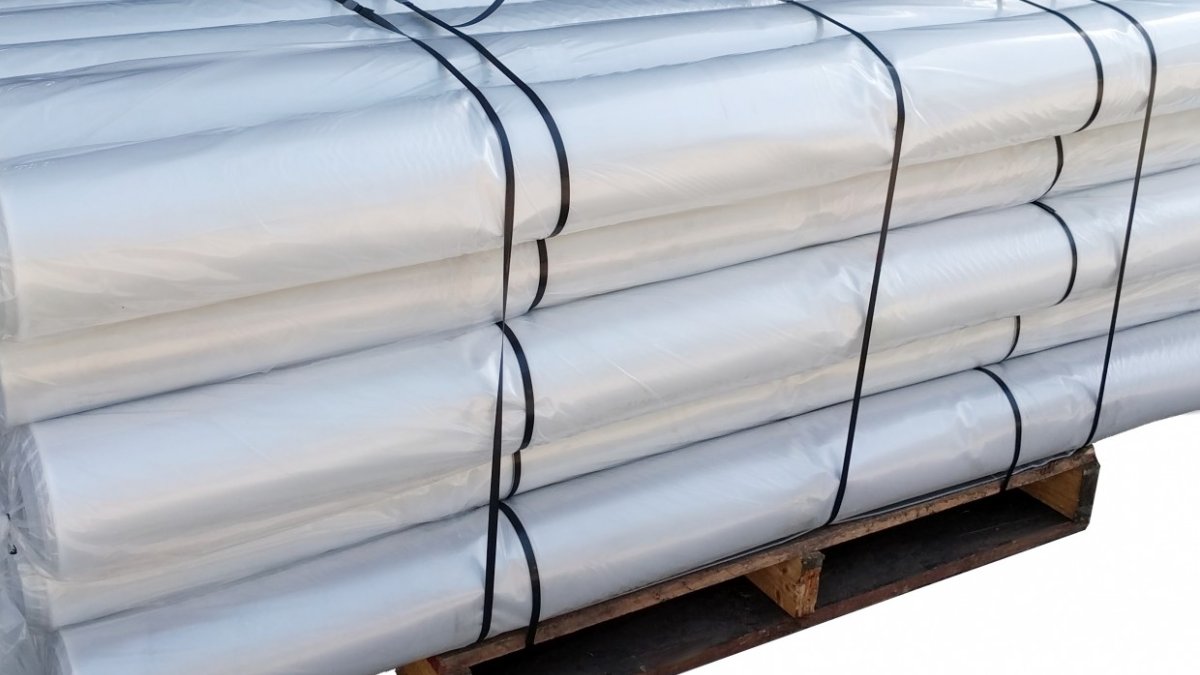
A construction roll must be large enough to reduce joins, but not so heavy that the crew fights it. Roll weight, core size, roll diameter, and winding tension influence how the film moves on site. If rolls are stored outdoors before use, packing must protect edges from water, dirt, and compression.
Choose width according to the covered area and overlap requirement.
Set roll weight around actual handling equipment and crew size.
Use clear labels when several thicknesses or colors are delivered together.
Protect roll edges because edge damage often starts the first tear.
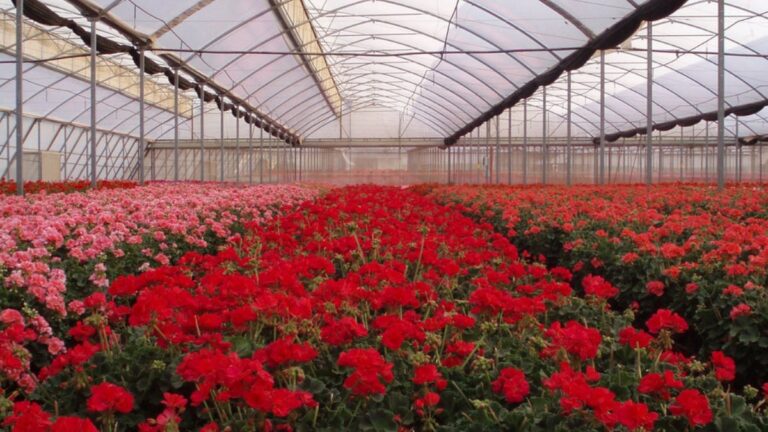
If the same project group also uses PE greenhouse film or greenhouse film materials for agricultural structures, construction film should remain a separate specification because additive priorities are different.
Technical Supply From HONREL AGRICULTURE
HONREL AGRICULTURE can produce PE film in custom widths, thicknesses, colors, roll lengths, roll weights, and packing formats for construction protection. Export projects often need product codes, pallet labels, and loading plans that make warehouse distribution easy.
For multi-product programs, film categories can be coordinated through greenhouse films wholesale, while the construction PE film keeps its own inspection standard. That separation prevents a common mistake: using a cover designed for one environment in a completely different job-site condition.
Site Storage And Roll Damage Control
Construction rolls are often stored near the work area before they are used. That creates a second technical problem: the roll must survive storage before it protects anything else. Edge crush, dirty outer layers, water entering the pallet, and rough forklift handling can waste film before installation starts. Packing should be selected according to site reality, not only transport cost.
For long projects, rolls may be delivered in batches. Product codes and labels should be readable even after outdoor storage. If several thicknesses or colors are delivered to the same project, the label system should prevent crews from taking the wrong roll to the wrong area.
Risk before use
Control method
crushed roll edge
strong pallet and edge protection
dirty outer wrap
sealed outer packing
wrong roll opened
large product code and color label
water-damaged pallet
raised storage and covered staging area
Technical Check Before Production
Before production starts, the specification should be checked against real use rather than a generic product name. This final review keeps the roll format, material behavior, and field or site installation method aligned. It also creates a cleaner record for repeat production, quality review, and future specification adjustment.
FAQ
Q1: What makes PE film heavy-duty for construction use?
A: Heavy-duty performance comes from thickness, tear resistance, puncture resistance, edge quality, winding stability, and suitability for site handling.
Q2: Can PE film protect materials from rain?
A: Yes. PE film can provide temporary water-resistant protection, but overlaps, punctures, fixing method, and wind exposure decide real performance.
Q3: What roll size is best for construction sites?
A: The best roll size depends on covered area, crew handling, equipment, storage space, and how many seams the site can accept.
Q4: Is construction PE film the same as greenhouse PE film?
A: No. Greenhouse film usually needs crop and UV-related additives, while construction film focuses on protection, handling, and weather exposure.
Q5: What should be included in a construction PE film specification?
A: Include application, width, thickness, roll length, color, roll weight, core size, packing, label, UV exposure, and delivery schedule.
Get Factory-Direct Insights & Growing Tips
Selecting the right Greenhouse Film or shade mesh is critical for crop success. As a dedicated Agricultural Netting and Film Manufacturer, our experts help you customize UV protection and light transmission based on your local climate. Share your project details for a tailored solution.
HONREL AGRICULTURE engineers films, netting, and drip pipe to your crop, climate, and structure—specs, colors, labeling, and packaging—backed by drawings and spec sheets.
Fast Response & Quick Proofing
Rapid quoting, spec-sheet/sample proofing, and practical engineering support. We align specifications and documentation quickly to keep your project timeline on track.
Consistent Quality & Traceability
UV-stabilized formulations, process QC, and lab checks for optics/mechanics—plus lot-level tracking. COA/test reports available; export packing and labeling are standardized.