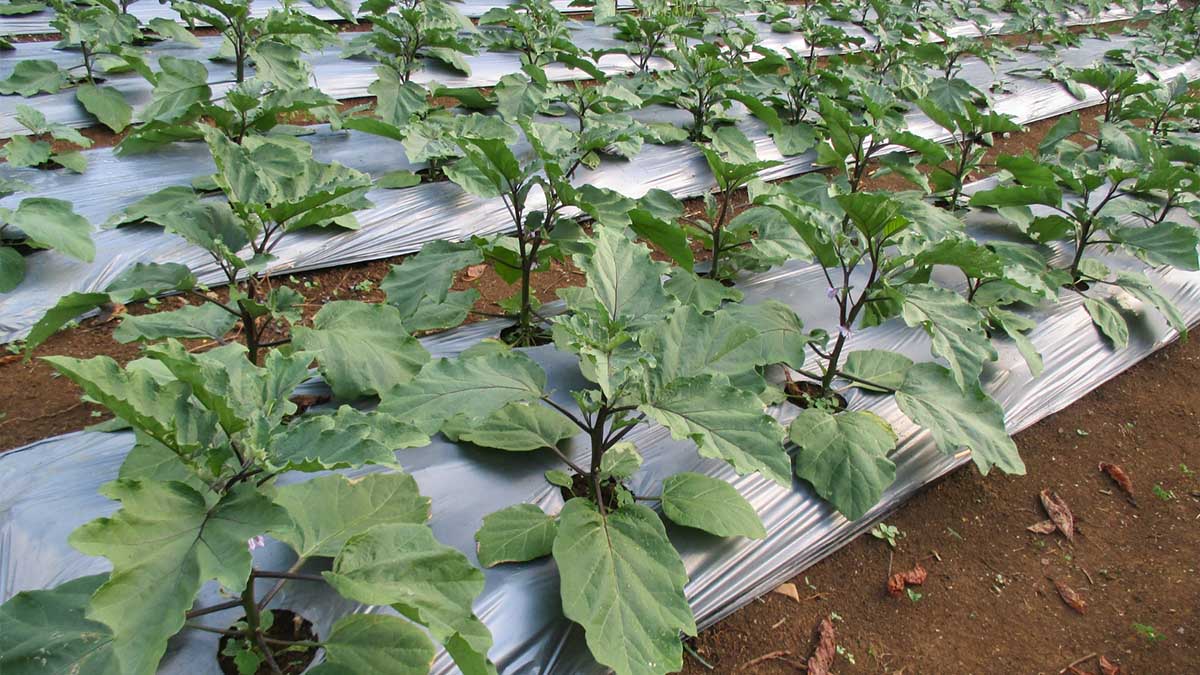
Let’s be completely honest about commercial eggplant farming: it is a marathon, not a quick sprint. Unlike fast-turn leafy greens, eggplants sit in your field for months. By the time mid-summer hits, those delicate little transplants have turned into massive, heavy, woody bushes. And this is exactly when the nightmare starts for farm managers. The combination of intense UV radiation, heavy summer winds, and the physical friction of thick woody stems rubbing against the plastic causes standard, low-grade ground covers to split, tear, and completely break down long before the final harvest.
Once your plastic breaks, your field is in serious trouble. Weeds explode through the tears, soil moisture evaporates into the hot summer air, and your yields drop off a cliff.
Here is the direct answer and the ultimate solution to avoiding mid-season film breakage: To guarantee your ground cover survives the entire long eggplant season, you must stop buying cheap, recycled plastics and upgrade to a high-tensile, metallocene-reinforced black mulch film.
By utilizing Metallocene Linear Low-Density Polyethylene (mLLDPE) packed with premium UV stabilizers, the film acts like an elastic rubber band. When the woody eggplant stem rubs against it, or the wind catches the edge, the plastic stretches and absorbs the kinetic energy instead of shattering. This ensures 100% continuous weed control and optimal Root Zone Temperature (RZT) from early spring transplanting all the way to your final autumn pick. The benefit? A proven 17% to 35% higher total yield compared to degraded fields.
As a Solution Specialist at HONREL AGRICULTURE, I consult with massive commercial vegetable operations every single day. We don’t just sell plastic rolls; we engineer the polymer chemistry required to keep your farm profitable. In this guide, we are going to look at the exact agronomic data behind why torn plastic ruins eggplant yields, dive into the mechanics of metallocene extrusion, and show you the best practices for getting maximum ROI out of your fields.
Table of Contents
The True Cost of Torn Plastic in Eggplant Farming
When your plastic tears in July, it isn’t just an aesthetic annoyance—it actively destroys your profit margin. Eggplants are heavy feeders that require absolute consistency in soil moisture and temperature to produce high-quality, glossy fruits.
The Root Zone Temperature (RZT) Crisis
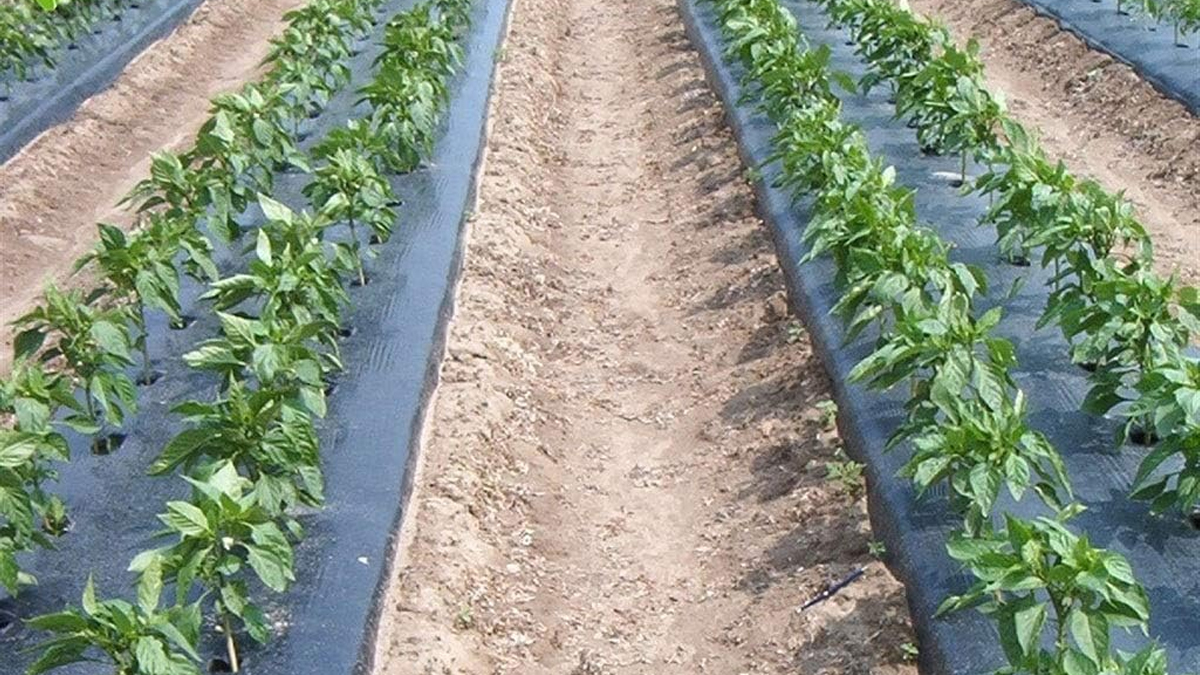
The primary reason commercial growers use black plastic is to warm the soil early in the season and create a stable microclimate.
A highly specific 2023 study published by Maximum Academic Press evaluated how the physical degradation and tearing of plastic mulch directly affects eggplants. The researchers found that as the plastic film degraded and tore during the season, it completely lost its ability to regulate the Root Zone Temperature (RZT). This loss of climate control had a direct, negative correlation with the early and total fruit yield of the eggplants. When your plastic rips, the soil temperature fluctuates wildly with the ambient air, causing the plant to stress and drop its blossoms.
The Yield Power of Intact Black Plastic
Conversely, when your plastic stays intact, the yield benefits are staggering. A recent 2025 field experiment published in Frontiers in Plant Science compared eggplant productivity across different mulching materials.
The Findings: The study proved that intact black polyethylene mulch maintained the highest soil temperature and water content throughout the entire reproductive period.
The Yield Result: The eggplants grown on black plastic achieved the maximum fruit set (43.57%) and resulted in a 17% to 35% higher total yield compared to white film, compost mulches, or bare soil.
If your plastic tears mid-season, you instantly forfeit that 35% yield advantage. Durable plastic is not an operational expense; it is yield insurance.
Why Cheap Plastics Fail: The Mechanics of Breakage
When your plastic shreds, it is easy to blame the tractor operator or the wind. But the truth is, the failure was baked into the plastic on the factory floor.
1. UV Photo-Oxidation (Sun-Baking)
The summer sun is relentless. Ultraviolet (UV) radiation attacks the molecular bonds of standard plastic. If a manufacturer uses cheap resins without adequate Hindered Amine Light Stabilizers (HALS), the plastic undergoes “chain scission.” It loses its elasticity, dries out, and becomes incredibly brittle. By August, it flakes apart like dry leaves.
2. Poor Tear Propagation Resistance
Eggplant stems get thick, woody, and rough. When the wind blows, the heavy eggplant bush sways, and that woody stem acts like a saw blade rubbing against the edge of the planting hole. Standard Low-Density Polyethylene (LDPE) has terrible “tear propagation resistance.” This means once a tiny microscopic rip starts at the stem hole, the material has no structural integrity to stop it. The next strong gust of wind will catch that tiny rip and “unzip” the plastic straight down the entire 100-foot row.
💡 Best Practice: The “Melted Edge” Hole Punching Technique
Even with the toughest plastic, how you create the planting hole for your eggplants matters immensely.
How to do it properly: Many farm crews use cold mechanical blades or knives to slash an “X” into the plastic for the transplant. This leaves sharp, microscopic cuts at the corners of the plastic. When the woody eggplant stem rubs against those sharp cuts, it initiates a tear.Instead, professional crews use heated hole punchers (like a propane-heated cylinder). The heat instantly melts the plastic into a perfect circle. This melted edge creates a reinforced, thickened ring of plastic around the hole that is practically impossible for the eggplant stem to tear, completely eliminating the “zippering” effect mid-season.
The HONREL Engineering Solution: Metallocene Technology
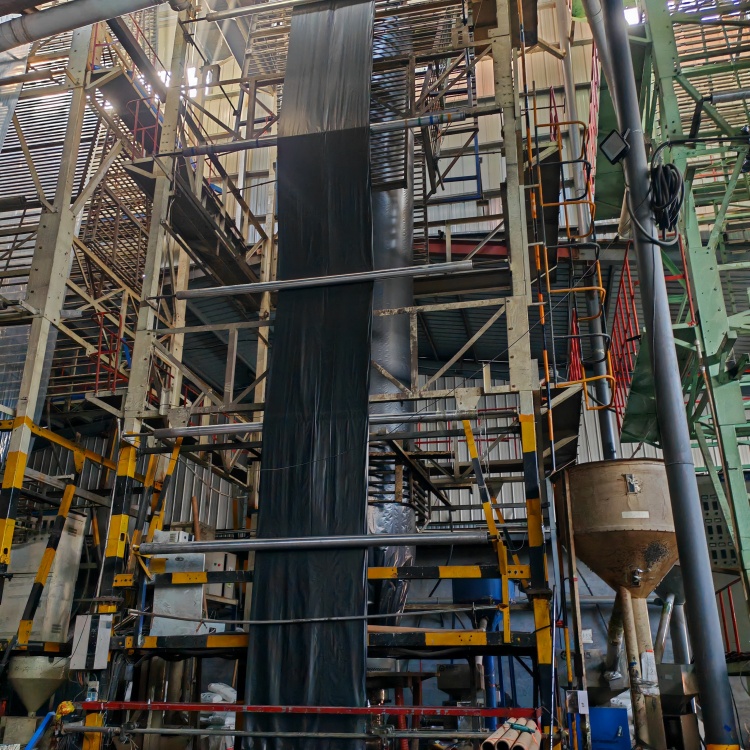
To guarantee that your general mulch film survives a heavy, 6-month commercial eggplant season, we had to upgrade the fundamental chemistry of the polymer. At HONREL, we do not rely on basic, recycled scrap.
The Power of mLLDPE
We utilize a virgin co-extruded core containing Metallocene Linear Low-Density Polyethylene (mLLDPE). Metallocene catalysis allows us to exert precise control over the polymer structure.
What does this mean for your farm? It means the plastic acts like an industrial rubber band.
A peer-reviewed study published by MDPI tested the mechanical properties of mLLDPE agricultural mulch films. The test results proved that these specific metallocene films achieved a massive elongation at break, stretching incredibly far before failing (over 1200% stretch). Furthermore, the tear resistance in the transverse direction (TD) was remarkably high.
When your heavy eggplant bushes lean on our metallocene film, the plastic simply stretches and absorbs the kinetic impact. It does not snap, and it does not tear.
Material Performance Comparison Table
Performance Metric
Standard Cheap LDPE Film
HONREL mLLDPE Film
Tear Propagation Resistance
Low (Zippers easily)
High (Stops tears locally)
UV Lifespan
3 – 4 Months (Becomes brittle)
8+ Months (HALS Stabilized)
Elongation at Break
~550% (Snaps under wind)
>1200% (Rubber-band stretch)
End-of-Season Retrieval
Poor (Shreds in the dirt)
Excellent (Pulls up cleanly)
💡 Best Practice: The “Drum-Tight” Tractor Laying Method
A tough film is useless if it is installed sloppily. When laying plastic for long-season crops like eggplants, your bed shaper must create a perfectly smooth, crowned bed (slightly higher in the center to shed rainwater).
The Execution: Adjust the tension rollers on your mulch laying machine so the plastic is pulled drum-tight over the soil. The edges must be deeply secured with a generous amount of soil by the burial discs. A tight film prevents the wind from catching it like a parachute, stops the plastic from whipping against the fragile young transplants, and transfers solar heat perfectly into the soil via direct conduction.
A Complete Farm Approach: Upgrading All Your Plastics
While securing the ground with tough, metallocene-reinforced plastic is critical for your field eggplants, modern commercial operations require complete environmental control from seed to harvest. As a direct factory, we manufacture the exact polymer solutions for every stage of your crop’s life.
For Extreme Desert Climates: If you are farming eggplants in scorching desert environments where the summer heat exceeds 100°F (38°C), standard black plastic might actually make the soil too hot. In these specific regions, we advise growers to switch to a highly reflective silver black mulch film. The silver top bounces the thermal heat away, keeping the roots in the optimal zone while actively blinding the thrips and aphids that spread viruses.
For Indoor Seedling Nurseries: You cannot grow a uniform eggplant field without healthy, vigorous transplants. If you start your own plugs indoors and need to manage lighting cycles to prevent leggy seedlings, we manufacture heavy-duty, 100% opaque black and white panda film for absolute light-deprivation and high interior wall reflection.
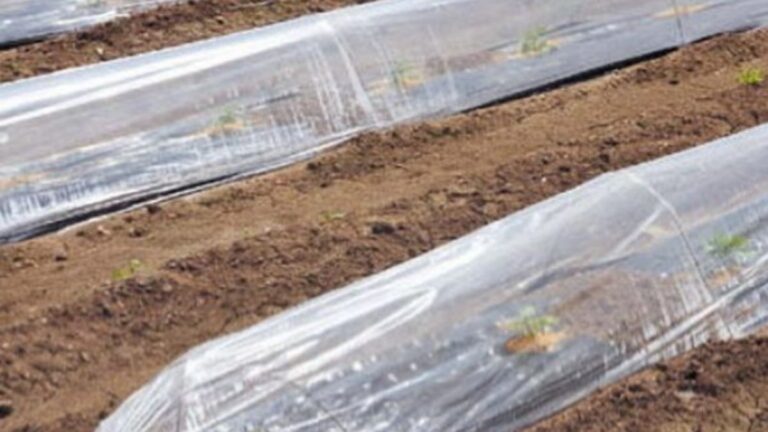
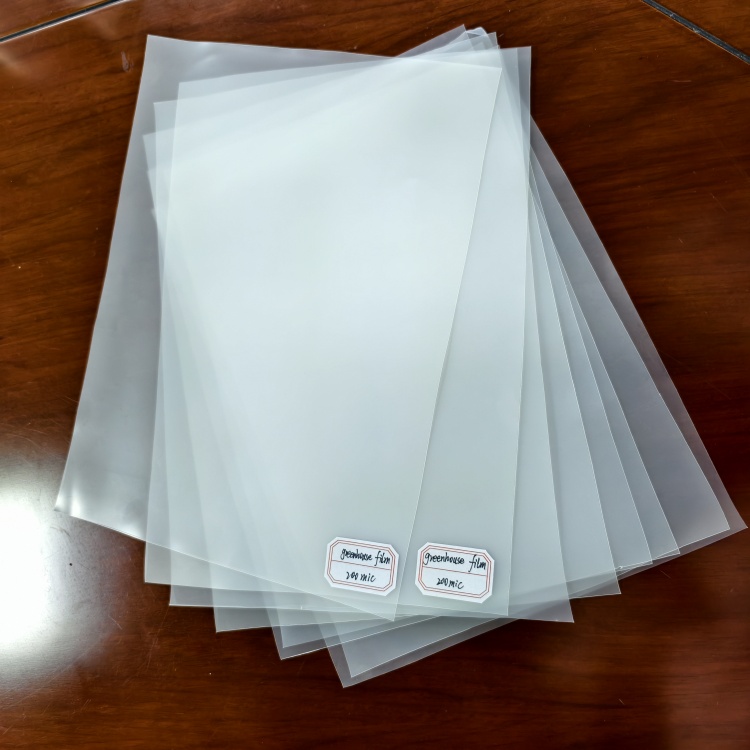
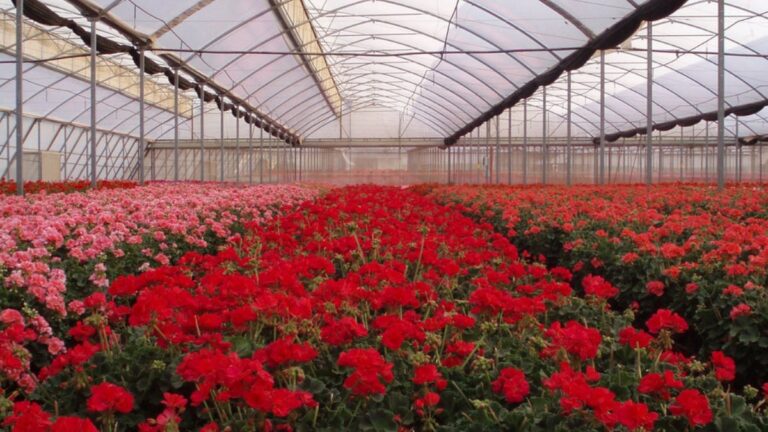
For High Tunnel Protection: Eggplants are highly susceptible to fungal blights if exposed to constant heavy rain. If you grow under high tunnels to extend your season and protect crop quality, upgrading your roof to our advanced 5-layer PO film or our high-tensile PE film provides unmatched light transmission and permanent anti-drip coatings to keep your eggplants perfectly dry.
5 Frequently Asked Questions (FAQ) for Eggplant Growers
Q1: How thick should my black mulch film be for a full eggplant season?
A: Eggplants are a long-season, heavy crop. We do not recommend ultra-thin 0.6 mil (15 micron) films, as the woody stems will stress it over 5 to 6 months. For commercial eggplants, you should request a 1.0 to 1.2 mil (25 to 30 micron) film utilizing a metallocene blend to ensure it survives the wind, the stems, and the mechanical retrieval at the end of the year.
Q2: Is this black plastic going to cook my eggplant stems?
A: What this mulch actually does is buy you time. By blinding the pests during those first 3 to 6 weeks when your plants are most vulnerable, it keeps the population from exploding. Most growers use it to slash their spray schedule. You’ll save a fortune on chemicals, sure, but the real win is that you aren’t breeding “super-bugs” that become immune to every insecticide you’ve got. It’s about keeping the pressure low so you can actually manage the field without breaking the bank.
Q3: How does this change my watering?
A: Since this stuff is basically a lid on your soil, you’ve got to run drip tape underneath it when you’re laying it down. You can’t top-water this.
The upside? It’s a massive water saver. It stops all that evaporation, so your roots stay consistently damp without you having to run the pumps 24/7. For eggplants, that steady moisture is the secret to keeping the fruit from coming out all deformed and “funky” looking.
Q4: What’s the real deal with LDPE vs. mLLDPE?
A: Think of standard LDPE as the “budget” option. It’s cheap, but it’s brittle. If you stretch it too hard or hit a rock, it’s going to snap or tear.
The mLLDPE (metallocene) is a different beast. We use a high-end catalyst to make the molecular chains way more organized. What that actually means for you in the field is that it’s incredibly stretchy and tough as nails. You can run it through the tractor faster, and it won’t puncture or shred the second things get a little rough.
Q5: What’s the MOQ for buying direct?
A: We’re running massive industrial lines here, so we don’t sell this stuff by the roll. We talk in tonnage. Generally, you’re looking at an MOQ of 1 or 2 tons, depending on how wide or thick you need the film.
It’s a bigger order, but that’s the trade-off for cutting out the middleman. If you’re looking to get the actual factory price and protect your margins, buying in bulk is the only way to do it.
Conclusion: Stop Tearing and Start Harvesting
In commercial eggplant farming, you are investing 5 to 6 months of water, fertilizer, and labor into your field. If you gamble that investment on cheap, brittle plastic that shatters in August, you are going to lose the microclimate, lose the weed battle, and lose a massive percentage of your marketable yield.
By upgrading to HONREL’s metallocene-reinforced, heavily UV-stabilized polyethylene films, you eliminate the mid-season breakage crisis entirely. You lock in the heat, you smother the weeds, and you secure the scientifically proven 35% yield increase that intact plastic provides.
Ready to stop replacing torn plastic and start maximizing your harvest weight? Partner with HONREL AGRICULTURE today. Contact our sales and engineering team for a custom B2B wholesale quote, and let us supply the heavy-duty polymer solutions your commercial operation demands.
Get Factory-Direct Insights & Growing Tips
Selecting the right Greenhouse Film or shade mesh is critical for crop success. As a dedicated Agricultural Netting and Film Manufacturer, our experts help you customize UV protection and light transmission based on your local climate. Share your project details for a tailored solution.
HONREL AGRICULTURE engineers films, netting, and drip pipe to your crop, climate, and structure—specs, colors, labeling, and packaging—backed by drawings and spec sheets.
Fast Response & Quick Proofing
Rapid quoting, spec-sheet/sample proofing, and practical engineering support. We align specifications and documentation quickly to keep your project timeline on track.
Consistent Quality & Traceability
UV-stabilized formulations, process QC, and lab checks for optics/mechanics—plus lot-level tracking. COA/test reports available; export packing and labeling are standardized.