Let’s be real for a second. If you’re managing a commercial pepper farm—whether you’ve got hundreds of acres of bell peppers, jalapeños, or specialty chilies—you already know what your biggest headache is. It’s not the rain, and it’s not the fertilizer costs. It’s the bugs.
Pests like aphids, thrips, and whiteflies are relentless. They don’t just chew on your leaves; they’re basically flying dirty needles. They spread nasty viruses like TSWV and CMV across your entire field in a matter of days. For decades, the “old school” response was to just load up the sprayers and hit the crops with heavy, expensive chemicals. But what happens when the bugs build up a resistance? Or when those chemical bills start eating your lunch?
Here’s the straight answer: You don’t need to spray more. You just need to change the color of your plastic.
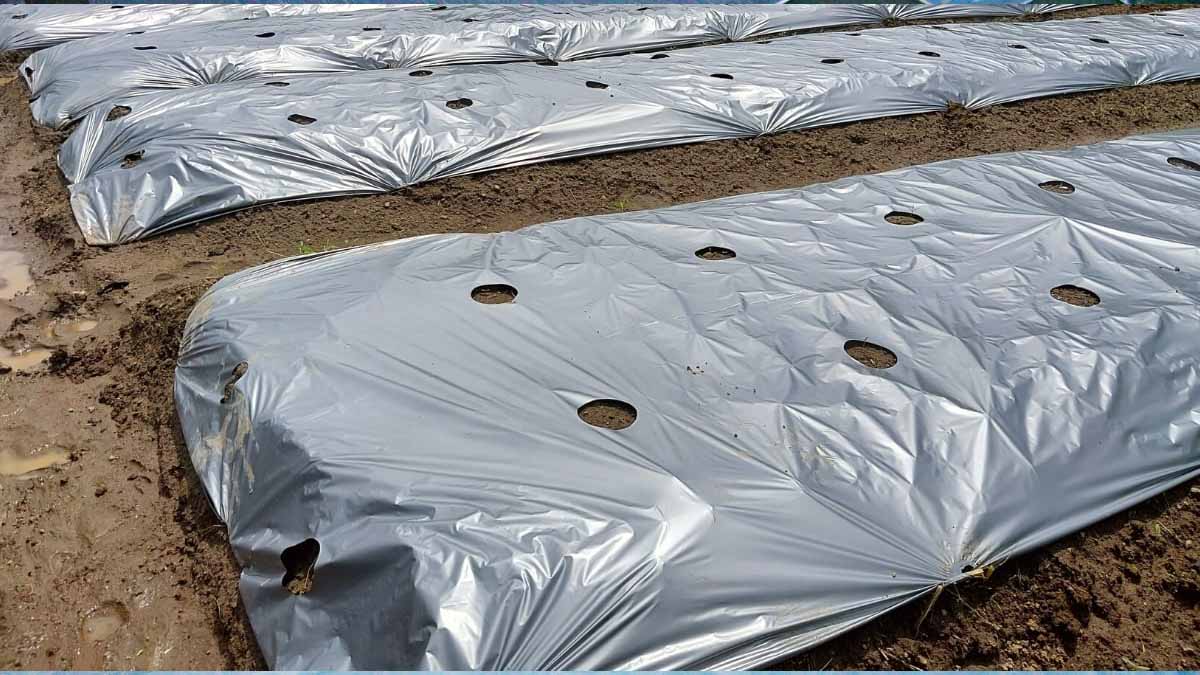
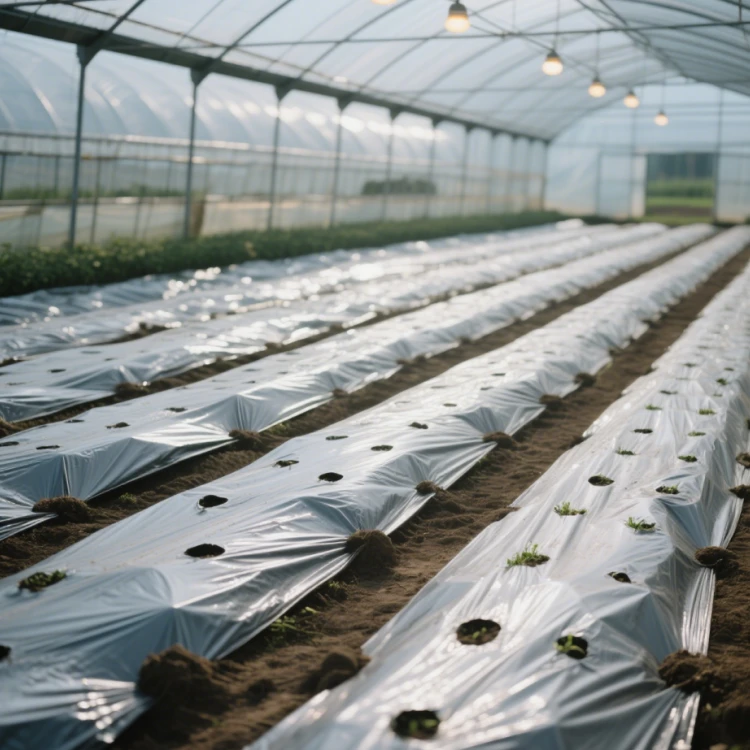
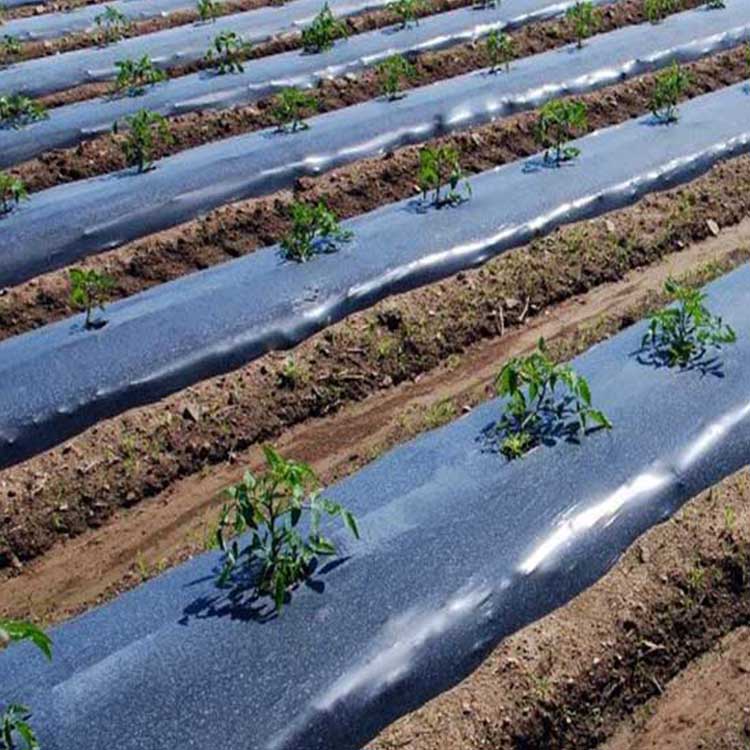
By swapping out your standard black mulch for silver black film, you’re putting up a high-tech pest barrier right at the soil level.
It sounds too simple, but it’s all about the optics. The bright silver side faces up and acts like a massive mirror, bouncing intense UV light back into the air. See, flying insects rely on seeing dark soil against green leaves to know where to land. When you blast them from below with that reflected light, it completely blinds and disorients them. They can’t “see” your peppers, so they just move on to someone else’s field. It’s passive, it’s effective, and it’s a hell of a lot cheaper than another round of insecticide. They literally can’t figure out how to land on your peppers. While the top reflects light, the black underside blocks the sun to kill weeds. Plus, that extra light bouncing up into your plant canopy usually bumps your overall yield by about 20%.
I spend a lot of time walking fields and talking with commercial vegetable growers. At HONREL AGRICULTURE, we engineer the polymer formulas that help these guys protect their crops and boost their margins. In this guide, I’m going to break down the actual science behind optical pest disorientation, look at the hard yield data, and show you exactly why switching to reflective mulch is one of the smartest investments you can make for your farm this season.
The Science of Blinding Bugs: How Optical Disorientation Works
To understand why our silver film is so effective, you have to stop looking at your field like a human and start looking at it like a bug. Pests like the western flower thrip and the green peach aphid don’t have great eyesight. They navigate your fields by looking for very specific UV light contrasts.
When you plant in bare dirt, straw, or standard dark plastics, the insect flying overhead sees a nice, inviting dark background with a bright green pepper plant sticking out. It’s a perfect landing pad. But when you cover the beds with highly reflective silver mulch, you completely scramble their radar.
The Proof Is in the Field Data
Does blinding bugs actually work on a commercial scale? Absolutely. The University of California Statewide Integrated Pest Management Program (UC IPM) has repeatedly confirmed that reflective mulches either severely delay or completely prevent flying insects from infesting plants. The reflected ultraviolet light just confuses them too much.
In fact, the UC IPM researchers noted that for crops highly sensitive to viruses (like peppers and tomatoes), the slightly higher cost of reflective mulch is heavily justified. Why? Because the mulch is often significantly more effective than insecticides at preventing pathogen infection. Think about it: when an insect lands on a pesticide-treated plant, it often still has time to take a bite and transmit a virus before the chemical actually kills it. The only foolproof strategy is to keep them from landing in the first place.
If you need hard numbers, researchers from the American Society for Horticultural Science (ASHS) did a massive trial on this. They found that using aluminum/silver-painted mulch reduced the numbers of western flower thrips by a staggering 60% in pepper crops. By making this film a core part of your Integrated Pest Management (IPM) strategy, you can drastically reduce how often you have to run your spray tractors.
💡 Best Practice: Keep It Clean, Keep It Reflective
I see this mistake all the time. A crew lays down beautiful reflective film, and then the next day they spray heavy foliar fertilizers or muddy compost teas that drip all over the plastic.
How to fix this: The whole reason this film works is its albedo (its reflective power). If that silver surface gets covered in dried fertilizer salts, mud, or thick dust, it stops bouncing the UV light. Make sure your drip irrigation tape is buried firmly under the plastic. Avoid using overhead sprinklers, and hold off on messy foliar sprays when the plants are young. You want to keep that silver surface pristine during the first 4 to 6 weeks when your young pepper transplants are most vulnerable to virus-carrying thrips.
Root-Zone Climate Control: Keeping Peppers Cool
Peppers definitely love warm weather, but they absolutely hate extreme heat. If the root zone gets too hot during the peak of summer, the plant goes into severe heat stress. When that happens, the plant goes into survival mode and starts aborting its flowers—a frustrating reaction known as “blossom drop.” You end up with massive, beautiful green bushes that produce exactly zero peppers.
A lot of growers automatically default to standard black mulch film because it’s cheap and it does a great job killing weeds. But black absorbs solar radiation. In the middle of July, black plastic acts like an oven, transferring all that scorching heat directly into the soil and baking your pepper roots.
The Silver Cooling Effect
Because the top layer of our dual-color film is silver, it bounces thermal heat away from the earth and back into the atmosphere.
According to agricultural extension data from the University of Missouri, white and silver reflective mulches reflect most of the sunlight back to the atmosphere, meaning almost no energy is absorbed and transferred to the soil. Research consistently shows that soil temperatures under highly reflective silver mulches are typically 5°F to 8°F cooler than they are under standard black plastic.
Research indicates that pepper fruit yield drops off a cliff when seasonal Root Zone Temperatures exceed 81.5°F (27.5°C). The silver mulch helps keep your roots in the optimal zone during the brutal summer months, preventing the heat stress and blossom drop you normally get with black plastic.
Yield Increases: The Power of Bouncing PAR Light
Keeping bugs away and roots cool is great, but at the end of the day, commercial farming is about weight on the scale. Here’s the hidden benefit of silver reflective mulch: it acts as a massive secondary light source for your plants.
The silver surface bounces Photosynthetically Active Radiation (PAR)—which is the exact light spectrum plants use to grow—back up into the shaded, lower areas of your pepper canopy. Normally, those lower leaves and developing fruits just sit in the dark and stall out. By bouncing light upward, you stimulate photosynthesis in the entire volume of the plant, not just the top. This leads to larger, thicker-walled peppers and earlier harvest times.
The 20% Yield Bump
Researchers who evaluate pepper yields across different mulch types consistently find that optical reflection is a game-changer for farm profitability.
A long-term summary of field trials conducted by Penn State vegetable researchers, published by the University of Delaware, confirmed that peppers grown on silver mulch saw an average increase of 20% in marketable fruit yield compared to those grown on standard black plastic. On top of that, the average fruit size was noticeably larger.
When you take a 20% increase in raw yield and combine it with a massive reduction in cull fruits (the ones destroyed by viruses), the return on investment for upgrading your plastic pays for itself within the first few weeks of harvest.
💡 Best Practice: The “Drum-Tight” Tractor Laying Technique
When your guys are laying this dual-color film with a tractor, tension is everything. You have to make sure your tension wheels and burial discs are calibrated perfectly. The film needs to be stretched over the soil bed like a drum skin.
Why? A flat, tight surface reflects UV and PAR light evenly into the sky, creating a solid “wall” of blinding light for the pests and a steady stream of energy for the leaves. If the plastic is laid loosely, it creates wrinkles. Wrinkles bounce light in random, useless directions. Plus, loose plastic lets the wind catch the film like a parachute, whipping it against the fragile stems of your young pepper plants and causing mechanical damage.
Don’t Forget the Basics: Weed and Moisture Control
While the silver top layer is acting as your growth engine and bug deterrent, the black underside of the film is doing the dirty work for your soil ecosystem.
- Total Weed Suppression: Because the black layer of the mulch film is completely opaque, any weed seeds buried in the soil can’t get light. They germinate in the dark and immediately die. This completely eliminates your need for expensive chemical herbicides and manual weeding crews.
- Locking in Moisture: Good plastic acts as a total vapor barrier. It locks the water from your drip tape directly into the root zone so it doesn’t evaporate into the hot summer air. This hugely improves your farm’s water use efficiency and stops your expensive liquid fertilizers from leaching away.
Why Buy Factory-Direct from HONREL?
Look, if you are an agricultural distributor or a farm manager overseeing hundreds of acres, buying retail plastic from a local middleman is just throwing your margins away. You need a dedicated factory partner who actually understands polymer chemistry.
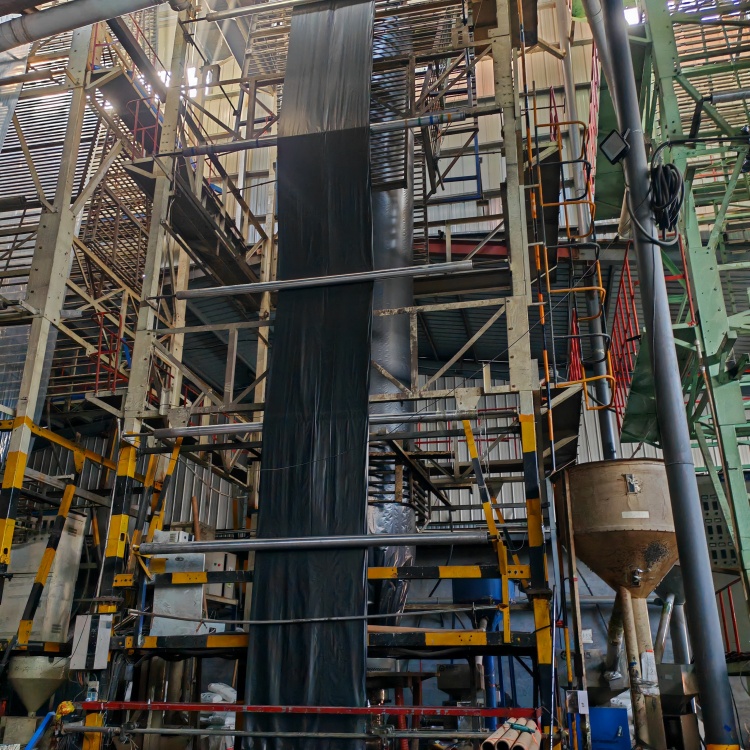
At HONREL AGRICULTURE, we don’t just paint our plastics; we engineer them. We manufacture our silver-black films using advanced multi-layer co-extrusion technology. This means the reflective silver layer and the opaque black layer are melted and fused together at the molecular level during manufacturing. They will never peel, flake, or separate in the field, even when the weather goes to extremes.
Customizing for Your Farm
Because we are the direct factory, we don’t force you into a one-size-fits-all box. We customize the film to your exact demands:
- Tougher Resins: We use virgin Metallocene (mPE) blends so the plastic doesn’t tear under your tractor wheels. We can extrude films from an ultra-thin 15 microns all the way up to a heavy-duty 50+ microns if your soil is full of rocks and roots.
- Pre-Punched Holes: We can deliver bulk rolls with custom-spaced, pre-punched planting holes. This alone saves your field crew thousands of hours of back-breaking manual labor during transplanting.
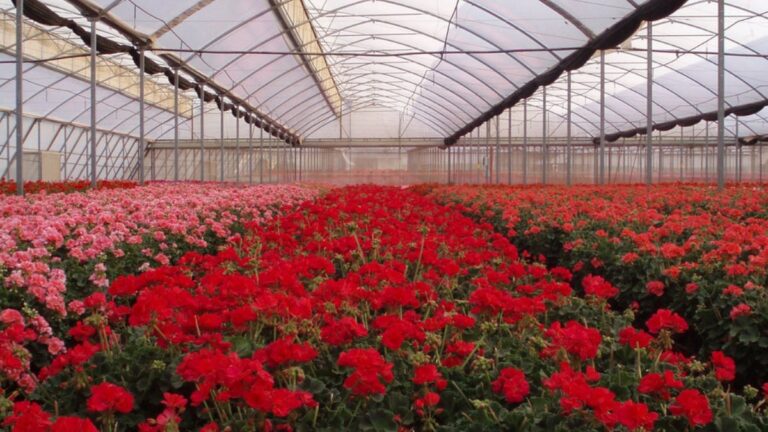
- Everything You Need: We supply every plastic layer a farm needs. Building high tunnels? We make heavy-duty PE film. Need a high-tech structural roof with permanent anti-drip coatings? Our 5-layer PO film is the industry standard. Running an indoor nursery? We extrude 100% opaque black and white panda film so you can control your photoperiods perfectly.
5 Quick FAQs from Commercial Pepper Growers
Q1: Which side of the silver/black mulch goes up?
A: This is the most important part: The silver side must face the sky, and the black side faces the dirt. The silver side is the optical engine that reflects light to repel aphids and boost your yields. The black side is the shield that blocks the sun from reaching weed seeds.
Q2: Does silver mulch mean I’m done with insecticides for good?
A: Look, it’s a powerful tool, but it’s not magic. It’s not going to guarantee you’ll have zero bugs all season long. What it really does is buy you time. It blinds the pests during those early stages when your plants are most vulnerable, which keeps the population from exploding. Most guys I know use it to cut their spray schedule way down. It saves a massive amount of cash on chemicals, and more importantly, it stops the bugs from getting “super-resistant” to the stuff you’re using.
Q3: Can I get a second crop out of this film?
A: That totally depends on the thickness you order. If you’re just doing one round of peppers, a 20 or 25-micron film is fine—it’s cheap and does the job. But if you’re planning to “double-crop”—say, pulling the peppers and planting a winter crop right into the same plastic—don’t cheap out. You’ll want the 30 to 40-micron heavy-duty stuff. If the film is too thin, it’ll just shred when you try to plant that second round, and you’ll be left with a mess of plastic scraps in your dirt.
Q4: Is that silver reflection going to fry my young transplants?
A: Actually, no. You’re probably thinking of that pure aluminum Mylar stuff—that can definitely create “hot spots” and torch your leaves. But this ag-grade silver film is built to scatter the light. It’s a soft, diffuse reflection that bounces light up under the canopy to boost growth, but it won’t “cook” the plants. It’s safe, even for the delicate stuff.
Q5: What’s the MOQ for buying direct from the factory?
A: Let’s be real: we’re running massive industrial extrusion lines here, so we don’t really deal in individual rolls. It’s just not how the machines work. Usually, our MOQ is around 1 or 2 tons, depending on the width and mil you need. It’s a bigger commitment upfront, sure, but that’s how you cut out the middleman and get the actual factory price. If you’re trying to keep your margins where they belong, buying by the ton is the only way to go.
Wrap Up: Stop Spraying and Start Reflecting
In today’s commercial farming world, you just can’t afford to lose 30% of your premium pepper crop to a virus just because an aphid landed in your field. Relying entirely on expensive chemical sprays is a losing battle. It drains your profit margins and wrecks your local soil ecosystem.
By upgrading to HONREL’s reflective dual-color film, you are making a smart, data-backed investment in passive crop defense. You blind the disease-carrying bugs, keep your root zones perfectly cool during the brutal summer heat, and push your harvest yields up by 20% just by utilizing the free power of reflected sunlight.
Ready to lower your chemical costs and get the most out of your crop?
Partner with HONREL AGRICULTURE today. Reach out to our team for a custom B2B wholesale quote, and let’s get the right polymer solutions onto your farm.