PE Film for Corn and Wheat Farming: How Large Growers Reduce Replacement Costs Across Seasons
By utilizing high-tensile PE film for both soil mulching and post-harvest grain bunkers, you prevent the mechanical tearing and photo-oxidation that destroys cheap plastic.
If you manage thousands of acres of corn or wheat, agricultural plastics are a double-edged sword. On one hand, plastic mulching dramatically increases crop yields in dry conditions, and poly bunker covers are essential for protecting harvested grains. On the other hand, replacing degraded, torn plastic every single season eats massive holes into your operational profit margins.
Here is the direct answer to protecting your yields while lowering your long-term costs: To break the cycle of constant plastic replacement, commercial growers must shift from using standard, low-grade commodity plastics to engineered, multi-layer polyethylene (PE) films integrated with advanced UV stabilizers (HALS) and Metallocene cores. By utilizing high-tensile PE film for both soil mulching and post-harvest grain bunkers, you prevent the mechanical tearing and photo-oxidation that destroys cheap plastic. This ensures your field mulch survives mechanical retrieval without shredding, and your grain bunker covers last for multiple storage seasons, slashing your labor and replacement material costs.
At HONREL AGRICULTURE, our Solution Specialists work directly with large-scale grain producers globally. In this comprehensive guide, we are going to look at the exact agronomic data behind why PE films are mandatory for modern corn and wheat farming, why cheap plastics fail so quickly, and how to optimize your purchasing strategy for maximum ROI.
Table of Contents
The Dual Role of PE Film in Broad-Acre Grain Farming
In corn and wheat production, polyethylene serves two critical functions: accelerating growth in the field, and protecting the harvest in the bunker.
1. In the Field: Maximizing Water Use Efficiency (WUE)
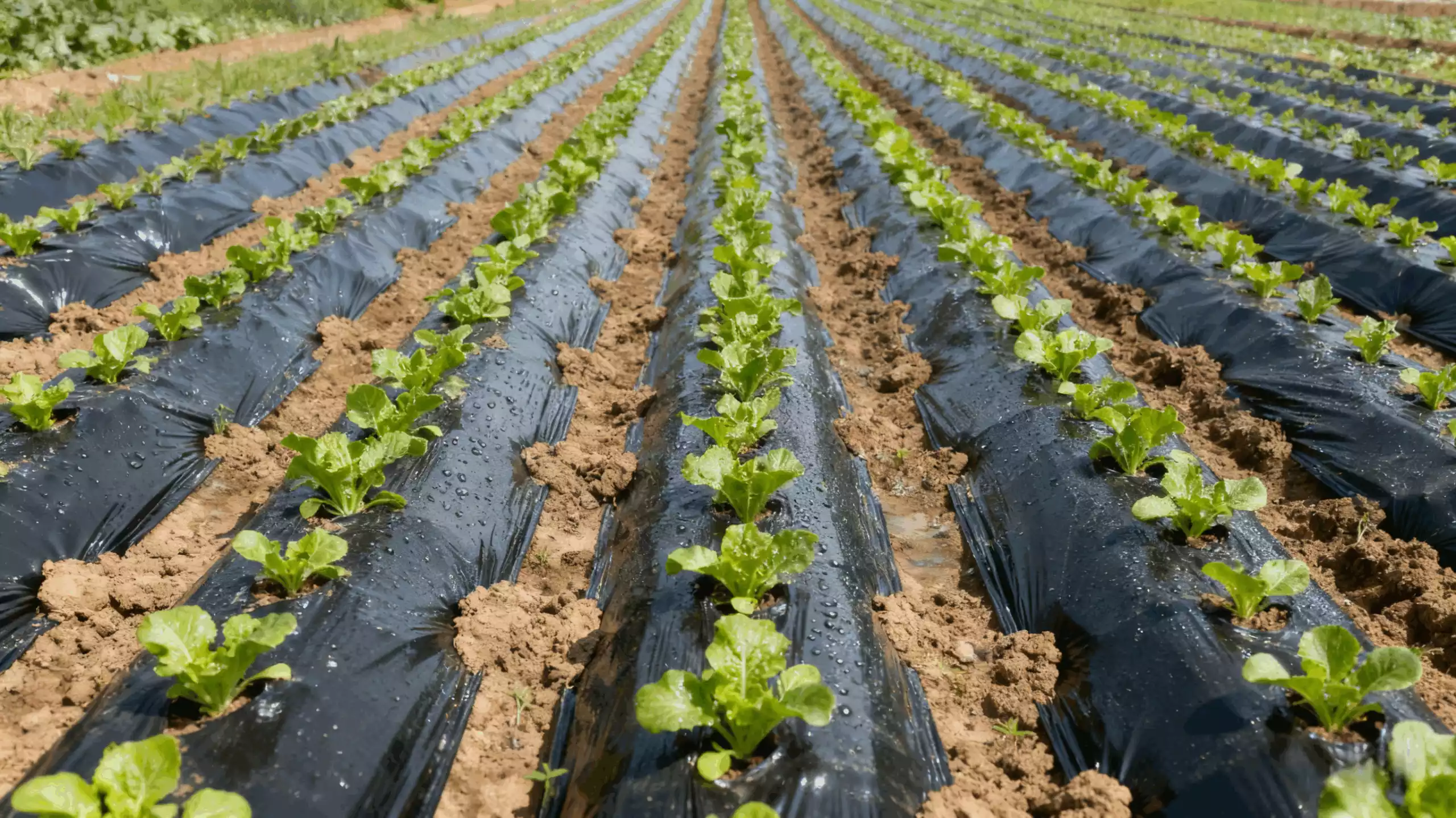
In semi-arid and dryland farming regions, rainfall is unpredictable. Growers use mulch film to manipulate the microclimate around the corn or wheat roots.
The Data: An extensive field study published in the MDPI Agronomy journal evaluated the effects of plastic film mulching on corn yield. The researchers found that plastic mulch significantly reduced soil water evaporation and increased soil temperature during the crucial early growth stages.The result? Corn grain yields increased by up to 140% to 179% compared to bare soil control groups. The plastic effectively traps evapotranspiration, redirecting precious moisture back to the root zone.
The Yield Impact: Another two-year field study on rainfed dryland ecosystems showed that plastic film mulching improved spring maize yields by an average of 36.3% and 23.9% across different seasons, while simultaneously boosting overall water use efficiency (WUE) by up to 39.6%.
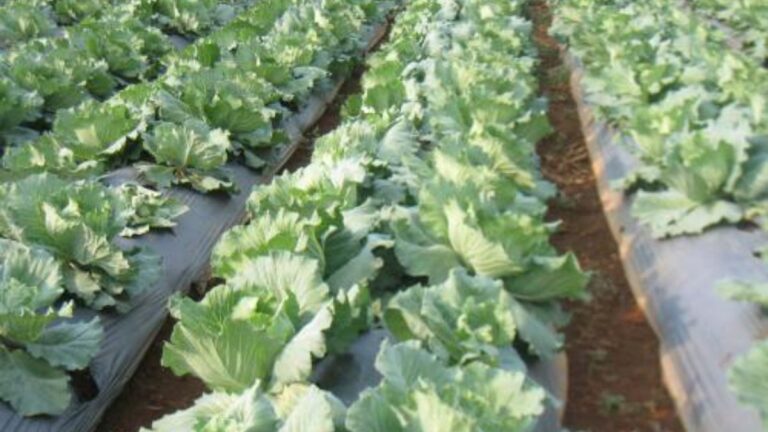
The Broad-Scale Reality: A comprehensive meta-analysis of over 1,270 observations in rain-fed regions showed that plastic film mulching increased spring maize yields by an average of 79.4%. To achieve this, growers often deploy silver black mulch film or highly durable black plastic mulch film to suppress weeds while locking in soil warmth and moisture.
2. Post-Harvest: Preserving Nutrients in Grain Bunkers
When silos are full, commercial farms rely on massive outdoor grain bunkers. If precipitation or oxygen breaches the bunker, aerobic organisms decompose the valuable feed, leading to massive dry matter loss.
The Data: According to the University of Wisconsin-Madison Extension, covered silage prevents the growth of aerobic organisms that decompose valuable feed, while keeping rainfall from washing away soluble nutrients. Uncovered or poorly covered silage suffers massive nutrient leaching. In fact, research shows that there is a transition zone (1-2 feet) of brown-gray forage below the spoiled black layer representing a substantial 20% to 30% dry matter loss.
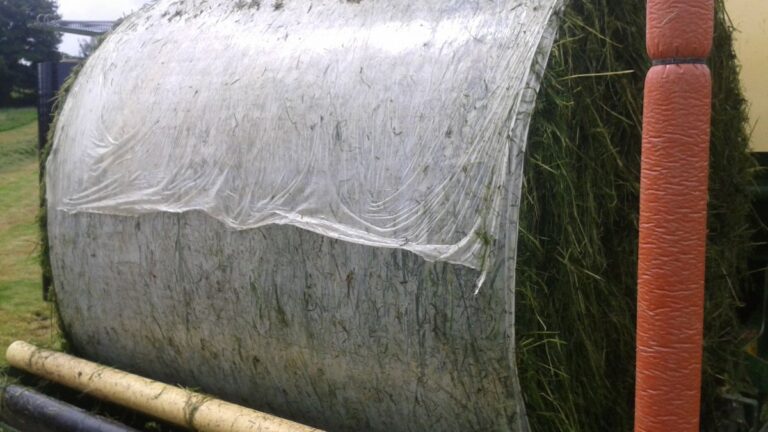
The Material Choice: To combat this, the UW-Madison Extension recommends using 6-8 mil thick polyethylene with built-in UV protection. Standard clear plastics fail to reflect heat, which is why commercial farms choose specialized black and white panda film to protect their grain piles. The white side reflects intense solar radiation to keep the pile cool, while the black side provides a 100% light-proof barrier.
The Hidden Costs: Why Conventional Thin Films Fail Large Growers
If plastic is so beneficial, why do growers complain about the cost? The problem lies in polymer degradation. When B2B buyers source standard, mono-layer recycled plastics, they face two inevitable failures:
Failure 1: UV Photo-Oxidation
The sun’s ultraviolet rays break the molecular bonds of standard plastic. Within 3 to 6 months, cheap mulch film or grain covers become brittle and “flake.” For grain storage, a brittle cover will crack during a winter freeze, letting rain rot the corn.
Failure 2: Mechanical Shredding
In the field, when harvest is over, you must retrieve the mulch film to prevent soil pollution. If the film is weak, the mechanical lifter will tear it into thousands of tiny shreds, forcing you to pay for dozens of hours of manual labor to pick plastic out of the dirt. If it is a bunker cover, high winds will cause the plastic to flap against the grain pile, wearing holes right through the apex of the cover.
The Cost-Benefit Proof of Thicker, High-Tensile Films
A cost-benefit analysis published in MDPI’s Agronomy journal evaluated mulch film management costs in Northern China.
The Math: Procurement costs account for 46.3% of total film management expenses. While standard conventional thin films are cheap to buy, they are highly prone to shredding, which drives up environmental treatment and retrieval labor costs.
The Solution: The study proved that upgrading to thicker, high-strength films yields a significantly higher net benefit of USD 449.2 per hectare, compared to only USD 413.7 per hectare for conventional thin film. This is because the high-tensile material is easily retrieved mechanically in one piece, completely eliminating hand-picking labor and reducing soil plastic residue.
💡 Best Practice: Strategic Mulch Retrieval Timing
If you are using plastic mulch in the field for early-season corn or wheat, retrieving it effectively requires correct timing.
How to do it properly: Never attempt to mechanically retrieve mulch film when the soil is heavily saturated from rain, or when the sun is at its absolute peak heat. Wet soil weighs down the edges and causes snapping, while extreme heat makes the PE film overly elastic and prone to stretching until it breaks. Retrieve the film on a cool, dry morning to ensure the tensile strength holds up against the mechanical lifters.
Comparing Materials: Standard PE vs. Metallocene-Reinforced PE/PO
We often get asked how our engineered polymer blends compare to standard, low-grade commodity plastics. Standard mono-layer sheets simply cannot compete with co-extruded polymers.
Material Performance Comparison
Performance Metric
Standard PE Film (Mono-Layer)
HONREL Metallocene-PE/PO Film
Puncture Resistance
Low (Tears easily on stalks/wind)
High (Absorbs kinetic impact)
UV Lifespan
3 – 6 Months (Becomes brittle)
2 – 5 Years (HALS Stabilized)
Mechanical Retrieval Rate
Poor (<40% recovery without tearing)
Excellent (95%+ clean recovery)
Light Transmission (for covers)
Drops quickly due to dust static
Maintained high (Anti-dust layer)
Best Application
Short-term temporary dust sheets
Bunkers, Multi-season Mulch, Greenhouses
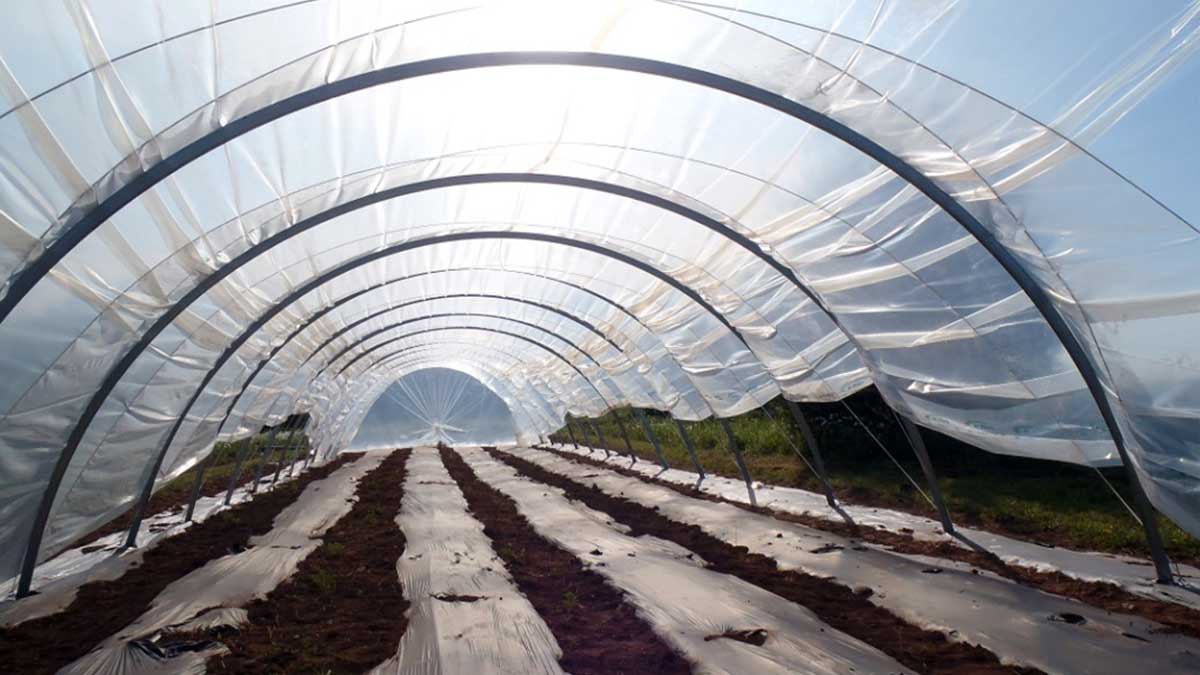
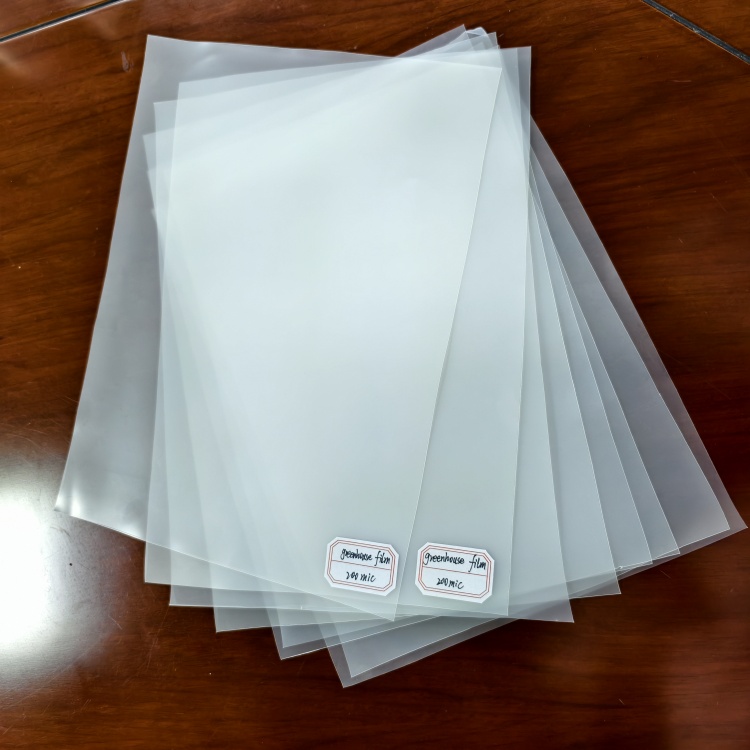
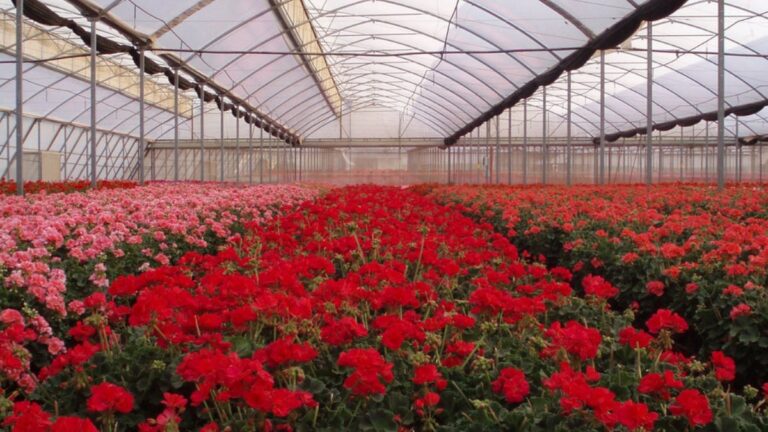
For structural greenhouse setups that require both high light transmission and extreme mechanical durability, upgrading to our specialized PO film or high-tensile PE greenhouse film provides the ultimate multi-season defense.
Real-World Case Study: 500 Hectares of Corn
The Challenge: A commercial agricultural cooperative was using conventional thin mulch film. At the end of every season, the film shredded during mechanical retrieval. This forced the co-op to hire manual crews to hand-pick plastic shreds out of the soil, costing them an extra $35 per acre in labor and causing severe plastic pollution.
The HONREL Solution: We transitioned the farm to our 15-micron (0.6 mil) high-tensile Metallocene-reinforced PE mulch film.
The Results:
Retrieval Efficiency: The new film successfully withstood the mechanical claws of the retrieval machines, achieving a 95% clean recovery rate in one solid sheet.
Labor Savings: The co-op completely eliminated the need for manual hand-picking crews, saving over $17,500 in seasonal labor costs.
Yield Retention: Thanks to the superior water conservation and soil warming of the Metallocene PE blend, the corn yield held a steady 35% increase over bare-soil controls, fully justifying the slightly higher initial procurement cost.
💡 Best Practice: The “Weighted Tension” Bunker Method
When covering a massive corn or wheat bunker, simply throwing the plastic over the top is a recipe for disaster. Wind-flap is the enemy of all polyethylene covers.
How to do it properly: You must pull the cover drum-tight. According to UW-Madison Extension guidelines, the plastic must be held in firm contact with the silage to keep air from moving underneath. According to university studies, air can penetrate up to 4 feet into a well-packed bunker, resulting in an increased 33 percent dry matter loss of the upper four feet.
The Execution: Use waste tires (touching each other side-by-side) or specialized sandbags in a tight grid pattern across the entire top [1.1]. Overlap multiple sheets by at least 4 to 6 feet, and place double the weight on the overlapping sheets to completely seal out oxygen and water.
Why Source Factory-Direct from HONREL?
When you buy thousands of pounds of agricultural plastic from regional distributors, you pay a massive middleman markup.
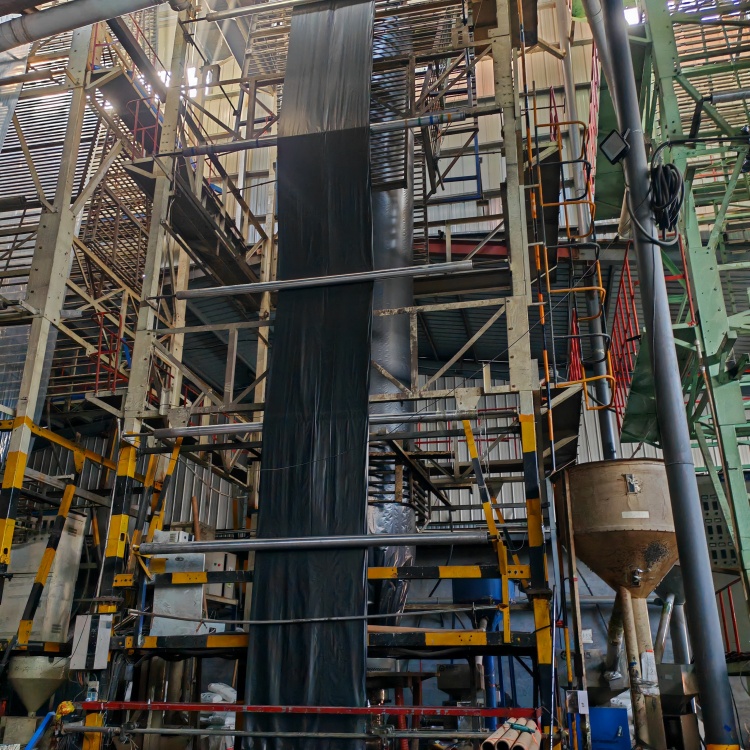
At HONREL AGRICULTURE, we are a direct manufacturer. We extrude the film and ship it straight to your distribution hub or commercial farm.
Custom Dimensions: We manufacture custom widths (from standard row sizes up to massive 100+ foot bunker tarps). This eliminates the need for you to sew or tape multiple sheets together in the field, eliminating weak points.
Custom Thickness: Whether you need an ultra-thin 15-micron degradable mulch for a single season, or a heavy-duty 8-to-12 mil reinforced cover for multi-year grain storage, we configure the extrusion lines specifically for your order.
5 Frequently Asked Questions (FAQ) from Broad-Acre Growers
Q1: How does mulch film actually help corn grow in cool, dry spots?
A: Honestly, it’s all about giving the corn a “head start.” In cool, semi-arid areas, the film acts like a mini-greenhouse. Research shows it significantly bumps up the topsoil temperature right when the seeds need it most (the early stages before V6). It also locks in moisture before the V12 stage so the plants aren’t struggling for a drink. The result? The plants develop faster, grow thicker stems, and get a longer window for grain-filling. You’re essentially stretching out the growing season, which leads to a much heavier harvest.
Q2: Why use “Panda Film” instead of standard black mulch for grain?
A: Using standard black film for a grain bunker is a recipe for disaster. Black plastic is a heat magnet—it absorbs sunlight and cooks the grain underneath. That heat creates condensation, which leads to mold and rot real fast. Black/White (Panda) film is the smarter play. You put the white side facing up to reflect the sun and keep the grain cool. Meanwhile, the black underside is 100% opaque, so it blocks out all the light. It’s the difference between a cool cellar and a literal oven.
Q3: Can I use biodegradable mulch for a big corn operation?
A: You can, and a lot of guys are looking into it because it saves the massive headache of pulling up and disposing of plastic at the end of the year.
But—and this is a big “but”—they can be finicky. If you’re in a spot with heavy rain or a long season, they might start cracking and breaking down just 30 or 40 days after sowing. If you need guaranteed weed control and moisture retention all season long, a high-quality, high-tensile virgin PE film is still the “old reliable” for most large-scale farms.
Q4: If I buy a thicker bunker cover, will it definitely last longer?
A: Not necessarily. It’s a common trap to think “thicker equals better.”
In reality, a 6-mil cover made with high-end virgin metallocene and solid UV stabilizers will easily outlive a 10-mil cover made from cheap, recycled plastic. Recycled stuff without good UV protection will get brittle and crack in the sun regardless of how thick it is. Don’t just look at the “mil” count; ask your supplier about the resin quality and the UV guarantee.
Q5: What is the Minimum Order Quantity (MOQ) for B2B wholesale orders?
A: As an industrial manufacturer, our standard MOQ is generally based on raw tonnage (typically 1 to 2 Tons, depending on your custom width and thickness). Consolidating your seasonal mulch and storage cover purchases into a direct bulk order guarantees you the absolute best commercial B2B pricing available.
Conclusion: Protect Your Grain, Protect Your Margins
In large-scale corn and wheat farming, you cannot control the weather, but you can control your soil microclimate and your post-harvest storage. Buying cheap, easily degraded plastic is a false economy—it forces you to pay double in replacement labor and lost grain.
By upgrading to HONREL’s high-tensile, UV-stabilized PE films, you are making a data-backed investment. You secure the early-season soil temperatures needed for maximum yield, and you guarantee the anaerobic, weather-proof seal required to protect your harvest in the bunker.
Ready to stop replacing torn plastic and start maximizing your farm’s ROI? Partner with HONREL AGRICULTURE today. Contact our sales team for a custom B2B wholesale quote, and let us supply the heavy-duty polymer solutions your commercial operation demands.
Get Factory-Direct Insights & Growing Tips
Selecting the right Greenhouse Film or shade mesh is critical for crop success. As a dedicated Agricultural Netting and Film Manufacturer, our experts help you customize UV protection and light transmission based on your local climate. Share your project details for a tailored solution.
HONREL AGRICULTURE engineers films, netting, and drip pipe to your crop, climate, and structure—specs, colors, labeling, and packaging—backed by drawings and spec sheets.
Fast Response & Quick Proofing
Rapid quoting, spec-sheet/sample proofing, and practical engineering support. We align specifications and documentation quickly to keep your project timeline on track.
Consistent Quality & Traceability
UV-stabilized formulations, process QC, and lab checks for optics/mechanics—plus lot-level tracking. COA/test reports available; export packing and labeling are standardized.