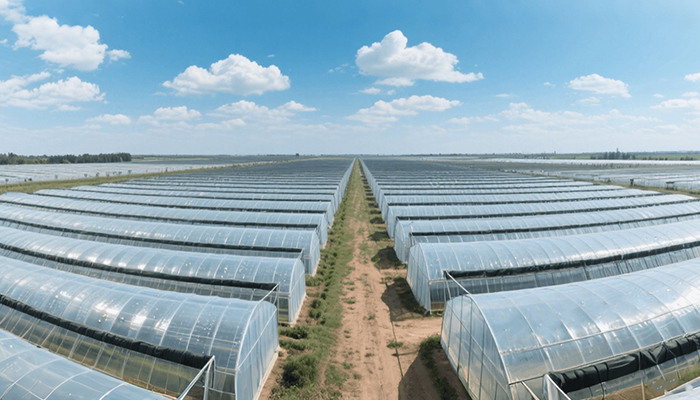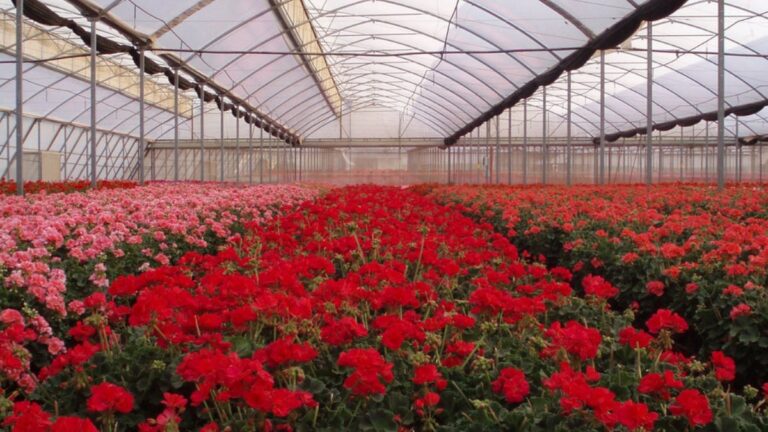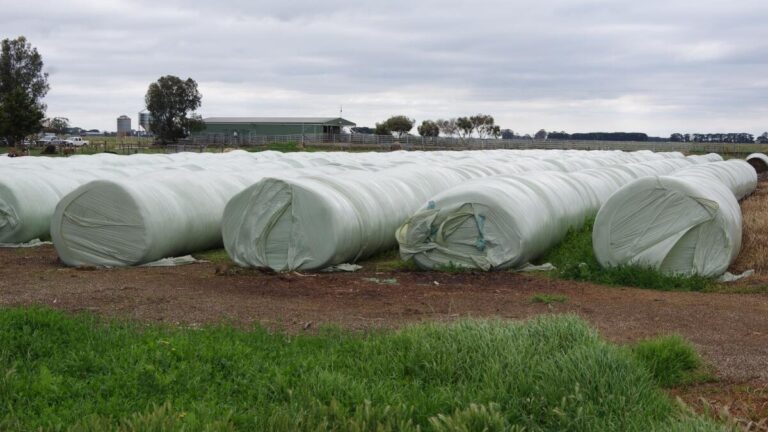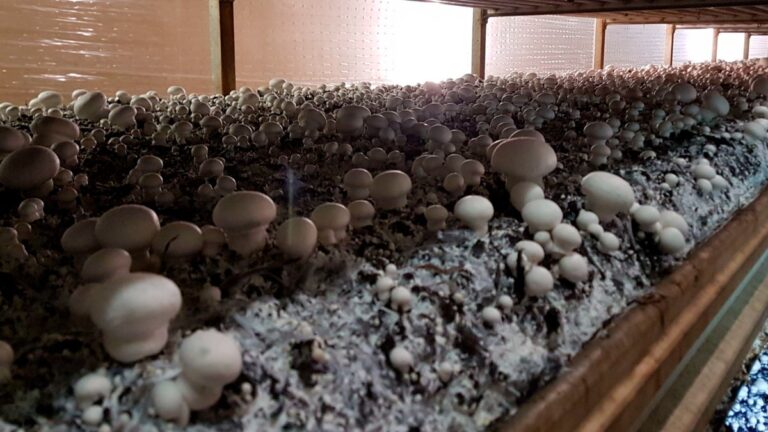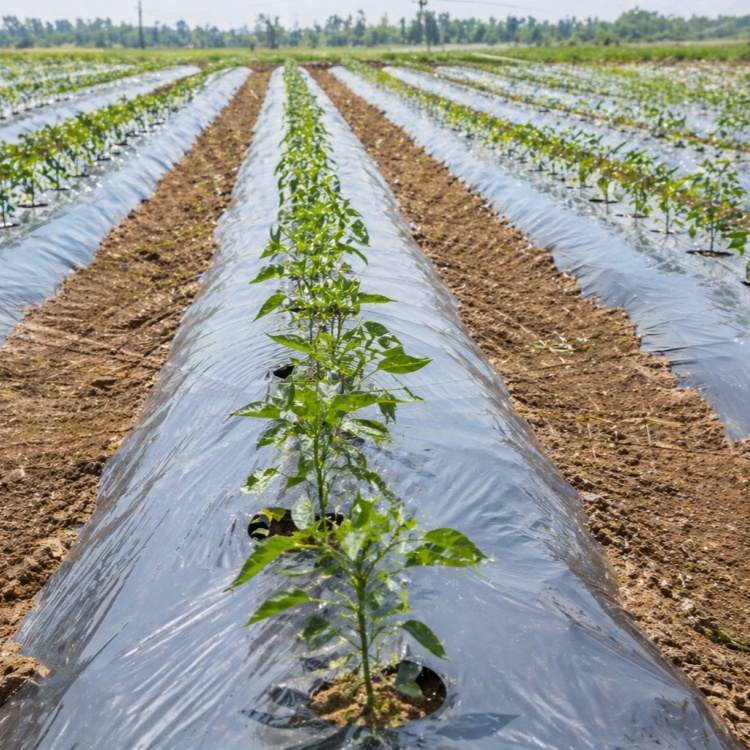


In agricultural applications, a higher lab strength number translates directly to real-world savings: fewer tears during high-speed tractor laying, better survival in high-wind greenhouse environments, and a cleaner removal process at harvest.

The key to agricultural success is matching the film color, width, tensile strength, and field duration to your specific crop plan.

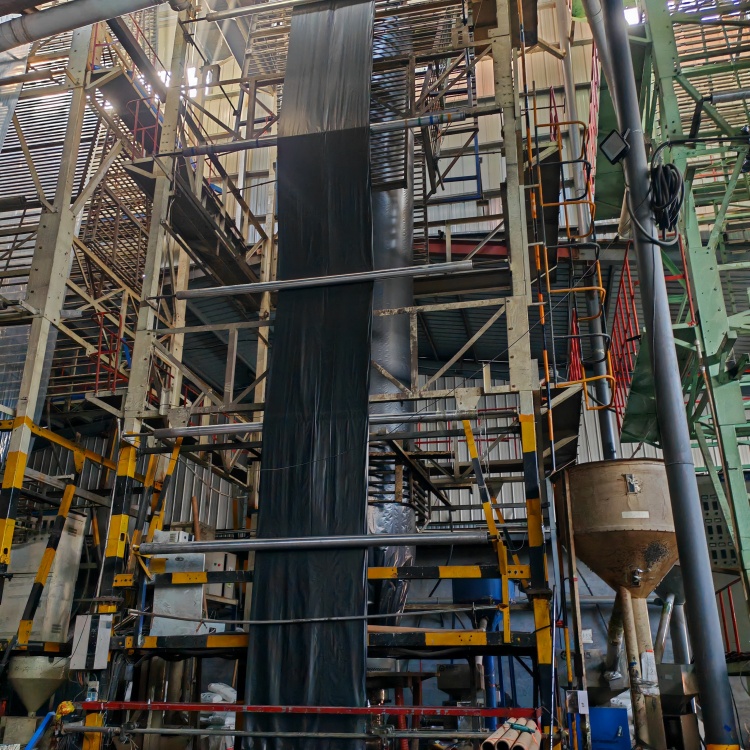
To completely eliminate these operational disasters, commercial vegetable growers must upgrade to multi-layer, metallocene-reinforced (m-LLDPE) plastic films manufactured with advanced precision extrusion technology.

For decades, the "old school" response was to just load up the sprayers and hit the crops with heavy, expensive chemicals. But what happens when the bugs build up a resistance? Or when those chemical bills start eating your lunch?

It's the classic struggle between saving a few bucks upfront versus actually making more money at the end of the season. The upfront procurement cost of PO film is undeniably higher, which makes many growers hesitate.

If your field is a mess—with half the plants stunted by the heat and the other half getting hammered by a virus—your consistency is shot. In this game, if you can’t deliver a uniform pack-out, you’re basically just watching your margins rot on the vine. You end up with a field of culls.

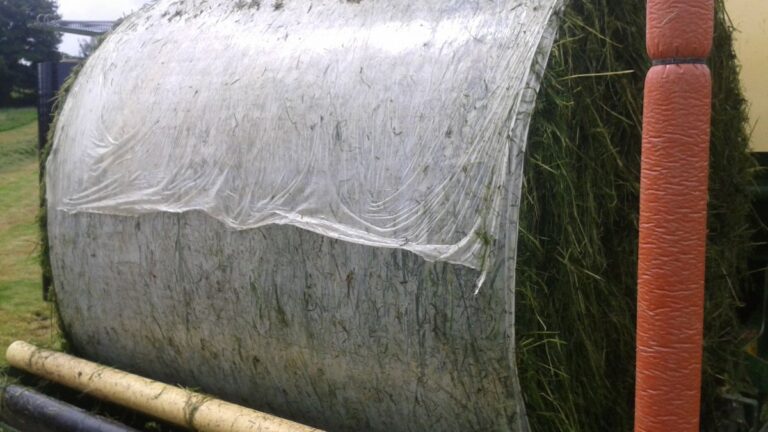
By utilizing high-tensile PE film for both soil mulching and post-harvest grain bunkers, you prevent the mechanical tearing and photo-oxidation that destroys cheap plastic.

To grow top-tier indeterminate tomatoes, you basically have to be a control freak about the environment. You’re constantly chasing that perfect balance: you need every drop of sunlight you can get to push your yields, but if the temp spikes even a little too high, you’re looking at blossom drop or a nasty outbreak of mold.