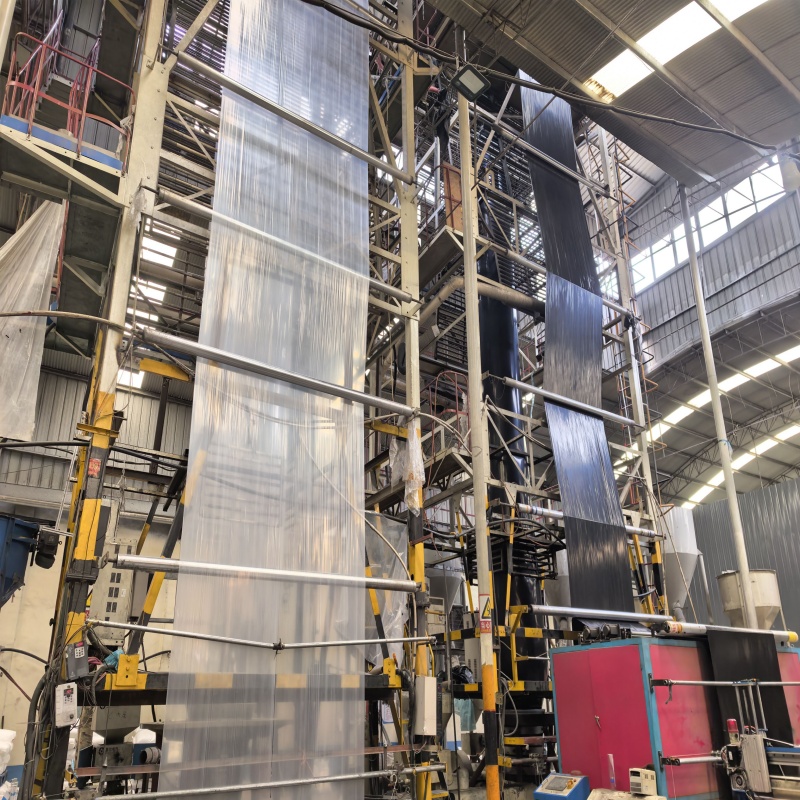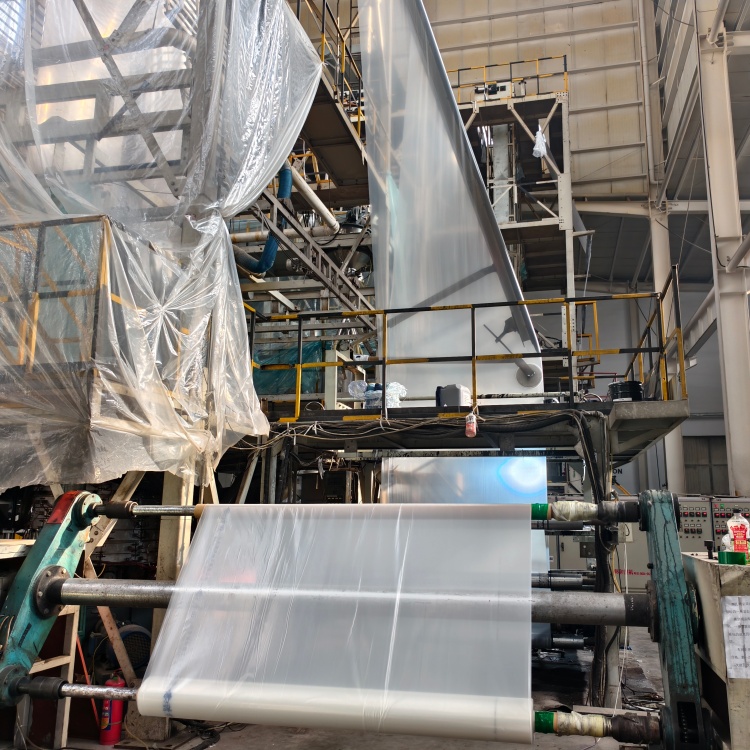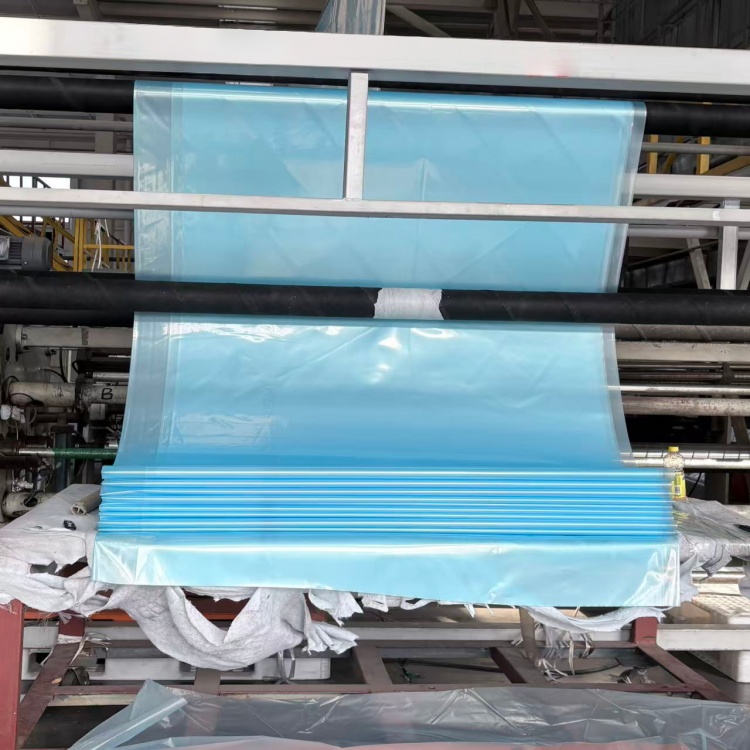


Explore greenhouse film specifications including micron thickness, UV lifespan, light diffusion and tensile strength. HONRELAG supports technical data sheets for project bidding and bulk sourcing.

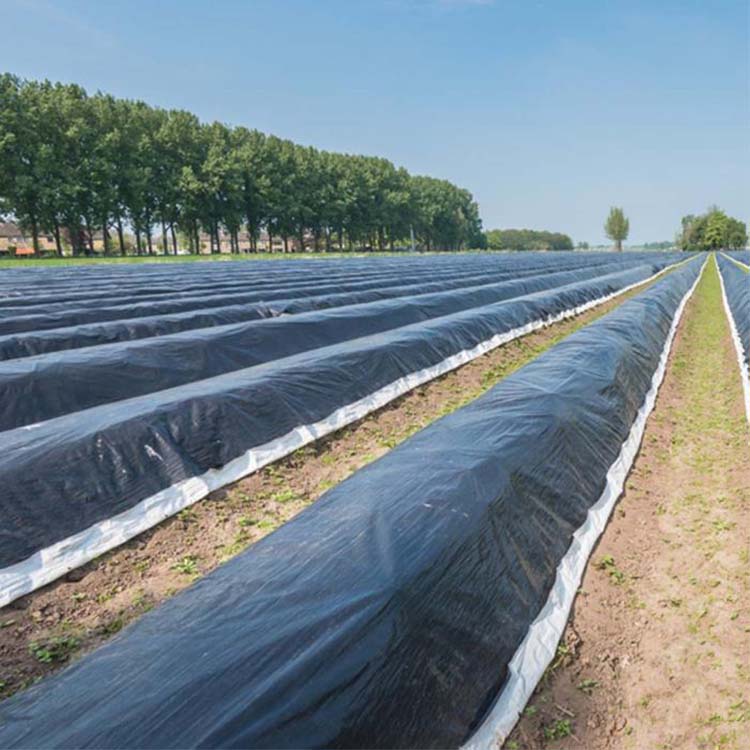
By utilizing high-tensile PE film for both soil mulching and post-harvest grain bunkers, you prevent the mechanical tearing and photo-oxidation that destroys cheap plastic.

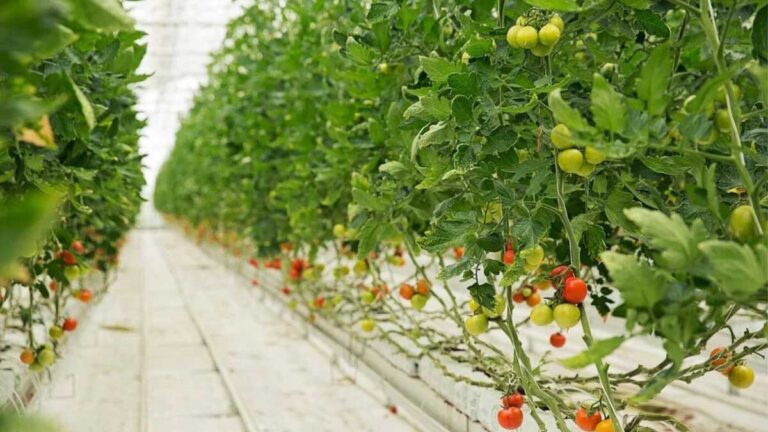
To grow top-tier indeterminate tomatoes, you basically have to be a control freak about the environment. You’re constantly chasing that perfect balance: you need every drop of sunlight you can get to push your yields, but if the temp spikes even a little too high, you’re looking at blossom drop or a nasty outbreak of mold.

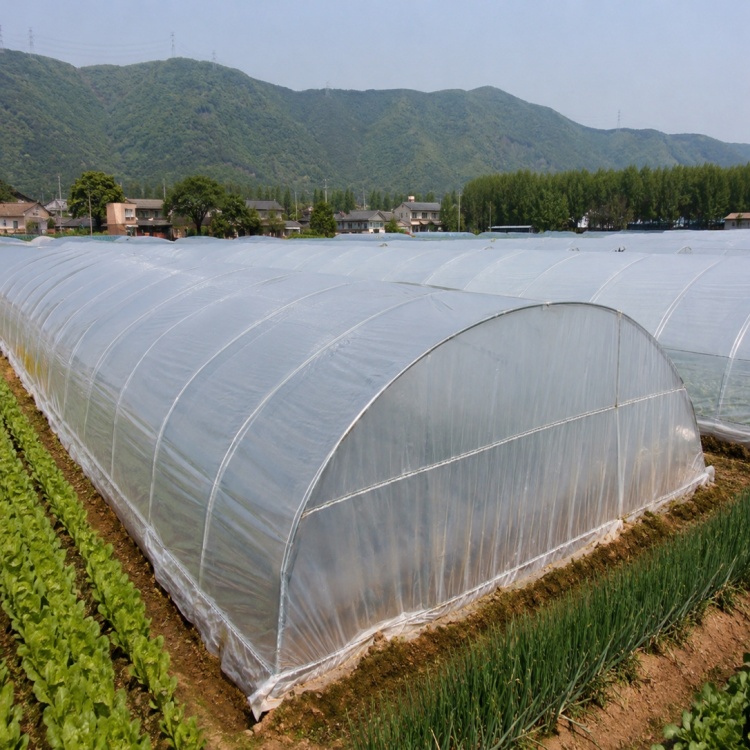
You can’t turn down the sun, but you can definitely fix the climate around your roots. If you want to grow premium greens when it’s hot out, you’ve got to keep the soil cool and keep the weeds from stealing your water.

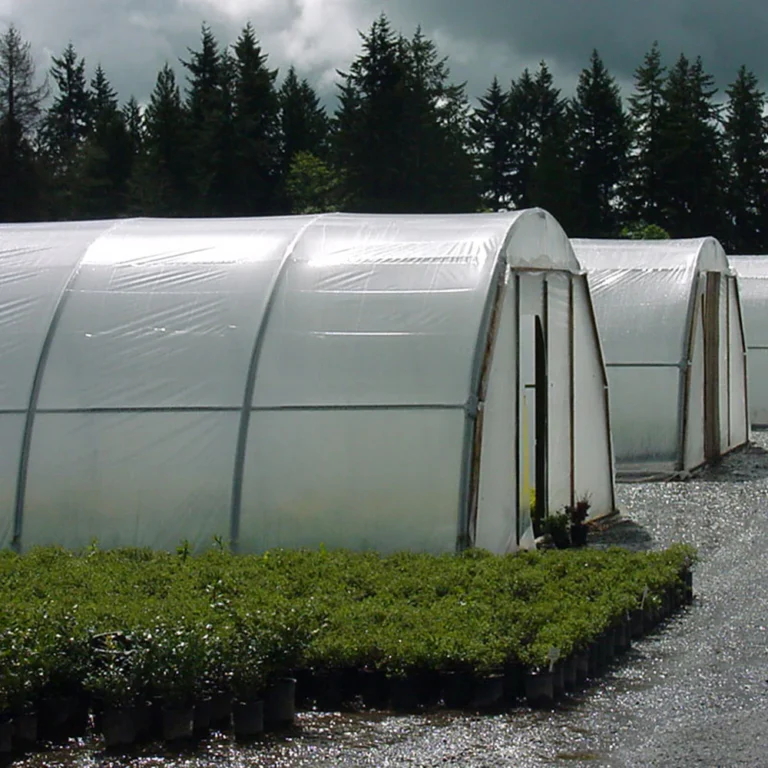
For arid and desert climates, standard construction-grade polyethylene will fail quickly. You need a Durable PE Greenhouse Film specifically engineered using multi-layer co-extrusion, loaded with Near-Infrared (NIR) blocking additives, and protected by advanced UV stabilizers (like HALS).

The UV blockers, the anti-dust surface, and the permanent anti-drip coating are placed in different layers so they never interfere with each other. The result is a film that delivers up to 95% light transmission, features a permanent anti-drip surface that never washes off, and lasts years longer than standard plastics.

Raising profitable broilers or high-producing layers isn't just about feed and water; it is heavily dependent on manipulating biorhythms. If your poultry house leaks natural sunlight, you are leaving your flock's metabolism up to chance.

If you are operating a commercial vertical farming system, a large-scale indoor hydroponic facility, or a controlled environment agriculture (CEA) warehouse, your absolute highest operational expense is electricity.