Silver Black Mulch Film Wholesale for Cabbage Farms | Reflective Protection Against Aphids and Heat Stress
Cabbage farms use silver black mulch film when the field needs weed suppression, soil moisture control, and a reflective surface that supports early aphid management and heat moderation.
Cabbage farms use silver black mulch film when the field needs weed suppression, soil moisture control, and a reflective surface that supports early aphid management and heat moderation. The silver side faces up; the black side faces the soil.
Table of Contents
Reflective Film Works Best Before Canopy Closure
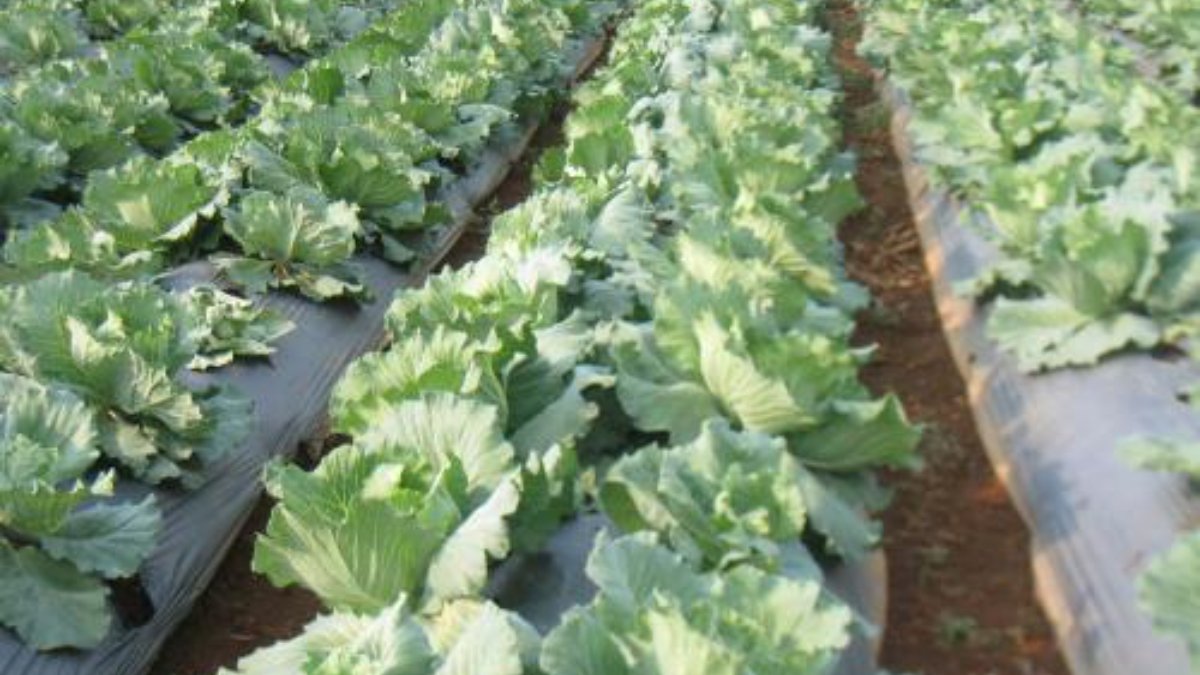
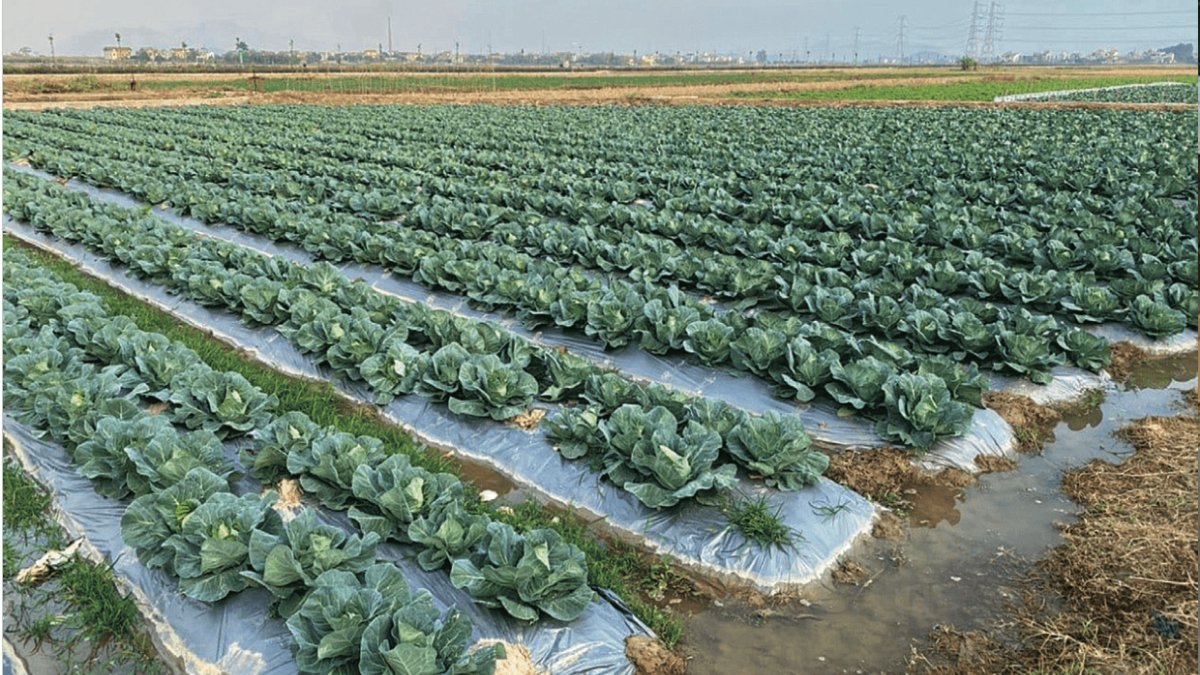
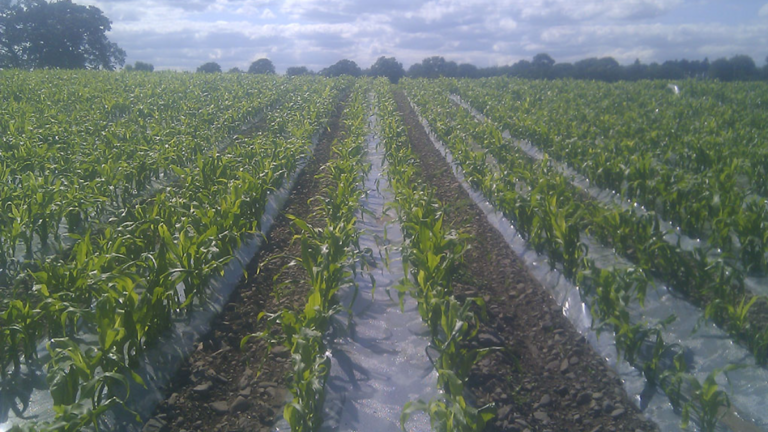
silver black mulch film is most visible during the early cabbage stage, before leaves cover the bed. That timing is important. The reflective surface can support an integrated aphid management program when young plants are most exposed, while the black underside blocks light from weeds under the film.
The film should not be presented as a complete pest-control method. Aphids respond to crop stage, surrounding vegetation, weather, field hygiene, and local pressure. Reflective mulch is one physical tool inside a wider scouting and crop protection program. Its technical value is strongest when installation is clean and the reflective surface remains visible around the plant row.
Heat Stress And Soil Moisture Need A Balanced Specification
Cabbage can suffer when the bed environment becomes too hot or too dry. Silver-black film may reduce heat gain compared with black film in some hot conditions while still controlling weeds better than transparent film. Drip irrigation remains essential. Covered beds reduce evaporation, but water still has to reach the root zone evenly.
Field condition
Specification focus
hot planting period
reflective surface and irrigation planning
high aphid pressure
early-stage reflection and scouting
strong weed pressure
opaque black underside and edge sealing
windy fields
tear resistance and edge burying
mechanized laying
roll width, winding, and roll weight
Compared with general plastic mulch film, silver-black products should be specified by color orientation, opacity, thickness, width, roll length, and outdoor exposure.
Installation Details Decide Field Performance
The bed should be smooth and firm before laying. Clods, stones, and loose shoulders create punctures and air pockets. Edges must be buried deeply enough to prevent wind lift. Planting holes should be clean and not larger than necessary, otherwise weeds escape around the crop base and the film loses part of its value.
Confirm silver side up before field installation.
Place drip tape accurately before covering the bed.
Keep planting holes tight and aligned.
Inspect edge lift after wind events.
Avoid dragging rolls across rough ground before laying.
For broad cabbage programs, related wholesale mulch film options can include black, silver-black, or other crop-specific colors, but every product needs a separate field code.
HONREL Support For Cabbage Mulch Programs
HONREL AGRICULTURE can manufacture mulch film by crop program, field width, thickness, roll length, color, packing, and label requirement. A technical mulch film manufacturer should ask about climate, crop spacing, irrigation, machine laying, and field duration before confirming production.
When the field also requires standard agriculture mulch film manufacturer products for other vegetables, grouping orders can help logistics, but specification control should stay strict. One label mistake can put the wrong film into the wrong cabbage block.
Aphid Pressure Needs Timing Discipline
Reflective mulch has its best technical value before the cabbage canopy closes. At that stage, aphids approach young plants while the silver surface is still visible. Once leaves expand and cover much of the bed, reflection is reduced. That does not make the film useless; it simply changes the main function toward weed suppression and moisture conservation.
Heat stress must also be watched by planting window. Silver-black mulch can be useful in warm conditions, but irrigation and soil monitoring remain necessary. If roots experience water stress under the film, leaf temperature can rise quickly. The film should be part of a field system that includes drip tape placement, bed preparation, and pest scouting.
Use silver side up and black side down.
Inspect reflection visibility during the first crop stages.
Keep weeds from growing through planting holes.
Monitor soil moisture during hot weeks.
How To Avoid Overstating Reflective Mulch Performance
Silver-black mulch should be explained with technical limits. Reflection is visible only where the film surface is exposed. Once cabbage leaves cover the row, the pest-management effect becomes less direct, while weed control and moisture retention continue. This is why early installation quality matters so much.
Heat stress also needs field observation. The silver surface can help reduce heat load compared with black film in some conditions, but it cannot correct shallow irrigation or poor root development. Soil moisture checks should be scheduled during hot periods, especially before heading when crop demand rises.
Technical Check Before Production
Before production starts, the specification should be checked against real use rather than a generic product name. This final review keeps the roll format, material behavior, and field or site installation method aligned. It also creates a cleaner record for repeat production, quality review, and future specification adjustment.
Silver side orientation is confirmed before laying.
Aphid pressure is monitored during early plant stages.
Drip tape position and soil moisture checks are scheduled.
Roll width and thickness match bed shape and laying machine.
In practice, the final specification should be easy for production, warehouse, and installation teams to read without interpretation. If the use condition changes, the technical file should change with it rather than carrying an old grade name into a new project.
FAQ
Q1: Which side of silver black mulch film faces up for cabbage?
A: The silver side normally faces up for reflection, while the black side faces the soil to block light and suppress weeds.
Q2: Can silver black mulch film reduce aphid pressure by itself?
A: No. It supports early-stage physical pest management, but scouting and regional crop protection practices remain necessary.
Q3: Does silver black film help with heat stress?
A: It can help moderate heat compared with black film in some conditions, but soil temperature also depends on climate, irrigation, soil type, and planting date.
Q4: What specifications matter for cabbage fields?
A: Width, thickness, opacity, color orientation, roll length, UV life, drip tape layout, packing, labels, and machine compatibility matter.
Q5: Can HONREL AGRICULTURE customize silver black mulch film?
A: Yes. Width, thickness, roll length, color, packing, label, and crop-program documentation can be customized.
Get Factory-Direct Insights & Growing Tips
Selecting the right Greenhouse Film or shade mesh is critical for crop success. As a dedicated Agricultural Netting and Film Manufacturer, our experts help you customize UV protection and light transmission based on your local climate. Share your project details for a tailored solution.
HONREL AGRICULTURE engineers films, netting, and drip pipe to your crop, climate, and structure—specs, colors, labeling, and packaging—backed by drawings and spec sheets.
Fast Response & Quick Proofing
Rapid quoting, spec-sheet/sample proofing, and practical engineering support. We align specifications and documentation quickly to keep your project timeline on track.
Consistent Quality & Traceability
UV-stabilized formulations, process QC, and lab checks for optics/mechanics—plus lot-level tracking. COA/test reports available; export packing and labeling are standardized.