Large dairy farms need silage film and bale wrap that keep oxygen out, hold tension during storage, and survive handling around bunkers, stacks, and bales. The correct specification starts from forage type, storage months, bale density, outdoor exposure, and daily feed-out practice.
Table of Contents
Feed Loss Control Starts Before The Film Is Unrolled
For a dairy operation, silage film is part of feed preservation, not a disposable cover. The forage has already absorbed seed, land, harvest fuel, labor, inoculant, and transport cost before covering starts. Once oxygen enters the storage mass, the loss is paid twice: first through spoiled dry matter, then through less stable feeding value.
The technical target is simple: make oxygen entry difficult. In practice, that depends on compaction, surface shape, film contact, edge sealing, puncture control, and repair discipline. A good roll cannot rescue a poorly packed bunker, but weak film can damage a well-packed bunker. The two parts work together.
Storage point
Film-related risk
Technical control
bunker shoulder
puncture and air channel
stronger top film and careful edge weighting
bale surface
stem puncture and loose wrap
stretch control, tack, and layer count
outdoor stack
UV and wind movement
UV package, roll width, and surface weighting
daily opening
oxygen exposure after cutting
controlled feed-out and re-covering routine
Matching Film Type To Dairy Storage Method
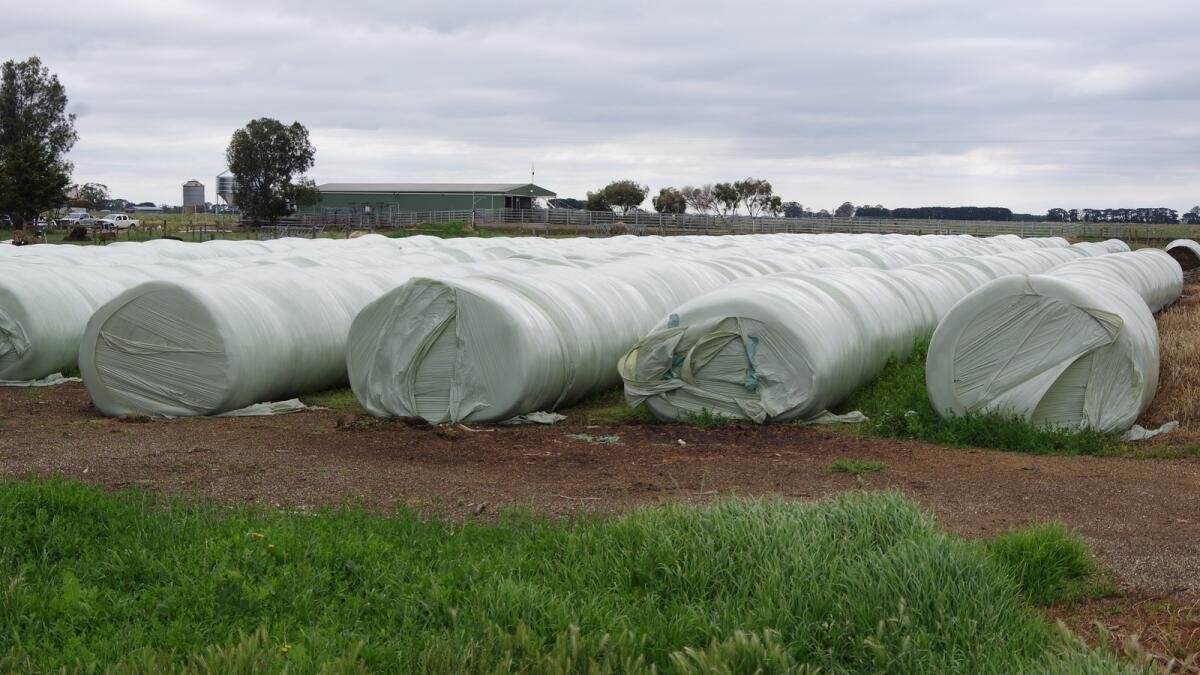
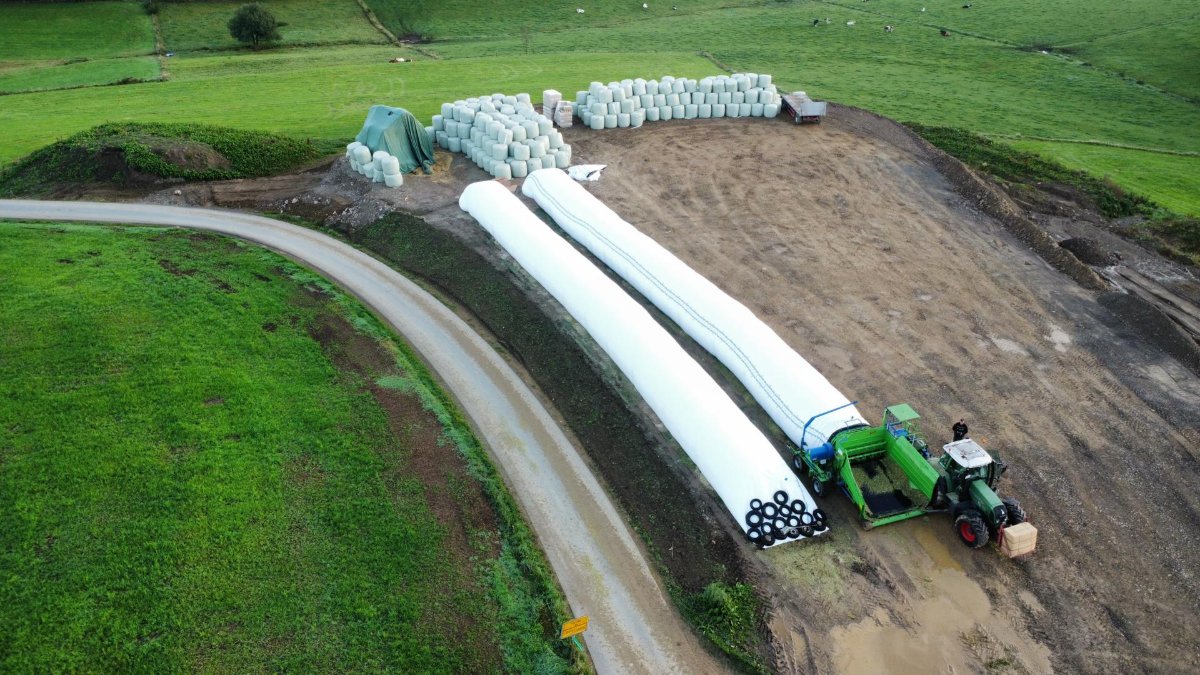
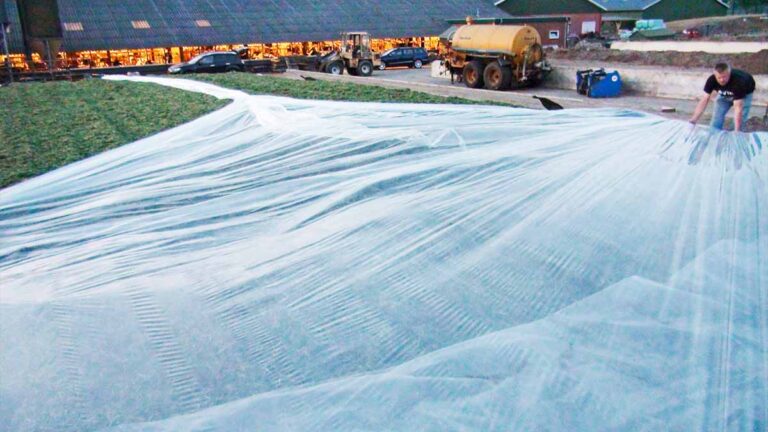
Flat silage film manufacturer products are normally discussed for bunkers, pits, and stacks, while silage stretch film bale wrap is selected for round or square bales. The two products belong to the same forage protection system, but their mechanical behavior is different. Bale wrap needs stretch recovery and tack. Bunker film needs coverage width, tear resistance, and surface stability.
Large dairy groups often use both formats. That makes labeling and product code control important. A pallet of wrap should not be confused with a wide roll intended for bunker covering. Different colors, roll labels, and packing lists help storage teams work quickly during the harvest window.
Record expected storage period and outdoor exposure.
Separate bunker film, underlayer film, sidewall film, and bale wrap in the order file.
Keep repair tape and inspection notes close to each storage site.
Film Thickness Is Only One Part Of Strength
Thickness is easy to measure, so it often receives too much attention. Real field strength also comes from resin selection, extrusion stability, roll winding, tear propagation behavior, and how the roll is handled during installation. A thick film with poor edge quality may still tear during pulling. A balanced film with clean winding may install faster with less waste.
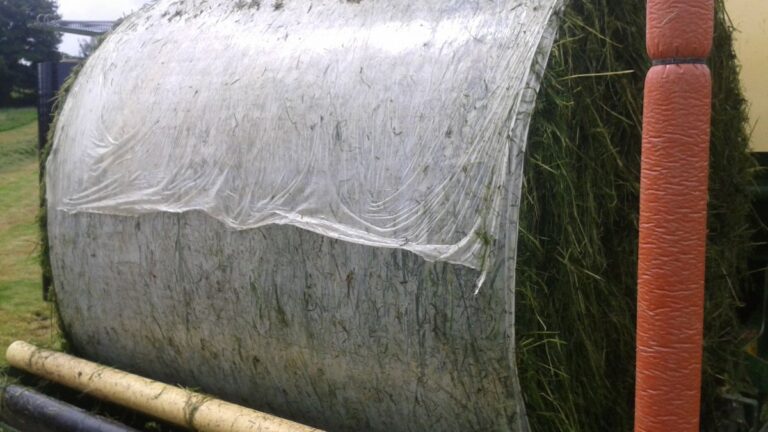
For bale wrap, stretch setting matters. Over-stretching can thin the film and reduce puncture tolerance. Under-stretching can create loose layers. For bunker film, the risk is different: sharp shoulders, rough concrete, workers walking on the film, and wind before weighting. Technical selection should be tied to these contact points.
Practical inspection before full storage use
Check roll edges for crushing before installation.
Inspect winding tightness and telescoping before the harvest rush.
Use the intended wrapper or covering method during sample testing.
Record roll numbers on large storage sites for later performance review.
How HONREL AGRICULTURE Supports Repeat Supply
HONREL AGRICULTURE can supply forage protection films with customized roll width, thickness, color, UV package, roll weight, packing, and labels. For large dairy programs, the most valuable file is the repeat specification: the product name, roll dimensions, core size, pallet format, label design, and delivery schedule that worked in the previous season.
When flat covering film and bale products ship together, related agricultural silage film and wrap lines should remain clearly separated. This prevents warehouse confusion and protects installation speed when weather gives only a short covering window.
Storage Face Management After Opening
The film specification should also consider what happens after the silo or bale line is opened. During feed-out, oxygen exposure begins again at the exposed face. If the face is rough, if the cover is pulled back too far, or if damaged areas are left unrepaired, losses can increase even when the original covering work was correct. A technical review should connect film selection with the daily removal rate and the way the feed face is protected between feeding cycles.
For large dairy units, I prefer a written storage record that includes covering date, roll number, repair points, weather at covering, and feed-out start date. This is not paperwork for its own sake. It gives the nutrition team and the farm manager a factual basis when the next season’s film specification is reviewed.
Specification Review After The First Storage Cycle
After the first storage cycle, the film program should be reviewed from the storage face backward. If spoilage appears mainly at shoulders, edge sealing needs attention. If problems appear under bird damage, surface protection and inspection frequency should change. If wrapped bales show oxygen damage near stems, bale density, wrap layer count, and film puncture resistance should be checked together. This method keeps the next specification practical rather than emotional.
A stable dairy film program is built over seasons. Once roll width, color, thickness, UV package, and packing are proven under local conditions, the same record should be kept for repeat production. Changes should be made only when the forage system, storage period, climate, or handling method changes.
FAQ
Q1: What is the main function of silage film on large dairy farms?
A: Its main function is to reduce oxygen entry after forage is packed or wrapped, helping limit visible spoilage and protect feed value during storage.
Q2: Is bale wrap the same as bunker silage film?
A: No. Bale wrap needs stretch, tack, and recovery around the bale, while bunker film needs wide coverage, surface protection, and edge sealing performance.
Q3: What causes feed storage losses even when film is used?
A: Losses can come from poor compaction, punctures, loose edges, slow feed-out, UV damage, weak repair habits, or the wrong film specification for the storage method.
Q4: What should be specified for bulk dairy farm film programs?
A: Specify forage type, storage method, width, thickness, roll length, color, UV life, packing, label, roll weight, and delivery timing.
Q5: Can HONREL AGRICULTURE customize silage film and bale wrap?
A: Yes. Roll size, thickness, color, UV package, packing, labels, and repeat production files can be customized for large dairy farm programs.
Get Factory-Direct Insights & Growing Tips
Selecting the right Greenhouse Film or shade mesh is critical for crop success. As a dedicated Agricultural Netting and Film Manufacturer, our experts help you customize UV protection and light transmission based on your local climate. Share your project details for a tailored solution.
HONREL AGRICULTURE engineers films, netting, and drip pipe to your crop, climate, and structure—specs, colors, labeling, and packaging—backed by drawings and spec sheets.
Fast Response & Quick Proofing
Rapid quoting, spec-sheet/sample proofing, and practical engineering support. We align specifications and documentation quickly to keep your project timeline on track.
Consistent Quality & Traceability
UV-stabilized formulations, process QC, and lab checks for optics/mechanics—plus lot-level tracking. COA/test reports available; export packing and labeling are standardized.