How Greenhouse Vegetable Exporters Reduce Crop Loss with Premium PO Film
It is better control of condensation, light distribution, film aging, and replacement risk across export production blocks. For large exporters, film specification should be linked to export-grade quality targets, rejection causes, and shipment schedules.
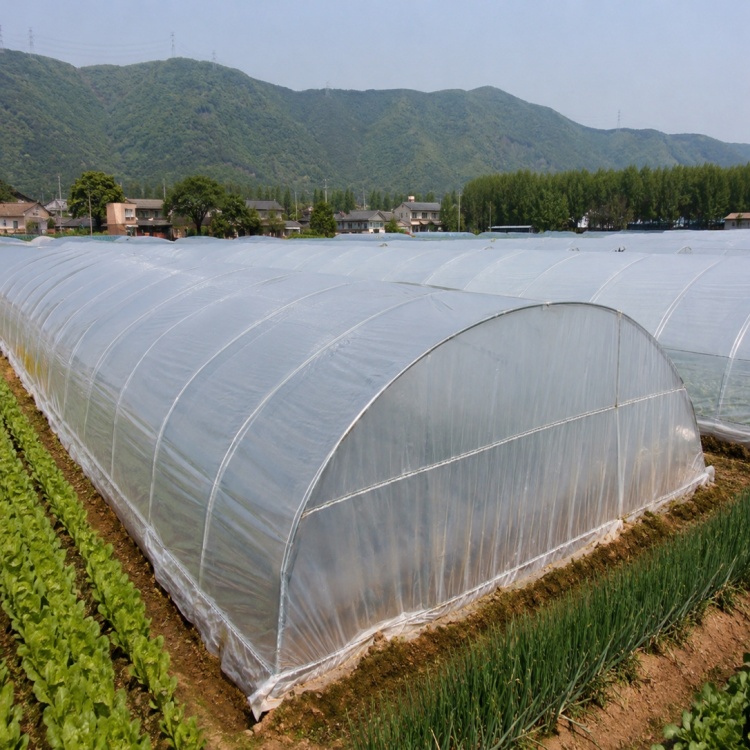
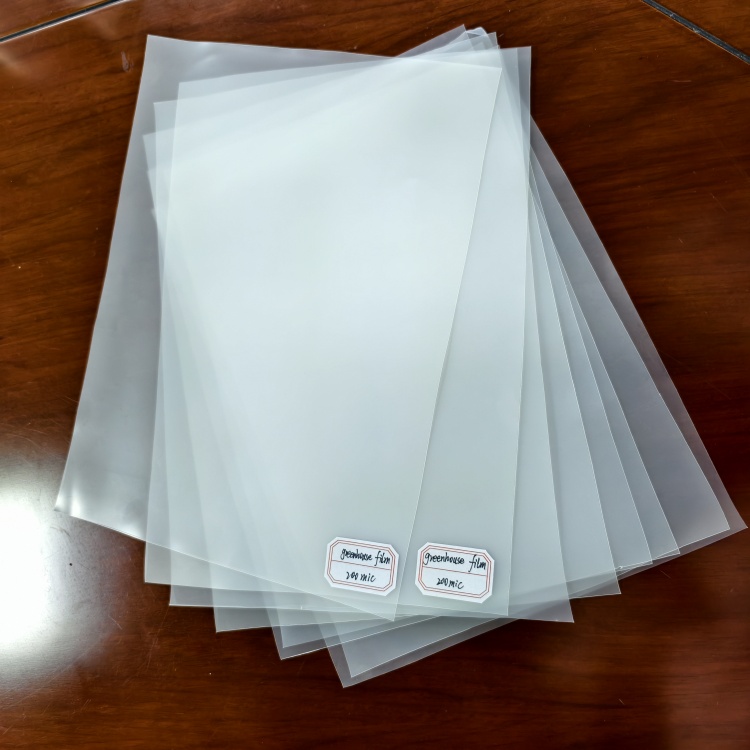
Premium PO film helps greenhouse vegetable exporters reduce crop loss by improving environmental consistency before harvest. The main value is not a single yield promise. It is better control of condensation, light distribution, film aging, and replacement risk across export production blocks. For large exporters, film specification should be linked to export-grade quality targets, rejection causes, and shipment schedules.
Table of Contents
Film As Part Of Export Quality Control
Greenhouse vegetable exporters do not only need crop production. They need repeatable export quality. A crop that looks acceptable in the greenhouse may still lose value at sorting if fruit size, color, surface quality, or firmness is inconsistent. Premium film cannot replace crop management, but it can reduce some environmental causes of quality variation. That is why large exporters should treat film as part of the quality-control system.
The correct procurement question is not “Which film is the most advanced?” The correct question is “Which film reduces the main quality risk in this crop and climate?” That question leads to a more professional specification and avoids paying for features that do not solve the exporter’s problem.
Where Crop Loss Starts Before Packing
Export loss often begins before the crop reaches the packing house. Condensation can mark fruit or create disease pressure. Uneven light can contribute to uneven sizing or color. Old film can reduce useful light and force emergency repairs. Weak film can tear during a production cycle. These issues may look small inside the greenhouse, but they become visible when cartons are graded for export.
Pre-harvest risk
Exporter impact
Film-related control point
Condensation
Surface marks, disease pressure, dirty harvest
Anti-drip and anti-fog performance
Uneven light
Mixed size, color variation, uneven maturity
Diffusion and stable transmission
Early film aging
Lower light, repair needs, replacement disruption
UV life and batch consistency
Mechanical weakness
Tearing and emergency maintenance
Thickness, tear strength, installation fit
For exporters, film cost should be compared with rejected cartons and sorting labor, not only with another roll price.
Crop-Specific Film Priorities
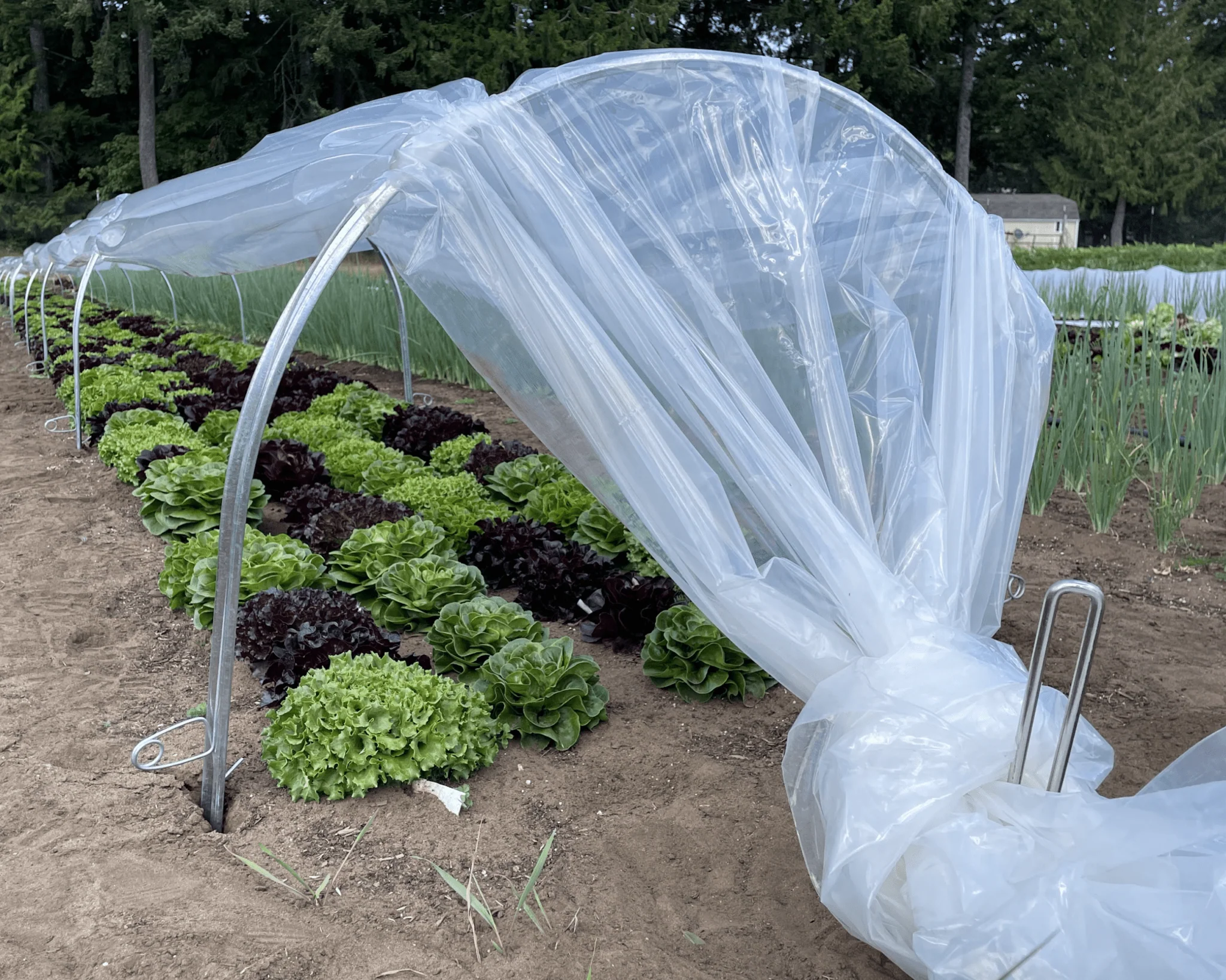
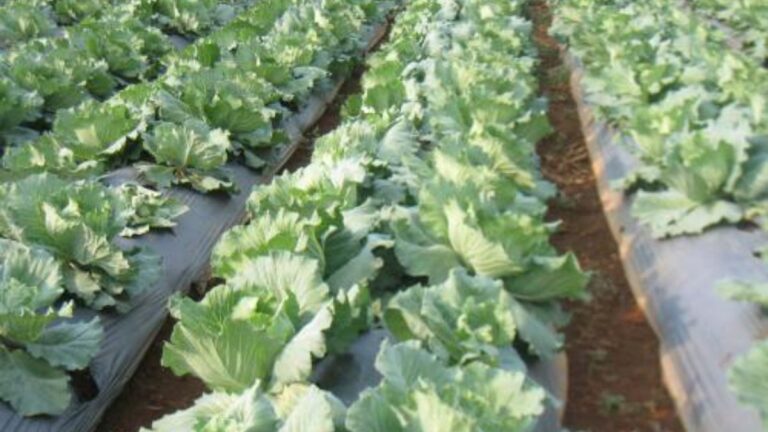
Tomato, cucumber, pepper, and leafy vegetable blocks do not always need the same film priority. Tomatoes often make buyers focus on condensation and color uniformity. Cucumbers may require softer light and humidity control. Peppers can be sensitive to heat stress and color variation. Leafy vegetables require clean, stable growing conditions because quality loss appears quickly after stress. Large exporters should therefore link film specification to crop risk, not simply greenhouse area.
For mixed export farms, HONREL AGRICULTURE can recommend a core greenhouse PO film specification and, where needed, a premium variation for high-value blocks. This avoids managing too many film types while still giving the farm a technical solution for different crop risks.
Cost Logic For Large Exporters
Premium PO film should be evaluated through risk reduction. If the film helps reduce condensation-related defects, sorting pressure, and emergency replacement, it can justify a higher purchase price. The calculation does not need to be complicated. Exporters can compare the film upgrade cost with rejected cartons, extra labor hours, repair cost, and the value of a missed shipment window.
When a project has lower crop value or a shorter production cycle, the buyer may compare with agricultural PE film manufacturer options. That is a valid comparison. Professional procurement does not automatically choose the highest-grade product. It chooses the film that fits crop value, climate risk, and export commitment.
Implementation And Performance Review
After installation, the export farm should monitor greenhouse performance during the first humid period, the first high-radiation period, and peak harvest. The review should include condensation behavior, crop uniformity, film tension, tear points, and packing-house rejection data. If the film performs well, the same specification can become a repeat order standard. If problems appear, the farm can adjust anti-drip, diffusion, thickness, or replacement timing before the next container order.
For large export programs, HONREL AGRICULTURE can support specification records, roll labels, and container planning through greenhouse films wholesale supply. The aim is stable procurement, not one-time product selling.
Building A Film Specification From Rejection Data
Large vegetable exporters usually have packing-house data, even if it is not perfect. That data should guide film selection. If rejection reports often mention water marks, disease-related surface problems, or dirty harvest conditions, anti-drip and humidity management should become film priorities. If reports show uneven color or size, light distribution and aging of the existing cover should be reviewed. If emergency repairs have interrupted crop schedules, mechanical strength and UV life should be upgraded.
This data-based approach makes procurement more professional. It prevents the buyer from asking only for a premium film without knowing why. It also prevents the supplier from selling features that are not connected to the farm’s actual losses. For large exporters, the best specification is the one that addresses the most expensive quality risk first.
Condensation Control And Export Appearance
Export vegetables are judged visually before they are judged technically. Surface marks, uneven finish, and visible quality defects can downgrade a crop even when yield is acceptable. Condensation is one of the greenhouse factors that can influence those defects. Anti-drip film helps water form a more continuous layer instead of falling as droplets, but the result also depends on greenhouse slope, ventilation, crop density, and humidity management.
For large buyers, the question is not whether anti-drip is useful in general. The question is whether the farm’s crop, climate, and greenhouse structure create enough condensation risk to justify a stronger anti-drip package. In humid regions or dense vegetable houses, the answer is often yes. In dry regions, diffusion or UV life may be more important.
Light Diffusion And Export Uniformity
Light diffusion can reduce sharp differences in radiation inside the greenhouse. For export crops, this can support more even development, especially where direct sunlight creates hot spots. Tomatoes, peppers, cucumbers, and leafy vegetables respond differently, so diffusion should be chosen according to crop sensitivity and local radiation. A film with the wrong optical balance may create unnecessary cost or reduce useful light in a region that already has limited radiation.
The procurement team should ask the production manager where crop variation appears. If variation follows greenhouse position, film age, or sun exposure, optical performance may be part of the issue. If variation follows irrigation zones or nutrition programs, the film may not be the main cause. This practical distinction helps the buyer invest in the right solution.
Film Replacement Planning For Export Seasons
Export farms should plan film replacement around the shipping calendar. Replacing film during a high-value harvest window creates unnecessary risk. If old film is near the end of its service life before the export season begins, the buyer should replace it early rather than wait for visible failure. A planned replacement is easier to manage than emergency repair during production.
Large exporters should also coordinate film delivery with transplanting and crop schedules. If the film arrives late, installation is rushed. If installation is rushed, tension, fixing, and sealing mistakes become more likely. These mistakes can reduce film life and create greenhouse leaks or tears. Procurement timing therefore affects crop protection, not only warehouse stock.
Manufacturer-Level Supply Requirements
Large exporters and manufacturing-level buyers need supply consistency as much as film performance. The supplier should be able to repeat the approved specification, maintain stable roll dimensions, protect the film during packing, and provide clear labels for warehouse control. When the same export farm expands production, the film should not change unexpectedly. Consistent supply makes crop planning, installation scheduling, and future purchasing much easier.
FAQ for Large-Volume Buyers
Q1: Can premium PO film directly eliminate export crop loss?
A: No. It supports a more stable greenhouse environment, but crop loss also depends on ventilation, irrigation, nutrition, pest control, and harvest management.
Q2: Which film feature matters most for exporters?
A: Anti-drip and light diffusion are often the first features to check because they affect visible crop quality and harvest consistency.
Q3: Should every export greenhouse use the same film?
A: Not always. Large exporters should match film specifications to crop risk, climate, and export-grade requirements.
Q4: How should exporters calculate film value?
A: Compare the film upgrade cost with rejected cartons, sorting labor, emergency repairs, and shipment risk.
Q5: Can HONREL supply repeatable specs for export farms?
A: Yes. HONREL AGRICULTURE can customize and repeat PO film specifications for large export greenhouse programs.
Get Factory-Direct Insights & Growing Tips
Selecting the right Greenhouse Film or shade mesh is critical for crop success. As a dedicated Agricultural Netting and Film Manufacturer, our experts help you customize UV protection and light transmission based on your local climate. Share your project details for a tailored solution.
HONREL AGRICULTURE engineers films, netting, and drip pipe to your crop, climate, and structure—specs, colors, labeling, and packaging—backed by drawings and spec sheets.
Fast Response & Quick Proofing
Rapid quoting, spec-sheet/sample proofing, and practical engineering support. We align specifications and documentation quickly to keep your project timeline on track.
Consistent Quality & Traceability
UV-stabilized formulations, process QC, and lab checks for optics/mechanics—plus lot-level tracking. COA/test reports available; export packing and labeling are standardized.