Selecting PO Greenhouse Film by Climate Zone: A Procurement Guide for Agricultural Distributors
A cold region may require better condensation control and thermal retention. The correct film is the one that fits the growing environment and the project’s service-life target, not the one with the longest feature list.
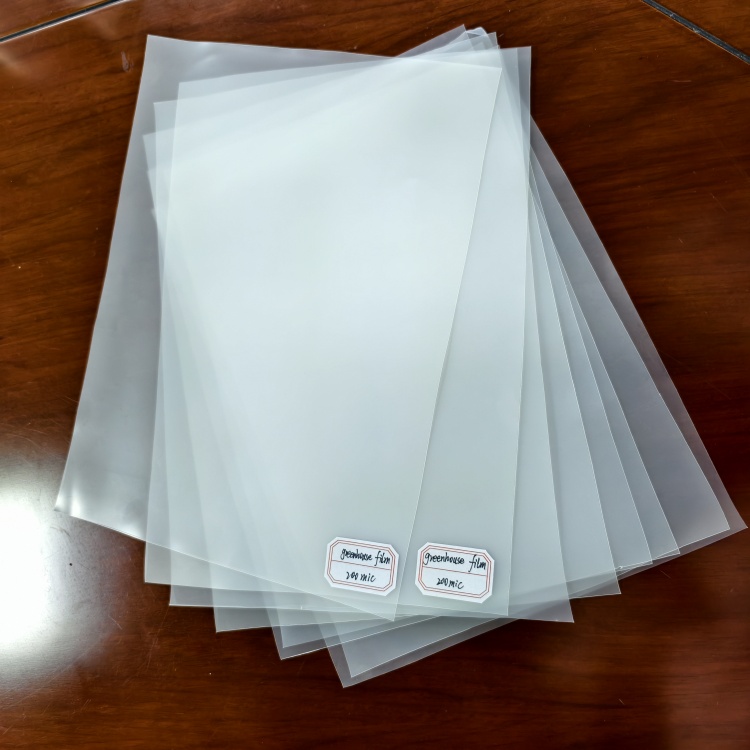
Large-volume buyers should select PO greenhouse film by climate risk first, then confirm additive package, thickness, roll width, UV life, and packing standard. A hot region needs stronger UV resistance and controlled light diffusion. A humid or coastal region needs reliable anti-drip and anti-fog performance. A cold region may require better condensation control and thermal retention. The correct film is the one that fits the growing environment and the project’s service-life target, not the one with the longest feature list.
Table of Contents
Procurement Logic For Climate-Zone Film Selection
For agricultural distributors and large greenhouse project buyers, PO film selection should begin with climate exposure. A PO greenhouse film used in a hot, high-UV region is not facing the same stress as a film used in a humid coastal region. If the buyer uses one standard film across all climates, field complaints often appear later as early aging, dripping, heat stress, or installation failure. A climate-zone purchasing system reduces those risks before production starts.
The professional approach is to define the main failure risk first. In hot regions, the risk is often UV aging, brittleness, and excessive radiation. In humid regions, the risk is condensation, fogging, and disease pressure linked to wet crop surfaces. In cold regions, the risk is heat loss, internal dripping, and mechanical stress during installation. Each risk points toward a different film specification. This is why the quotation should not begin with price per kilogram. It should begin with the operating environment.
HONREL AGRICULTURE supports large buyers by matching greenhouse PO film specifications with project climate, crop value, greenhouse structure, and expected service life. This creates a clearer technical basis for container-volume orders and repeat procurement.
Climate-Zone Specification Matrix
Climate zone
Main field risk
Priority specification
Purchasing warning
Hot / high UV
Early aging, heat load, crop stress
UV package, diffusion, tensile stability
Do not select by transparency alone
Humid / coastal
Drip, fog, wet foliage, wind
Anti-drip, anti-fog, stable thickness
Structure and ventilation still matter
Cold / high day-night difference
Condensation, heat loss, installation stress
Anti-drip, possible thermal option, tear strength
Avoid weak film during cold installation
Mixed distributor market
Different customers need different grades
Two or three regional SKUs
Do not stock too many unclear products
Hot And High-UV Regions
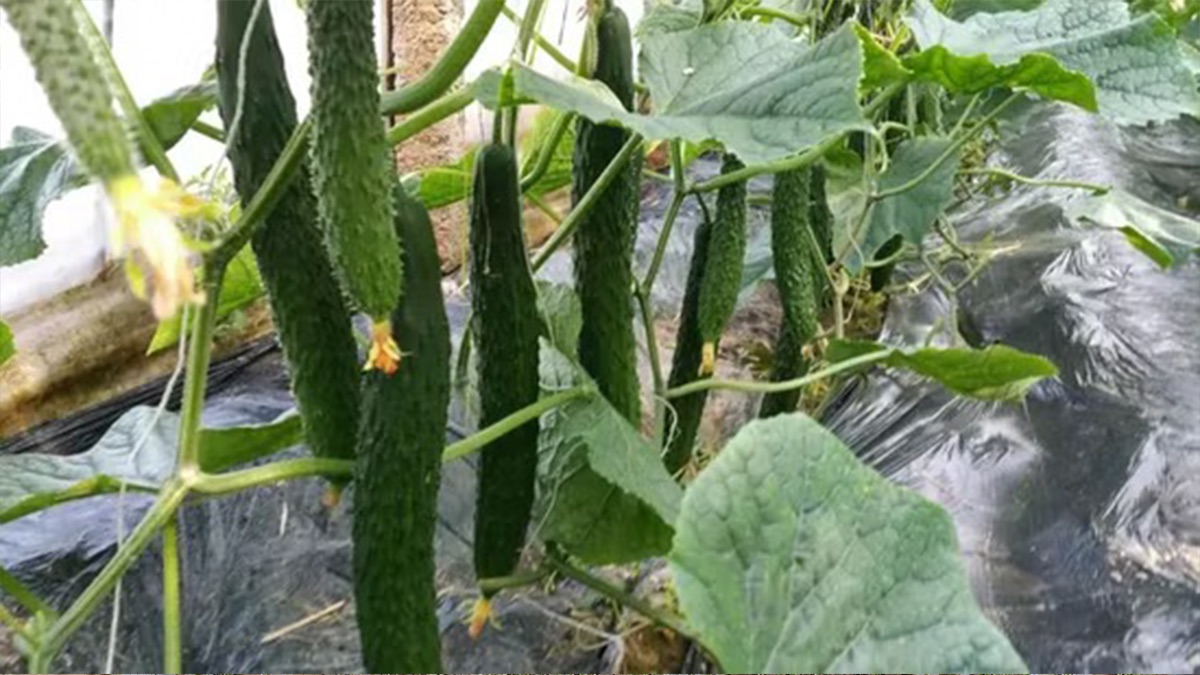
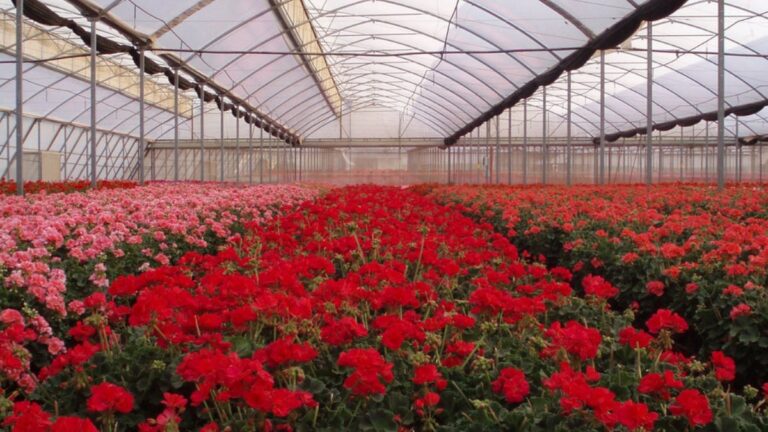
In hot regions, UV exposure is the first technical filter. A greenhouse cover may look acceptable when installed but lose strength earlier if the UV package is too weak for the region. Large buyers should confirm expected service life, local radiation level, crop type, and whether the film will be exposed year-round. For premium vegetable or flower projects, light diffusion can also be important because harsh direct light may create crop stress and uneven growth.
The buyer should not confuse high light transmission with better crop performance in every case. Strong light is useful, but uncontrolled direct radiation can increase heat load. A diffused PO film may help distribute light more evenly inside the greenhouse. The correct decision depends on crop value, ventilation capacity, shading system, and local climate. For large orders, these points should be documented before production.
Humid, Coastal, And High-Condensation Regions
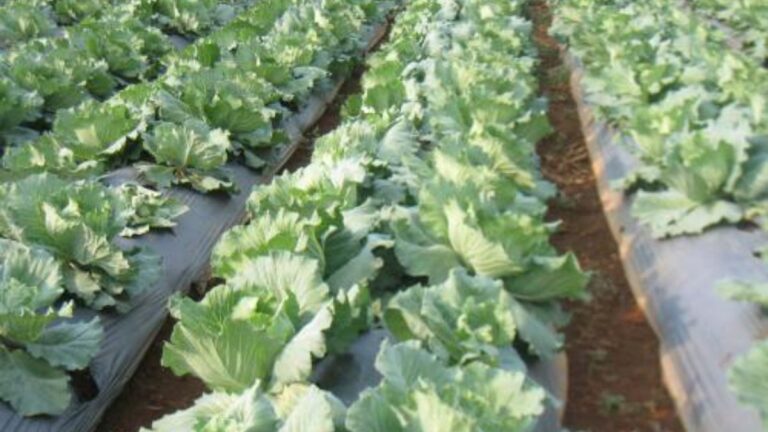
In humid regions, anti-drip performance becomes a major specification, not an optional phrase. Water droplets on the inner film surface can fall onto leaves, flowers, or fruit. This creates quality pressure and can increase disease risk when the greenhouse is already difficult to ventilate. A professional buyer should ask how long the anti-drip effect is expected to perform and whether the greenhouse design supports condensation drainage.
Coastal regions add another concern: wind and structure condition. Even a good film can fail if the fixing system is weak or if the greenhouse frame creates abrasion points. For these markets, large buyers should check thickness, tear strength, roll width, and installation method together. A film specification that works inland may need adjustment for coastal use.
Cold Or High Day-Night Temperature Regions
Cold regions often create condensation because the difference between inside and outside temperature is high. If the film does not manage condensation well, dripping becomes a daily problem. Some projects may also ask for improved thermal retention. The buyer should be clear whether the greenhouse is heated, what crop is grown, and how long the film is expected to remain in service. A low-cost film may be acceptable for temporary tunnels, but it may be risky for multi-season commercial houses.
If the project has lower crop value or shorter service expectations, a buyer may compare PO film with PE greenhouse film. That comparison should be technical, not emotional. PE can be a practical choice in some projects. PO is usually selected when the buyer needs stronger additive performance, better service life, or more stable optical control.
Manufacturing And Order Control Points
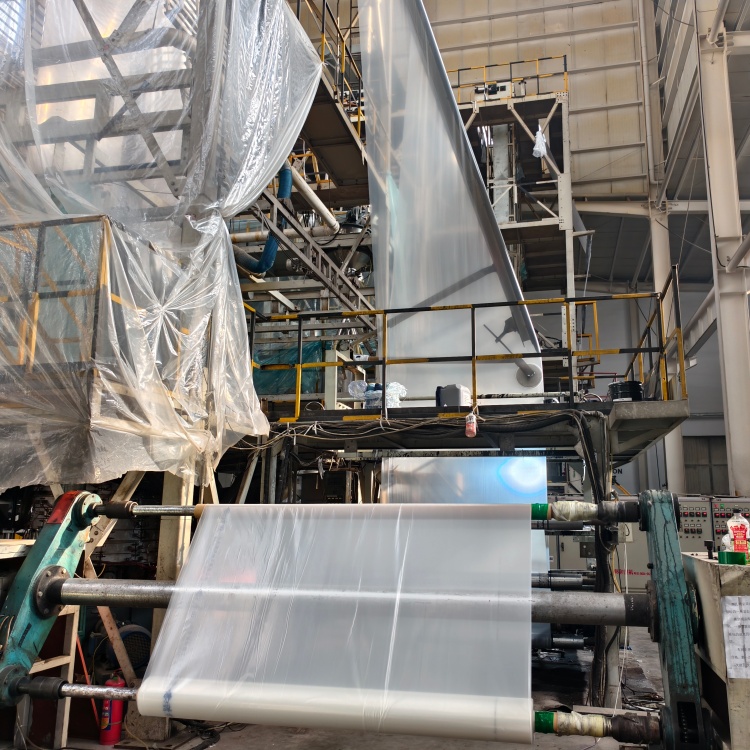
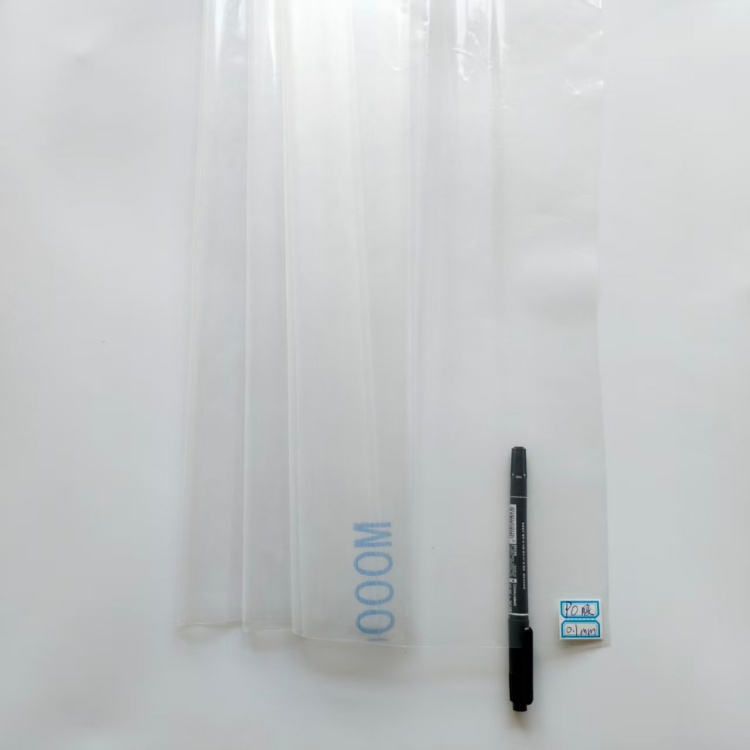
For large-volume orders, the purchase document should define film type, thickness, tolerance, width, roll length, UV life, anti-drip requirement, diffusion level, core size, packing, and label. If the buyer sells under a regional product system, each SKU should have a clear climate use. This prevents sales teams from offering the wrong film into the wrong market.
Confirm climate zone and crop before quoting.
Separate standard, hot-region, and humid-region specifications if the market requires it.
Use clear roll labels for warehouse and field crews.
Record approved specifications for repeat container orders.
Check packing strength for long-distance shipping and storage.
Large buyers sourcing greenhouse films wholesale should also require batch traceability. When a distributor manages several regions, traceability helps connect field feedback with the correct production batch. That is how procurement becomes more precise over time.
Regional SKU Planning For Large Distributors
Large agricultural distributors should build PO film programs around regional SKUs. A regional SKU is not just a product code. It is a specification connected to a climate problem. For example, a hot-region SKU can emphasize UV life and diffusion. A humid-region SKU can emphasize anti-drip and anti-fog behavior. A cold-region SKU can emphasize condensation control, tear resistance, and possible thermal retention. This makes the sales system easier to manage and reduces wrong recommendations.
A distributor with several markets should avoid creating too many nearly identical film products. Too many choices confuse the sales team and the buyer. A better system is to keep a standard grade, a hot-climate grade, and a humid or cold-climate grade. Each grade should have a clear technical purpose. If the buyer cannot explain why a film exists, it is probably not a useful SKU.
How Climate Affects Warranty Expectations
Service-life expectations must be connected to climate. A film used in a high-UV area, exposed year-round, and installed on a windy structure faces more stress than a film used seasonally in a mild area. Buyers sometimes ask for long life without sharing these conditions. That creates risk for both sides. A professional quotation should state the intended use conditions and the limits of the specification.
Chemical exposure should also be discussed. Greenhouse cleaning agents, sulfur use, pesticides, and local practices can affect film aging. The supplier should understand the growing environment before confirming long service-life claims. This is especially important for large buyers because one wrong assumption can affect many rolls and many houses.
Distributor Training: Questions Sales Teams Must Ask
What crop will be grown under the film?
What is the climate zone and main stress: UV, humidity, cold, wind, or mixed pressure?
How many seasons does the buyer expect from the cover?
Is condensation a daily problem in the greenhouse?
Is the buyer replacing film because of aging, tearing, dripping, or crop performance?
What greenhouse width, roll width, and installation method are required?
These questions create a professional sales process. They also protect the distributor from quoting the wrong product. For large distributors, consistent questions are as important as consistent film quality because they prevent specification mistakes before the order reaches production.
Order Documentation And Repeat Supply
Every climate-zone order should have a technical record. The record should include SKU name, climate use, crop type, film width, thickness, roll length, UV package, anti-drip, diffusion, packing, and label. When the customer reorders, the distributor can repeat the approved specification instead of relying on memory. This matters for large-volume supply because small changes in specification can create field complaints later.
For large manufacturers and distributors, documentation also supports internal quality control. Warehouse teams know which roll belongs to which region. Sales teams know which film to recommend. The supplier knows which specification to reproduce. This is how climate-zone procurement becomes stable over multiple seasons.
Large buyers who need a lower-cost option can keep a separate PE alternative for short-cycle or lower-risk projects. In that case, agricultural PE film manufacturer supply can sit beside PO film in the product program without confusing the climate-zone strategy.
Performance Review By Region
After each season, distributors should review performance by region. Hot-region feedback should focus on film aging, brittleness, and light stress. Humid-region feedback should focus on dripping, fogging, and crop wetness. Cold-region feedback should focus on condensation, tearing during installation, and heat retention expectations. This regional review makes next season’s purchasing more accurate.
The goal is to build a better product program over time. A distributor that records regional feedback can improve SKU definitions, reduce complaints, and negotiate more precisely with the factory. This is especially important for large-volume buyers because their market reputation depends on repeatable field performance.
FAQ for Large-Volume Buyers
Q1: Should distributors use one PO film for all climate zones?
A: Not usually. One standard film can cover basic demand, but hot, humid, cold, and coastal regions often need different priorities.
Q2: What is the first specification to confirm for hot regions?
A: UV resistance and service life should be confirmed first, followed by diffusion and mechanical strength.
Q3: What matters most in humid regions?
A: Anti-drip and anti-fog performance are usually the first priorities, together with ventilation and greenhouse structure condition.
Q4: Can PE film replace PO film in some projects?
A: Yes, for lower-cost or shorter-cycle projects. PO film is better when the buyer needs stronger additive performance and longer service life.
Q5: Can HONREL customize climate-zone PO film specifications?
A: Yes. HONREL AGRICULTURE can customize thickness, width, UV package, anti-drip, diffusion, roll length, and packing for large-volume orders.
Get Factory-Direct Insights & Growing Tips
Selecting the right Greenhouse Film or shade mesh is critical for crop success. As a dedicated Agricultural Netting and Film Manufacturer, our experts help you customize UV protection and light transmission based on your local climate. Share your project details for a tailored solution.
HONREL AGRICULTURE engineers films, netting, and drip pipe to your crop, climate, and structure—specs, colors, labeling, and packaging—backed by drawings and spec sheets.
Fast Response & Quick Proofing
Rapid quoting, spec-sheet/sample proofing, and practical engineering support. We align specifications and documentation quickly to keep your project timeline on track.
Consistent Quality & Traceability
UV-stabilized formulations, process QC, and lab checks for optics/mechanics—plus lot-level tracking. COA/test reports available; export packing and labeling are standardized.