Black Mulch Film for Lettuce Farms: Cutting Weed Control Labor at Scale
By blocking 100% of the sunlight from reaching the soil, this plastic physically smothers weed seeds, completely removing the need for manual weeding in your plant rows.
Let’s get straight to the point. If you manage a large-scale commercial lettuce farm, you are constantly battling two major profit-killers: the rising cost of manual field labor and aggressive weeds that steal water from your crops. Lettuce is a delicate, shallow-rooted crop. You cannot spray harsh chemical herbicides without risking severe crop damage or violating strict food-safety standards. This leaves most farm managers relying on expensive, unreliable hand-weeding crews.
Here is the direct answer and the ultimate solution to your labor crisis: To eliminate massive manual weeding costs and instantly increase your marketable lettuce yield, you need to transition your fields from bare soil to engineered black mulch film.
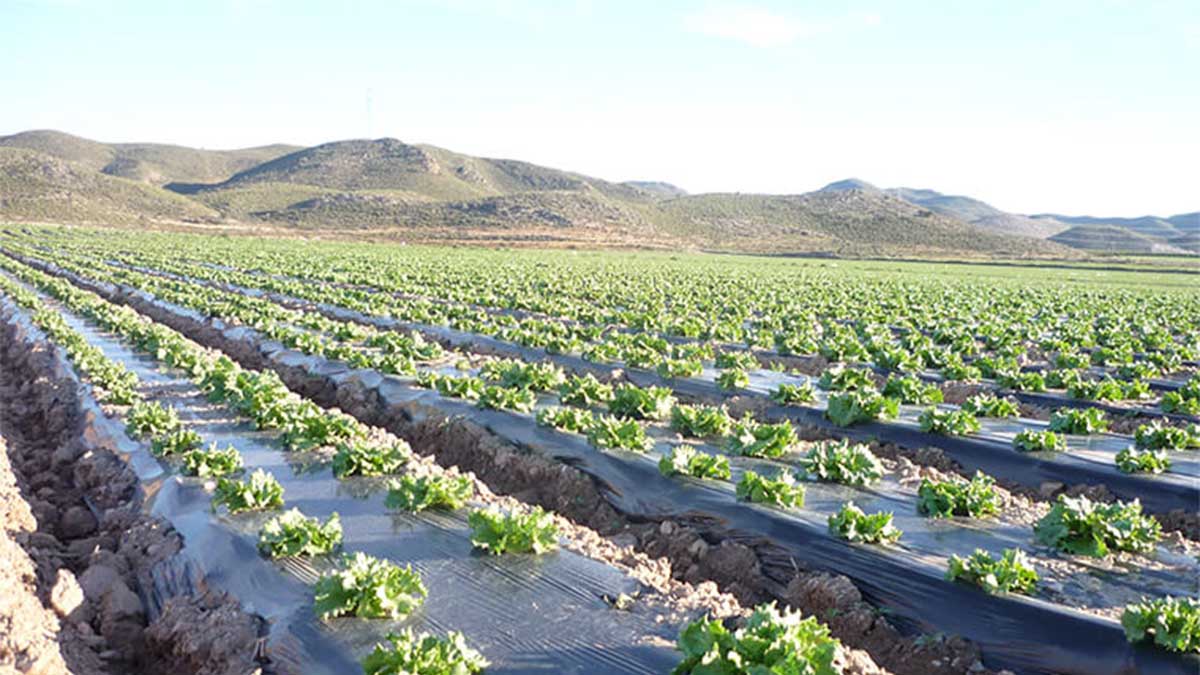
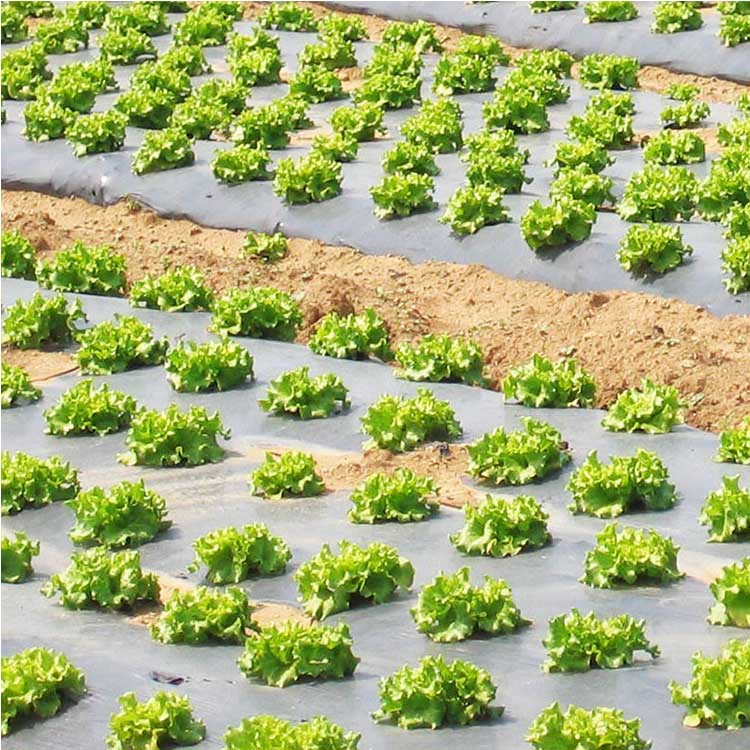
By blocking 100% of the sunlight from reaching the soil, this plastic physically smothers weed seeds, completely removing the need for manual weeding in your plant rows. This simple cultural switch not only cuts weed management labor costs drastically, but it also acts as a passive solar heater. By warming the soil in the early spring, black plastic accelerates early canopy growth, pushing your total lettuce yield up by over 25%.
We are the solution experts at HONREL AGRICULTURE. We do not just sell plastic rolls; we engineer the polymer formulas that solve actual farming bottlenecks. In this guide, we are going to look at the verified academic data on labor economics, analyze the exact yield increases proven by agricultural universities, and show you why upgrading your plasticulture is the smartest investment you can make this season.
Table of Contents
The Crushing Cost of Manual Weed Control
Growing lettuce on bare ground is the traditional way, but in today’s economy, it is a massive financial liability.
When weeds are allowed to grow next to your crisphead or romaine lettuce, they aggressively compete for water and fertilizer. This stunts your lettuce, destroys your harvest uniformity, and ruins your profit margins. Because of chemical restrictions on leafy greens, commercial farms are forced to hire field workers with hoes.
The Economic Data on Labor Savings
Let’s look at the hard numbers. An economic evaluation published in the Journal of Sustainable Agriculture (Taylor & Francis) analyzed the exact cost of weed management for vegetable production.
The Costs: The researchers noted that utilizing plastic mulch increases your initial bed preparation costs marginally. However, doing so completely eliminates the need for hand-weeding within the crop row.
The Savings: Studies estimate that eliminating hand cultivation saves up to $0.36 per square meter in pure manual labor costs.
When you do the math on a commercial scale. Even after subtracting the procurement cost of the plastic and the end-of-season tractor removal, you are securing a massive net profit increase while completely freeing your labor force to focus on harvesting rather than hoeing.
The Science of Total Weed Suppression
How does a simple sheet of plastic replace an entire crew of field workers? It comes down to basic plant biology.
Aggressive summer annual weeds—such as pigweeds, galinsoga, and purslane—rely on two specific stimuli to germinate: sunlight and extreme temperature fluctuations in the top layer of the soil.
When you install our heavy-duty mulch film, the dense carbon black masterbatch integrated into the plastic achieves 100% opacity. It operates as an absolute barrier. The weed seeds attempt to germinate in the warm, moist soil. However, because the mulch intercepts the Photosynthetically Active Radiation (PAR) essential for photosynthesis and physically hinders seedling emergence, the delicate broadleaf weed seedlings are easily suppressed and immediately die in the dark.
You achieve absolute, chemical-free weed control in the plant rows, leaving your lettuce to absorb 100% of the drip irrigation and liquid fertilizer.
💡 Best Practice: The “Drum-Tight” Tractor Laying Technique
Even the toughest film can fail if your tractor setup is sloppy. When laying plastic for lettuce, you must ensure your bed shaper creates a perfectly smooth, firm bed.
How to execute it: Do not lay plastic on dry, clumpy soil. Ensure the beds are moist and firm. Adjust the tension wheels on your mulch laying machine so the plastic is pulled drum-tight over the soil. The edges must be deeply secured with a generous amount of soil by the burial discs. A tight film transfers solar heat into the soil instantly, sheds rainwater away from the plant stem, and prevents the wind from catching it and whipping it against your fragile lettuce transplants.
Verifiable Data: The 26% Yield Increase
Saving money on labor is fantastic, but commercial farming is ultimately judged by the weight on the harvest scale. Does black plastic actually grow more lettuce? Absolutely.
Lettuce is a cool-season crop. However, when farmers try to plant early in the spring to hit the high-priced early markets, the soil is often freezing cold. Cold soil severely stunts root establishment. Black plastic solves this by acting as a passive solar heater, absorbing solar radiation and transferring it directly into the raised bed through conduction.
The University of Rhode Island Field Trial
Researchers at the University of Rhode Island conducted a comprehensive field trial comparing crisphead lettuce grown on bare ground versus lettuce grown on black polyethylene mulch.
The Soil Temperature: The mean soil temperature at a 5 cm depth was 17.1 °C in bare ground, but jumped to a highly optimal 18.9 °C under the black polyethylene.
Canopy Growth: The researchers noted that lettuce planted on the black mulch grew significantly faster during the critical early stages than lettuce on bare ground.
The Final Yield: The results were staggering. The bare ground plots yielded an average of 4.57 kg/m ². The plots covered with black mulch yielded 5.76 kg/m ².
That is a scientifically proven 26% increase in total marketable yield. When you combine a 26% heavier harvest with zero hand-weeding costs, the return on investment (ROI) of the plastic pays for itself within the first few weeks of the season.
💡 Best Practice: Choosing the Right Color for the Season
Timing and temperature dictate everything in lettuce farming. While black plastic is the ultimate growth engine for early spring and autumn crops, you have to be careful in the peak of summer.
How to optimize for summer: If you are planting a lettuce cycle in the scorching heat of July or August, black plastic will absorb too much heat and cause the heat-sensitive lettuce to bolt (go to seed) prematurely. For summer plantings, we highly recommend switching to a reflective silver black mulch film. The silver top acts as a mirror to bounce the solar heat away, keeping the soil perfectly cool for the lettuce roots, while the black underside still guarantees 100% weed suppression and blinds disease-carrying aphids.
The HONREL Engineering Difference: Stopping the Tears
If you have used cheap agricultural plastics before, you know the nightmare of the end-of-season cleanup. Standard farm practices require all plastic to be removed from the field to prevent soil pollution. If you use a cheap, low-grade plastic, the tractor-drawn mulch lifter will shred the brittle film into thousands of tiny pieces, forcing you to hire a crew to hand-pick plastic out of the dirt—ruining all the labor savings you achieved during the season.
At HONREL AGRICULTURE, we engineer our plastics to survive the entire commercial cycle.
Metallocene (m-LLDPE) Strength
Instead of using cheap, brittle recycled low-density polyethylene (LDPE), we utilize a virgin co-extruded core containing Metallocene Linear Low-Density Polyethylene. This makes our film incredibly elastic. When your tractor pulls it at the end of the season, it stretches like a rubber band instead of snapping, allowing for a 95%+ clean mechanical retrieval rate.
Absolute Gauge Consistency
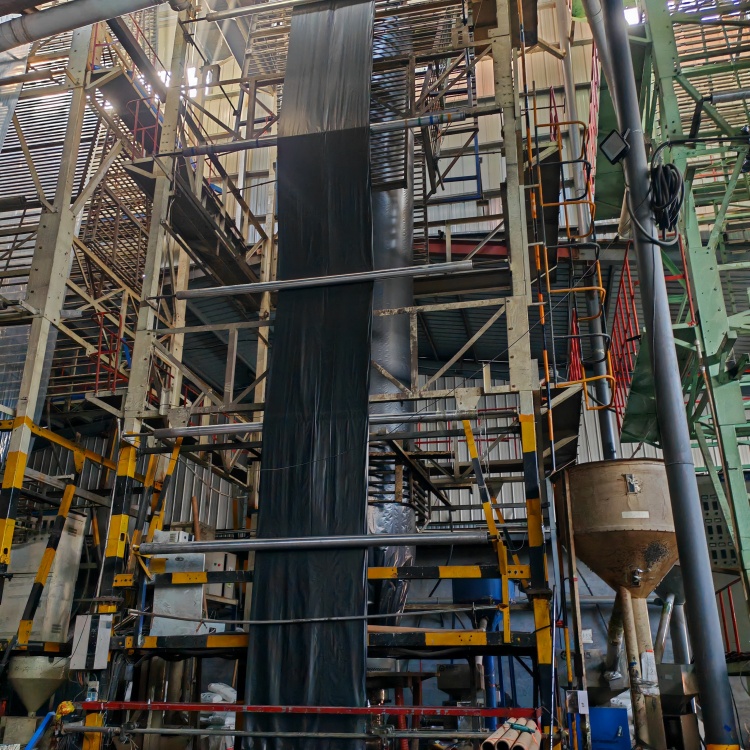
We use advanced precision blown film extruders to ensure the plastic has a perfectly uniform thickness from edge to edge. This ensures that when your bed-shaping tractor lays the film down at high speeds, the tension is distributed perfectly. It tracks straight without splitting longitudinally down the row.
Material Comparison Table
Feature
Standard Cheap LDPE Film
HONREL m-LLDPE Film
Weed Suppression
Good
Excellent (100% Opaque)
Elongation at Break
Low (Snaps easily)
High (Extreme stretch)
Gauge Consistency
Highly variable (Thin spots)
100% Uniform edge-to-edge
Tractor Retrieval Rate
Poor (Shreds into dirt)
Excellent (95%+ clean pull)
A Holistic Approach: Protecting Your Entire Farm
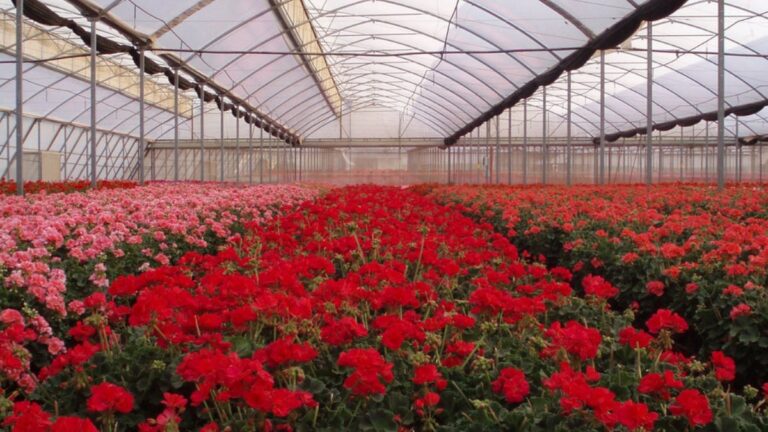
While securing the ground with tough, weed-blocking mulch is critical, modern commercial lettuce operations require complete environmental control from seed to harvest. We manufacture the exact polymer solutions for every stage of your crop’s life.
For Indoor Seedling Nurseries: You cannot grow a uniform field without perfect, healthy transplants. If you start your lettuce plugs indoors and need to manage strict lighting cycles without outside interference, we manufacture heavy-duty, 100% opaque black and white panda film for absolute light-deprivation and high wall reflection.
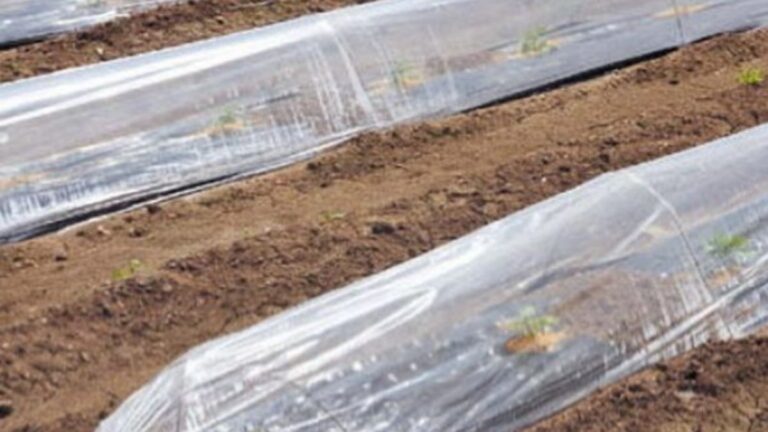
For High Tunnels and Rain Protection: Lettuce leaves are easily bruised by heavy seasonal rains, wind, and hail. If you grow under high tunnels or multi-span structures to protect crop quality, upgrading your greenhouse roof to our advanced 5-layer PO film or our high-tensile PE film provides unmatched light transmission and permanent anti-drip coatings to keep your lettuce perfectly dry and disease-free.
Why Source Factory-Direct from HONREL?
If you are an agricultural distributor or a farm manager overseeing hundreds of hectares, buying retail rolls of plastic from a local middleman completely destroys your profit margins. You need a dedicated factory partner who understands polymer chemistry.
Because we are the direct manufacturer, we do not force you into a “one-size-fits-all” retail box. We customize the film to your exact commercial demands:
Custom Widths: We manufacture custom widths tailored exactly to your specific tractor implements and bed shapers, eliminating waste and overlap.
Pre-Punched Holes: We can deliver massive bulk rolls with custom-spaced, pre-punched planting holes. This ensures perfectly uniform plant spacing and saves your transplanting crew thousands of hours of manual labor in the field.
5 Frequently Asked Questions (FAQ)
Q1: Will black mulch burn my lettuce transplants when they touch the hot plastic?
A: Black plastic does get hot on the surface during peak sunlight. To prevent “stem girdle” or burning on very young transplants, ensure your planting hole is slightly larger than the stem, and ensure the plastic is laid tightly against the soil so the earth pulls the heat away from the film via conduction.
Q2: How do I irrigate my lettuce if the plastic blocks the rain?
A: Because any high-quality mulch is completely impervious to water, you cannot rely on overhead sprinklers. You must lay drip irrigation tape underneath the plastic during the tractor installation process. This actually saves massive amounts of water and allows you to inject liquid fertilizer directly into the root zone without feeding the weeds in the tractor alleys.
Q3: Can I reuse the black mulch for a second crop season?
A: It depends entirely on the thickness (micron rating) you order from our factory. For a single fast-growing lettuce season, a thin 15 to 20-micron film is highly economical. If you intend to leave the film down for double-cropping, we recommend ordering a custom heavy-duty thickness of 30+ microns to withstand the mechanical stress of a second planting.
Q4: Do I still need to weed the tractor alleys between the plastic beds?
A: Yes. The plastic completely stops weeds inside the plant row (which is the hardest and most expensive place to hand-weed). However, the bare dirt in the tractor alleys will still grow weeds. Growers typically manage the alleys with a quick mechanical tractor cultivation or a targeted herbicide spray, which requires very minimal labor.
Q5: What is the Minimum Order Quantity (MOQ) for factory-direct wholesale?
A: Because we run massive industrial extrusion lines, our standard MOQ is generally based on raw tonnage (typically 1 to 2 Tons, depending on your custom width and thickness requirements). Buying directly in bulk guarantees you receive the absolute best commercial B2B pricing on the market.
Conclusion: Stop Hoeing and Start Harvesting
In commercial lettuce farming, time is your most valuable resource. Every dollar you spend paying a crew to walk the rows with a hoe is a dollar subtracted directly from your profit margin. Every weed that steals water from your crop is stealing your marketable yield.
By upgrading to HONREL’s metallocene-reinforced, black polyethylene films, you permanently eliminate the manual labor crisis. You physically eradicate the weeds, you warm the spring soil to accelerate canopy growth, and you secure a scientifically proven 26% increase in your harvest weight.
Ready to stop paying for weed control and start maximizing your harvest? Partner with HONREL AGRICULTURE today. Contact our sales and engineering team for a custom B2B wholesale quote, and let us supply the heavy-duty polymer solutions your commercial operation demands.
Get Factory-Direct Insights & Growing Tips
Selecting the right Greenhouse Film or shade mesh is critical for crop success. As a dedicated Agricultural Netting and Film Manufacturer, our experts help you customize UV protection and light transmission based on your local climate. Share your project details for a tailored solution.
HONREL AGRICULTURE engineers films, netting, and drip pipe to your crop, climate, and structure—specs, colors, labeling, and packaging—backed by drawings and spec sheets.
Fast Response & Quick Proofing
Rapid quoting, spec-sheet/sample proofing, and practical engineering support. We align specifications and documentation quickly to keep your project timeline on track.
Consistent Quality & Traceability
UV-stabilized formulations, process QC, and lab checks for optics/mechanics—plus lot-level tracking. COA/test reports available; export packing and labeling are standardized.